










We are told time and time again that one of the key components to a long and healthy life is (unsurprisingly) exercise. Regular physical activity could even increase life expectancy by around four years, according to research.
And one of the sports growing in popularity is great for mobility and super sustainable too. The sport in question is tai chi.
What is tai chi?
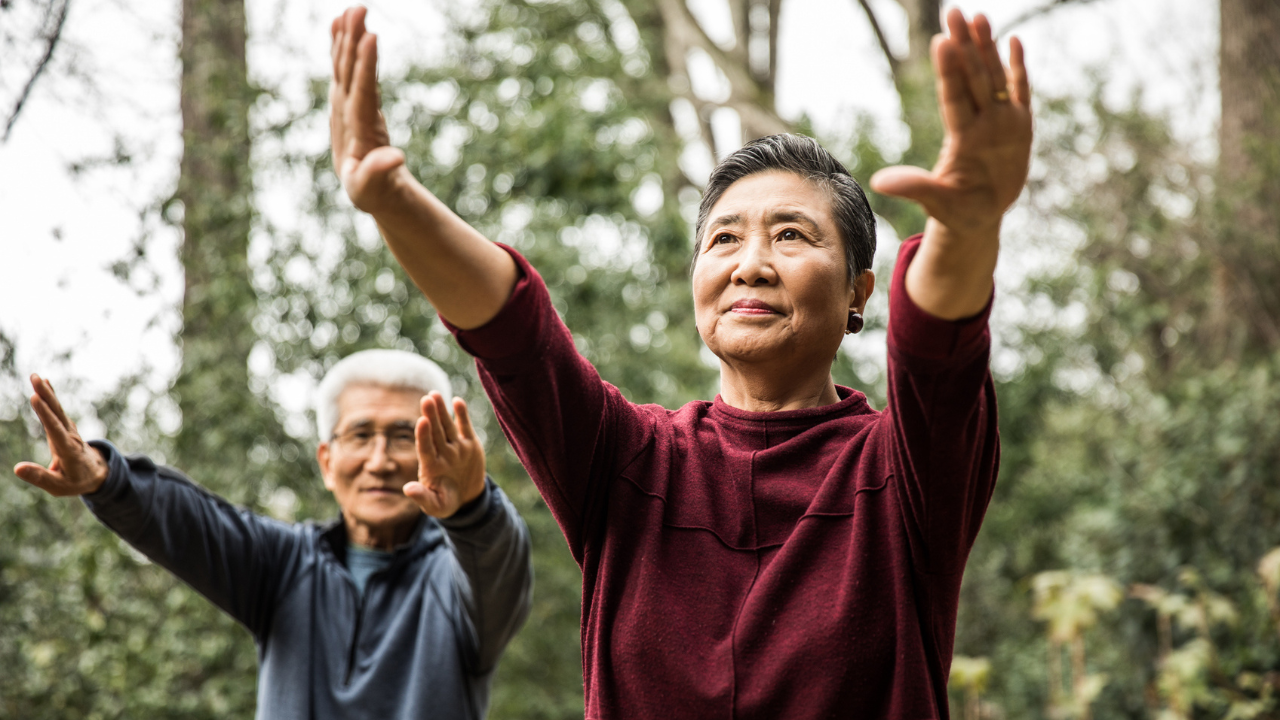
Tai chi is an exercise originating in ancient China that incorporates slow movement and deep breathing.
The sport is low-impact and combines breathwork, mental focus and controlled movements, says Bruno Pontes, a personal trainer at Muscle Booster. It looks pretty slow, and therefore it tends to be dismissed — but it shouldn’t be, he says.
“The controlled movements challenge your muscles, balance and coordination without placing unnecessary stress on your joints,” Pontes explains. This means it’s super accessible for all ages and abilities.
But that doesn’t mean it’s just for the elderly. “Runners, gym-goers and complete beginners can all benefit from improving balance, body awareness and movement quality,” he adds.
Tai chi can improve balance and stability
“Tai Chi improves your core stability and balance through slow shifts in weight and controlled movements to engage a variety of muscle groups,” Pontes says. “This helps maintain independence later in life by improving stability, reducing the risk of falls and making everyday movement feel easier.”
Tai chi can help with mobility and flexibility
“Unlike high-impact exercise, Tai Chi encourages your joints to move through comfortable ranges of motion,” Pontes says. “Regular practice can help reduce stiffness while improving overall mobility.” Keeping our joints limber is important for mobility as we age. And the better our mobility is, tends to mean the longer we live, research suggests.
Tai chi can also be great for lower body strength too as it tends to include a lot of controlled positions which places your muscles under tension. “Over time, this strengthens your legs, hips and core while improving posture and stability,” he adds.
Tai chi can lower stress
Tai chi, like yoga, can be great for your overall wellbeing and stress-reduction. And reducing stress levels can be really vital for longevity. “Through deep, controlled breathing, more oxygen flows to your brain, helping to reduce stress and promote overall wellbeing and increased mental focus,” Pontes explains.
How to implement tai chi into everyday life
To try a few tai chi moves out, start off by standing with your feet shoulder-width apart. Slowly transfer your weight from one foot to the other while maintaining straight posture. Repeat this side-to-side transition 10 to 15 times, breathing rhythmically as you move.
Now, try softening your knees to sink your hips into a grounded stance. Slowly move your arms from side to side in a smooth, circular motion while gently shifting your weight. Aim for a set of 10 repetitions from left to right in a fluid motion.
Finally, work into you arms with some arm circles. “Raise your arms up and out to chest height and gently circle them forwards and backwards. Perform 15 to 20 circular repetitions in a seamless movement.”
This is a great introduction to tai chi that you can practice almost anywhere.!


