










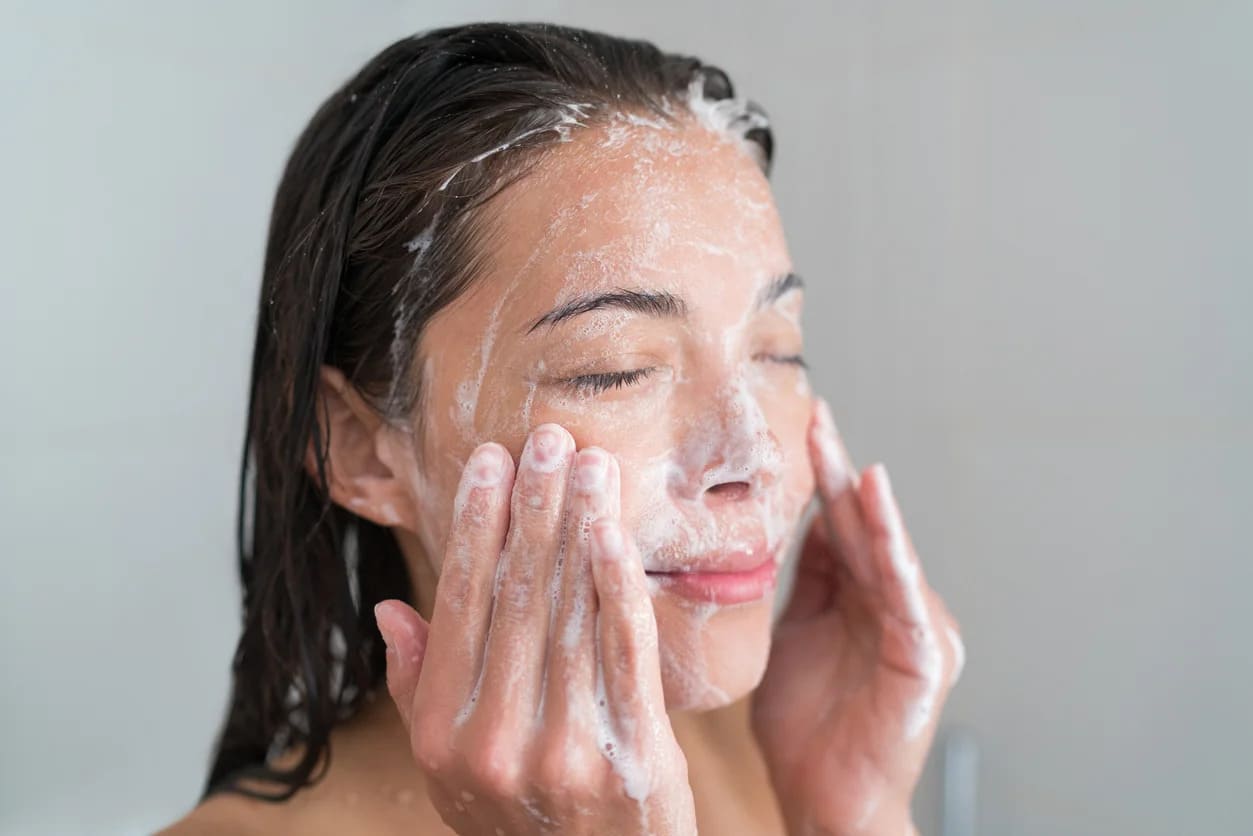
If your 7 am routine probably looks like this: alarm, scroll, stagger to the sink, splash icy water on your face, think again.
It feels virtuous, almost athletic, like a budget cold plunge for your T-zone. But your skin barrier may not be loving it as much as you think.
Dermatologists have been side-eyeing the “wash your face with cold water” trend for years. Not because cold water is evil, but because it is simply not very good at its one job here: helping your cleanser actually clean. When you rely on icy water as your main cleansing temperature, you trade a real skincare payoff for a quick sensory thrill.
The Cold-Water Myth: Pores, Puffiness And That Tight Feeling
Cold water has earned a halo as the thing that “closes pores” after cleansing. Reality check: pores are not tiny doors, they do not open and shut with temperature, they just look a bit smaller or larger depending on oil, swelling and light. What cold water really does is briefly constrict blood vessels and reduce surface swelling, so your face looks less puffy and feels tighter for a few minutes. That sensation is satisfying, but it does not mean your skin is any cleaner or your products are locked in.
What Really Happens When You Wash Your Face With Cold Water
Makeup, sunscreen and sebum are all lipid rich, which is a polite way of saying they are stubborn grease. Cleansers are formulated to grab on to that oil and lift it away, and they tend to work best with lukewarm water. Very cold water can harden those oils and slightly contract the surface of the skin, so residue clings on instead of rinsing clean. A small 2026 trial even found that cool water could be a touch gentler on the barrier than warm water, but cleansing only stayed effective when people used a proper balm and technique, not a three-second icy splash.
Four Reasons Cold Water Should Not Be Your Default
It is worse at dissolving oil and long-wear formulas. Cold water on its own does not break down sunscreen, foundation or water-resistant mascara particularly well, which is why derms keep repeating the lukewarm rule. If you already rush your cleanse, dropping the temperature just makes it likelier that a film of product, sweat and city grime stays put.
Leftover residue can clog pores and blunt your skincare. When that invisible film remains, actives like vitamin C, niacinamide or retinoids have to fight their way through it. Over time you may notice dullness, more congestion and this annoying feeling that your expensive serums have stopped “working”.
Temperature whiplash is rough on sensitive and redness-prone skin. Jumping from a steamy shower to an ice-cold splash might feel dramatic, but those rapid shifts can aggravate rosacea, broken capillaries and generally touchy faces. Most dermatologists prefer a narrow, comfortable temperature window rather than sauna-to-snowstorm theatrics at the sink.
Ice-cold is not harmless for everyone. People with conditions like cold urticaria can actually develop hives or more serious reactions when they keep shocking their skin with frigid water. Even without a diagnosis, if your face stings, burns or stays red after cold rinses, your barrier is telling you to turn the faucet back toward the middle.
Lukewarm Water: The Unsexy Secret Derms Actually Use
For your face, lukewarm is that temperature that feels neither hot nor cold on the inside of your wrist. Dermatologists usually say it somewhere roughly low to mid 80s Fahrenheit.
At that middle range, cleansers can emulsify oil properly without stripping away the epidermal lipids that support your barrier. Lukewarm water also helps rinse product off fully, meaning less residue, less rubbing and fewer reasons for your skin to complain. It is the temperature sweet spot most professional guidelines quietly recommend, even while social media is busy worshipping ice baths.
How To Wash Your Face So It Actually Works
You do not need a 12-step spreadsheet; you just need good basics and the right temperature.
At night, start with an oil or balm cleanser if you wear makeup or heavy sunscreen, massaging on dry skin for about 30 seconds.
Rinse with lukewarm water, then follow with a gentle water based cleanser, again working it in with fingertips, not a scrubby brush.
In the morning, many people can skip cleanser altogether and just use a quick lukewarm rinse, especially if their skin is dry or sensitive.
Whatever you choose, keep contact time under about one minute and avoid tugging, scrubbing or stacking three different cleansers out of guilt.
Pat dry with a clean towel, then seal the deal while skin is still slightly damp with moisturizer and any treatment serums you actually love enough to use consistently.
When A Little Cold Water Is Totally Fine
Cold water is not banned, of course. If you love a quick cool splash over properly cleansed skin to wake up, or a chilled compress around puffy eyes before concealer, enjoy it. Just keep it brief, avoid ice cube facials on repeat, and remember that the real work for your glow happened earlier with that boring lukewarm wash.


