










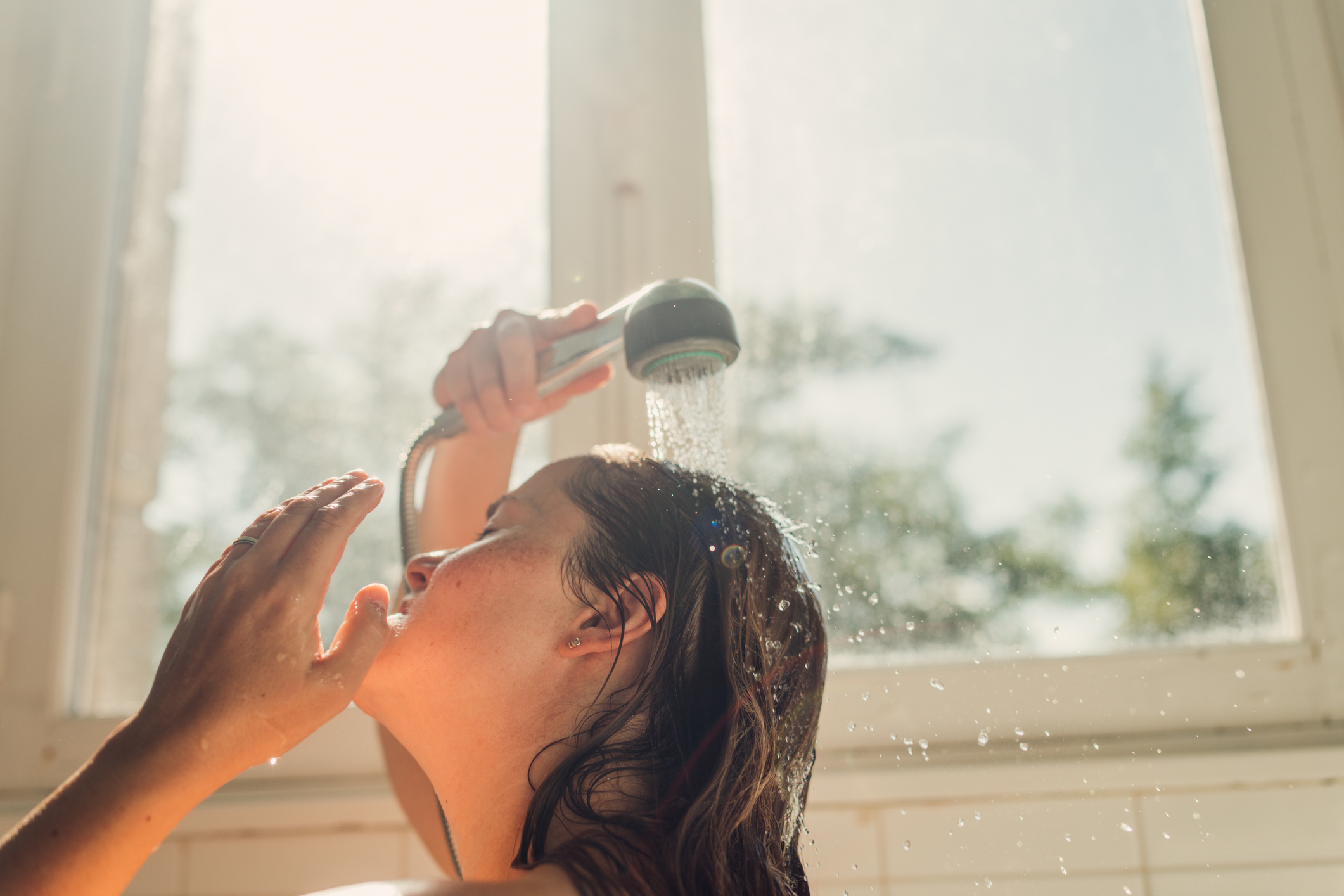
You’ve been washing your hair for years, probably following the same routine without giving it much thought: shampoo, rinse, conditioner, rinse again. But what if changing the order could make your hair softer, shinier, and more voluminous?
While most of us automatically reach for shampoo first, beauty experts suggest that the best time to apply conditioner actually depends on your hair type.
From traditional conditioning to the increasingly popular reverse-washing technique, here’s what you need to know to get the most out of your hair care routine.
Should You Use Conditioner Before or After Shampoo?
According to the American Academy of Dermatology, the traditional approach of shampooing first and conditioning afterward remains the best option for most hair types.
Shampoo removes excess oil, dirt, and product buildup, primarily from the scalp. Conditioner, meanwhile, helps smooth the hair cuticle, reduce friction, and prevent breakage.
Applying conditioner after shampooing also makes hair easier to detangle and helps control frizz.
For the best results, concentrate shampoo on your scalp and apply conditioner mainly from the mid-lengths to the ends.
Leave it on for the time recommended on the packaging, typically a few minutes, before rinsing thoroughly.
However, this familiar routine isn’t necessarily ideal for everyone.
Why Some Experts Recommend Conditioner Before Shampoo
If your hair tends to look flat or greasy shortly after washing, you might benefit from trying reverse washing.
This technique involves applying conditioner before shampoo rather than afterward.
The idea is simple: conditioner softens and detangles the hair, while shampoo removes excess product that might otherwise weigh it down.
Reverse washing can be particularly appealing for people with fine hair who struggle to achieve volume.
By removing some of the conditioning residue, hair may feel lighter and appear fuller.
However, there’s limited scientific research comparing reverse washing with traditional conditioning, and the technique isn’t necessarily suitable for every hair type.
Those with particularly dry, curly, or chemically damaged hair may find that shampooing afterward removes too much of the conditioning effect.
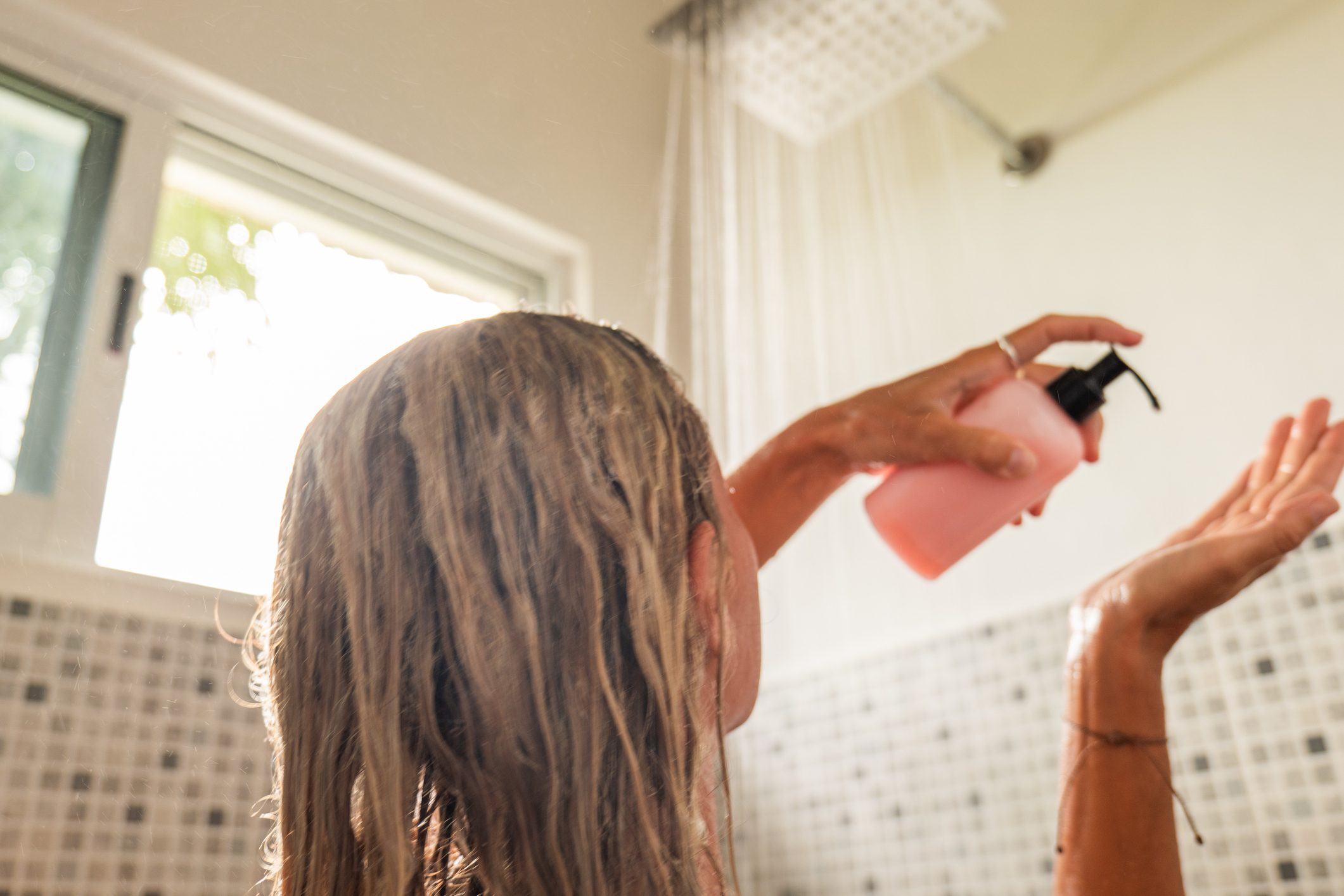
The Best Time to Apply Conditioner for Your Hair Type
Different hair textures have different needs, which means there’s no universal conditioning routine.
Fine or oily hair: Try a lightweight conditioner concentrated on the ends. Reverse washing may help if traditional conditioning leaves your hair feeling heavy.
Dry or curly hair: Stick to shampoo followed by a moisturizing conditioner. Adding a weekly hair mask can help maintain softness and manageability.
Color-treated or damaged hair: Conditioning after shampoo is particularly important for reducing friction and minimizing breakage. A leave-in conditioner can provide additional protection.
Thick or coarse hair: Richer formulas and regular deep-conditioning treatments can help soften strands and make detangling easier.
What About Hair Masks and Leave-In Conditioners?
Timing also matters when using other conditioning products.
Hair masks are generally applied after shampooing and left on for the time specified on the packaging before rinsing.
Leave-in conditioners, on the other hand, are designed to remain in the hair after washing. Apply them to damp lengths and ends before styling.
Unlike rinse-out products, they’re formulated to provide ongoing conditioning without needing to be washed away.


