










Kitchen foil
behind radiators promises cozy rooms but rarely delivers. A
little-known tweak inside your existing system can change how
quickly every corner of your home heats.
If you have ever crouched behind a radiator with a roll of aluminium kitchen foil, welcome to the club. At some point between your third winter and your second energy bill panic, someone insisted that taping foil behind radiators is the chic shortcut to a warmer home.
Here is the twist. Proper radiator reflector panels can help a bit, but that late night foil origami is almost never what stands between you and a cosy living room. The real fix that heating pros quietly rely on – the one that can make stubborn rooms feel warm in about half the time – is balancing your radiators.
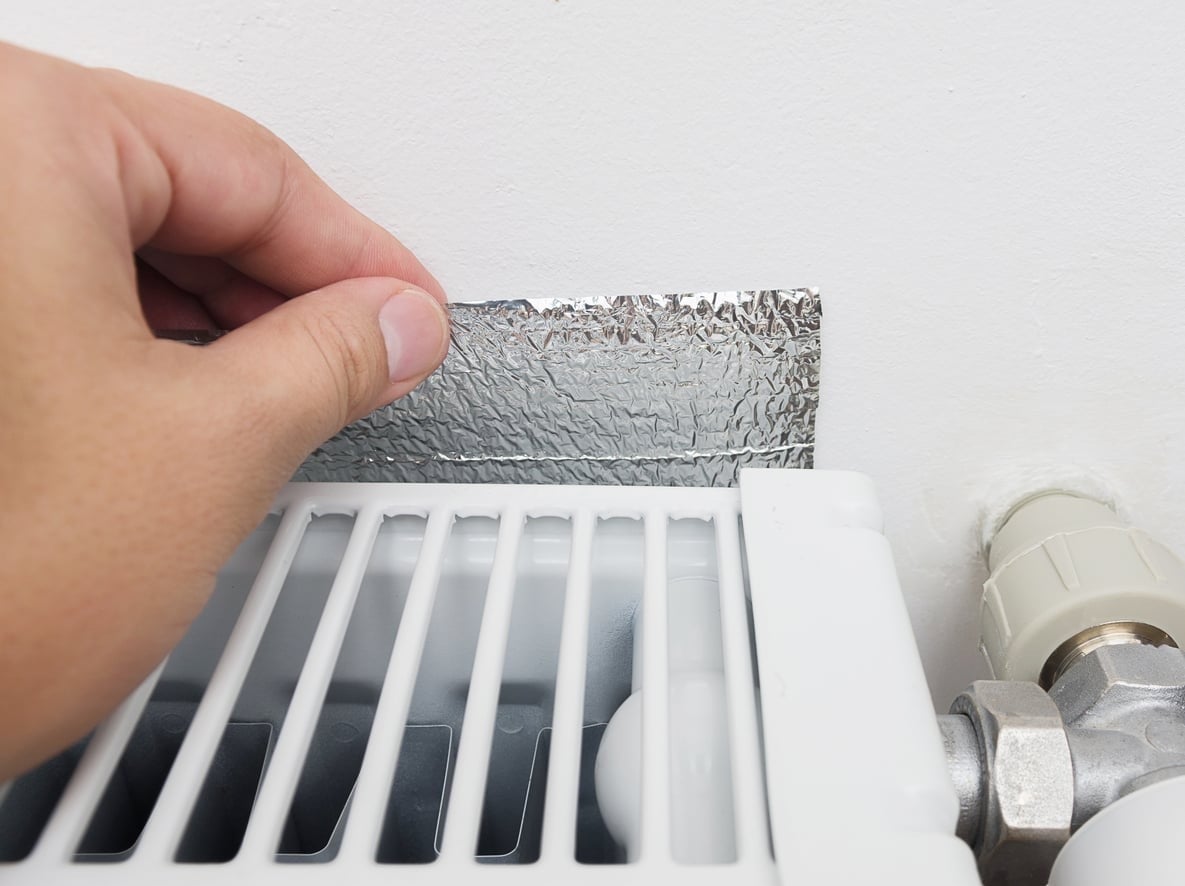
Why Foil Behind Radiators Is Overrated
Radiator reflector panels are thin sheets, often foil on a light insulating board, that sit between the radiator and an external wall. They act like a small radiant barrier, bouncing some heat back into the room and slowing how much is lost through an uninsulated outside wall.
That is very different from taping crinkled kitchen foil to the plaster. Plain aluminium foil has almost no insulation, dulls quickly, and is awkward to keep in place. Studies find that even good reflector products only shave a single digit percentage off energy use in most homes. Kitchen foil on its own does even less.
If you live in an older place with radiators on uninsulated external walls, proper radiator reflector panels can still be worth it. Expect savings in the range of tens of dollars a year, not a halved heating bill. On internal walls, the heat stays inside the home anyway, so foil there is basically a mood board, not a solution.
The Real Reason Rooms Stay Freezing
Bleeding a radiator lets trapped air out when the top stays cold. Helpful, yes, but it only fixes that one unit. Balancing is different. You adjust how much hot water flows through each radiator so the whole system heats more evenly.
Clues are familiar. The living room is roasting while the bedroom feels like a walk-in fridge. Some radiators get hot in minutes, others lag twenty minutes behind. Everything eventually warms up, but you shiver for half an episode of your comfort show first.
In a typical boiler-fed hot water system, the first radiators on the loop grab most of the heat. By gently closing their lockshield valves and letting more hot water reach the stragglers, you stop starving the cold rooms. That alone can cut their warm up time roughly in half.
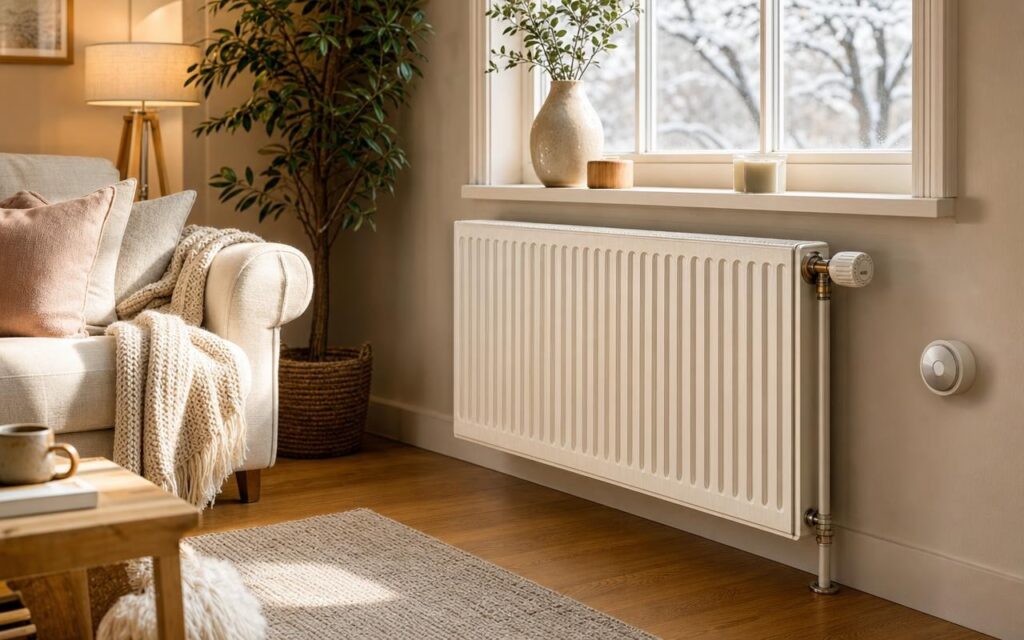
Before You Touch A Single Valve
The steps below are for two pipe hot water radiators, the kind common in older US apartments and houses. If you have chunky one pipe steam radiators, the rules change. In that case, leave the balancing to a professional HVAC technician or a steam specialist.
You will need a radiator key, a small adjustable wrench for the lockshield valve, a screwdriver, and a digital or infrared thermometer. Turn the heating off and let radiators cool before starting. Metal foil and tools are conductive, so keep them away from any exposed wiring near the wall.
Step By Step How To Balance Your Radiators
Step One Bleed And Reset Everything
First, bleed any radiators with cold spots so you are not chasing air problems. Then fully open both the thermostatic radiator valve (or manual control) and the lockshield valve on every radiator in the home.
Step Two Map Which Radiators Heat First
From cold, switch the heating on and walk around. Note the order in which each radiator starts to get hot. The ones that heat first are hogging the hot water. When all are warm, turn the system off again and let everything cool.
Step Three Throttle The Early Radiators
Go to the radiator that heated fastest. Remove the lockshield cap, gently close the valve, then reopen it by about a quarter turn. Turn the heating back on. As that radiator warms, measure the temperature at the pipe where hot water enters and at the pipe where it leaves.
Step Four Use Temperature To Fine Tune
Your goal is about a 12°C, or roughly 20 to 22°F, drop between the flow and return pipes. If the drop is smaller, close the lockshield a touch more. If it is larger, open it slightly. Give each tweak a few minutes to settle before rechecking.
Step Five Work Around The House
Repeat that process for every radiator, following the order on your list from fastest to slowest to heat. Radiators furthest from the boiler usually end up with their lockshield valves more open, sometimes almost fully. When you are done, start the system from cold one morning and time how quickly your chilliest room feels comfortable compared with before.
When To Call In A Professional
If a radiator still refuses to heat, you notice murky sludge when bleeding, or the boiler keeps losing pressure, the issue is bigger than balancing. That is your moment to call a qualified heating engineer or HVAC technician instead of forcing a stuck valve at midnight.
Smarter Tweaks Than Kitchen Foil
If your radiators sit on uninsulated external walls, consider proper radiator reflector panels that pair foil with a thin foam board. They cut conduction into the wall more effectively than bare metal foil and are a set it and forget it upgrade once your system is balanced.
Then do the unglamorous but powerful things. Pull sofas a few inches off the radiators. Shorten curtains that pool over them. Add thermostatic radiator valves or smart controls so already warm rooms are not stealing all the heat. Those tweaks, plus balancing, will always beat a roll of foil.


