










Buried in those
kindergarten turkeys and faded report cards is more than your
child’s past; it’s proof of who you were then. What does psychology
say about the parents who cannot quite let those papers
go?
You open a closet to grab the suitcase and, instead, an avalanche of construction paper hits your feet. The finger-painted turkey from kindergarten, the science fair volcano rubric, the fourth grade report card with the circled B+ in math. Your kid pays rent now, but your throat still catches.
Before you diagnose yourself as a sentimental hoarder, pause. Surveys of US parents suggest almost everyone keeps some mix of photos, artwork and report cards well into their children’s adulthood. Psychology’s verdict is kinder than your inner critic: you are not just clinging to their childhood – you are protecting a chapter of your own life.
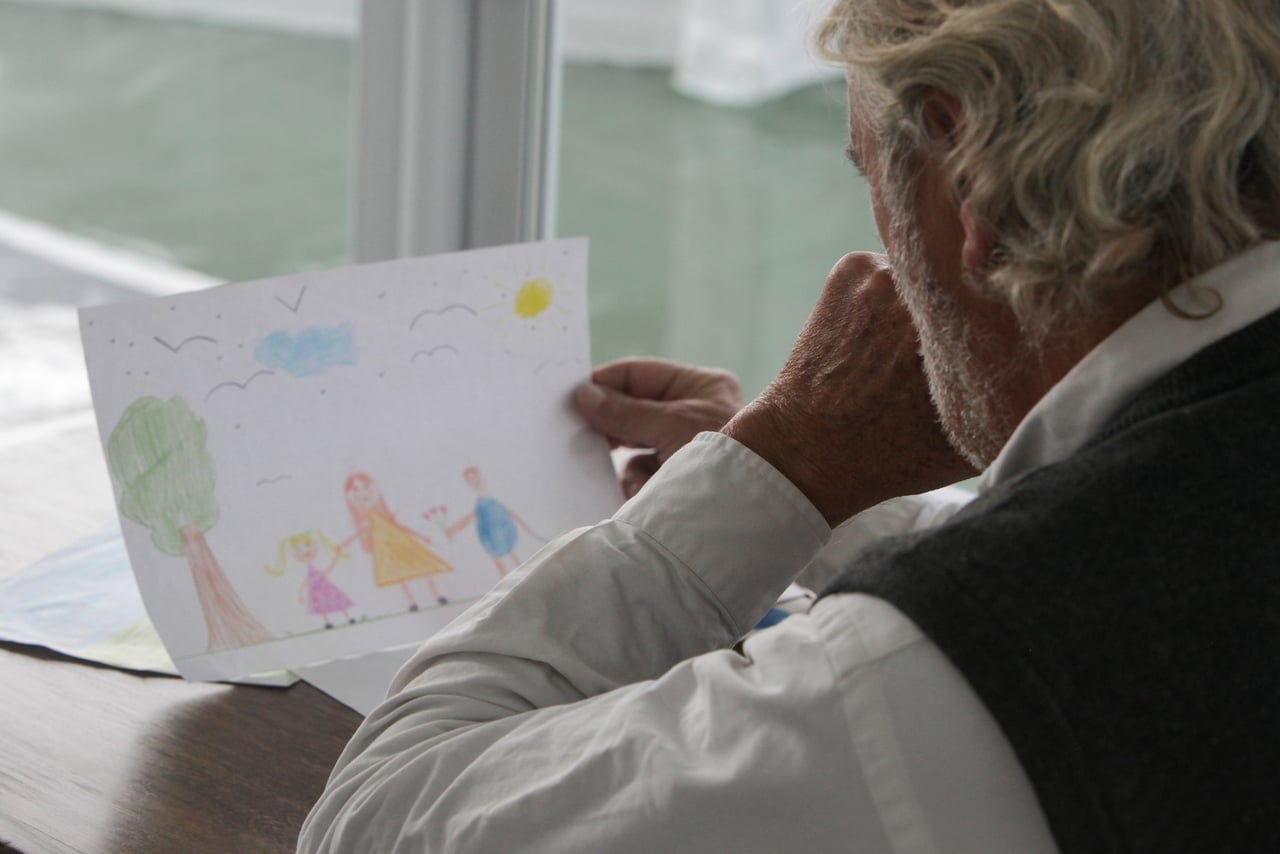
Why That Crumpled Drawing Still Hits You So Hard
Those papers work like little time machines. Researchers who study autobiographical memory, like psychologist Elaine Reese, show that physical objects can unlock entire scenes from your life: the house you lived in, the cereal on the breakfast table, the arguments about bedtime, the way your child’s backpack looked tossed by the door.
Every time you told the story – “this was your first A in math,” “you drew our old dog with purple ears” – you wrapped another layer of meaning around the object. The drawing is not great art; it is a doorway into a season of family life when you were right in the center of it.
Nostalgia Is Not You Being Stuck In The Past
Psychologists Constantine Sedikides and Tim Wildschut have spent years studying nostalgia and keep landing on the same point: it is usually a warm, social emotion, not a problem to fix. Nostalgia pulls in specific people, places and objects – like a misspelled “My Famly” caption in wobbling crayon – and bathes them in affection.
So when you hold that report card, you are not only remembering grades. You are remembering slammed lockers, after-school snacks, the tiny proud face that shoved the paper into your hands. That small wave of sweetness can boost mood, steady identity and remind you your life has been full of relationships that mattered.
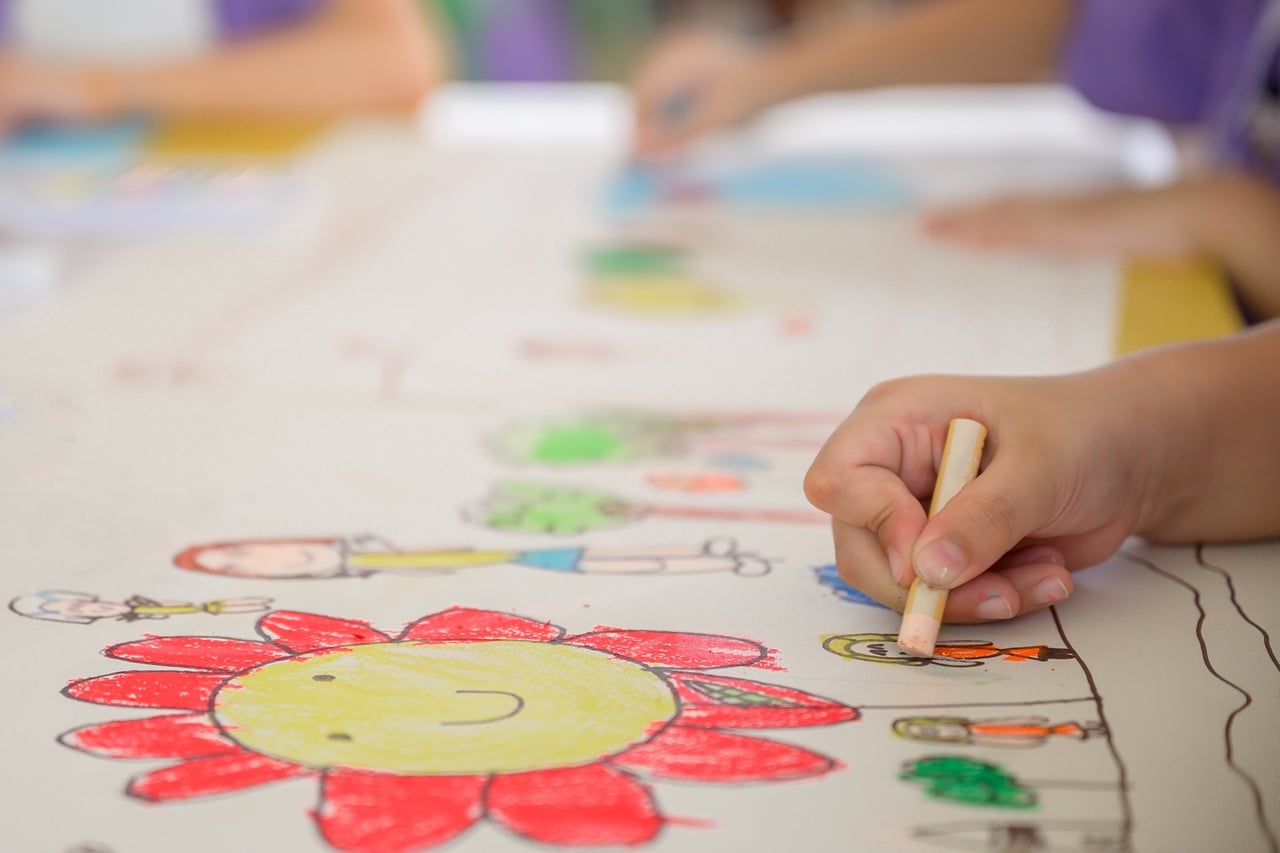
You Are Saving Your Own Chapter Too
Psychologist Dan McAdams talks about narrative identity – the internal story you build about who you are. Parenthood usually gets its own epic chapter. Those folders in your closet are not just proof that your child learned long division. They are props from your starring role as the person who packed lunches and signed permission slips at midnight.
Look closely and the report card reads differently: this was the year you worked nights and still made it to conferences; the semester you left a bad marriage but never missed a spelling test review. When you keep that paper, you are preserving evidence of the version of you who was someone’s entire universe.
Why This Hits Midlife Parents Especially Hard
Many Gen X and Baby Boomer parents were raised in homes with strict emotional rules: boys do not cry, girls do not make a fuss, family problems stay behind closed doors. Psychologist Ronald Levant calls one result “normative male alexithymia” – a learned difficulty putting feelings into words, especially for men.
Attachment theory, from John Bowlby, reminds us that kids need emotional responsiveness, not just physical presence. If you grew up with parents who loved you but rarely named feelings, you may find it easier to express love through objects than through long speeches. In that light, a carefully labeled box of drawings becomes a quiet love letter, written in glue stick and glitter.
When Holding On Helps And When It Starts To Hurt
For most people, this is where it stops: a couple of tubs in the attic, pulled down on holidays to spark stories and eye rolls. Psychologically, that is pretty healthy. The keepsakes do not run your life; they simply anchor a sense of continuity as your role shifts from hands-on parent to consultant on call.
Red Flags Worth Noticing
It is worth paying attention, though, if the paper takes over. If rooms cannot be used because of boxes, if you feel panicked at the idea of recycling even one worksheet, or if fights about clutter dominate your home, that is different. Research links extreme difficulty discarding to perfectionism, indecision and fear of mistakes. In that case, a therapist – not a storage unit – is the better next step.

How To Honor The Memories Without Drowning In Paper
Think quality over quantity. Keep the pieces that come with a clear story you love to tell, and jot a line on the back: “Your first school play,” “The semester we moved.” One labeled box per child is usually enough. Scanning the rest lets you keep the memory without needing its physical form, while a few originals preserve the feel of the paper, the dents of the pencil, the peanut butter smear from rushed mornings.
Most importantly, take the boxes out of hiding once in a while. When your college kid is home, flip through a stack together. Let them tell you what they remember, and share who you were then too. Those conversations do more for your bond than any perfectly curated archive.
If You Did Not Keep Much, It Does Not Mean You Loved Less
If you tossed most of it in real time, you are not a villain. Maybe you moved often, had no storage, or grew up in chaos and swore you would not repeat it. Love also lives in hot dinners, rides to practice and showing up when the school nurse called. You can still create anchors now by writing your child a short note about a favorite memory and handing it over, present instead of paper. The next time a yellowing worksheet surfaces, you do not have to keep every scrap. But if one makes you pause, notice whose life it brings back into focus – your child’s, and yours. You are allowed to protect both.


