










At 4:30 a.m.,
happiness scientist Arthur Brooks forces himself out of bed for
what he calls his first victory of the day. How does that brutal
choice quietly rewrite his mood, work and sense of
self?
Your alarm rings and your first instinct is not enlightenment. It is anger. Which is why it feels slightly deranged that one of the world’s most visible happiness experts voluntarily lives in that predawn darkness.
Arthur C. Brooks – social scientist, bestselling author, former Harvard star and current Vanderbilt professor – does it anyway. “I wake up at 4:30 a.m. every morning, not because I like it, but because it’s the first victory of the day,” Brooks says. For him, that small, painful win is less about productivity cosplay and more about rewiring his mood, his discipline and, ultimately, his identity.
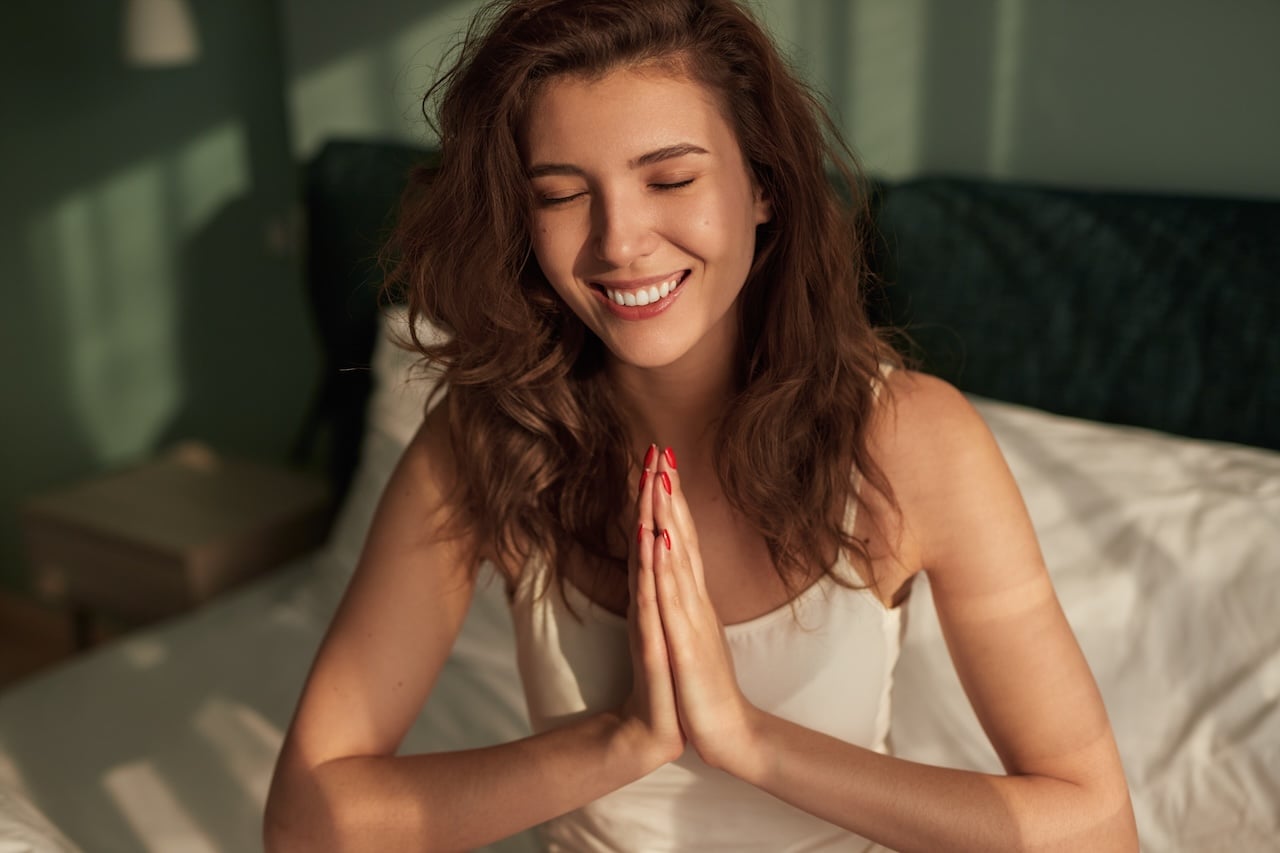
Why A Happiness Scientist Chooses A 4:30 Alarm
Brooks is not the serene monk you might imagine. On psychological tests he scores high in both positive and negative affect: big joy, big anxiety. Left to its own devices, his brain wakes up grumpy, scattered and looking for problems.
So he treats mornings like a mental styling session. The 4:30 alarm is his first hard choice in favor of long-term well-being over short-term comfort. That early “no” to the pillow sets up a string of yeses to habits that stabilise his mood for the rest of the day.
From Barcelona Night Owl To Pre Dawn Lark
The twist: Brooks did not start life as a lark. In his twenties he was a professional musician, spending years gigging late, including a stint in Barcelona. He went to bed when the city finally exhaled and woke up when the sun was already harsh and high.
There was alcohol, of course. Looking back, he jokes that he was not inherently a night owl, just “a musician who drank too much,” and that lifestyle kept him permanently welded to late nights. When he quit drinking and rebuilt his habits, early mornings stopped feeling mythical. They were still hard, but now they were possible.
Is Your Chronotype Really Destiny
Brooks loves the science almost as much as the suffering. Chronotype – the lark versus owl debate – is real and partly genetic. Roughly half of your preference is biology. The rest is habits, environment, work schedules, social life, what you drink, what you scroll.
His argument is not that everyone should morph into a 4:30 person. It is that most of us have far more flexibility than we claim. A late bedtime fuelled by streaming and wine feels like “my nature,” but it is often just a very consistent routine.
Inside Arthur Brooks Morning Routine
Wake Up Before Sunrise
Brooks gets up around 4:30 a.m., usually before first light. He borrows from the Vedic idea of brāhma muhurta – “the creator’s time” – that quiet slice before sunrise when attention and recall tend to be sharper. He still uses an alarm. He still thinks, I want to sleep longer. The point is that he gets up anyway, and lets that discomfort register as a win.
Move, Pray And Sweat Out The Negative Mood
Within minutes he is in the gym for roughly 60 minutes of strength training plus steady-state cardio. It is therapy in leggings form. Consistent morning exercise lowers stress hormones and depressive symptoms; for Brooks, it drains off that early spike of negative affect.
By around 6:30 a.m., he shifts into a spiritual practice. At home, that means daily Catholic Mass with his wife. On the road, it might be prayer, quiet reading or meditation. You do not have to share his faith to steal the architecture: some intentional stillness and transcendence before the email avalanche hits.
Fuel Your Brain, Then Guard Your Focus
Only after he has been awake for a while does he let himself have coffee. He wants his natural sleep pressure to clear first so the caffeine actually lifts him rather than papering over exhaustion. Breakfast is a high-protein, tryptophan-heavy situation – think Greek yogurt, whey, nuts, berries – to keep blood sugar and mood steady.
From around 8 a.m. until midday, Brooks goes into a strict deep-work block. No meetings, no notifications, no “quick” responses. This is when he writes books, columns and lectures. The early victory with the alarm has already told his brain who is in charge, so staying focused feels like following through, not starting from zero.
[fpvideo mediaid=”https://www.youtube.com/watch?v=uwXs0ACyMts&vl=fr” no_top_page=”yes” autoplay=”no”]
The Battle For 4:30 Starts The Night Before
Here is the unsexy part Instagram rarely mentions: a 4:30 wake-up demands a nine-ish bedtime. Brooks eats dinner early, takes a walk with his wife, leaves phones out of the bedroom and reads instead of scrolling. He has written about revenge bedtime procrastination – that late-night rebellion where you “steal back” me-time from tomorrow’s self by staying up too late.
His rule: protect your sleep window first, then move the alarm. Otherwise, a 4:30 start is not a victory. It is self-sabotage in athleisure.
How To Create Your Own First Victory Of The Day
Brooks is adamant that you do not need his exact schedule. You need his principle. A first victory is a small, repeatable act that feels slightly uncomfortable and clearly serves a goal you actually care about.
If 4:30 a.m. is incompatible with your life, try this menu:
- Set your alarm just 15 minutes earlier than usual and never hit snooze.
- Do a brisk ten-minute walk outside before checking your phone.
- Spend five minutes in silence – prayer, meditation or just breathing by the window.
- Write three lines of journaling about what would make today feel meaningful.
- Keep your phone out of the bedroom and make waking up without it your first victory.
What matters is the identity signal: I am a person who can choose long-term happiness over short-term comfort, first thing in the morning.
Who Should Skip The 4:30 Alarm
If you work night shifts, have a newborn or live with insomnia or certain medical conditions, forcing a brutal wake-up time is not brave. It is dangerous. Brooks would be the first to say the routine has to fit the organism.
Your version might be 6 a.m., or simply thirty minutes earlier than whatever “running late” looks like right now. Keep his sequence – wake with intention, move, find quiet, fuel well, then protect a block of focused work – and tailor the clock to your actual life. The victory is not the timestamp. It is the choice to start your day like you mean it.


