











Perimenopause can come with a whole host of symptoms, from brain fog to mood changes, depleted energy levels and more.
This happens because the production of sex hormones start fluctuating in the run up to menopause (where periods stop for good), usually taking place when a woman is between 45 and 55.
There are multiple treatments to help women with their perimenopause symptoms such as hormonal treatments, like HRT. But actually, your diet is something to take note of too.
According to nutritionist, Laura Jennings, eating well becomes particularly important during perimenopause because “fluctuating and declining oestrogen can affect bone density, muscle mass, body composition and cardiovascular and metabolic health.” And so we should consider eating a nutrient-dense diet. And there’s one in particular, that nutritionists tend to recommend…
The Best Diet to Support Perimenopause Symptoms
“While diet can’t prevent every perimenopause symptom, good nutrition provides the body with the nutrients it needs to navigate this period of hormonal change,” she adds. And so, she generally recommends a Mediterranean-style diet.
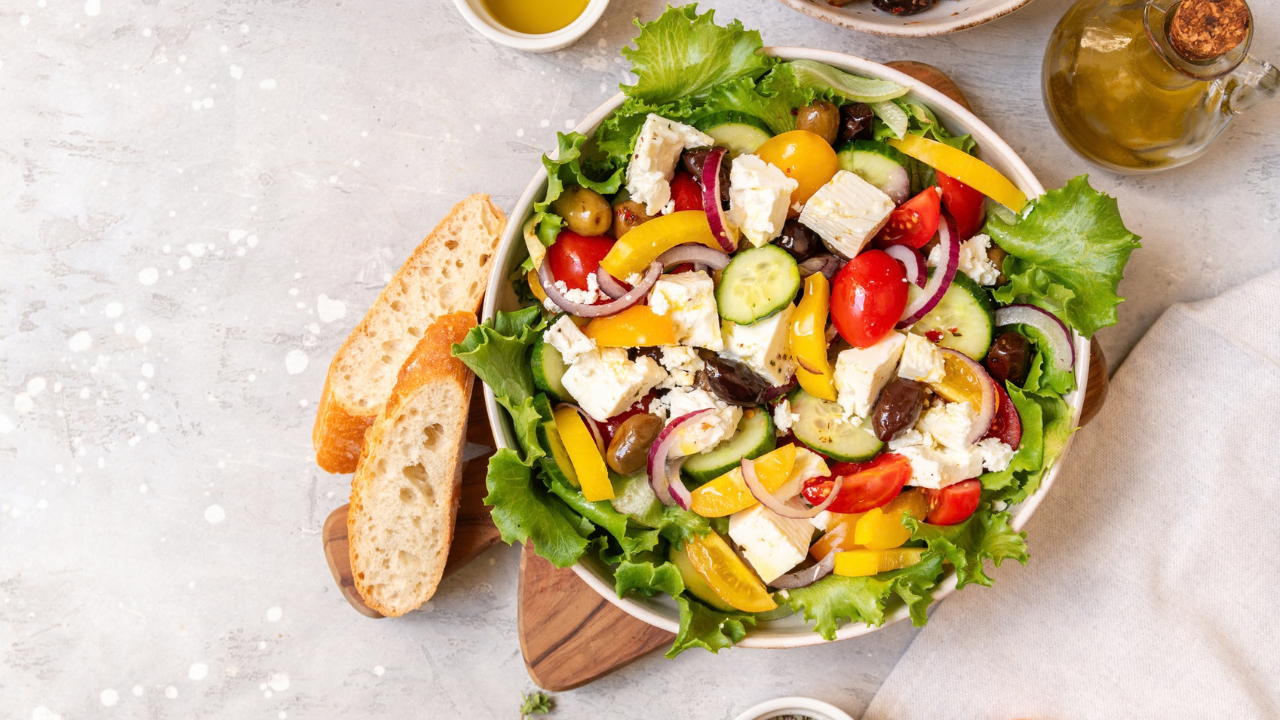
The Mediterranean diet is modeled from traditional diets of those who live in countries in Europe which border the Mediterranean sea. The diet is high in lots of fruits and veg, whole grains, nuts, seeds, legumes and oily fish, while minimising meat intake and anything too processed.
Research consistently finds this diet to be one of the healthiest out there, particularly for supporting longevity. This diet tends to reduce the risk of heart problems, several types of cancer and all cause early death.
Eating a Mediterranean diet has even been shown to support postmenopausal women with their bone health, cognitive decline and breast cancer — all of which can be affected by the declining hormone levels. Eating balanced meals can also help with energy levels, mood and your blood sugar regulation, and therefore, not make existing symptoms in these areas worse.
Which Foods Should We Focus on in Perimenopause?
Jennings says that the key foods we should be paying attention to during perimenopause are:
- Vegetables
- Fruit
- Wholegrains
- Legumes
- Nuts
- Seeds
- Extra virgin olive oil
- Oily fish.
“During perimenopause, I’d pay particular attention to protein to help preserve muscle mass, alongside calcium and vitamin D for bone health and omega-3-rich foods such as oily fish,” she adds.
You might also find soy foods such as tofu, tempeh and edamame can support with symptoms. These foods are naturally rich in phytoestrogens and contain isoflavones, plant compounds that can interact with oestrogen receptors, Jennings says. “However, research into their effect on symptoms such as hot flushes is mixed.”
Of course, it’s key to remember that perimenopause symptoms can differ from person to person and results will hugely vary. If you are concerned about symptoms, it’s best to speak to your doctor about your options.


