










Spanish
nutritionist Pablo Ojeda says canned sardines are among the most
anti-inflammatory foods, packed with omega-3s and key nutrients.
What could this humble pantry fish change in an American
anti-inflammatory routine?
Your chicest wellness upgrade this year might be hiding behind the dusty canned tomatoes and emergency beans. Not collagen powder, not eighteen-dollar adaptogenic granola, but a humble silver tin of sardines quietly waiting to rescue yet another late Tuesday night.
Spanish nutritionist Pablo Ojeda recently told La Vanguardia that canned sardines rank among the most anti-inflammatory foods you can eat and are loaded with omega-3s. Before you add a case to your Amazon cart, let us translate that headline into real-world, US-focused guidance: what canned sardines actually do in your body, how much you really need, and how to eat them in a way that feels more chic Mediterranean holiday, less sad desk lunch.
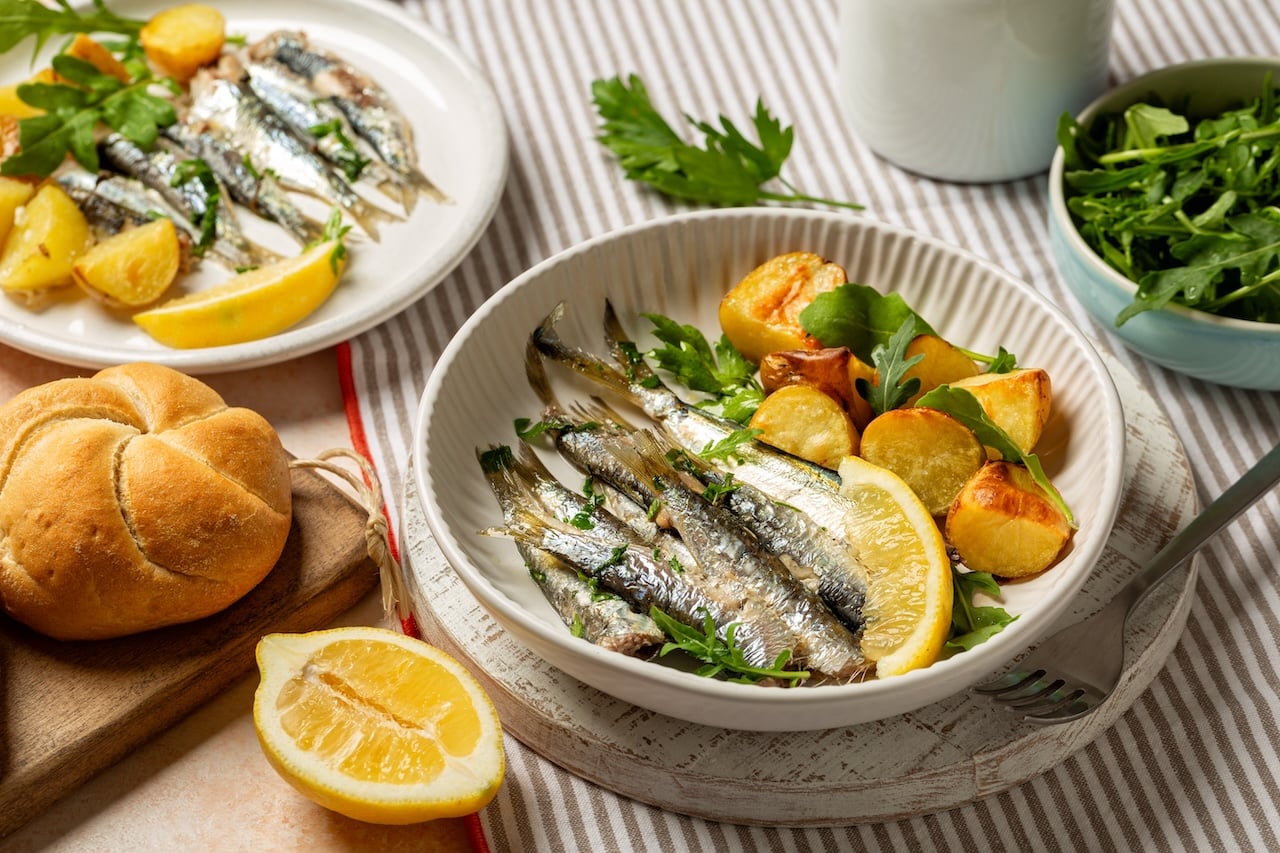
Why A Nutritionist Is Suddenly Talking About Canned Sardines
The Quote Heard Round The Pantry
“Canned sardines are among the most anti-inflammatory foods you can eat, and are packed with omega-3s,” Ojeda says. He is not being dramatic. A standard serving of canned sardines, about three ounces or half a typical tin, delivers roughly one gram of long-chain omega-3s like EPA and DHA, the same bioactive fats the National Institutes of Health connects to calmer inflammation and better heart health. Unlike your aspirational frozen salmon fillet, sardines ask nothing of you except a can opener and maybe a slice of bread.
What Makes Canned Sardines So Anti-Inflammatory
Omega-3s That Actually Move The Needle
Most Americans average only around ninety milligrams of EPA and DHA a day, which is far below what studies link to cardiovascular and anti-inflammatory benefits. One modest serving of canned sardines can give you around ten times that, in one go. Those omega-3s slip into your cell membranes and help your body produce compounds that dial down pro-inflammatory signals, the same chronic, low-grade inflammation tied to heart disease and certain types of arthritis. The Arthritis Foundation explicitly lists sardines, fresh or canned, among the fatty fish that support joint and heart health.
The Micronutrient Lineup Your Body Loves
Sardines are not just fish oil in snack form. Bone-in canned sardines bring serious micronutrient receipts: vitamin B12 for energy and red blood cells, vitamin D and calcium for bones, plus iron, selenium, and high-quality protein. Per roughly three-ounce serving, you are looking at more than a day’s worth of B12, close to a third of your calcium, and around a quarter of your vitamin D, based on typical Daily Values. For women who are juggling menstruation, stress, and maybe not-perfect sleep, that mix quietly supports oxygen transport, nervous system health, and immune function while you are simply eating on the couch.
How Much Canned Sardine Is Enough
Turning Guidelines Into An Actual Tin
The Dietary Guidelines for Americans suggest at least eight ounces of seafood per week, and the American Heart Association likes two servings of fish, especially oily fish, in that same window. If you translate that into pantry reality, one to two tins of sardines a week, each giving you roughly three to four ounces once drained, fits neatly inside those ranges. Rotate them with salmon, mackerel, or trout if you like, but you genuinely could make canned sardines your primary omega-3 workhorse and still stay within official advice.
When You Need To Be More Careful
Canned sardines are firm “yes, please” for most healthy adults, but there are caveats. If you have high blood pressure or heart failure, the sodium in many cans can add up, so go for lower-salt versions and talk to your clinician before turning sardines into a daily ritual. People who are pregnant or breastfeeding will appreciate that sardines sit on the FDA “Best Choices” list for low-mercury fish, but still need to stay within roughly eight to twelve ounces of total seafood per week. Anyone with gout, advanced kidney disease, or a history of fish allergy should check with a health professional before making enthusiastic, frequent sardine nights a habit.
Shopping For The Healthiest Tin
Oil, Water, Sodium, And Bones
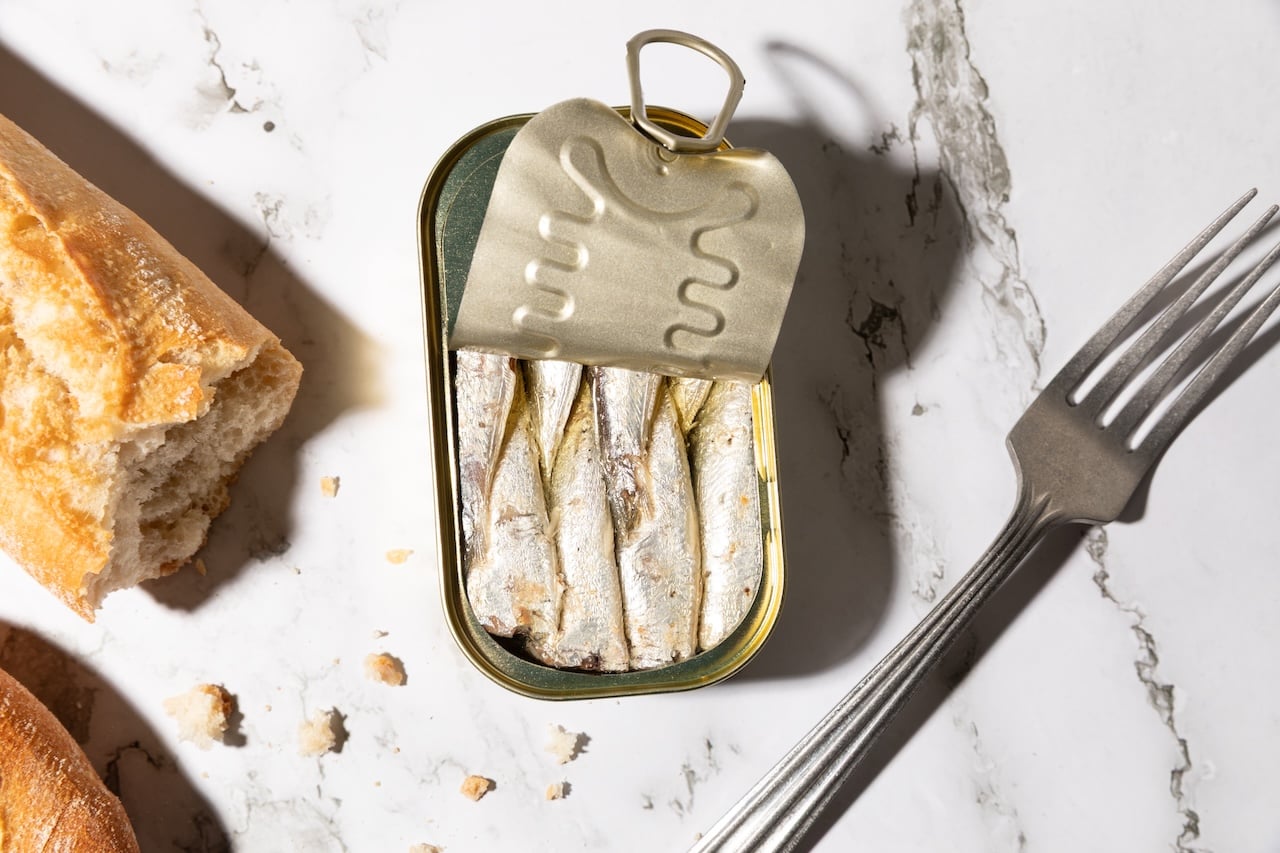
In the canned fish aisle, read labels like you are scanning a handbag care tag. Olive-oil-packed sardines bring extra heart-friendly fats and often better flavor; water-packed versions are lighter but can lean harder on salt, so check the sodium line and choose the lowest option that still tastes good to you. Bone-in sardines look intimidating but those tiny, softened bones are where most of the calcium lives, which is especially useful if you are not drinking much dairy. Boneless fillets are fine when texture is a dealbreaker, just know you are trading some mineral density for smoothness. The good news: because sardines are small, fast-growing fish, they are naturally low in mercury and generally a safer long-term choice than big predators like tuna.
Actually Eating Them Without Holding Your Nose
Five Easy Anti-Inflammatory Sardine Meals
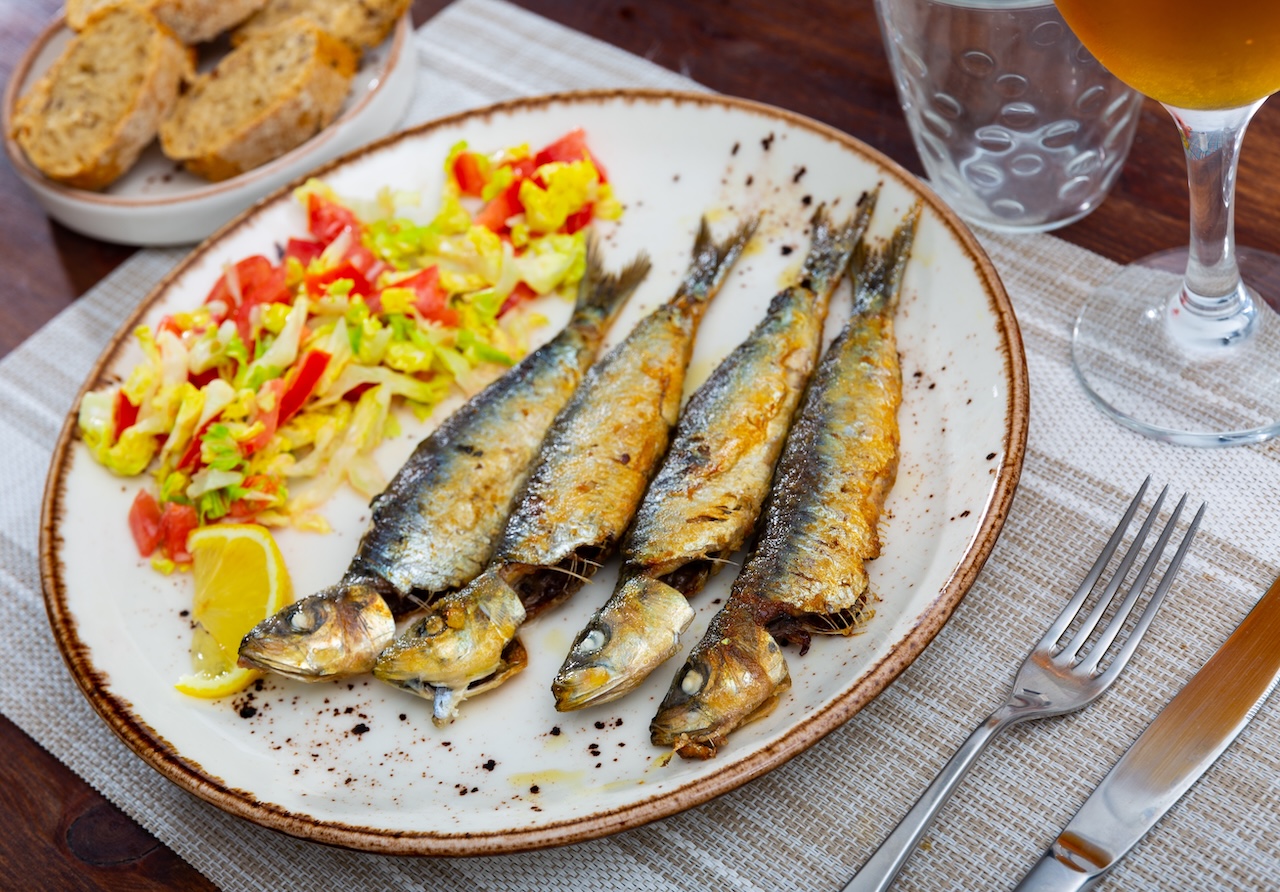
If your main sardine memory involves your grandfather and a very intense smell, ease in with dishes that balance their richness. Think Mediterranean, not punishment. Try any of these as weeknight templates:
- Whole-grain toast piled with mashed sardines, chopped tomato, lemon, and arugula, finished with extra-virgin olive oil.
- A warm lentil salad with spinach, sardines, red onion, and a mustard-lemon vinaigrette.
- Brown rice or quinoa bowl with roasted vegetables, sardines, and a drizzle of tahini sauce.
- Simple garlic-chili pasta finished with canned sardines, parsley, and a big side salad.
- Sardines mashed with white beans, herbs, and olive oil as a spread for crackers and crunchy raw vegetables.
Pairing sardines with leafy greens, whole grains, colorful vegetables, and olive oil stacks multiple anti-inflammatory moves on a single plate. Think of that little tin not as a weird pantry relic, but as a compact, affordable, low-mercury way to nudge your whole eating pattern closer to the science-backed, cardiologist-approved version of the Mediterranean fantasy.


