


Newsfeed
Beirut,
Let me begin speaking of you by evoking not a monument but scents – the scent of orange trees in spring, and that of pine needles piled up on the kitchen steps of our house when I was a child. I think of the entrance to Souk Ayass, where my father kept his shops, and of the roasted peanuts sold by the great Sudanese merchants who stood there in their robes and white turbans. You were loud then. El Balad – meaning ‘downtown’ – market was very loud and bustling. But my memories are more of the residential neighbourhoods where the seasonal vendors passed by shouting their wares. The glassware sellers, the ones who carried bundles of nylon tablecloths on their shoulders, draped like the togas of Roman senators. The loud, running inventory of each vendor’s goods as they passed through the street – that’s my sound memory of the Beirut of my childhood.
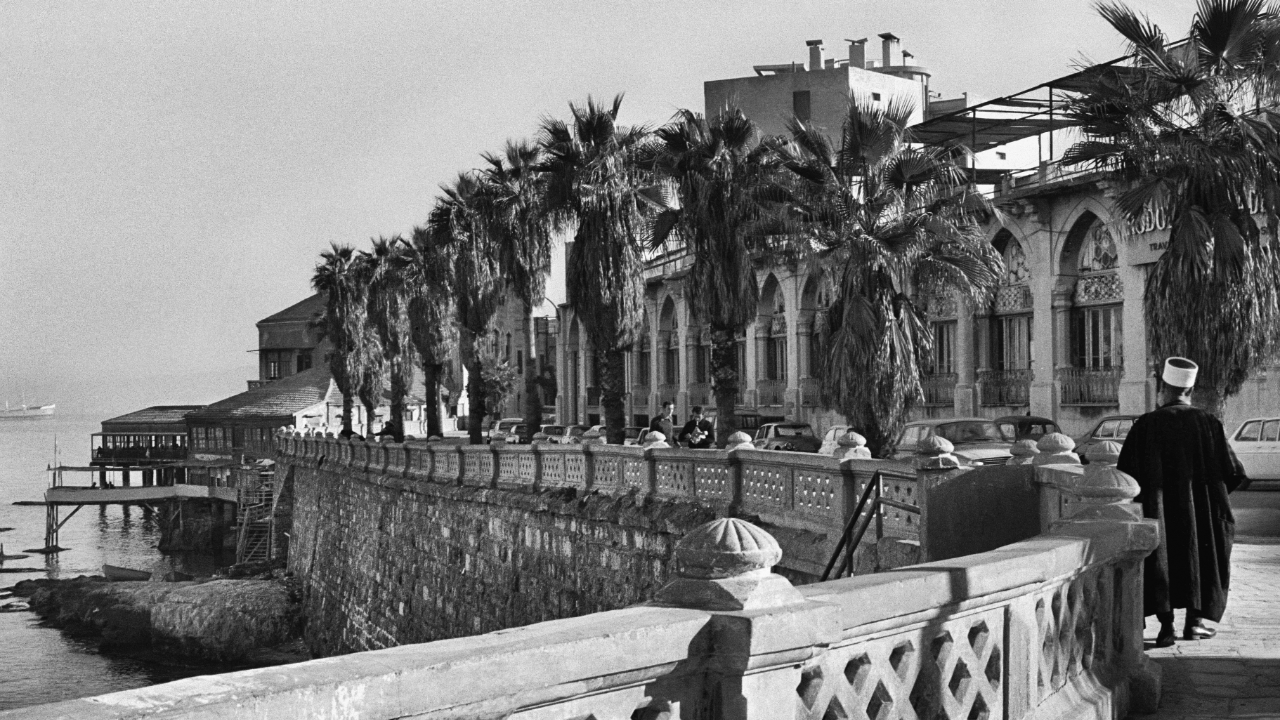
Which version of you do I miss most? The one that held everything at once – modernist buildings full of character standing among the old mansions that still kept their gardens, the grand staircases climbing to the doors of traditional houses, the way ours did. You were a low city then. Seven storeys felt dizzying to us.
Today, with the loosening of land-use ratios, your skyline is punctured with skyscrapers, and the urban fabric is completely shredded. Of that fabric, only two or three neighbourhoods have survived, permanently under threat.
And yet there are afternoons that never make the news but that are, to me, entirely you. Summer, when everyone has finished work and left for the mountains where their families are spending the season, and a bucolic calm settles over places that were, only hours before, frantic with life.
You come back to me as scent more than anything – orange blossom, jasmine, and the fulla, that small white flower so bound up with your image that I can no longer separate the two.
And you come back to me as people. My father’s vast family – my aunts and uncles, the old notables, the clan leaders and politicians of a bygone school. To me they are the Beirut I keep writing toward in my books, the Beirut that has half-vanished. But also my nanny, gone now, and the old concierge of our building, who held small afternoon gatherings with his friends in the garden, playing cards in the shade.
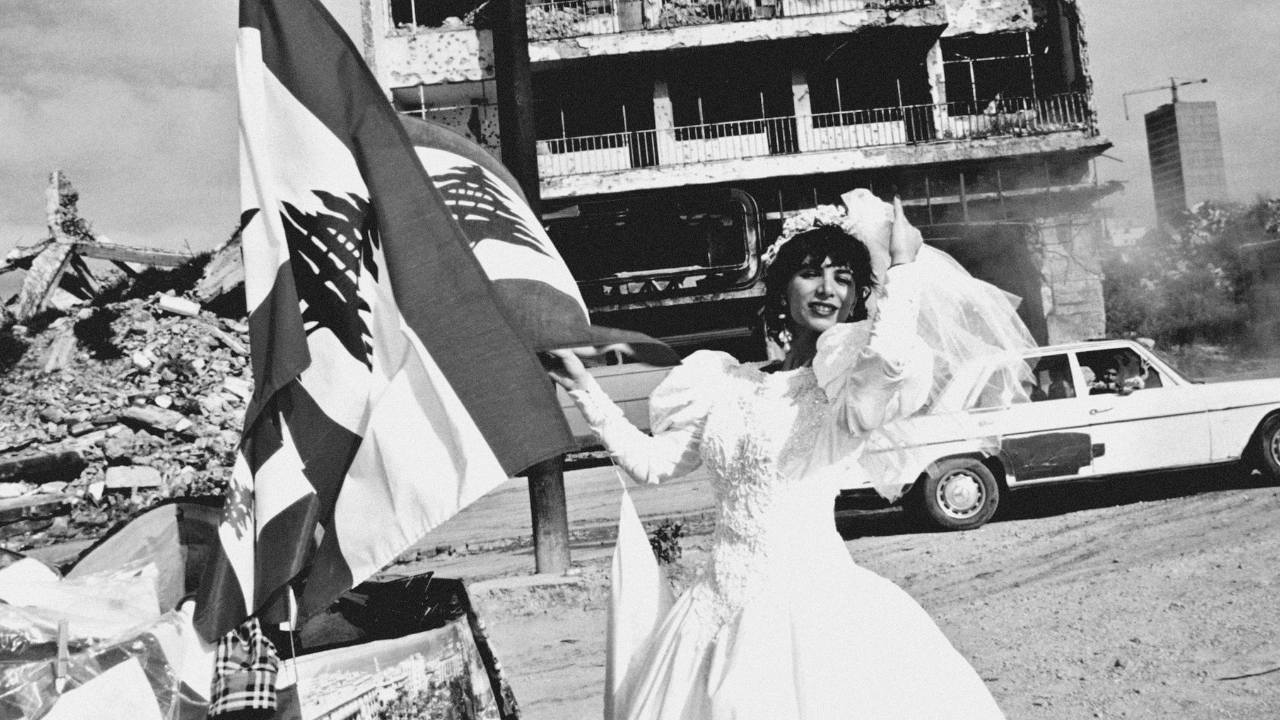
There are things I have never said to you plainly, so let me say them now. We damaged you badly. You could have rivalled – in beauty, in grace – the most magnificent cities of the Mediterranean, and we did not let you. And still I am grateful: for the way of life you keep offering us, the sweetness of your days, despite everything.
It is you who must forgive us – for the wars, for the endless speculations, for all the ways we have mistreated you across the years.


