



Newsfeed

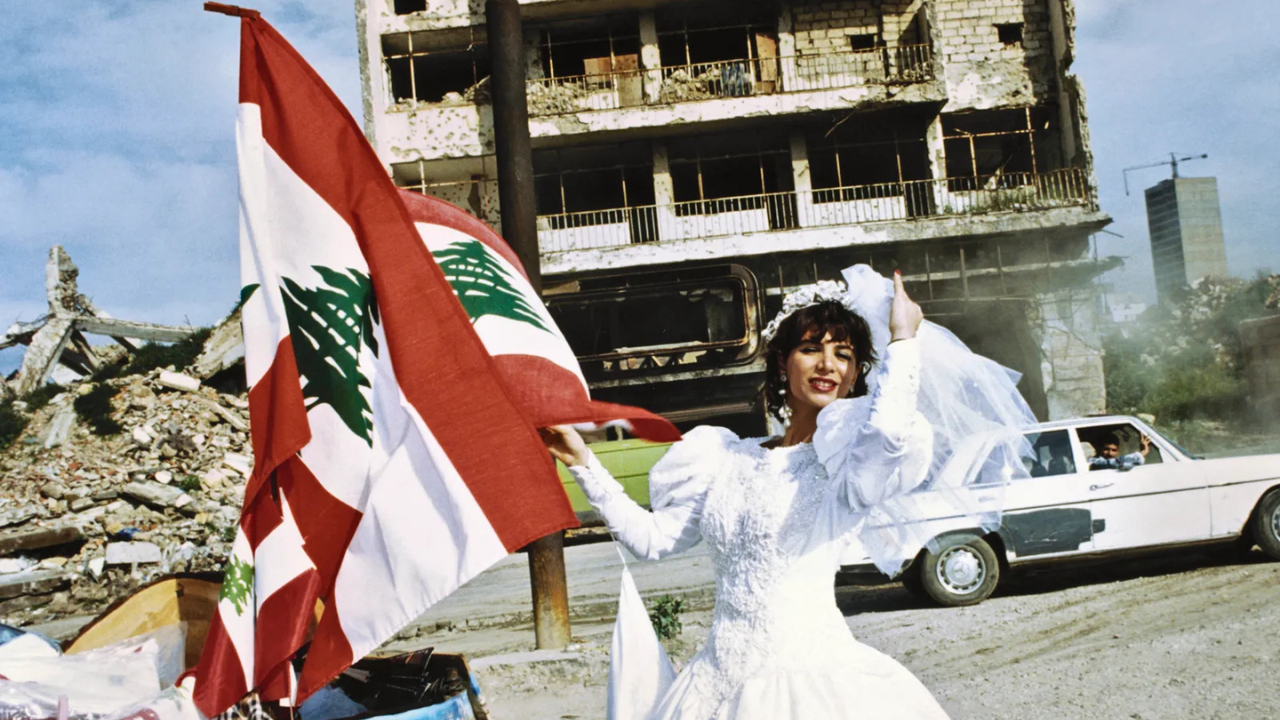
One city is never really made specifically by its land, but by its people, its history, and its creative spirit. And few cities carry that spirit quite like Beirut.
Mediterranean in its geography, yet Arab and Levantine in its soul, the Lebanese capital has spent centuries as a meeting point of worlds – a place of cafes and boulevards, artists and writers, life and joy. It is a heritage that too often slips out of view beneath the news cycle, and one that designer coffee table and luxury gifts brand Assouline now brings back to centre stage with a love letter to the city.
Titled Beirut Habibi, the book pays homage to the capital through the words of acclaimed Lebanese novelist and professor Charif Majdalani, alongside a collection of contemporary and archival imagery.
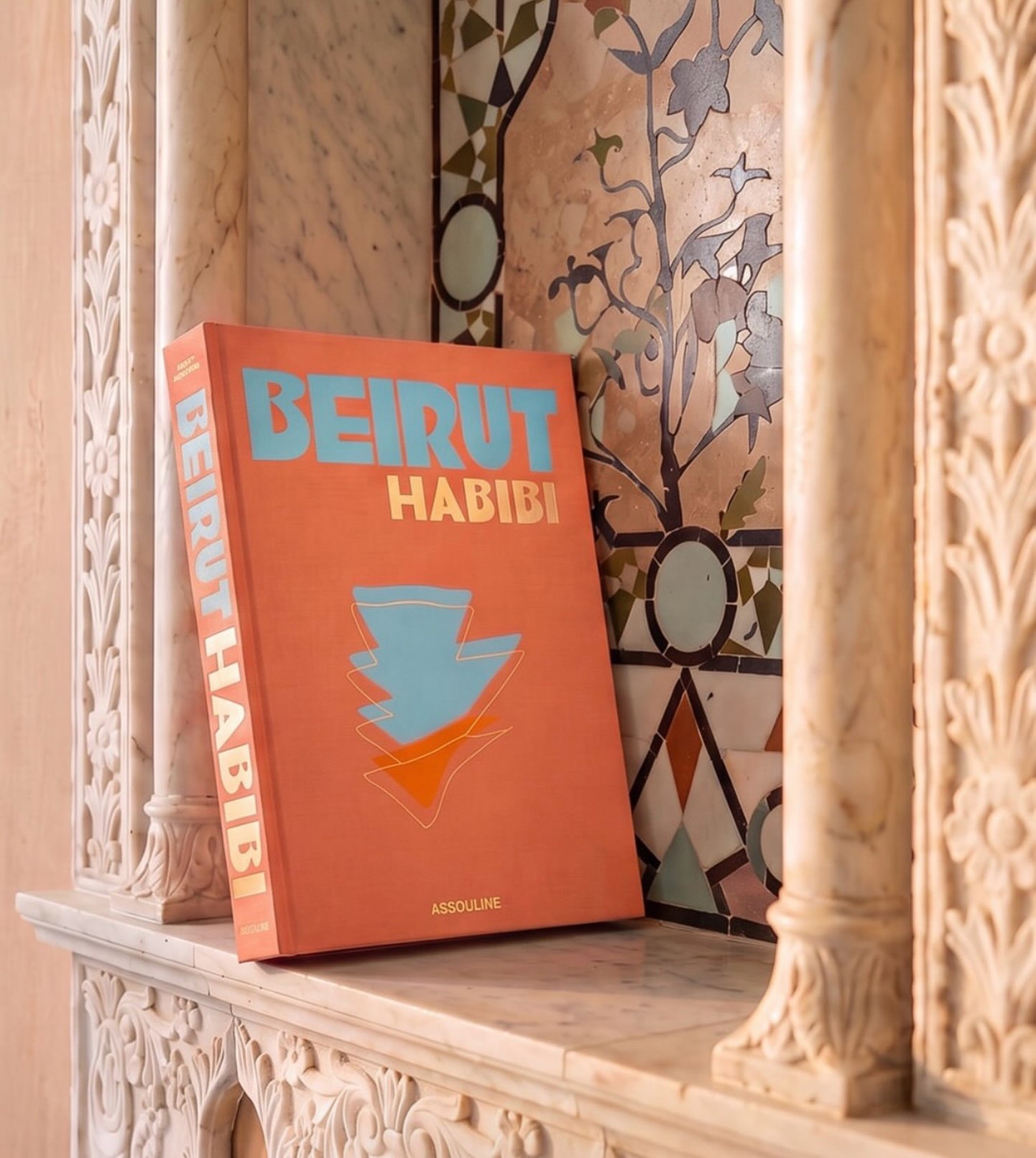
Majdalani holds a personal connection to the project. Born in Beirut in 1960, the author has written ten novels and published two essays in French, which have earned him multiple literary nominations and awards and his most recent book Le Nom des Rois, was nominated for the Goncourt Prize in 2025. He is currently a professor at Saint-Joseph University of Beirut, a columnist for La Croix, and the president of the International Writers’ House in Beirut.
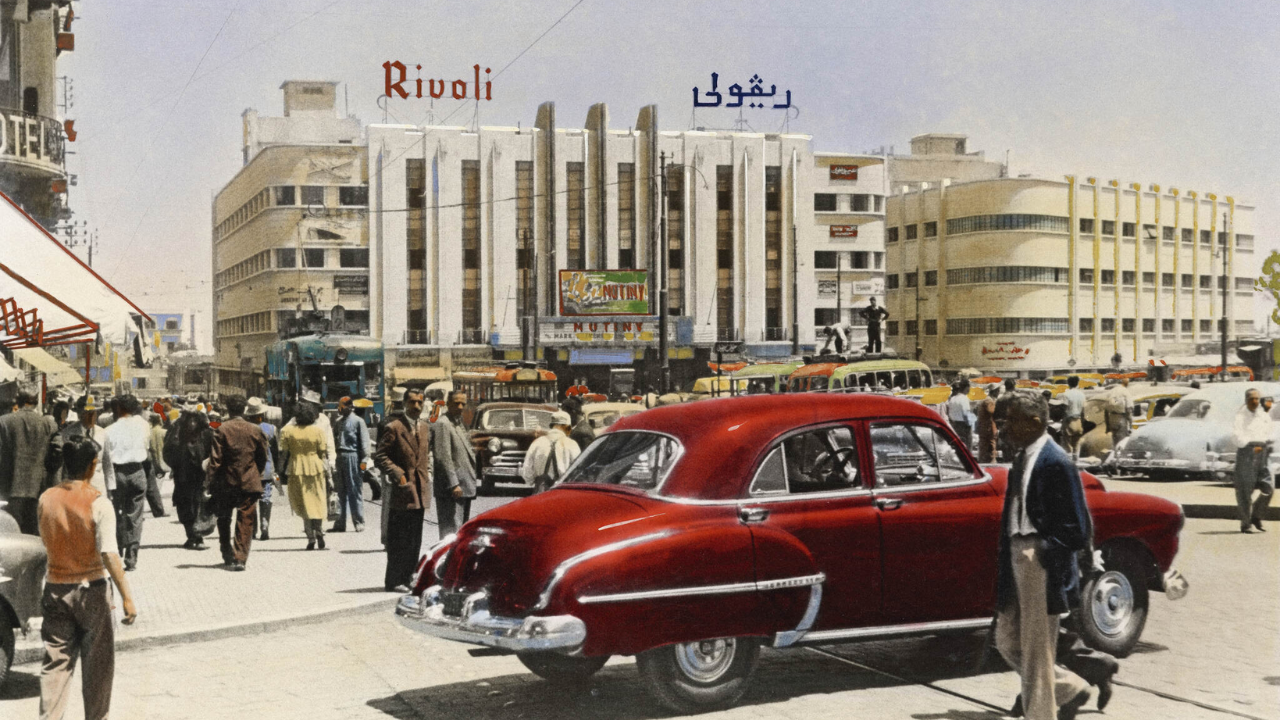
The book traces a city where East and West have met for centuries: a Phoenican port, Roman colony, Ottoman jewel and later a French mandate, each era has left a mark on Beirut’s architecture, customs and culture. That layered histroy runs through its archival photography from the Boleveard de Paris, Casino du Labin and waterfront cafes that drews an international crowd in the 1970s to the Places des Canons of the 1950s, then a hub of cinemas and coffee houses.
Smaller scenes capture the rhythm of everyday life, alongside landmarks such as the Sursock family’s historic palace, the streets of Gemmayze and the dramatic Raouché Rocks.
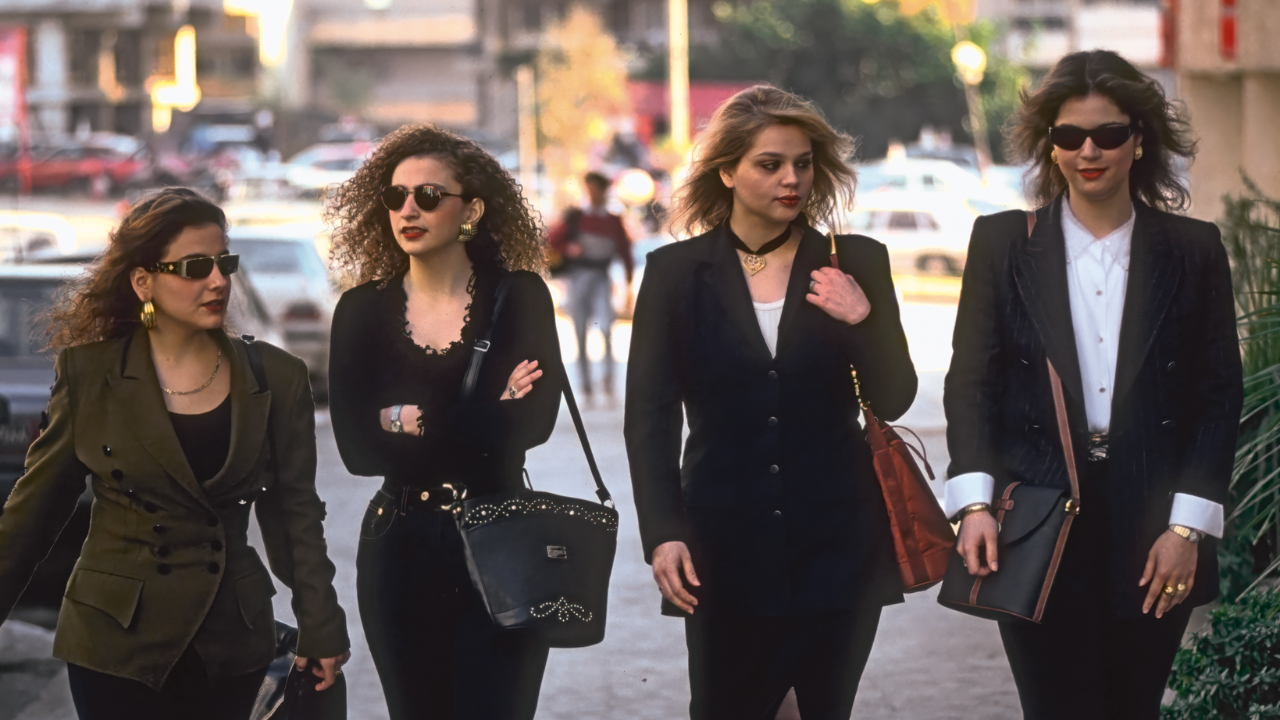
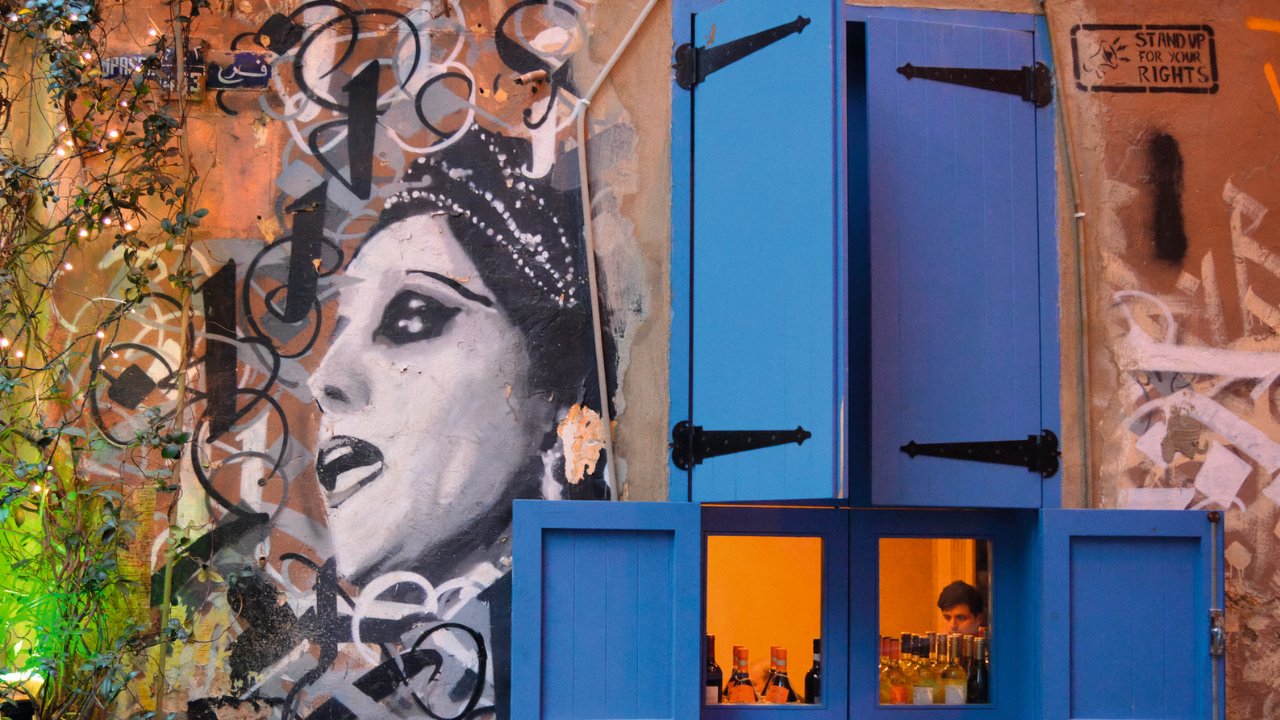
But the book refuses to simply leave the capital of Lebanon in its archives. Contemporary photographs – Elie Saab’s atelier, Yazan Halwani’s celebrated Fairuz mural in Gemmayze, galleries, cafés and boutiques – show a creative identity still very much alive and evolving.
That spirit also comes through in quotes from figures shaping the city’s artistic life today, among them jeweller Selim Mouzannar, designer Cynthia Merhej, and illustrator Yasmina Keyrouz, who wrote: “Beirut is and will always be my main source of inspiration, even with all of her flaws and chaos. I like to believe that I owe it all to Beirut.”
Beirut Habibi is not Assouline’s first ode to the Arab world either. The publisher has previously released titles dedicated to Saudi Arabia and the UAE, including Dubai Wonder and Riyadh Infinite, and now groups 26 books under its Middle East collection, spanning architecture, landscapes, crafts and cultural traditions across the region.


