










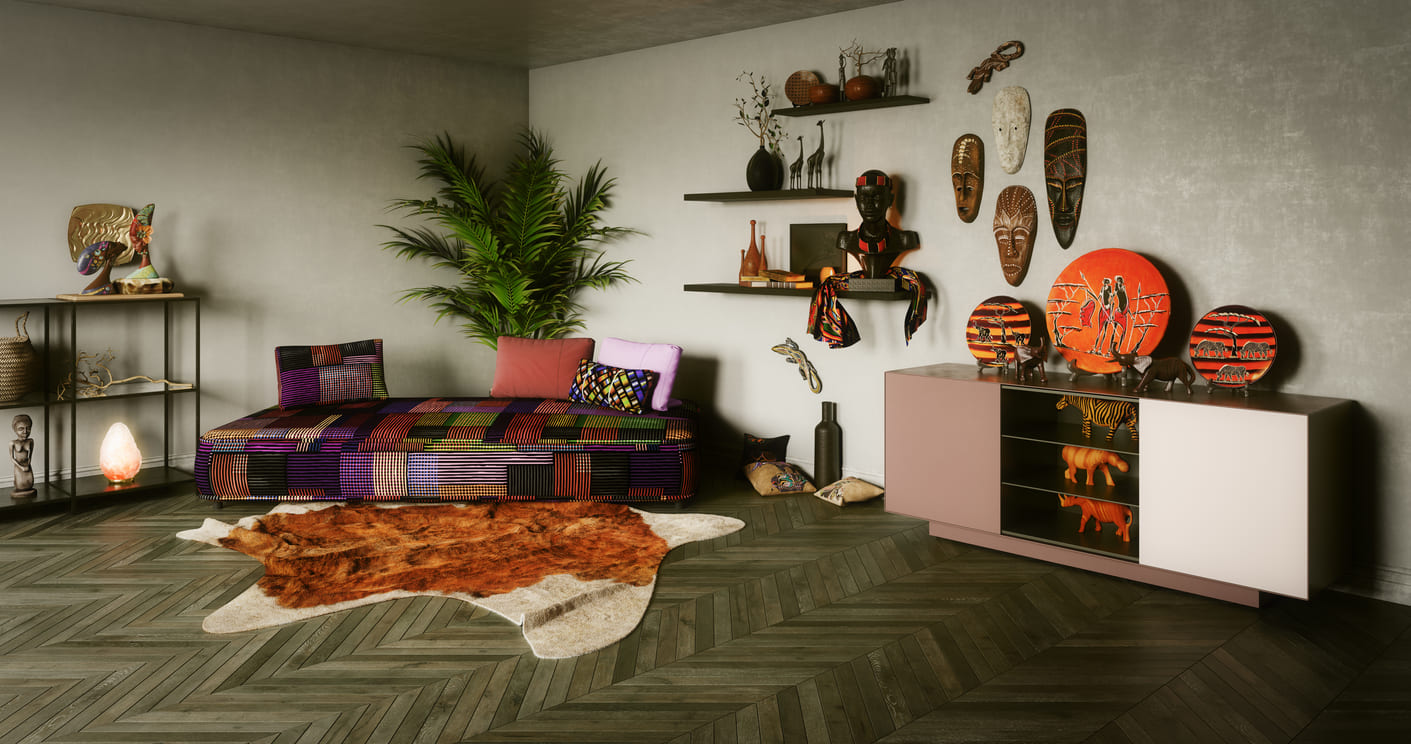
You have probably scrolled past dozens of living rooms that look nearly identical – the same neutral sofa, the same dried pampas grass, the same beige-on-beige palette that whispers “I saw this on Instagram.” Maybe you even live in one of those rooms and feel a quiet itch for something with more soul. The era of cookie-cutter interiors is losing its grip, and what is rushing in to fill the void is not another pared-back trend. It is something warmer, wilder, and far more personal – and it borrows its spirit from the most stylish person many of us know: our grandmother.
Why the polished look stopped feeling like home
For years, cottagecore held the interiors world in a gentle chokehold. Floral prints, antique finds, and cozy country-inspired charm made homeowners and social media users alike fall hard for its romantic vision of rural living. It was soft, muted, and carefully curated – every vintage touch placed just so.
But there is a difference between curated and cloned. As so-called “Instagram interiors” began to decline, a growing number of people started craving spaces that felt individualized rather than a copy-and-paste version of what they had seen online. Nostalgia still mattered, comfort still mattered – but where was the personality? Where was the room that could only belong to you?
That tension between loving the vintage warmth of cottagecore and wanting something bolder has given rise to a movement designers are now calling “granny cool.” And it is not a subtle shift. According to Etsy trend expert Dayna Isom Johnson, what we are witnessing is cottagecore evolving into something more expressive, taking familiar vintage influences and charging them with fresh energy.
The collected, characterful home takes center stage
Granny cool does not tear up everything cottagecore built. It keeps the antiques, the craftsmanship, the character. Then it cranks the volume. Richer colors replace muted palettes. Sculptural lighting edges out simple pendant shades. Playful patterns clash on purpose, and the overall approach to decorating radiates confidence rather than caution. Picture less quaint country cottage and more eclectic, collected home bursting with personality.
Interior designer Lia Gold, winner of the BBC’s Interior Design Masters, describes the movement as a timeless, maximalist approach that ages beautifully. In her view, it allows you to constantly layer over time – picking up new bits and adding them to a growing collection rather than starting from scratch every few seasons. The look pushes back against sterile minimalism, and it is not afraid to ruffle a few feathers doing it.
Nicky Emlick, creative director at Sofa.com, draws a clear line between the two aesthetics. Where cottagecore romanticized rural living through soft florals, muted palettes, and carefully curated vintage touches, granny cool is less polished and far more personal. Think of it as the striking, more outrageous sibling of “granny chic” – the grandmother who shows up to family gatherings in pink sunglasses and dyed purple hair. In interiors, that translates into traditional furniture given a bold, modern twist.
How to bring the look into your own space
If you want to experiment, designers suggest starting with one or two heritage-inspired anchor pieces. A timeless sofa or armchair in a classic silhouette works well, according to Emlick, who recommends gradually building character through patterned cushions, hand-crocheted throws, and vintage finds collected over time.
Helen Ashmore, senior design director at Laura Ashley, advises layering prints and patterns instead of matching them. Florals paired with checks or stripes in complementary colors create eye-catching interest, while furniture and decorative accessories in materials such as wood, velvet, and linen bring depth and character to a room.
Shelley Cochrane, accessories buyer at Furniture Village, notes that the aesthetic dials up the maximalist side and is defined by rich colorways and a bolder mix of patterns. Where a cottagecore look might combine floral patterns with pastel shades, granny cool might mix paisley and geometrics with dark wooden furniture in emerald greens and aubergine tones. The palette alone signals a different kind of confidence.
Adam Dugdale, creative director at Oak & More, encourages blending vintage finds with contemporary design, embracing unexpected combinations, and mixing classic furniture with playful retro influences. The goal is a home that feels collected, characterful, and effortlessly modern rather than overly styled or tied to a single trend. He adds that the most successful interiors tend to include inherited pieces, vintage finds, and treasured objects alongside newer purchases – those personal touches create a sense of authenticity.
What this means for how we decorate now
Granny cool satisfies two desires at once: a love of nostalgia and a hunger for self-expression. It keeps the throwback appeal of cottagecore and granny chic but hands decorators an exciting amount of freedom to make each space unmistakably their own. There is no single formula, no rigid checklist, and no pressure to get every detail “right.”
The takeaway is refreshingly simple. Your home does not need to look like anyone else’s feed. Layer what you love, collect as you go, and let the space evolve the way your grandmother’s living room always did – with warmth, character, and zero apologies.


