










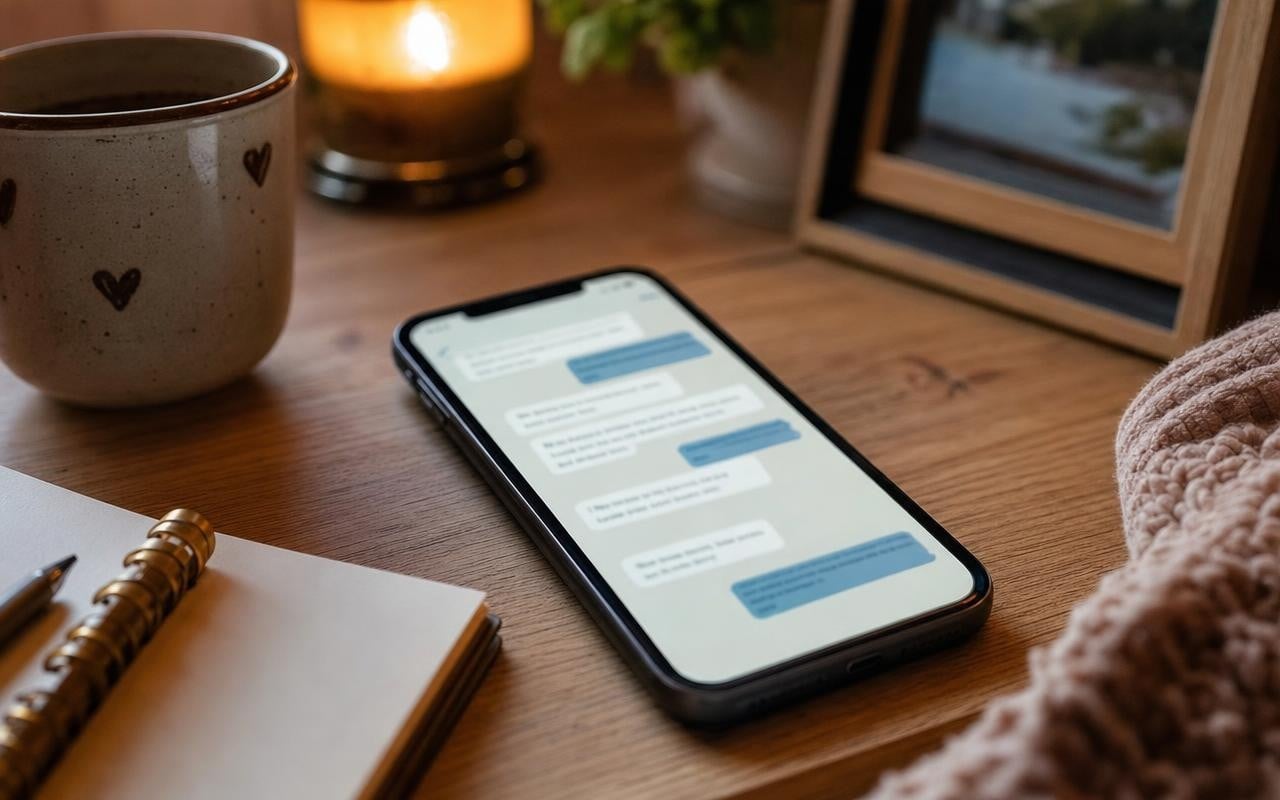
We all have that one message thread we can’t bring ourselves to delete. Maybe it’s a conversation with an ex, a birthday message from an old friend, or the last texts exchanged with someone we’ve lost. Years later, they’re still sitting on our phones, even if we rarely read them.
But according to psychology, holding on to old messages isn’t necessarily a sign that you’re stuck in the past. It can reveal something interesting about how you process emotions, preserve memories, and maintain your sense of identity.
Why Psychology Says We Hold On To Old Messages
One explanation is nostalgia. Research by social psychologist Constantine Sedikides and his colleagues suggests that nostalgic memories strengthen feelings of social connection, personal continuity, and meaning in life.
Old messages offer a particularly powerful form of nostalgia because they preserve conversations exactly as they happened.
A simple “Did you get home safe?” can remind you of a relationship that once made you feel loved. A forgotten group chat might bring back a period of your life you hadn’t thought about in years.
For some people, these messages provide emotional reassurance, particularly during periods of uncertainty or change.
Keeping Old Texts Can Reflect A Strong Sense Of Identity
Psychologists use the term self-continuity to describe our ability to feel connected to who we were in the past.
Old conversations can reinforce that connection.
Reading messages from five or ten years ago allows you to revisit previous versions of yourself, including your relationships, ambitions, insecurities, and achievements.
You might realize how much you’ve grown since a difficult breakup or remember the friends who supported you through a challenging period.
Rather than preventing you from moving forward, these digital memories can sometimes help you understand how far you’ve come.

Why Deleting Messages Can Feel Like Losing Something Important
Researchers Corina Sas and Steve Whittaker have explored how people emotionally connect with digital possessions, particularly following romantic breakups.
Their work suggests that photographs, emails, and other digital keepsakes can carry considerable emotional significance.
Deleting a conversation may therefore feel less like clearing storage space and more like erasing evidence of an important relationship.
For sentimental people, messages become a personal archive of experiences, relationships, and emotions.
Even conversations associated with painful memories can feel worth preserving because they represent meaningful chapters of someone’s life.
When Keeping Old Messages Becomes Unhealthy
However, there’s a difference between preserving memories and repeatedly reliving the past.
Someone who occasionally revisits old conversations with affection may find the experience comforting.
But constantly rereading messages from an ex, searching for hidden meanings or imagining different outcomes, can encourage rumination.
This repetitive thinking can make it harder to process difficult emotions and move forward.
The important distinction is how those messages make you feel afterward.
Do they leave you feeling grateful and connected to your past? Or do they trigger anxiety, sadness, and unresolved questions?
Should You Delete Your Old Conversations?
Psychology doesn’t suggest that everyone should delete their message history.
Instead, researchers studying digital possessions highlight the value of intentional decisions about what to preserve and what to remove.
You might keep meaningful exchanges with loved ones while archiving conversations that repeatedly cause distress.
Ultimately, keeping old messages isn’t automatically a sign of emotional attachment or an inability to let go.
Sometimes, it simply reflects a desire to remember the people, experiences, and relationships that helped shape who you are today.


