










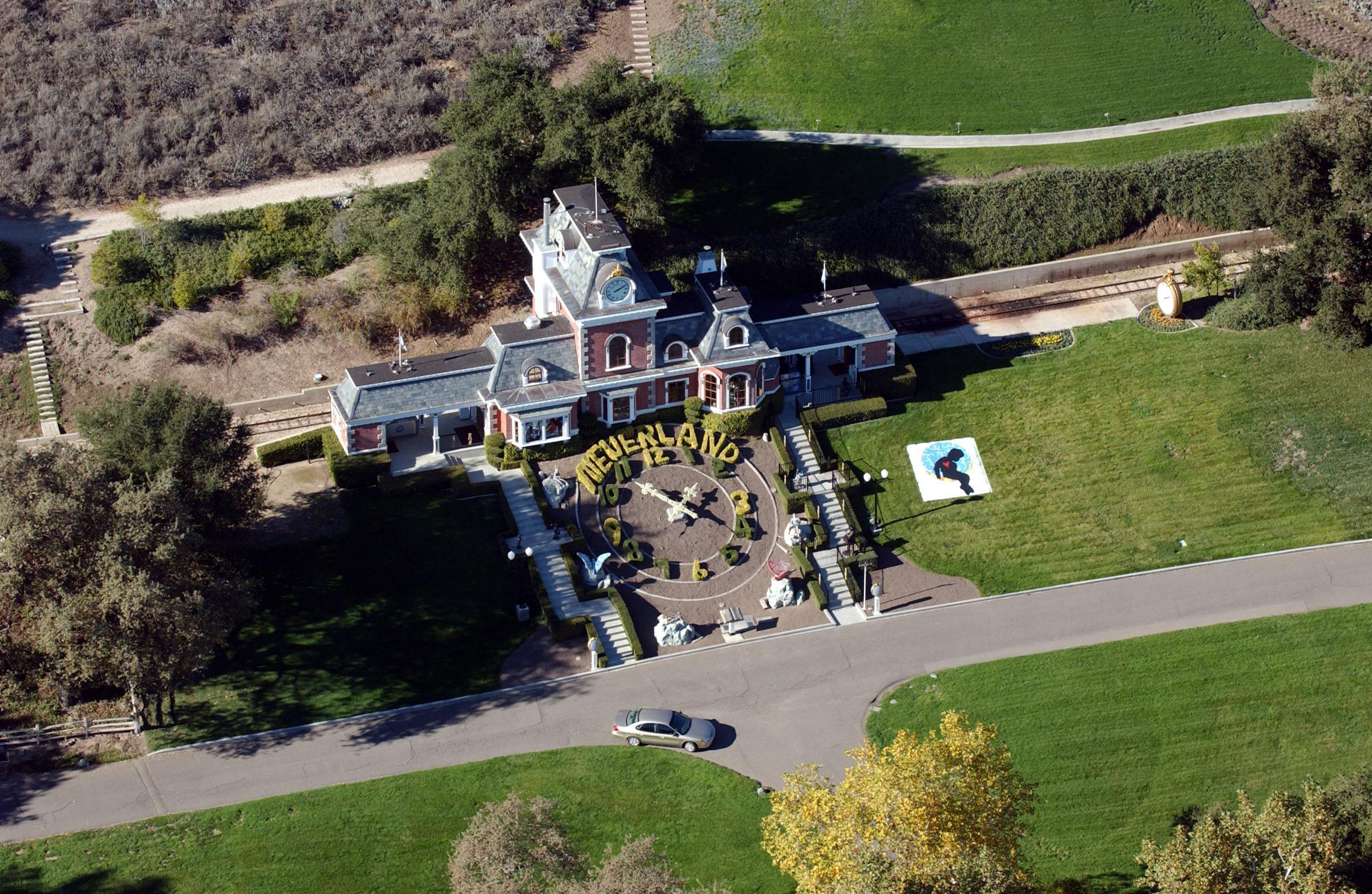
From the outside, Neverland Ranch was the ultimate only-child fantasy: a private Ferris wheel turning above the oaks, a zoo in the backyard, its own movie theater tucked into the hills of Santa Barbara County. When Michael Jackson bought the sprawling estate in 1987, the story practically wrote itself – the most famous man on the planet building his own Disneyland and then having kids to enjoy it with.
Except, according to Paris Jackson, that is not at all how it worked. On a recent episode of Alex Cooper’s podcast Call Her Daddy, the singer and model peeled back the Peter Pan curtain and described a childhood that was far more rulebook than roller coaster, even inside one of the most talked-about properties in pop culture.
Neverland Ranch Looked Like Every Kid’s Dream
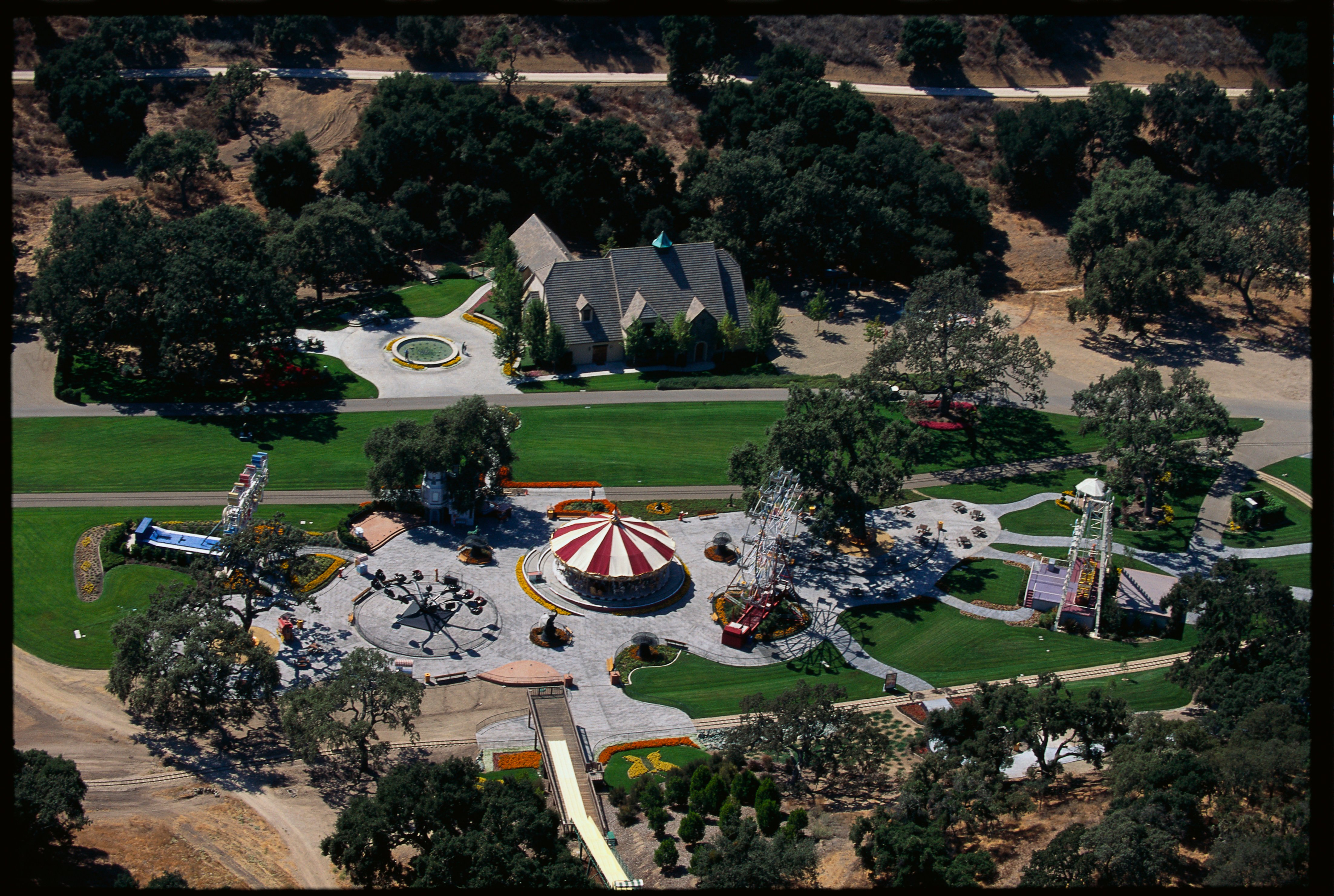
Neverland started life as a regular, if massive, ranch in Los Olivos, north of Santa Barbara. Built in 1982, the Normandy-style main house clocks in at 12,598 square feet, with six bedrooms, seven full bathrooms and two half baths. Jackson snapped it up in 1987 for a reported $19.5 million, then spent the next decade plus reshaping the roughly 2,700-acre spread into a storybook compound.
Under his ownership, the property ballooned into a small village: up to 22 structures at one point, including a full-size movie theater, three guesthouses, barns and animal shelters, a 4-acre lake with a waterfall, a pool and poolhouse, tennis and basketball courts, plus that private amusement park stocked with rides. Landscaping even spelled out “Neverland” in giant letters, in case anyone forgot the Peter Pan reference.
Paris Jackson Says She Did Not Actually Grow Up There

Given that backdrop, it is easy to picture Paris, Prince and Bigi having the keys to their own theme park. Paris is quick to correct that fantasy. Born in 1998, she spent only her earliest years at Neverland before Jackson left the ranch in 2005. She told Cooper she does not consider that “growing up” there, stressing that her memories are of routine, not permanent carnival.
Her school days, for instance, looked surprisingly familiar. Paris recalls waking up, walking down the hall and stepping into a dedicated classroom on the property. She and her brothers were homeschooled, expected to sit at desks and work through lessons like any other kids, just with mountain views outside the window. Neverland, in her telling, was less romper room and more very fancy campus.
The Strict Rules Behind The Fantasy
What really shaped her childhood, Paris says, was a single through line that started at Neverland and followed her everywhere: chores and homework first, fun later. The deal was simple. If the kids behaved, finished schoolwork and did household tasks, then on weekends they might be allowed to see the animals, ride a few rides or watch a movie in that famous theater. The Ferris wheel was not a Tuesday activity.
She also learned early that, technically, the fun stuff was not for them at all. Paris recalls her father making it “very, very clear” that the zoo and rides existed for underprivileged and terminally ill children who could not easily get to places like Disneyland. His own children were guests in that world, not owners. It is a jarring detail: the most photographed carousel in celebrity real estate, and his kids treating it almost like borrowed equipment.
Screens were even more tightly policed. Paris has said they were generally not allowed to watch TV, with rare exceptions for weekends or when they were studying film with the sound off. In a house with a 5,500-square-foot theater, movie night still had to be earned. Years earlier, in a Rolling Stone interview, she described the same system, explaining that they could not just wander into rides or screenings whenever they felt like it. The new podcast appearance mostly confirms, rather than revises, that strict playbook.
How The Rules Followed Her Far Beyond Neverland
After Jackson left Neverland in 2005, the fantasy ranch effectively froze in time. The family did not. Paris remembers “hotel-hopping” and rarely staying in one place for more than a year, but the discipline traveled with them. In Las Vegas, the bargain became, if you are good and do everything you are supposed to, maybe you get Circus Circus on the weekend. In some random corner of Virginia, the same effort might buy you Chuck E. Cheese.
Even the famously odd detail of the children wearing masks in public fits that logic. As Paris has described elsewhere, her father framed the face coverings as the price of future normalcy: cooperate now, stay anonymous, and later you can go bowling or hit the arcade without being mobbed. It was the same pattern as Neverland’s rides and zoo, just applied to privacy. Looking back, she still calls Michael her best friend, the parent who insisted on chores and school before carousel rides. For the rest of the world, Neverland will always be shorthand for excess. For his daughter, it is the place she first learned that nothing – not even a private theme park – came without rules.


