










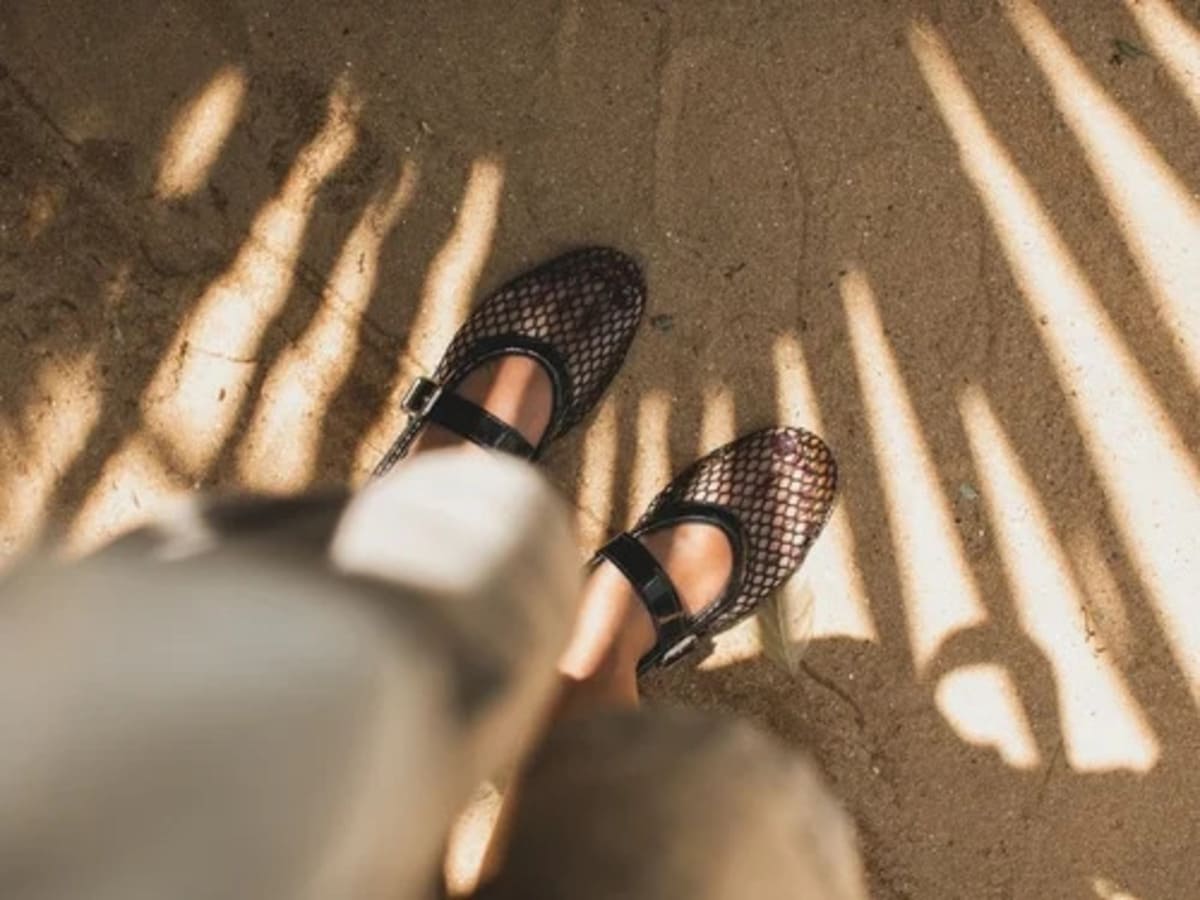
You have probably done it dozens of times without thinking twice. The sun comes out, temperatures climb, and you grab the lightest, thinnest pair of shoes you can find because all that matters is staying cool. It feels instinctive – almost logical. But according to a foot specialist, that very instinct is the reason so many of us end up with aching arches and sore soles long before summer is over. The real trick to warm-weather footwear is not about going minimal; it is about finding the sweet spot between support and breathability.
Why flimsy summer shoes are setting your feet up to fail
San Diego-based podiatrist Dr. Fawzy Ibrahim pinpoints the single biggest error people make when shopping for summer shoes: choosing pairs that are too flimsy and lack adequate support. It sounds simple enough, yet the market is flooded with flat, paper-thin sandals that offer virtually nothing in the way of cushioning or structure. And we keep buying them.
The issue goes beyond comfort. Summer typically means increased activity – more walking, more exploring, more time on your feet in general – and with that uptick comes a greater need for support. So why do we keep reaching for the least supportive options in the store? Part of it is habit, part of it is aesthetics, and part of it is the assumption that warm weather demands barely-there footwear.
Ibrahim’s general recommendation flips that assumption on its head. Instead of thin and flexible, he advises looking for shoes that are thick-soled and come with built-in arch support. A good shoe, he explains, should have a thick sole, plenty of cushion, and some rigidity without being overly stiff. You do not want something as rigid as a boot, because that can block natural movement. The goal is structured flexibility.
What to actually look for – from sandals to sneakers
If you are a devoted flip-flop wearer, this next part might sting a little: traditional flip-flops are mostly a no-go, according to Ibrahim. They simply do not deliver the thickness or arch support his patients need. Instead, he points to brands like Birkenstock and Oofos, noting that many of his patients praise Birkenstocks in particular for being very comfortable and supportive. These are sandals that bring a contoured footbed and genuine cushioning to the table – a far cry from the dollar-store foam slides gathering dust by the back door.
When it comes to sneakers, Ibrahim highlights mesh uppers as a smart choice for hot-weather months. Mesh sneakers offer more breathability and comfort because they are not as rigid in the forefoot, which matters enormously on an 80-degree day when a tight leather shoe would feel suffocating. Among sneaker brands, he specifically recommends Brooks, Hoka, and On for their balance of cushioning and support.
There is one quick test he suggests you do in the store: try to bend the shoe in half. If it folds too easily, that usually signals a lack of cushioning and often means the shoe is not supportive enough. A little resistance is a good sign – it means the sole has enough structure to actually protect your foot through a full day of summer activity.
Toe room, dressier options, and the APMA seal
Beyond sole thickness and breathability, Ibrahim stresses one more detail that is easy to overlook: toe-box width. He recommends avoiding anything too flimsy or narrow, and instead opting for wide toe-box shoes with adequate cushioning and support for daily use. If your toes feel squeezed, you are setting yourself up for discomfort no matter how much arch support the shoe provides.
For those moments when sneakers or chunky sandals do not fit the dress code, Ibrahim mentions Cole Haan as a brand that strikes a nice balance of style, comfort, and support. It is proof that looking polished and keeping your feet happy are not mutually exclusive goals. Brands like Vionic also offer ballet flats and platform sandals designed with the same foot-health principles in mind.
One final detail worth noting: Ibrahim suggests looking for shoes that carry an APMA seal, which stands for the American Podiatric Medical Association’s seal of acceptance. It is an easy shorthand for knowing a shoe has been evaluated for foot-health standards, and it takes some of the guesswork out of shopping. He also acknowledges that footwear is subjective and some brands may feel comfortable to some and uncomfortable to others, so personal fit still matters.
The bottom line on smarter summer footwear
The takeaway here is refreshingly straightforward. Summer shoes do not need to sacrifice support for the sake of looking or feeling light. Thick soles, arch support, breathable materials, and a roomy toe box – these are the non-negotiables that a podiatrist wants you to prioritize. Spend a bit of extra time evaluating your next warm-weather purchase instead of grabbing the first breezy pair you see. Your feet carry you through every sun-soaked adventure this season; giving them the right foundation is the least you can do.


