



Newsfeed

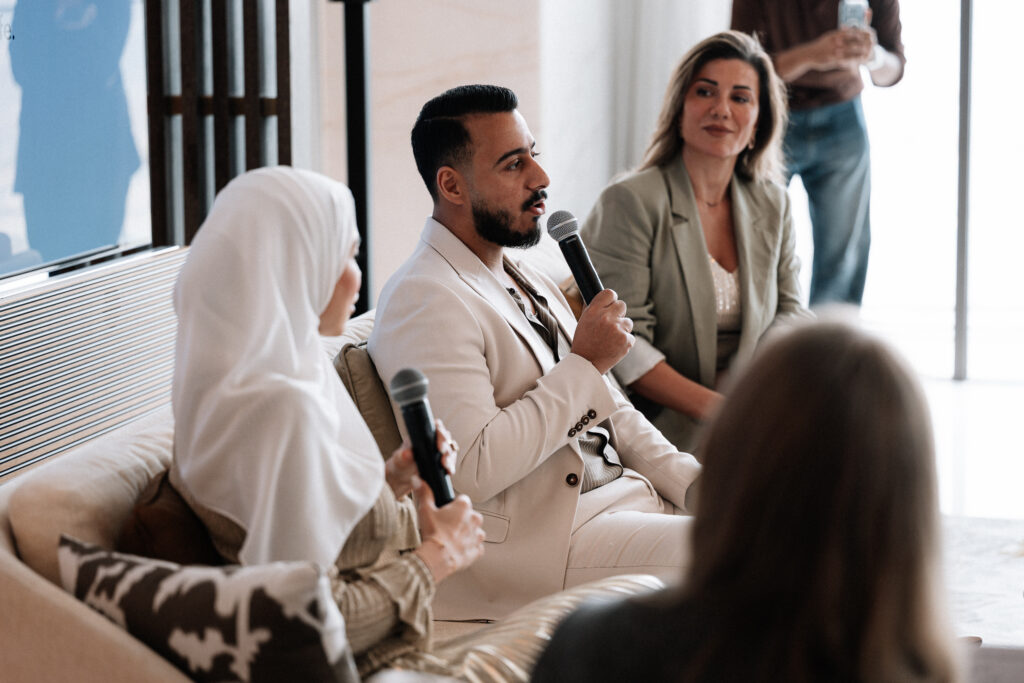
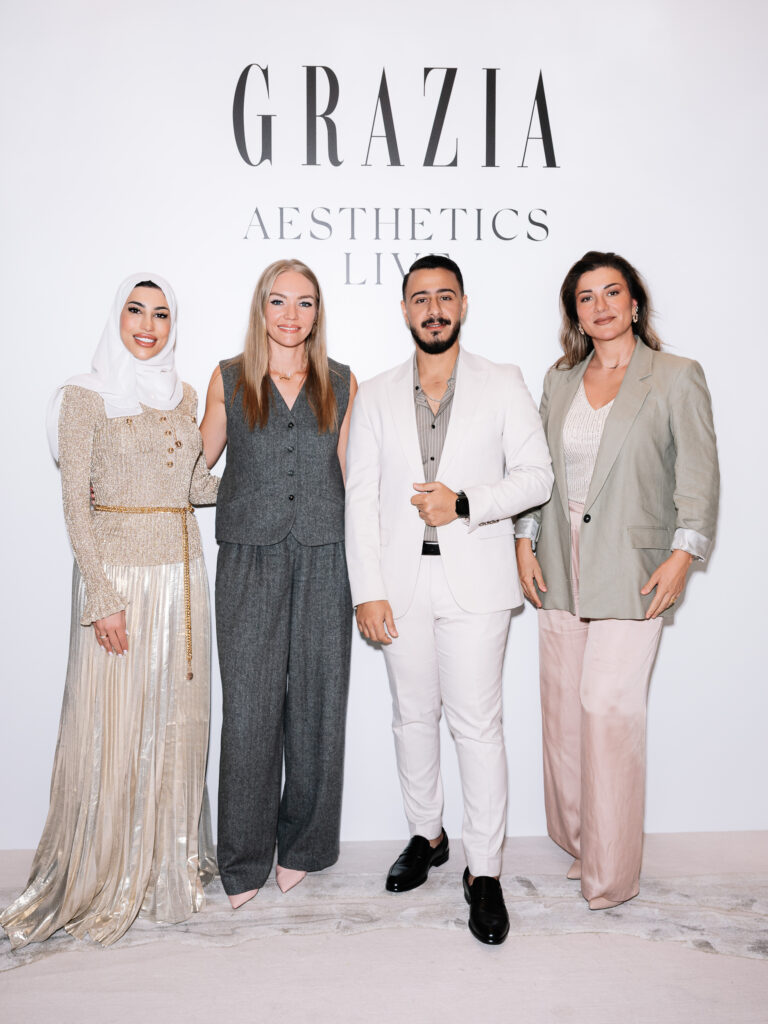
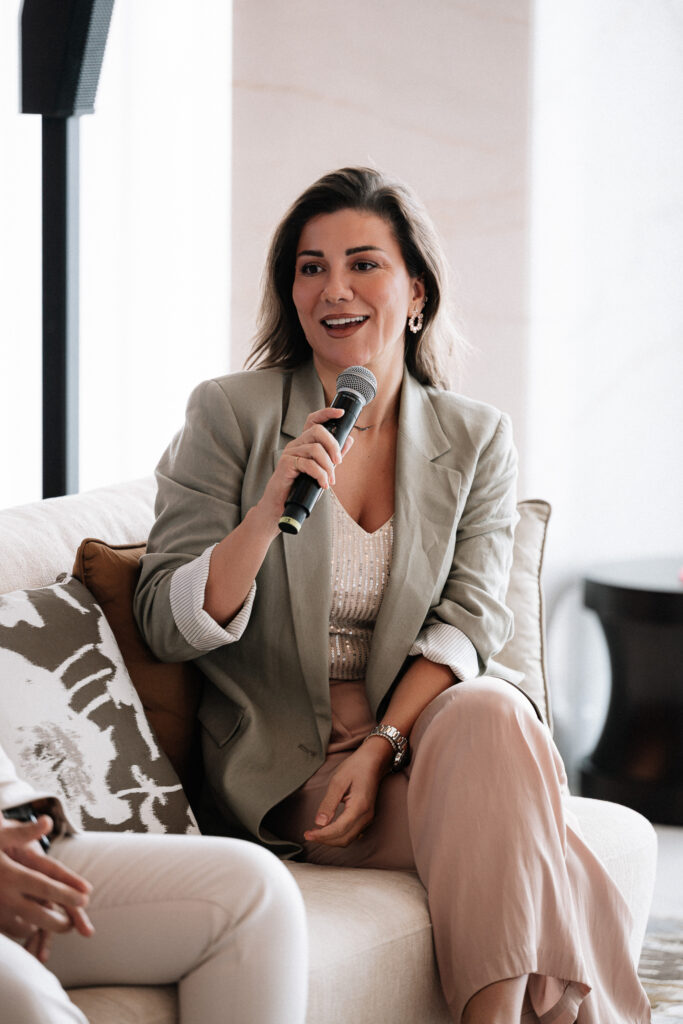
This panel from GRAZIA Aesthetics Live brings together three pioneers – Dr. Amina Nabil, (AN), founder of Les Vogue Experts Clinic, a top anti aging specialists in the region Dr. Asad Al Ghabban (AG) from Charisma Clinic, and Manal El Hage (MEH), who is a content creator and an beauty expert. GRAZIA Editorial Director, Milli Midwood (MM), sat down with them to discuss working at the intersection of aesthetics and wellness, and exploring how consumer demand is shifting towards results-driven, holistic solutions.
MM: Injectables have really dominated the market over the last few years, but there seems to be this shift towards a more integrated approach. What do you think has driven this?
AG: Nowadays people are more educated, and social media plays a big role in that. When people come to the clinic they have already read about any treatment that you might suggest. They already know about it. And especially the new generation, they are focusing more on how your skin will look instead of just fillers and Botox in general. It’s not about only what you inject, it’s about how you start from your kitchen – literally from your kitchen, because everything you eat will reflect on your face. The face is just the mirror, and people understand that now.
AN: More recently, people want something which is very natural. They want to enhance their beauty – not changing their features. As Dr. Asad said, we start from the skincare and looking at the lifestyle before we move onto Botox or fillers. A lot of people come in the clinic and ask what kind of longevity treatments we offer, but its really about starting from inside that would reflect on your outside. Then we look at individualised skin treatments, like skin boosters, stimulators, hydrating treatments, and collegan-enhancing treatments.
AG: I agree with you, because if you’re talking about skin boosters, people can get that from hydration and from drinking water. If you don’t drink enough water, the skin booster won’t give you the result that you’re expecting. They will last longer if you drink more water. Number two, if you have a deficiencies in your vitamins, you will never see the full results from any injection or procedure. I also reccomend to not listen to doctors that just listen to you. A lot of times you’ll want something that’s not right for you or suitable for you, it’s not going to give you any result, so do you research on the doctors, too.
MM: Manal, As someone who works closely with Boots, where do you think the bridge happens between medical grade and consumer skincare?
MEH: The skin is the largest part of our body, and we need to take care of it. That’s why now, at Boots, you can find all kinds of creams, products, skincare, and haircare. And the good part is that they talk to each generation. Gen Zs want to care take of their skin, which is great! They are thinking about prevention already. At the pharmacy they can find all kinds of treatments and products that are shown to them in an educational way. There’s also great products for Millennials – No7 has released a product called Prime Forever, which works for every age. Nowadays we’re seeing a lot of teenagers, like 13 or 14 years of age, asking for Botox because they’ve seen one smile line under their eyes. But at a pharmacy like Boots we try and educate them first to choose the right product, like maybe offer them an SPF.
AG: Skincare is a mandatory thing. Homecare is a mandatory thing. I can’t just fix everything in the clinic – you have to take care of your routine at home, because we can’t stop ageing, we can just help you along the way.

MM: What does a personalised skincare plan actually look like in your clinics?
AN:People come in and ask for fox eyes and lifted eyes. But if they already have very thin skin then I have to tell them no and I will advise them to do something else, something smaller to start with, like Botox. Would it be easier for me to just give her the treatment she asked for? Yes. I could just accept the money and do the treatment, but we want to be honest with our patients. This is where there is individualised treatments. Once you’re actually honest with your patient, that’s the moment where they will actually trust you and come back again.
AG: You can’t always say yes. If a patient comes in with hair loss that is actually caused by vitamin deficiencies, you can’t just give them an IV or injections. The issue does not stem from the follicle itself, it comes from the blood, nutrient deficiencies, and the body as a whole. It isn’t a simple fix, and it will never work that way. We need to start looking at the root cause and then create a treatment plan around that.
MM: Manal, with so many different products available at places like Boots, how do you recommend what people should go for, or even for yourself?
MEH: I agree with both doctors. Dr. Amina discussed personalising depending on what the patient needs. And Dr. Asad talked about what is on going inside your body. Two patients may come to my clinic with the same acne problem, but that does not mean I treat them the same because the root cause may be different. If it’s an easy problem, it’s simply a incorrect product use, if it’s bad habits, it may take a little longer to rectify. That’s why we must personalise routines.
AN: I would like to add to Manal, that at our clinics we have really started implementing looking at hormones, thyroid issues, hypothyroidism because they all cause things like hair loss. You have to investigate all areas and again, not just treat with injectables or IV’s. As Dr. Asad said, if you are not treating it from within, it’s not going to actually give you the long-lasting results you want. Patients will keep coming back and complaining that they are not seeing the benefits. For every patient complaining of hair or skin problems, we now look at everything.
MM: Where do you see the future of aesthetics going? Where do you see the shift happening? Is there going to be a trend that changes? Are people moving away from these quick fixes and focusing more on the inside?
AG: In my opinion, we will never stop using Botox or fillers or even skincare. I do, however, think we will increasing see a shift towards stem cells. That’s why we made miracle cell, a stem cell therapy that actually reverses signs of ageing. We’ve really focused on skin quality, on boosting and stimulating collagen in the skin. It’s also customised to every single patient. It’s not just a single injection for everyone. But rather everyone has a unique collagen stimulator and specific skin boosters to get the results they want. The second thing is peptides. It’s already booming right now and it’s great for skin, recovery, gut healing, hair – essentially it’s good for everything. Peptides and stem cells are literally the future of aesthetic and longevity treatments.
AN: Actually, I agree with Dr. Assad. The trend is moving more to longevity treatments. Same with stem cells, IV therapies, peptides. I was in Monaco just last month and saw other doctors there in Europe implementing peptides as the main element in their treatment plan. It is trending right now.
MEH: Deep treatments are very important, and I believe this will continue. Good labs like Boots have created the creams based on peptides. I believe they’re going to be launched soon. They’ve been working on new technologies to add any kind of peptides and active ingredients like stem cells that will help preserve the skin and look fresh. More and more people now understand what to choose.
See more from the first-ever GRAZIA Aesthetics Live here.


