










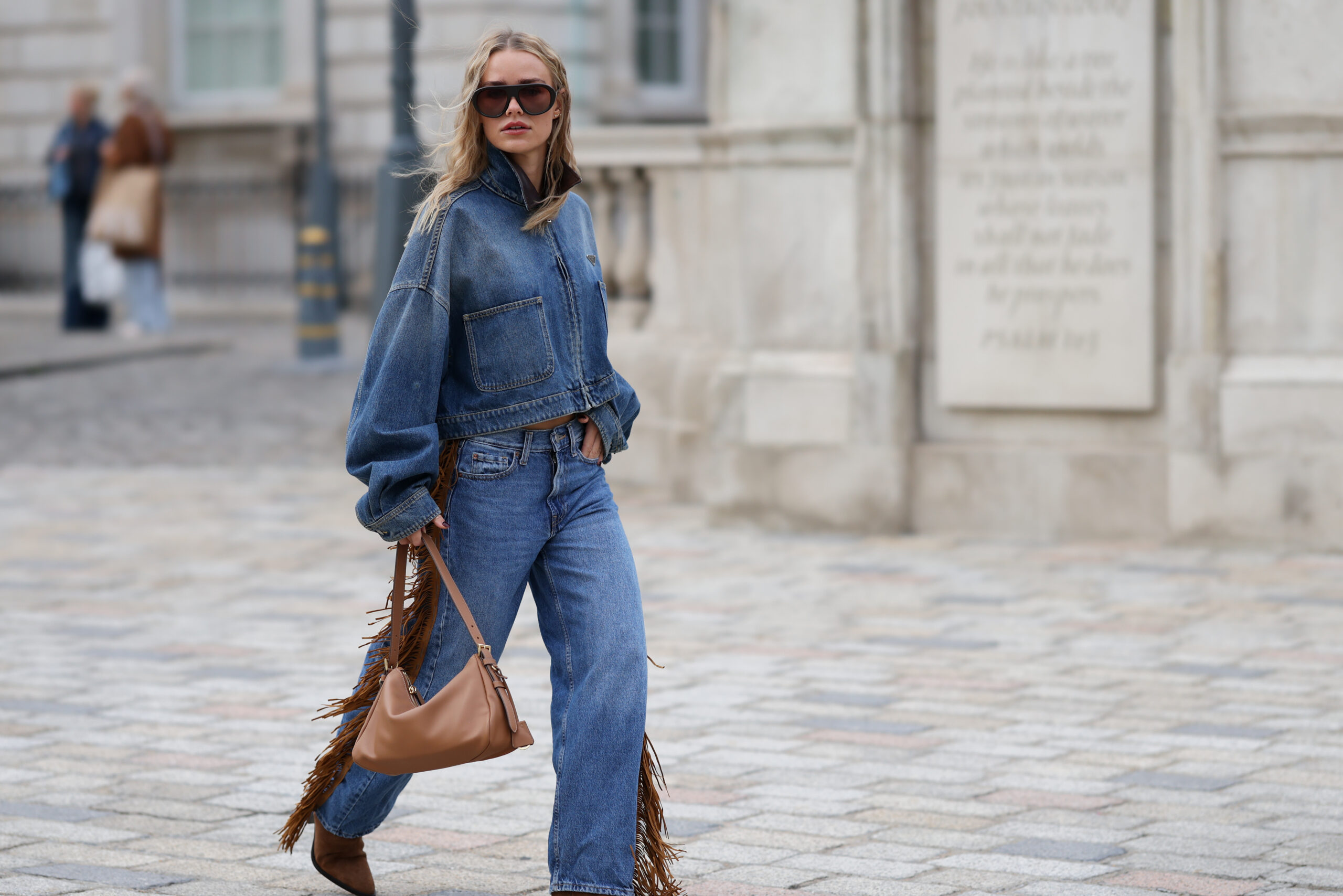
You’re strolling down the sidewalk and someone overtakes you, then another person, then another. Some people simply walk fast, even when they’re not late. Psychologists say this everyday habit can say something about personality, and research on walking speed backs part of the idea.
In short
- Psychologist Christal Castagnozzi, quoted by Upworthy, links fast walking with traits such as conscientiousness, emotional stability and ambition.
- A study of 907 older adults found that more conscientious people walked faster and slowed down less over time.
- The evidence for some traits, like extraversion, is mixed.
Not just in a hurry
The question has been widely discussed in Spanish-language media, with psychology articles suggesting that walking fast does not only mean being in a rush. It can also reflect focus, goals and organization.
Christal Castagnozzi, a psychologist and clinical director at Thrive Psychology Health Team, explained to Upworthy which traits are most often associated with a quick pace.
The traits most often linked to fast walkers
- Conscientiousness, which Castagnozzi describes as “the trait associated with organization, discipline, and reliability.”
- Emotional stability: “Large studies show that emotionally stable people walk faster,” she says.
- Assertiveness and ambition, linked to an inner drive to reach meaningful goals.
- Extraversion, although the link is described as mixed.
What a study of older adults found
Research supports part of this picture. In a study published in 2012 in The Journals of Gerontology, Magdalena Tolea and colleagues followed 907 men and women aged 71 to 82, part of the Health, Aging and Body Composition Study.
Those who scored higher in conscientiousness walked faster at the start of the study and saw their walking speed decline more slowly over about three years. Openness, by contrast, showed no link with walking speed. The authors suggest conscientious people may set stronger health goals and stick to them more consistently.
How to read your own pace
- Notice when you speed up: many people walk faster when they are focused on a goal.
- Compare your pace alone and with others: slowing down for a companion is a sign of attention, not weakness.
- Remember that a change in your usual speed can simply reflect tiredness or stress.
As for openness to new experiences, Castagnozzi is cautious: “Although it doesn’t directly relate to walking speed,” she says, curious people may simply be more inclined to explore on foot.
When pace says less than you think
Walking speed also depends on many things that have nothing to do with personality: fitness, health, the shoes you’re wearing or simply the people around you. Castagnozzi notes that agreeable people, for instance, may adjust their pace to match their walking partner.
Like thanking the bus driver or helping waiters clear the table, walking fast is one of those small daily behaviors psychologists love to decode, without turning it into a verdict on who you are.
So the next time someone races past you on the sidewalk, they may not be late at all. They may simply be someone who likes to get where they’re going.


