










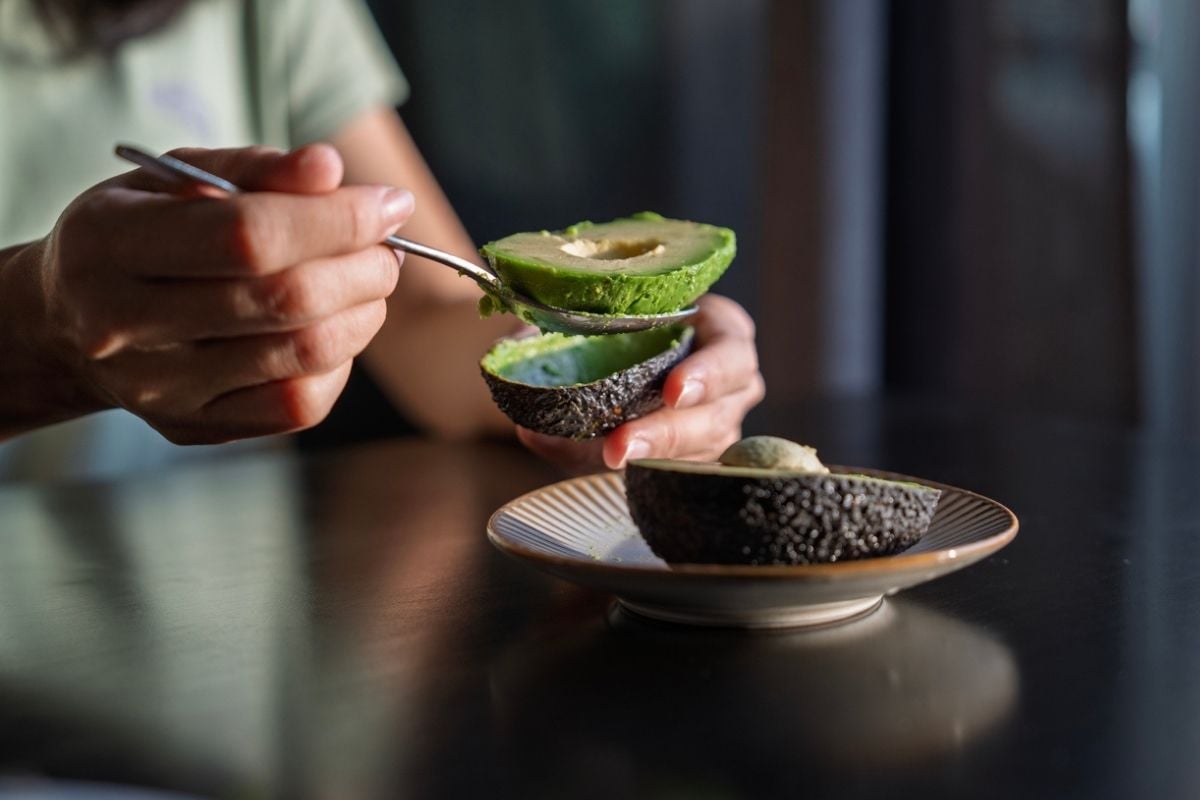
You have probably heard it a thousand times: what you eat matters more than how many crunches you do. And yet, when it comes to that stubborn layer of fat sitting right around the midsection, most of us still feel a little lost. We try new workouts, swap snacks, and scroll through endless nutrition tips – but rarely do we land on something backed by actual research. What if we told you that a single, everyday fruit could genuinely shift the way your body stores fat in that exact area? The answer might already be sitting in your kitchen.
Why the fat around your midsection deserves your attention
Not all body fat is created equal. The kind that concentrates around the belly – known as visceral fat – is far more than a cosmetic concern. It accumulates around your organs, specifically between the muscles and the organs of the abdominal area, including the liver and intestines. In reasonable amounts, it poses no real threat to the body. But when it becomes excessive, it turns into a genuine health hazard.
What makes visceral fat particularly worrying is its ability to interfere with organ function. When present in large quantities, it can prevent your liver and intestines from working properly, increasing the risk of diabetes, cardiovascular disease, and even certain cancers. So while some people tackle belly fat for purely aesthetic reasons, the health argument is just as compelling – if not more so.
That is exactly why prevention matters. And the very first battlefield where we can make a real difference is our diet. Could something as simple as adding one specific fruit to your daily meals actually help reduce this dangerous type of fat?
What researchers found after 12 weeks of daily avocado consumption
A study published in The Journal of Nutrition set out to investigate exactly that question – and the results were striking. Researchers found that consuming one avocado every single day for 12 weeks led to a notable reduction in visceral fat among participants who adopted this dietary habit.
The study included 105 individuals, which is worth keeping in mind when interpreting the findings. Lead researcher Naiman Khan, of the University of Illinois, explained that avocado does not simply burn belly fat in the way we might imagine. Instead, it influences the way people store fat in the first place. Rather than fighting visceral fat head-on, daily avocado consumption appears to improve how fat is distributed throughout the body.
In practical terms, the fruit is linked to a redistribution of fat away from the organs, lowering the ratio of harmful visceral fat – the dangerous kind lodged deep around your organs – to the less risky subcutaneous kind that sits just beneath the skin. Female participants who ate one avocado daily over the 12-week period saw their proportion of visceral fat decrease significantly compared to those who did not include avocado in their diet.
Important nuances you should know about
Before you rush to stockpile avocados, there are a few caveats the researchers themselves were careful to highlight. First, the study sample was relatively small at 105 people. That means the conclusions, while promising, should be taken with a degree of caution. Larger-scale studies would be needed to confirm these effects across broader and more diverse populations.
Perhaps the most significant nuance is a gender-specific one. The researchers noted that the visceral fat reduction was confirmed in women but not really observed in men. This does not mean avocados are useless for men – it simply means the particular fat-redistribution effect documented in this study was measurable and significant primarily among female participants.
Two more things are worth flagging. The trial was funded by the Hass Avocado Board, the industry group that promotes avocados, so the findings deserve the same healthy skepticism as any industry-backed research. And participants were not simply adding an avocado to their usual diet: they received one controlled meal a day, and the goal was never weight loss but fat distribution. In other words, an avocado is a smart addition to a balanced diet, not a standalone fix for belly fat – and anyone with specific health concerns is better off checking with a doctor or registered dietitian.
Still, the underlying mechanism is fascinating. The idea that a single dietary addition can reshape how and where your body stores fat – shifting it from a dangerous visceral deposit toward a far less harmful subcutaneous layer – opens up an encouraging avenue for everyday wellness. We are not talking about a restrictive diet or an intense supplement regimen. We are talking about one piece of fruit, every day, with your regular meals.
What this means for your daily routine
Here is what you now know that you probably did not before: visceral fat is not just about how your jeans fit. It is a genuine health risk tied to diabetes, heart disease, and cancer. And according to research published in The Journal of Nutrition, eating one avocado a day for 12 weeks can meaningfully shift that specific type of fat – especially for women – by changing how your body distributes its fat stores. The takeaway is refreshingly simple. You do not need to overhaul your entire lifestyle. Sometimes, the most impactful change is the smallest one you can actually stick with.1


