










For years, beauty editors, dermatologists, and skincare obsessives have all said the same thing: some of the best sunscreen brands weren’t available in the United States.
French pharmacy SPFs. Korean formulas. Japanese sunscreens that somehow felt more like skincare than sunscreen. While American formulas have improved dramatically, Europe and Asia have long been considered the gold standard when it comes to elegant textures and advanced UV protection.
Now, that may finally be changing.
The FDA recently approved bemotrizinol, the first new sunscreen filter approved in the United States in more than 20 years. While consumers may not recognize the name, dermatologists have been eagerly awaiting its arrival. The ingredient has been widely used overseas for years and is known for providing broad-spectrum UVA and UVB protection while remaining remarkably photostable.
“One of the biggest limitations of many sunscreen filters is that they begin to degrade when exposed to UV light, sometimes losing 50 percent or more of their effectiveness within an hour of sun exposure,” explains Miami dermatologist Dr. Melisa Lazarus. “Bemotrizinol is exciting because not only is it photostable on its own, but it also helps stabilize other filters in a formula, preventing them from breaking down. The result is sunscreen that works better and longer after it’s applied.”
The timing couldn’t be better. It’s also become one of the most talked-about categories in beauty. Celebrities including Hailey Bieber, Brooke Shields, Martha Stewart, and Jennifer Garner have all publicly shared their favorite SPF products in recent years, helping transform sunscreen from a beach-day necessity into an everyday skincare staple. Sunscreen has quietly become one of the most innovative categories in beauty. Today’s formulas don’t just protect skin—they hydrate, tint, blur, brighten, and sit seamlessly under makeup. Some have become so elegant that they’re replacing foundation altogether.
But according to Lazarus, consumers are often paying attention to the wrong number on the bottle.
“What matters just as much as SPF is UVA protection,” she says. “In the United States, SPF ratings measure UVB protection, which helps prevent sunburn. In many other countries, UVA protection is factored into the rating as well.”
That distinction matters because UVA rays are largely responsible for the visible signs of aging.
“UVA penetrates much deeper into the skin than UVB, which is why it doesn’t cause sunburn,” says Lazarus. “Because it reaches deeper layers, it damages collagen-producing fibroblasts, leading to wrinkles and sagging skin. It also contributes to pigmentation, brown spots, and skin dryness over time. These are the changes most people associate with aging.”
Of course, even the most advanced sunscreen is useless if it never leaves your beach bag.
“I always tell my patients that the best sunscreen is the one you’ll actually use,” says Lazarus. “My husband refuses to use a cream sunscreen on his legs because of his body hair, so I’m perfectly happy with him using a spray sunscreen instead. It’s not my first choice, but if that’s the product he’ll consistently wear, that’s what matters.”
While innovations like bemotrizinol are making sunscreens more effective than ever, dermatologists say the most important step is simply wearing SPF every day.
“Sunscreen reduces the DNA damage caused by harmful UVA and UVB rays to the skin,” says Dr. John Layke, a board-certified plastic surgeon and co-founder of Beverly Hills MD. “That protection doesn’t just help prevent skin cancer—it also helps preserve healthier, younger-looking skin over time.”
When choosing a formula, Layke says mineral sunscreens remain an excellent option.
“A mechanical sunblock such as zinc oxide is a mineral sunscreen that blocks harmful rays the second it is applied,” he says. “It’s non-comedogenic and also has antibacterial properties.”
And despite the importance of SPF, he says that doesn’t mean avoiding the sun entirely.
“Mild sun exposure is helpful daily—usually around 20 minutes—but excessive exposure breaks down the cellular integrity of our skin, leading to accelerated aging, wrinkles, and skin cancer,” says Layke.
Fortunately, sunscreen has never been easier—or more enjoyable—to wear.
SHOP THE SUNSCREEN EDIT
ISDIN Fusion Water Magic SPF 40
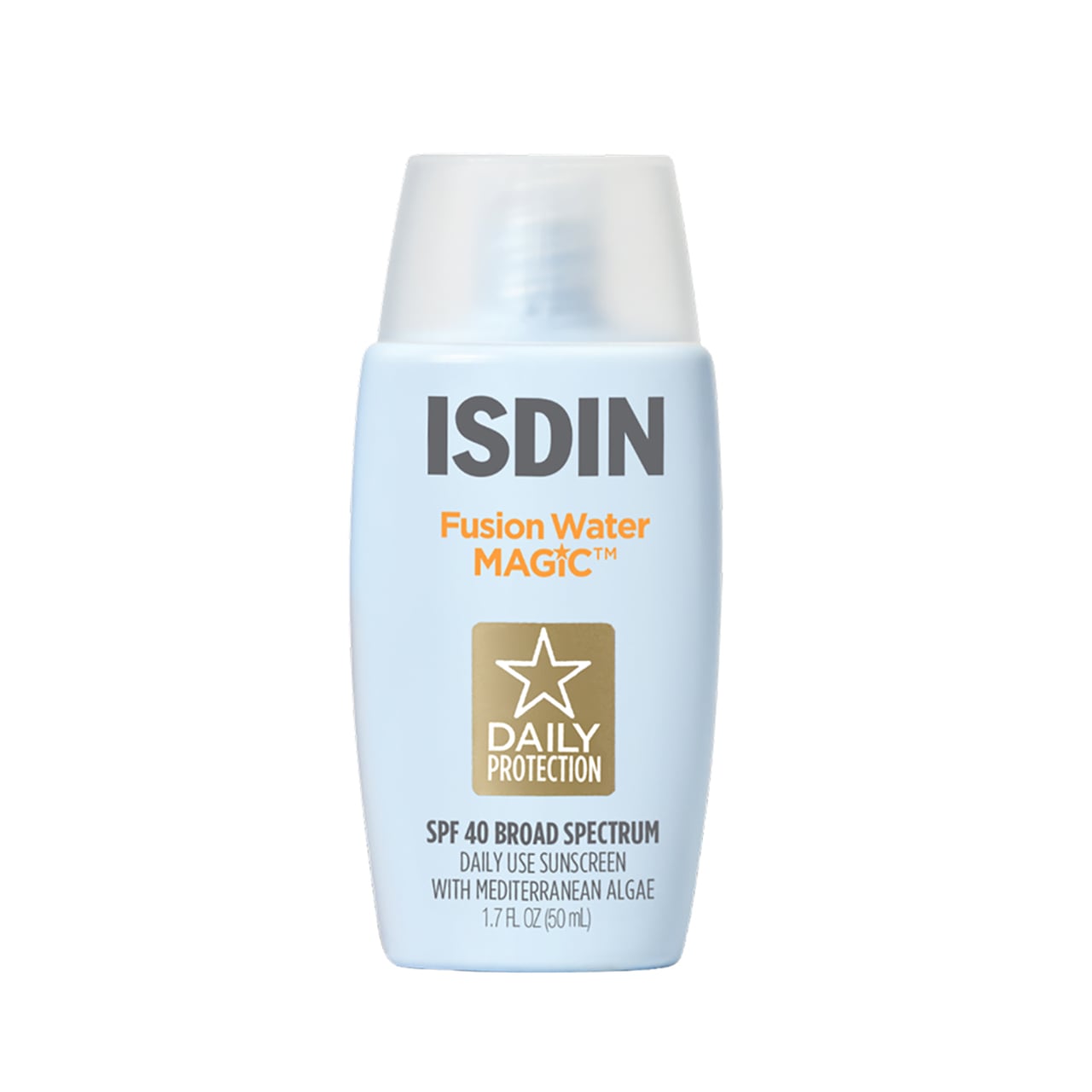
The Spanish cult favorite beauty editors have been bringing home from Europe for years. Ultralight, elegant, and one of the easiest sunscreens to wear every day—exactly the kind of formula that helped make European SPF so coveted in the first place.
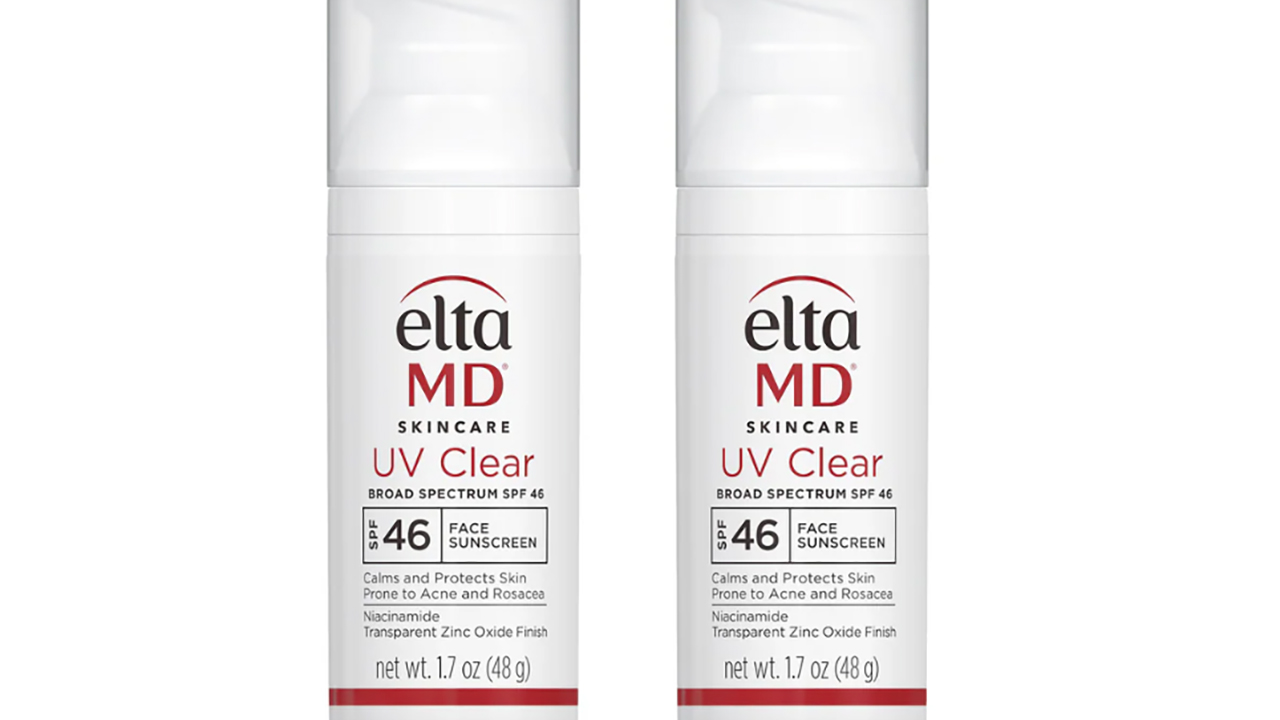
EltaMD UV Clear Broad-Spectrum SPF 46
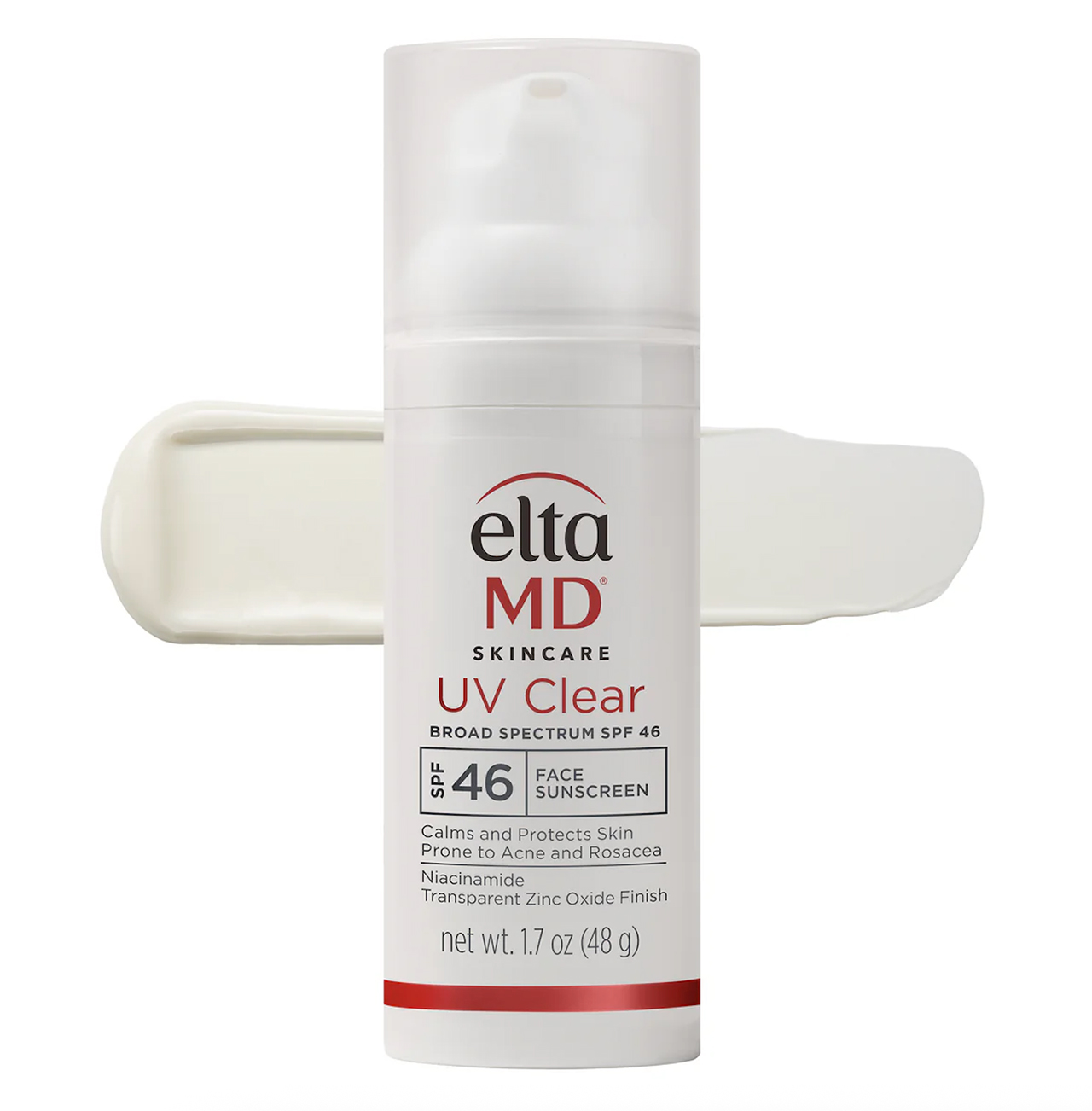
A dermatologist-office staple beloved for its lightweight feel and compatibility with acne-prone and rosacea-prone skin, EltaMD UV Clear has long been one of the most frequently recommended daily sunscreens in America. Hailey Bieber has praised EltaMD’s tinted SPF formulas, while other celebrities have also been linked to the brand. Bonus: EltaMD’s UV Skin Recovery Red Color Correcting Green Tint Broad-Spectrum SPF 50 helps visibly neutralize redness while offering mineral SPF protection.
111SKIN SPF 50 Advanced Sun Protection
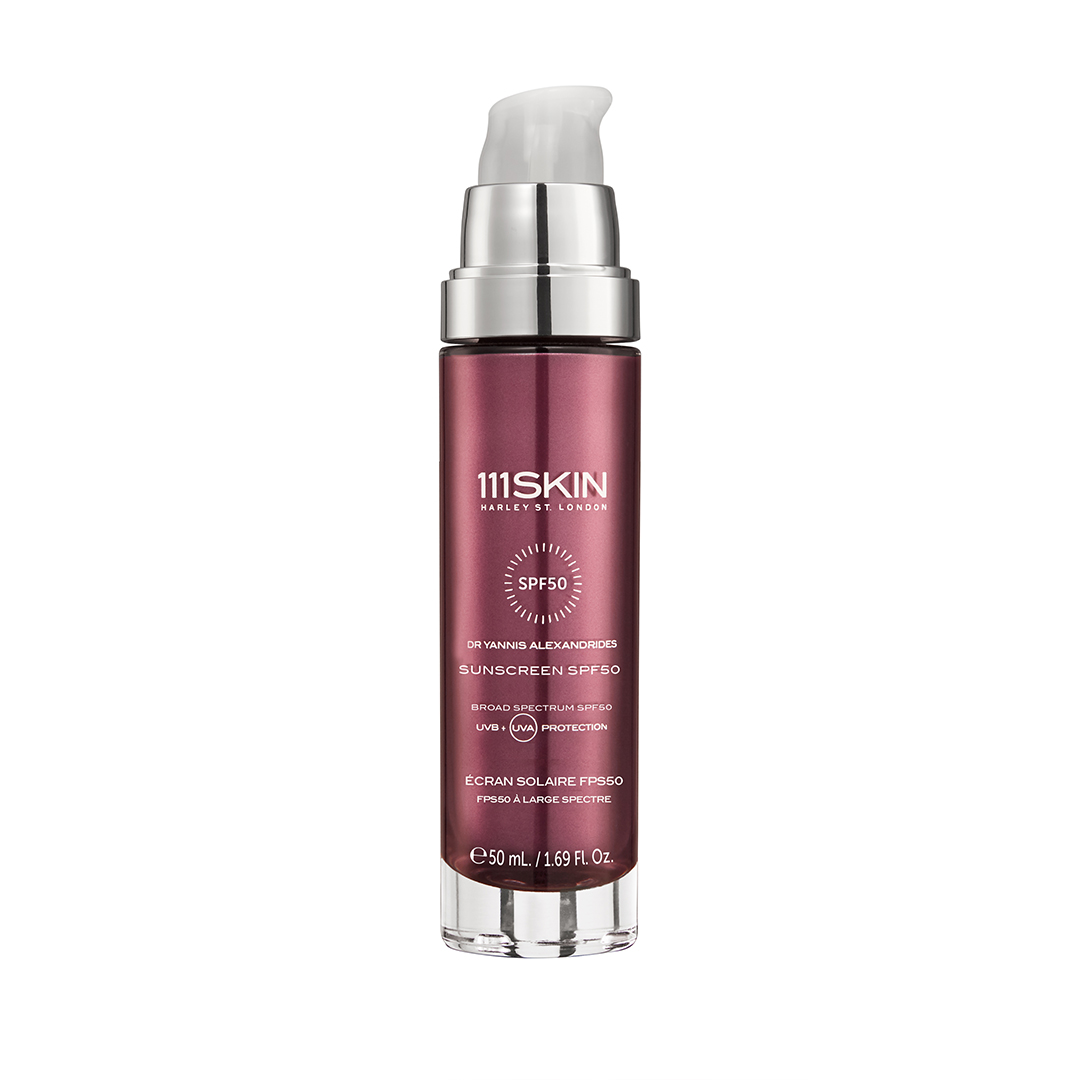
Developed by renowned plastic surgeon Dr. Yannis Alexandrides, 111SKIN’s Sunscreen SPF 50 goes beyond traditional sun protection, pairing broad-spectrum UVA, UVB, visible light, and blue light defense with skincare-level benefits. The lightweight, 100% mineral formula is powered by the brand’s signature NAC Y²™ complex alongside hydrating polyglutamic acid, niacinamide, and antioxidant-rich botanical extracts to help soothe skin, support barrier function, and minimize the visible effects of environmental stress. It melts in with an invisible finish, layers beautifully under makeup, and feels more like a high-performance serum than a traditional sunscreen—making it an easy everyday essential for protecting and preserving healthy, radiant skin.
Dior Hydrating Invisible UV Fluid SPF 50+ PA++++
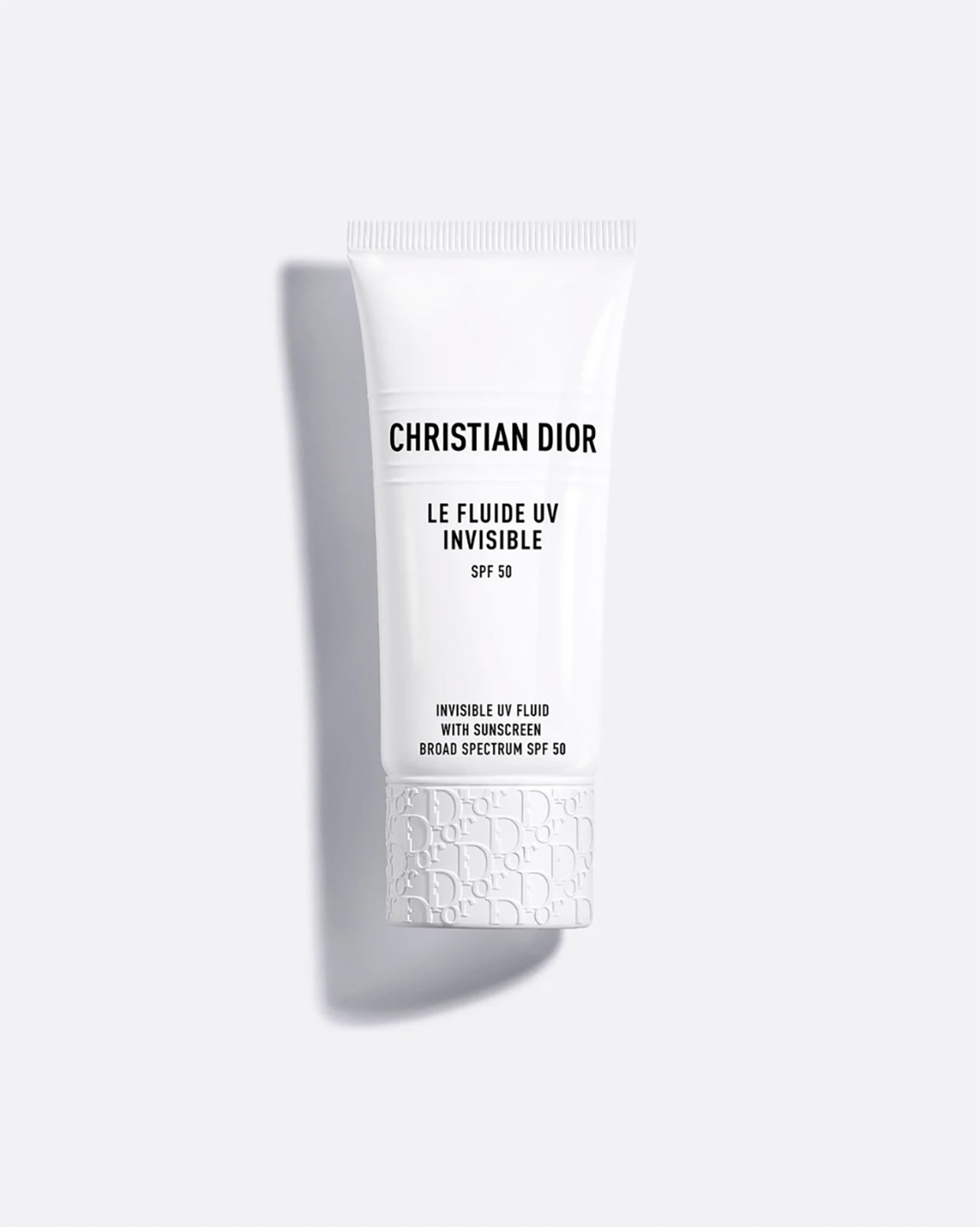
The luxury beauty answer to daily sunscreen. Featherlight, elegant, and virtually invisible on skin.
Tatcha The Silk Sunscreen SPF 50+
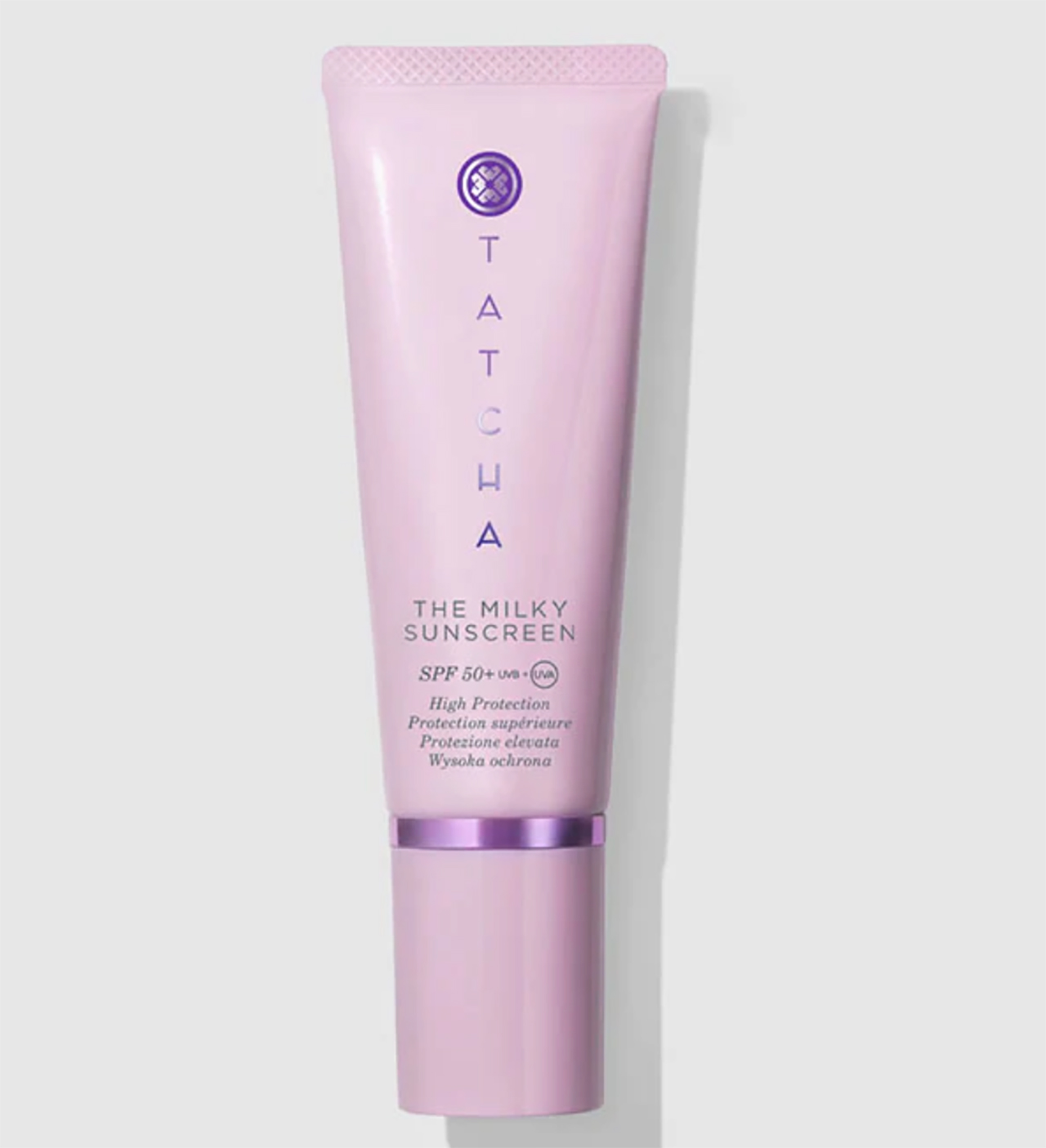
Part skincare, part sunscreen, with a silky finish that feels far more expensive than traditional SPF.
Lightsaver Activated Mineral Sunscreen SPF 40
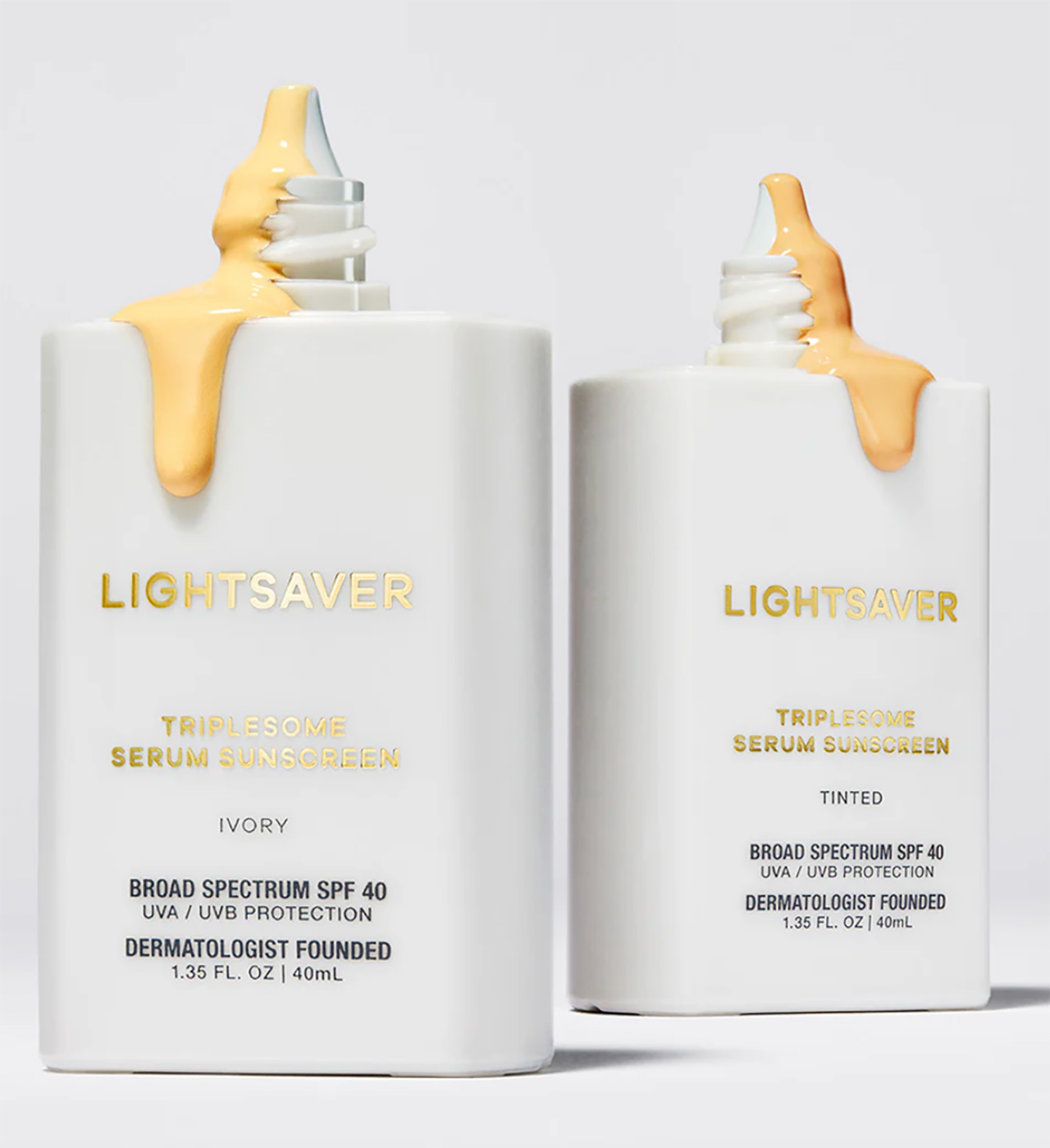
Created by dermatologist Dr. David Kim, one of beauty’s most-followed skin experts, this mineral formula has quickly become a favorite among skincare insiders.
Supergoop! Protect (Tint) SPF 50
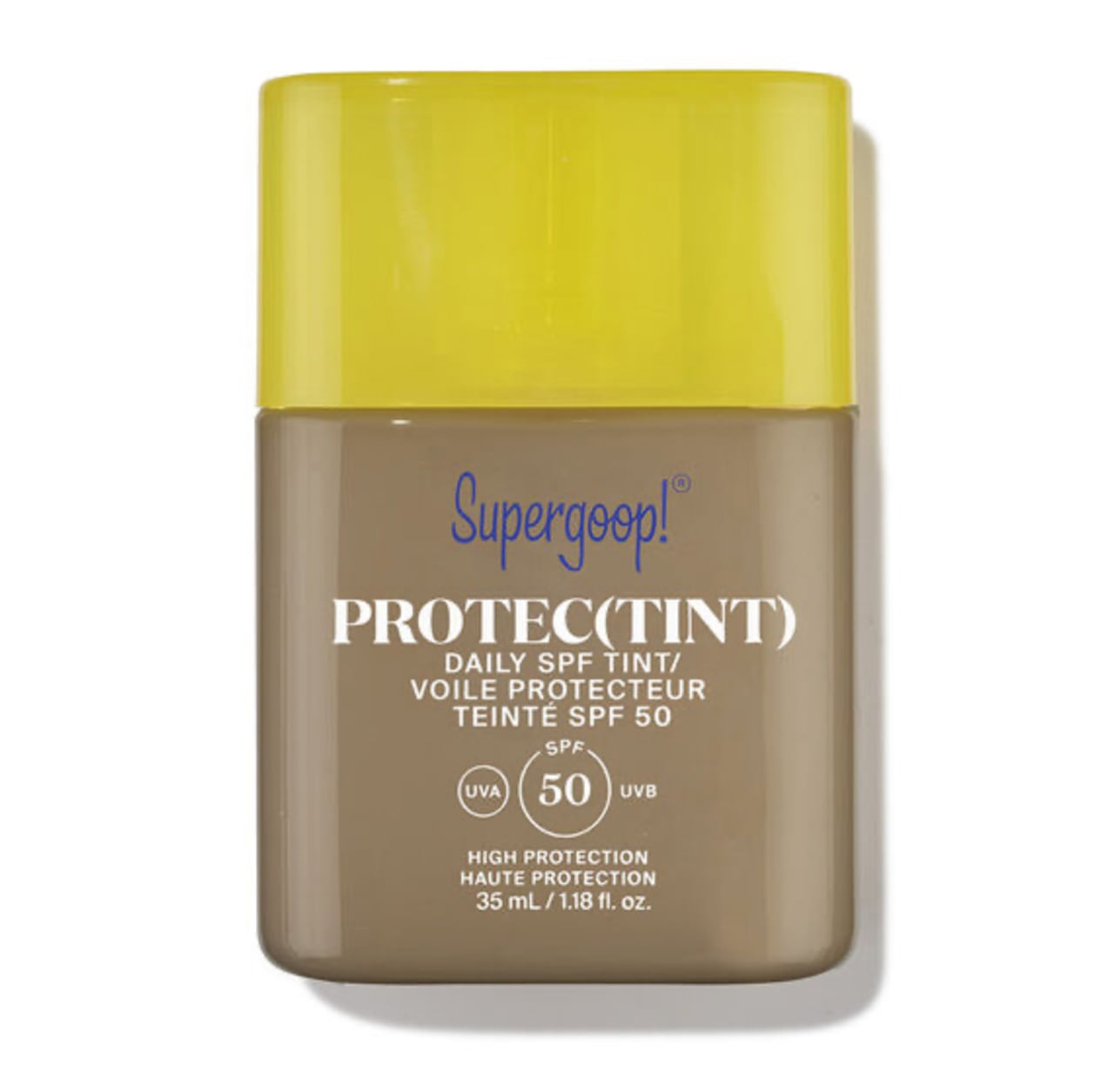
Available in 14 flexible shades, this new tinted formula offers enough coverage to replace foundation on casual summer days. The brand has attracted a devoted celebrity following over the years, including Martha Stewart.
Kiehl’s Better Screen UV Serum SPF 50+
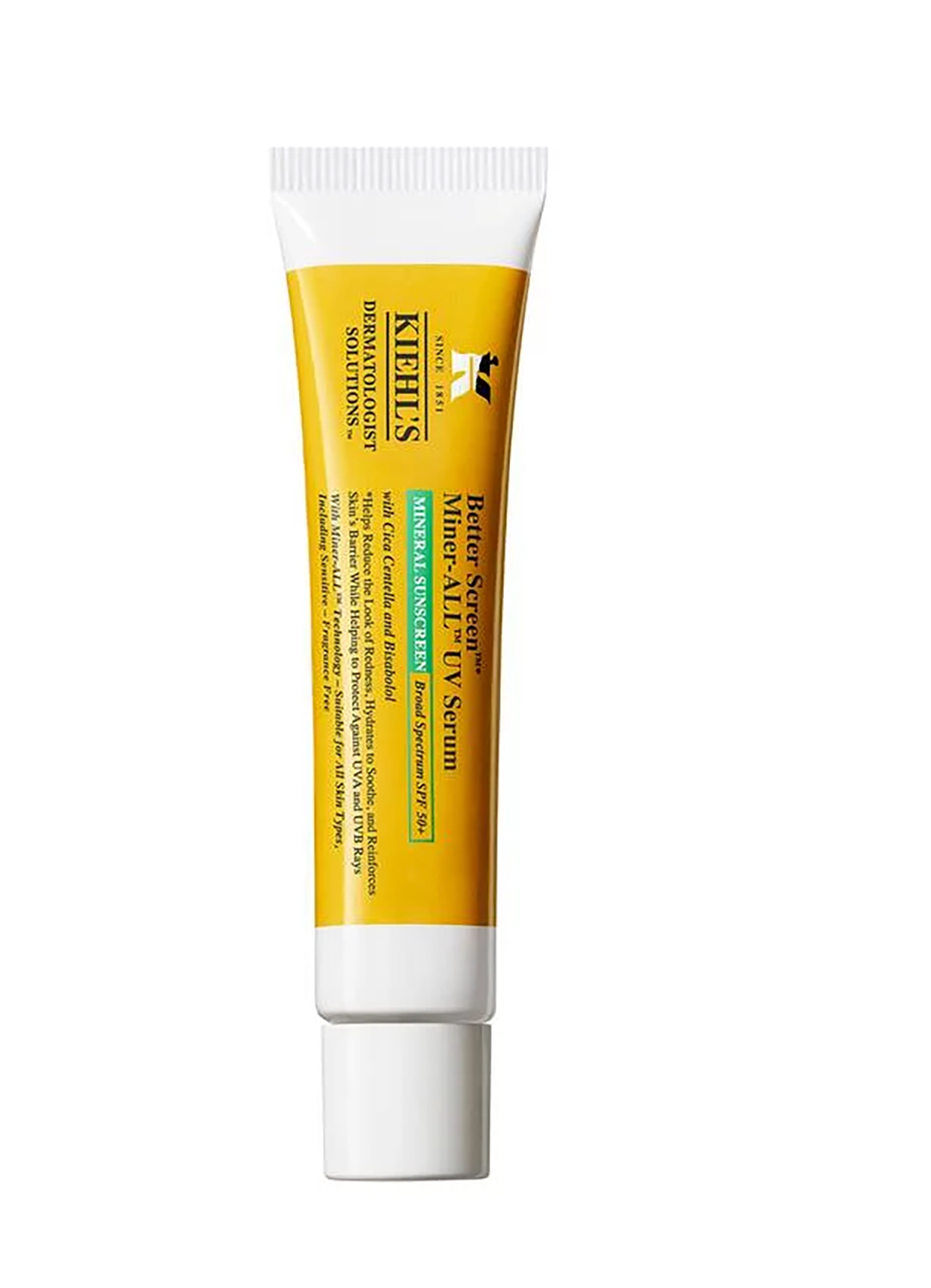
More skincare than traditional sunscreen, this lightweight formula combines daily hydration with high-level UV protection.
Shiseido Ultimate Sun Protector Clear Stick SPF 60+
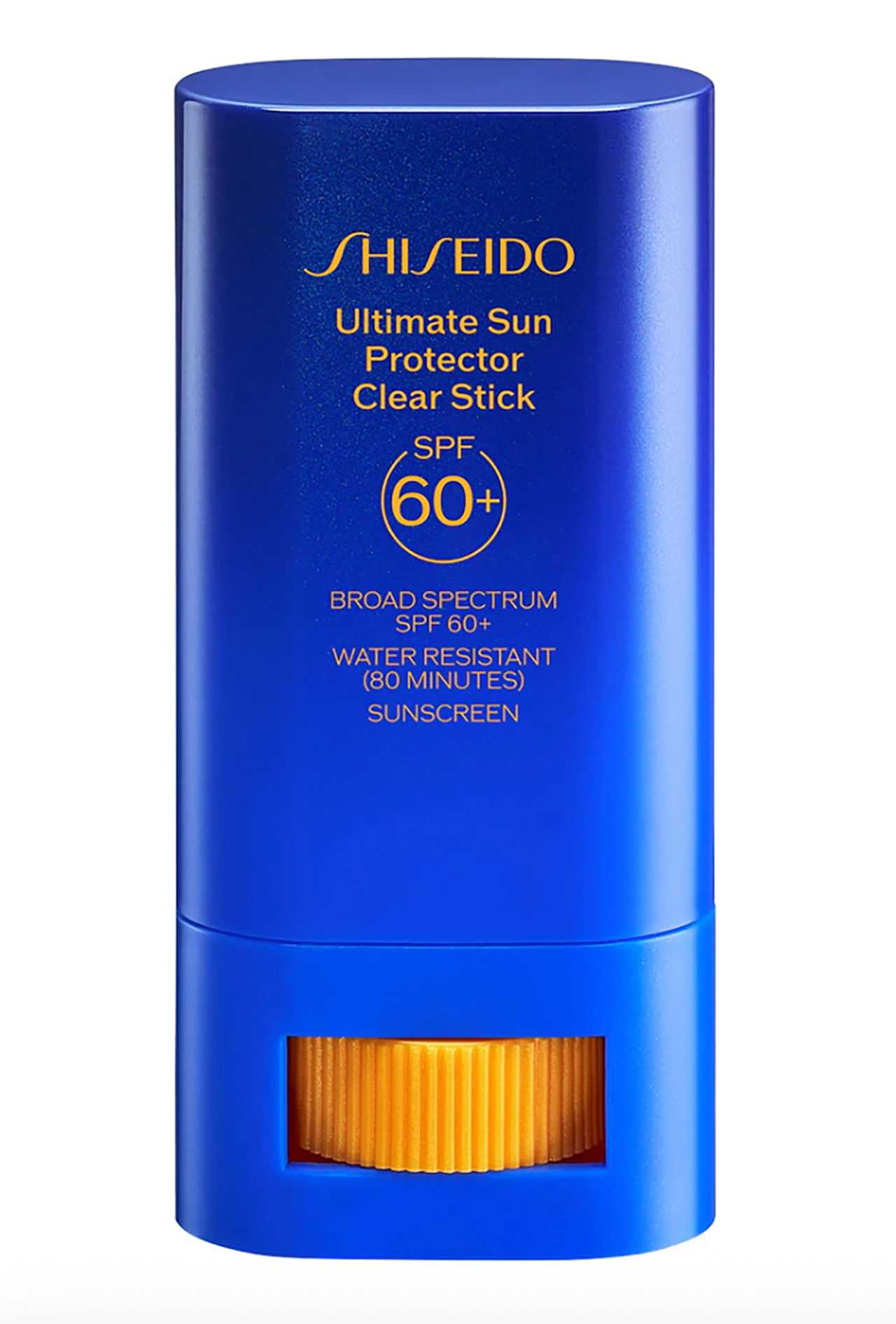
The gold standard for reapplication. Clear, portable, and impossible to mess up.
Naked Sundays Cabana Milk Mineral Barrier Fluid SPF 50+
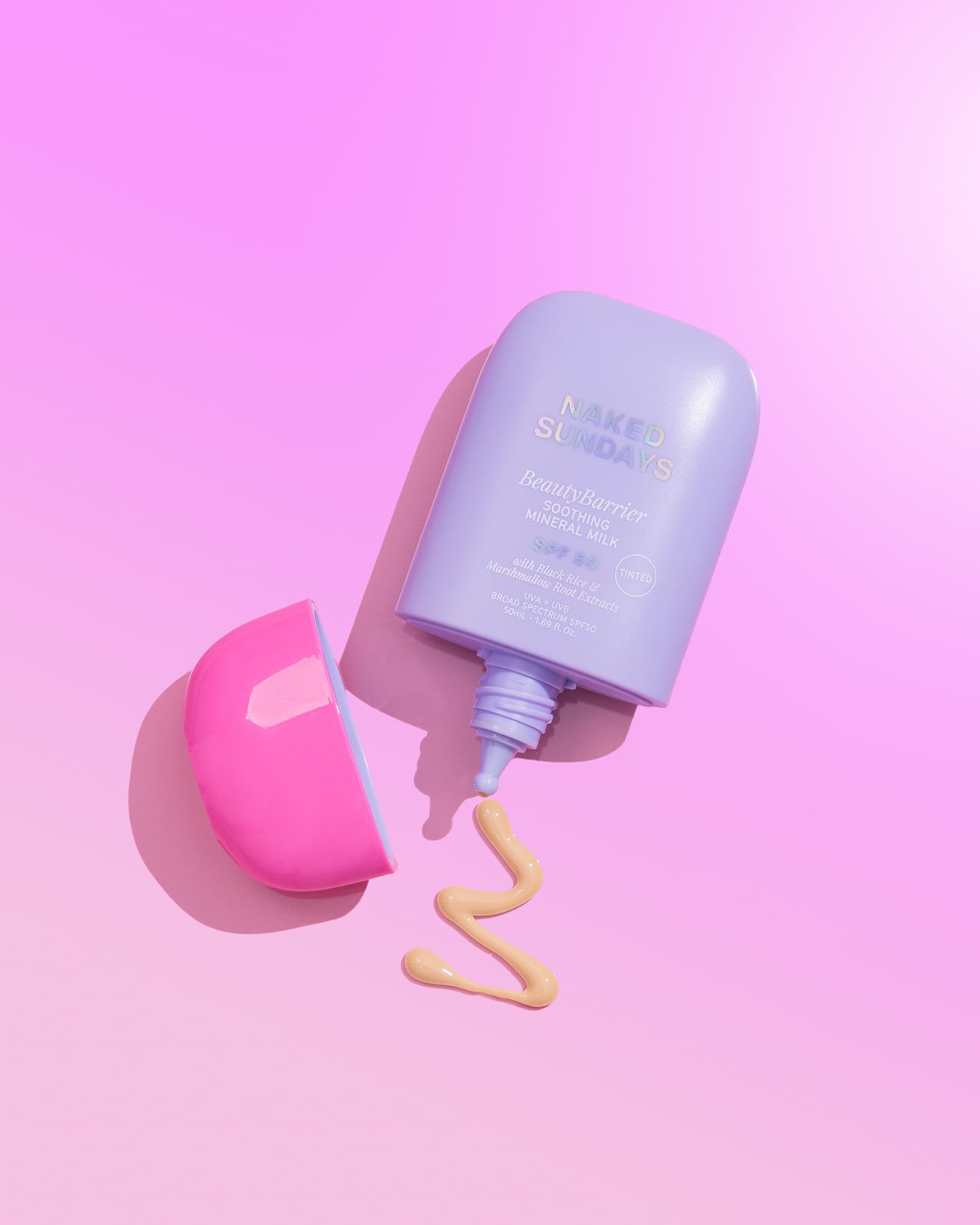
The Australian SPF favorite combines zinc oxide protection with hydrating ingredients like hyaluronic acid and black rice extract while doubling as a makeup primer.
Beverly Hills MD Sheer Radiance SPF Drops SPF 50
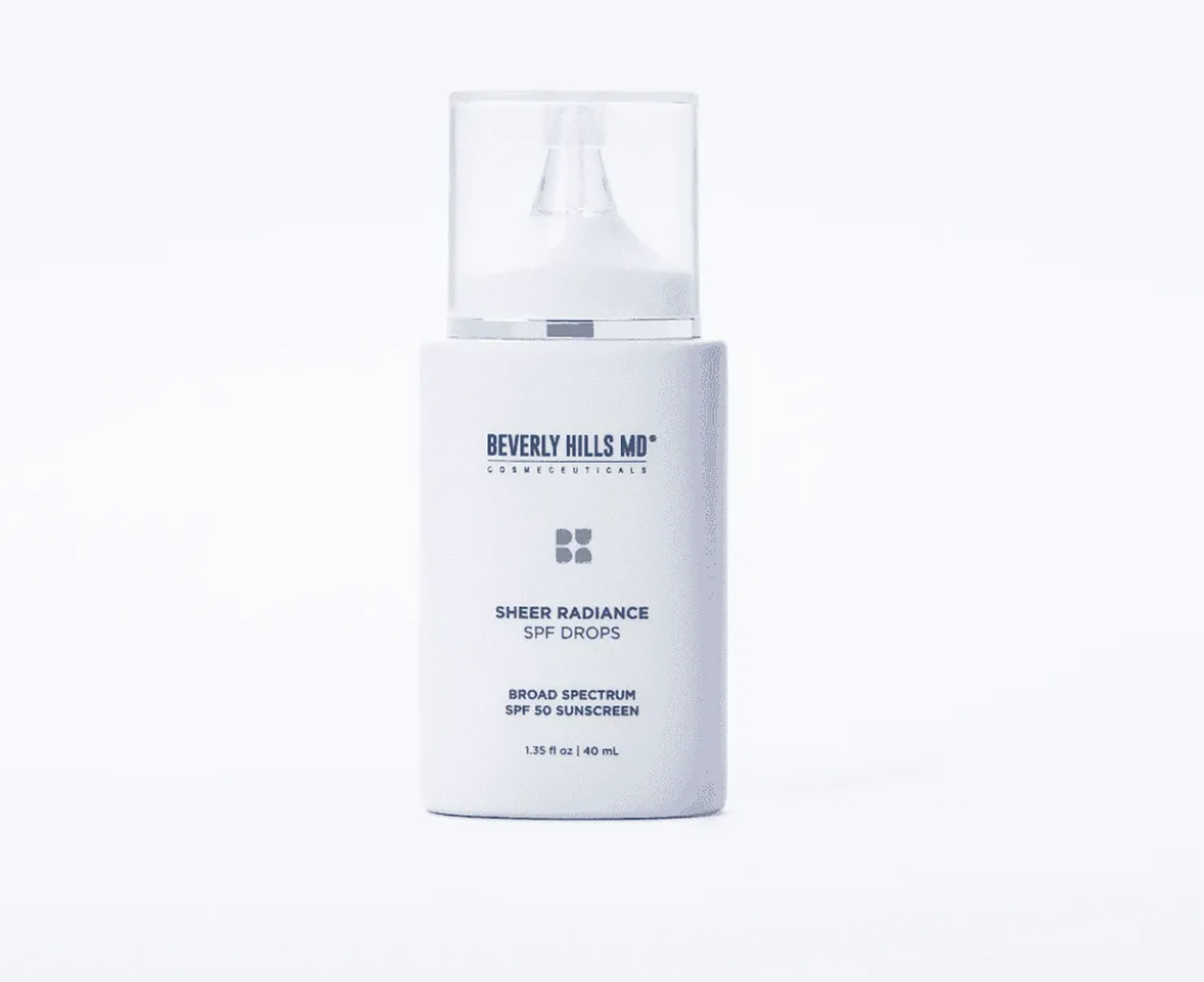
Created by Beverly Hills plastic surgeons Dr. Layke and Dr. Danielpour, these mineral SPF drops protect against UV damage while helping neutralize redness, blur imperfections, and leave skin with a healthy glow.
After-Sun Hero: DUNE Suncare The Lifeguard
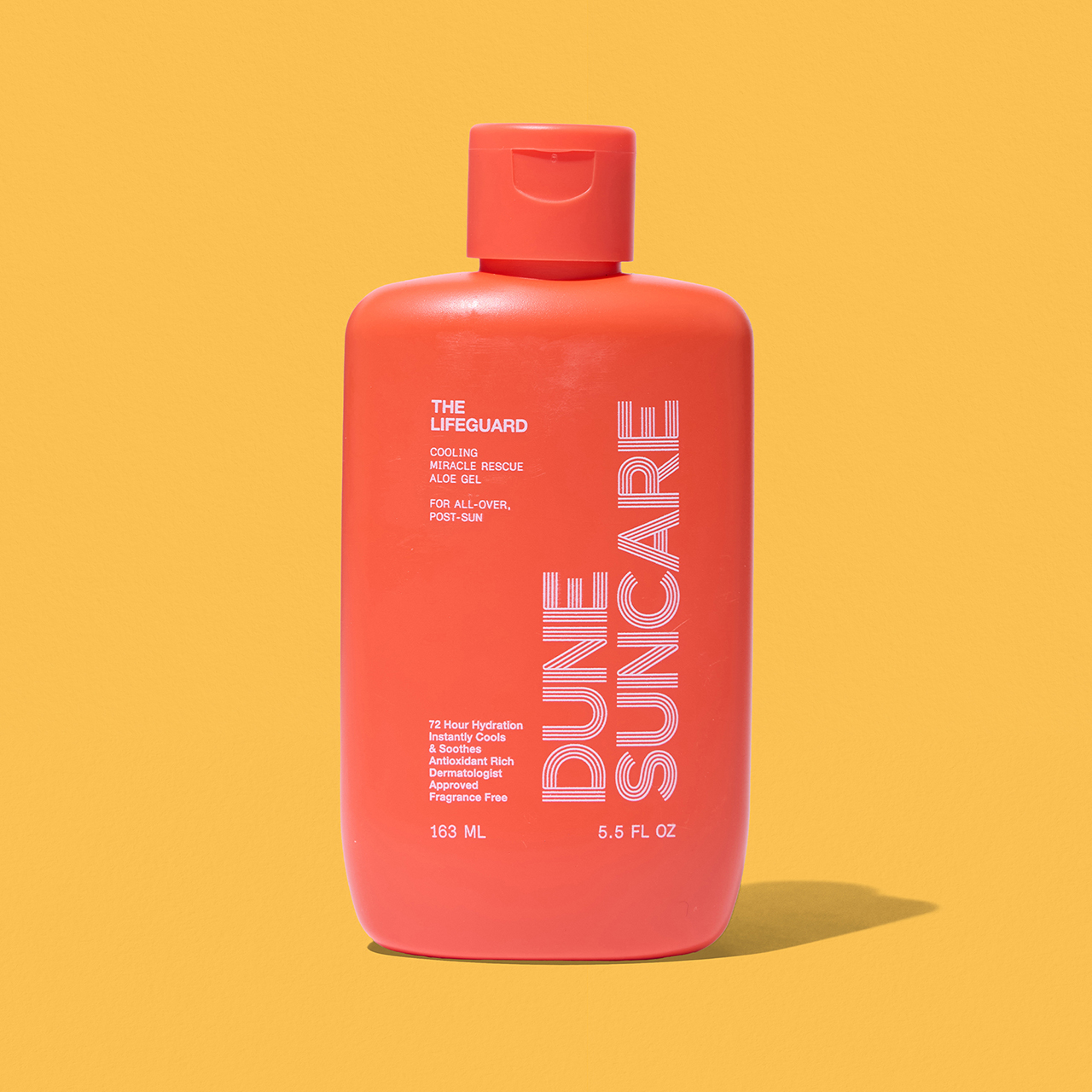
An aloe-based recovery treatment that delivers long-lasting hydration and helps replenish moisture after a day in the sun.


