










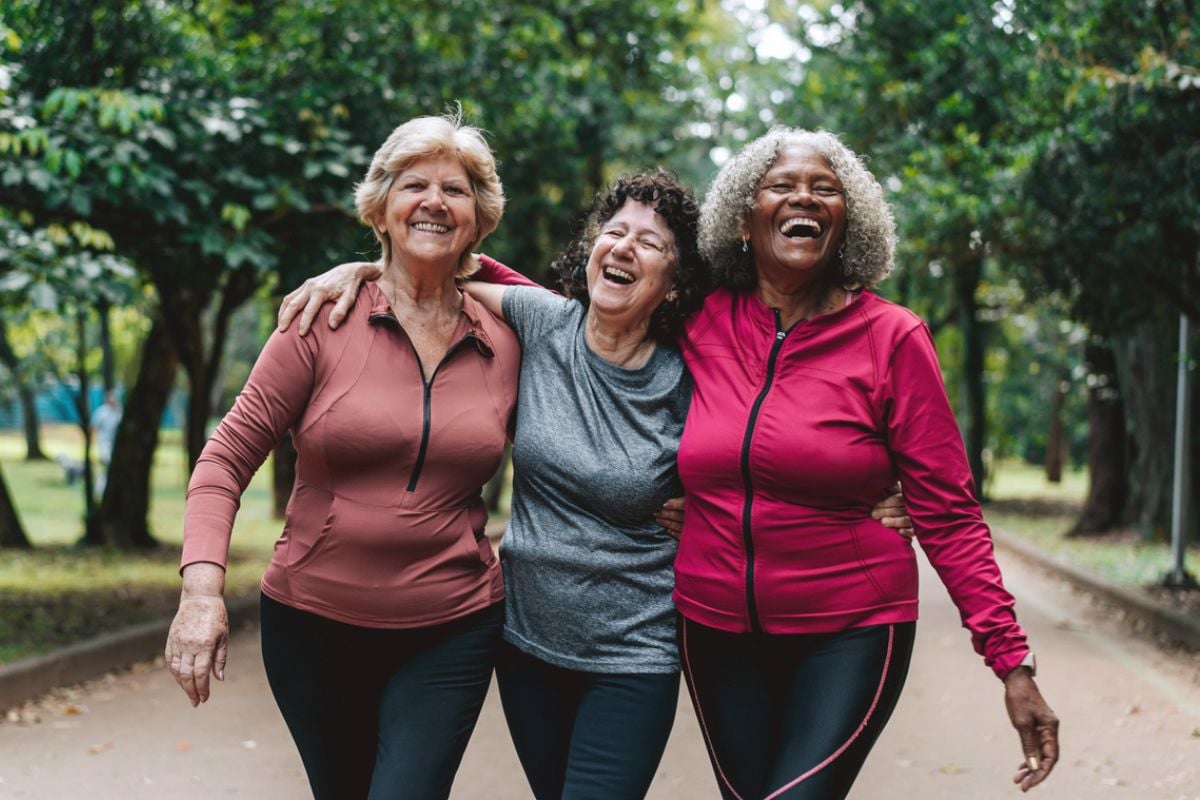
Fewer emotional storms, more good days: research suggests that the later decades bring a calm many of us did not expect. We are often told that getting older means losing things: energy, speed, certainty. So it can come as a surprise when people in their 60s and 70s say they feel steadier and happier than they did at 30. It is not just a feeling. Researchers have been measuring it for decades.
At Stanford University, psychologist Laura Carstensen and her colleagues followed a group of adults aged 18 to 94 from the San Francisco Bay Area. At the start, 184 people took part. For one week, each participant was paged five times a day at random moments between 9 a.m. and 9 p.m. and rated how strongly they felt 19 different emotions. The same people were tested again about five and ten years later. The results were published in 2011 in the journal Psychology and Aging.
What the 10-Year Study Found
The researchers concluded that “aging is associated with more positive overall emotional well-being.” Positive emotional experience rose with age into the 60s before leveling off, with an estimated peak around 64. Emotions also became more stable: older participants swung less between highs and lows. And with age, positive and negative feelings were more likely to appear together, a mix the authors called “poignancy.” The study also found that participants who felt relatively more positive than negative emotions day to day were more likely to survive over the 13-year follow-up.
Another team reached a similar conclusion. In a 2010 study published in the Proceedings of the National Academy of Sciences, Arthur Stone of Stony Brook University and his colleagues analyzed a 2008 Gallup phone survey of 340,847 American adults aged 18 to 85. Stress peaked between 22 and 25 and fell sharply after the mid-50s, worry declined from the mid-50s and anger decreased steadily with age.
Why Emotions Get Steadier With Age
Carstensen’s explanation is called socioemotional selectivity theory. As people become aware that their time is limited, she and her colleagues argue, they shift their goals toward what feels emotionally meaningful. They invest in close relationships, let go of conflicts that do not matter and savor the present. In other words, it is not that life gets easier after 60. It is that people choose more carefully where to put their attention.
What You Can Borrow at Any Age
You do not have to wait for your 60s to use these findings. Ask yourself what would matter if your time felt shorter, and spend more of your week on it. Protect time with the few people who leave you feeling better, and say no to commitments that only drain you. When a conflict flares up, ask whether it will matter in a year. Notice small good moments, like a walk, a meal or a call with a friend, and let yourself enjoy them fully. Many women find that this steadiness shows up in daily life, one of the quiet signs a Gen X or Boomer woman is hard to impress. Staying curious helps too, as these mentally stimulating hobbies show. The lesson worth borrowing is that emotional calm often comes from choosing, not from avoiding.
Psychologists have found that people over 60 tend to handle emotions better than younger adults, and a Stanford study that tracked the same people for 10 years is one of the strongest pieces of evidence that the best emotional years may still be ahead.


