











Thanksgiving is imminent and if there’s one thing we’re thankful for every year, it’s the dinner.
And according to Laura Jennings, a nutritionist, thanksgiving dinner is not only only of the tastiest meals of the year, but it’s also surprisingly nutritious.
So, what are some of the nutritional benefits we can claim?
Turkey
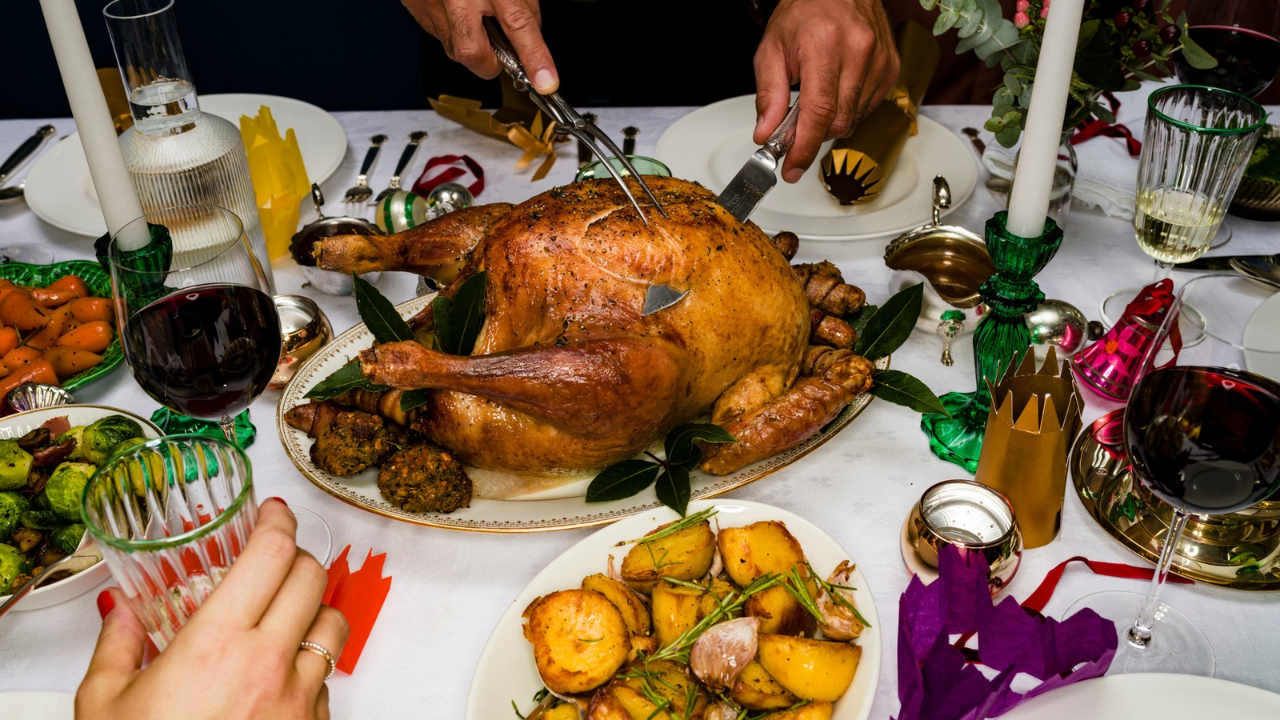
A thanksgiving dinner is incomplete without turkey, which Laura says is a nutritional standout. “It provides high quality protein to support muscle maintenance,” she explains. “It also contains B vitamins and selenium, which play important roles in energy metabolism.”
Turkey also provides a lesser-talked about essential nutrient: choline. The body uses choline to produce acetylcholine, a neurotransmitter (essentially a little chemical messenger in the body) which is involved in memory, mood and muscle control.
Sweet Potatoes
Who doesn’t love sweet potatoes? And they are also rich in nutrients such as beta carotene, Laura says. The body converts it into vitamin A which helps support vision, skin and immune health. “Sweet potatoes also provide fiber and potassium,” she adds.
Green Vegetables
“Brussels sprouts and broccoli are packed with vitamin C, vitamin K and fiber, alongside plant compounds called glucosinolates,” Laura says. These break down into compounds that can help keep our cells super healthy.
Cranberry Sauce
A dollop of cranberry sauce is the perfect addition to a thanksgiving dinner. Laura said cranberries are “rich in polyphenols with antioxidant properties.” However, she points out that traditional cranberry sauce can also contain a lot of added sugar, so don’t go too crazy with your serving sizes.
Stuffing
Stuffing also adds a healthy dose of fiber, particularly when made with wholegrain bread, vegetables, herbs and nuts, Laura says. “Making it from scratch rather than using a highly processed packet mix gives you more control over the ingredients and salt content.”
How Can We Increase The Nutritional Value Of Thanksgiving Dinner?
If we want to boost the nutritional value of a thanksgiving dinner, Laura suggests adding more colourful vegetables. “Different colours provide different vitamins, minerals and beneficial plant compounds, so variety is key”. She suggests lightly steaming or roasting the vegetables too, rather than boiling them for long periods. This can help preserve nutrients.
“Adding a little olive oil can also help the body absorb fat soluble compounds such as beta carotene from sweet potatoes.” If you’re having mashed potatoes, leaving some of the skins on increases the fiber, she adds.
At the end of the day, Thanksgiving is a time for celebration with family and friends and it’s important to remember that one meal doesn’t define your overall health. “Sitting down, being present and enjoying good food with family and friends is just as much a part of the occasion,” Laura says. A sprinkle of joy can do a lot for your health too!


