










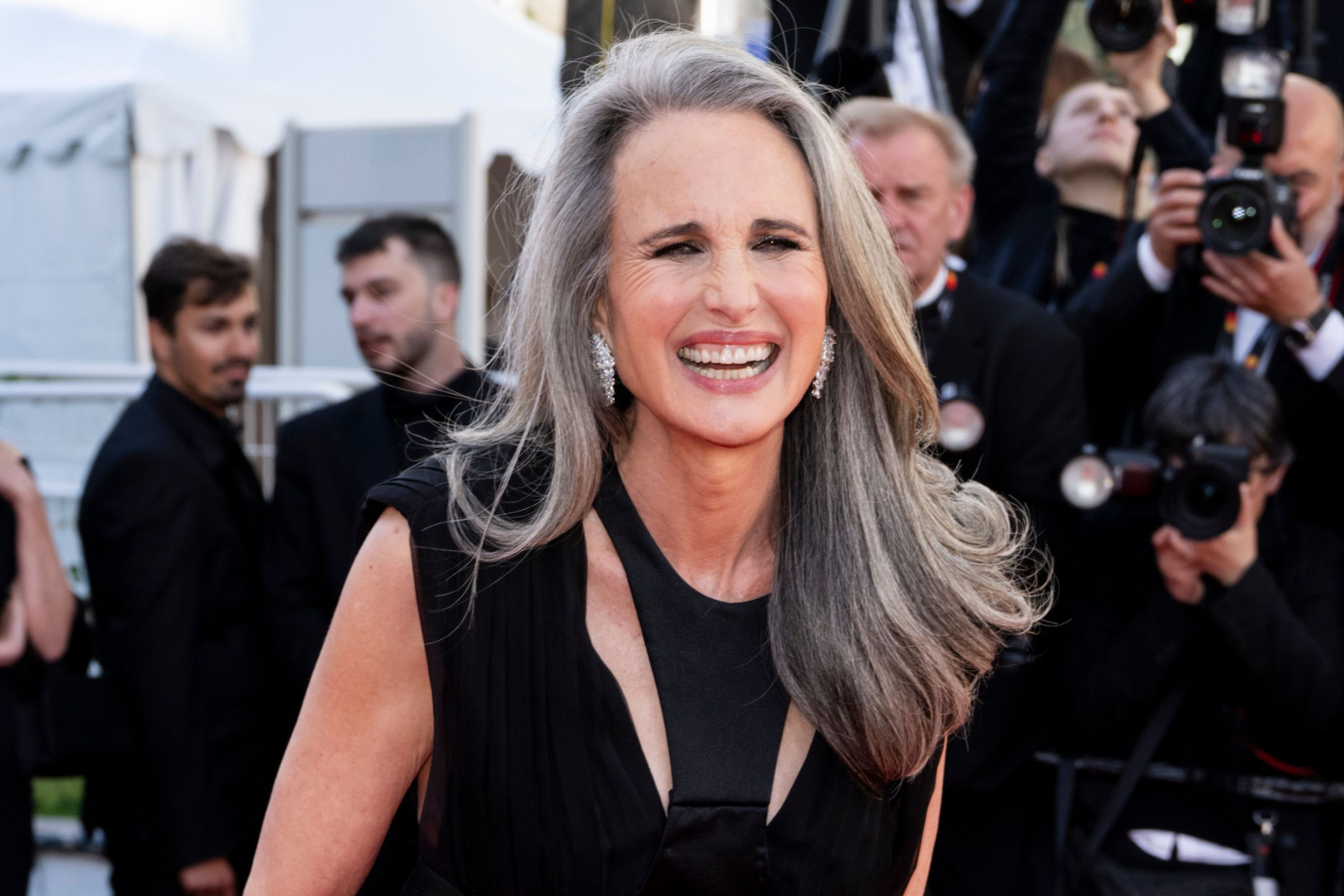
For decades, going gray was something that happened to women when they stopped making an effort. A woman who let her roots grow was assumed to be tired, depressed or simply letting herself go. That reading is quietly falling apart. More and more women are choosing to stop coloring, and psychology offers a very different explanation of what that decision says about them.
Is going gray really a sign of giving up?
Usually not. For many women, stopping hair dye is not passive at all. It is an active choice, often made after years of thinking about it, and it tends to come with a clear reason: they want the way they look to match the way they feel. Psychologists have several frameworks that help explain why that matters so much.
1. Choosing for yourself, not for others
According to self-determination theory, developed by psychologists Edward Deci and Richard Ryan, well-being depends heavily on autonomy, the feeling that our choices come from us rather than from outside pressure. Coloring gray hair every three or four weeks is, for many women, a habit inherited from social expectations. Stopping it can be a way of taking that decision back.
2. Closing the gap between image and identity
The psychologist Carl Rogers described how distress can grow when there is a gap between who we feel we are and the image we present to the world. For a woman who no longer recognizes herself in her dyed hair, letting the gray grow in can reduce that gap. The result many describe is not resignation, but relief.
3. A shift in what really matters
Stanford psychologist Laura Carstensen’s socioemotional selectivity theory offers another key. It suggests that as people perceive their time as more limited, they increasingly prioritize what is emotionally meaningful over what is expected of them. Hours spent in a salon chair, the cost of constant touch-ups and the fear of showing roots can start to feel less important than time, comfort and authenticity.
What it does not mean
- It does not mean she has stopped caring about her appearance. Many women who go gray invest more in their cut, their skincare and their clothes.
- It does not mean she feels old. For many, it is the opposite: a sign of confidence.
- It is not always a statement. Sometimes it is simply practical, or a reaction to sensitive skin or damaged hair.
- And it is not a rule. Coloring your hair can be just as much a free, personal choice. What matters, psychologists suggest, is that the choice is yours.
How to make the transition easier
The hardest part is usually the in-between phase, when two colors share the same head. Grey blending is the gentlest way to get through it, softening the line between dyed lengths and natural roots. Many women also choose a shorter shape to speed things up: these short haircuts make silver strands look chic and remove the old color faster.
The bottom line
When a woman stops dyeing her gray hair, the old reading was that she had given up. Psychology suggests a more interesting story: a decision about autonomy, about matching her image to who she is, and about spending her time on what matters most. Not giving up, not letting go, just choosing for herself.


