








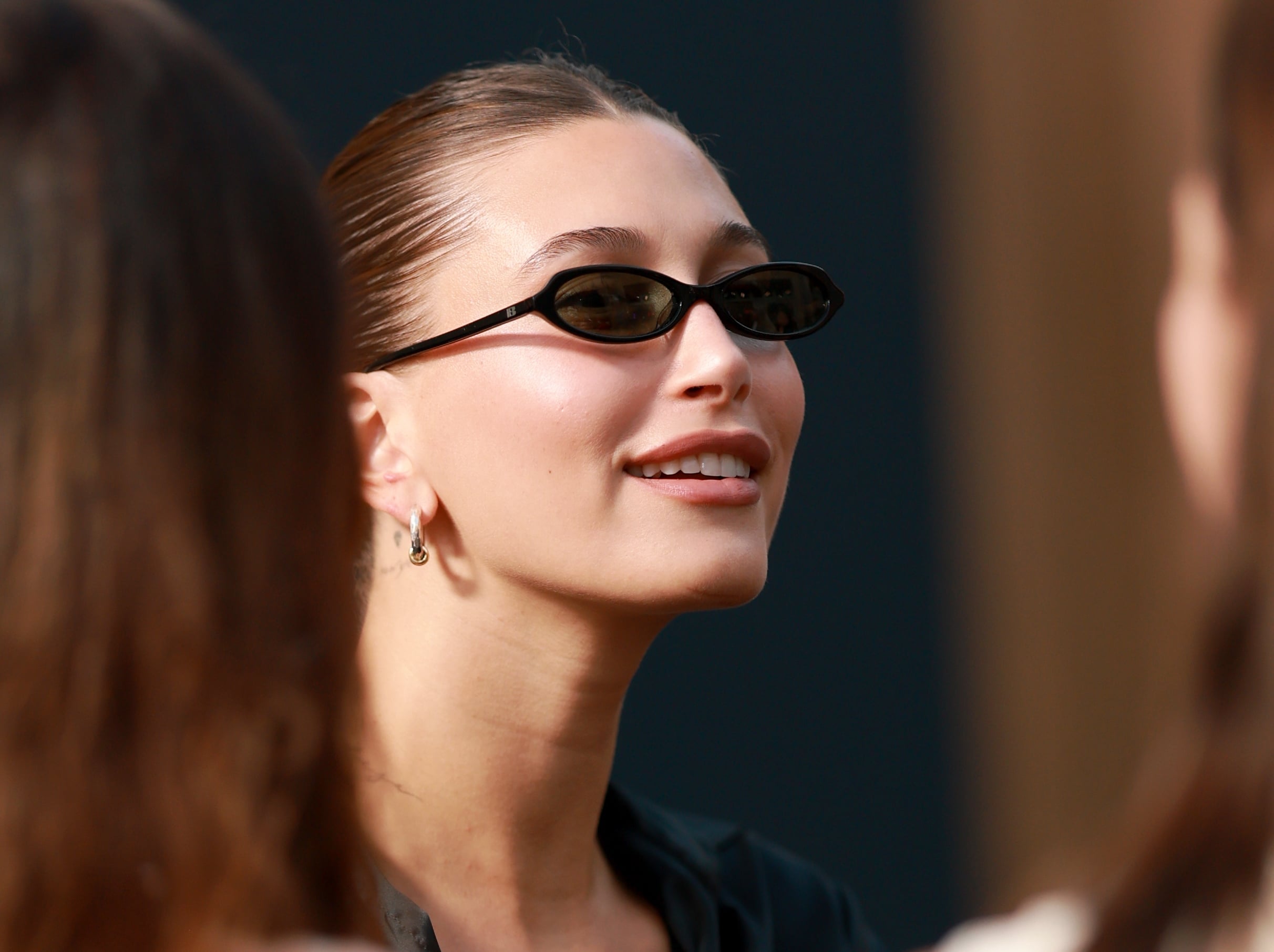
For the past few years, the reigning monarch of fitness feeds has been the Pilates princess. You know her by her uniform (matching pastel set, grip socks, iced matcha) and by her promise: long, lean lines, a body that takes up as little space as possible while looking expensive doing it. It was an aesthetic more than a workout, and it came with a shadow. Critics have called the “Pilates body” one of the most toxic aspirational physiques of the decade, a lean ideal that arrived hand in hand with the mainstreaming of weight-loss injections and quietly taught a generation of women, once again, that smaller is better. Now the pendulum is swinging, and it is swinging toward the squat rack. Enter the muscle mommy: the strong, strength-training woman who counts protein instead of calories, celebrates what her body can lift rather than what it can lose, and represents something fitness culture has not offered in a long time. A body goal that is actually about health.
The Post-Ozempic Pivot: Strength Is the New Status
The shift is measurable, not just vibes. Google searches for “muscle mommy” and “strength training women” spiked through 2025, a jump widely read as proof the strength-first mindset is no longer niche, and the market has followed: brands are racing to feed a new female appetite for protein, from fortified everything to gym-floor real estate once dominated by men. The cultural reading is even more pointed. Some observers have framed the phenomenon as the logical answer to the semaglutide era: if Ozempic makes extreme thinness accessible to anyone with a prescription, thinness loses its status as an achievement, and what comes next is the post-Ozempic muscle mommy. In other words, when shrinking becomes pharmaceutical, strength becomes the new luxury. You cannot inject a deadlift.
Addition Over Subtraction: Why This Body Goal Is Actually Healthy
What makes this trend genuinely different, and genuinely healthier, is its underlying math. The Pilates princess economy ran on subtraction: fewer calories, smaller portions, lighter weights, the eternal fear of becoming “bulky.” The muscle mommy runs on addition. Building muscle requires eating enough, sleeping enough, and training progressively over years; it rewards patience and nourishment rather than restriction, and its side effects read like a longevity prescription, from bone density to metabolic health to the simple psychological revolution of stepping on a scale and caring more about the number on the bar. It is, in effect, the wellness counterpart to the Ozempic crisis: a movement that answers a culture of chemical shrinking with the slow, unglamorous, deeply satisfying work of getting stronger. None of this means the reformer is the enemy, or that a body type should ever be a trend; the wisest voices online are already blending both worlds, pairing Pilates mobility with heavy lifting and training for function rather than for a feed. But as far as aspirational aesthetics go, this one deserves the crown. The Pilates princess asked women to take up less space. The muscle mommy asks them to take up exactly as much as they need, and then to add another plate.


