










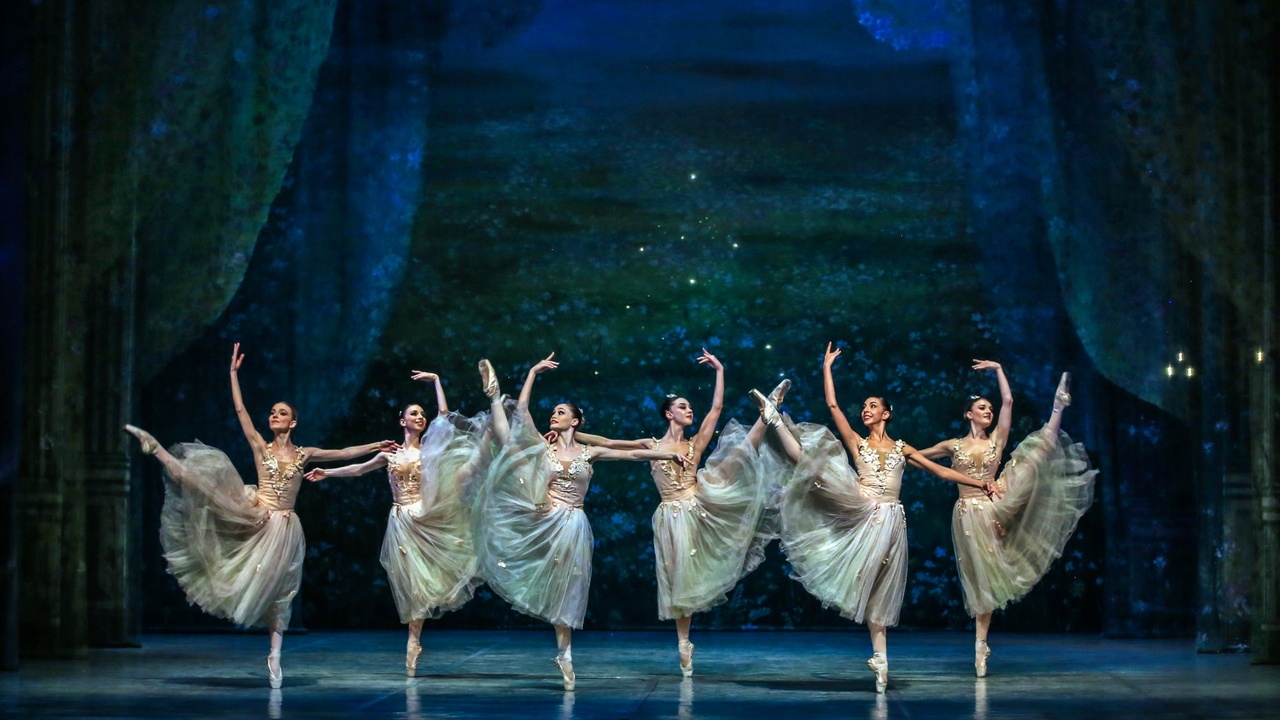
Ballet season begins as a return to one of theater’s most exacting paradoxes: an art built on visible discipline that asks the audience to believe in weightlessness. The great works of classical ballet belong to the history of performance and to the history of images, because they turned the body into a dramatic language long before cinema learned to study a face in close-up. A swan’s neck or a girl in white crossing a moonlit stage can become a complete visual argument, refined over centuries until gesture carries the authority of painting. That is why the iconic ballets still feel culturally alive. Their beauty always arrives under pressure. In Swan Lake and Giselle, the female body becomes the place where enchantment and sacrifice take form. In The Sleeping Beauty and The Nutcracker, fairy tale enters the stricter geometry of court spectacle and musical architecture. In Romeo and Juliet and Coppélia, desire and illusion reveal how much theater depends on the fragile pact between what we see and what we choose to believe. Ballet makes drama visible before it becomes explanation, allowing its classics to return each season with the force of images that still know how to disturb us.
From Swan Lake to Giselle, Ballet Loves a Woman Under a Spell
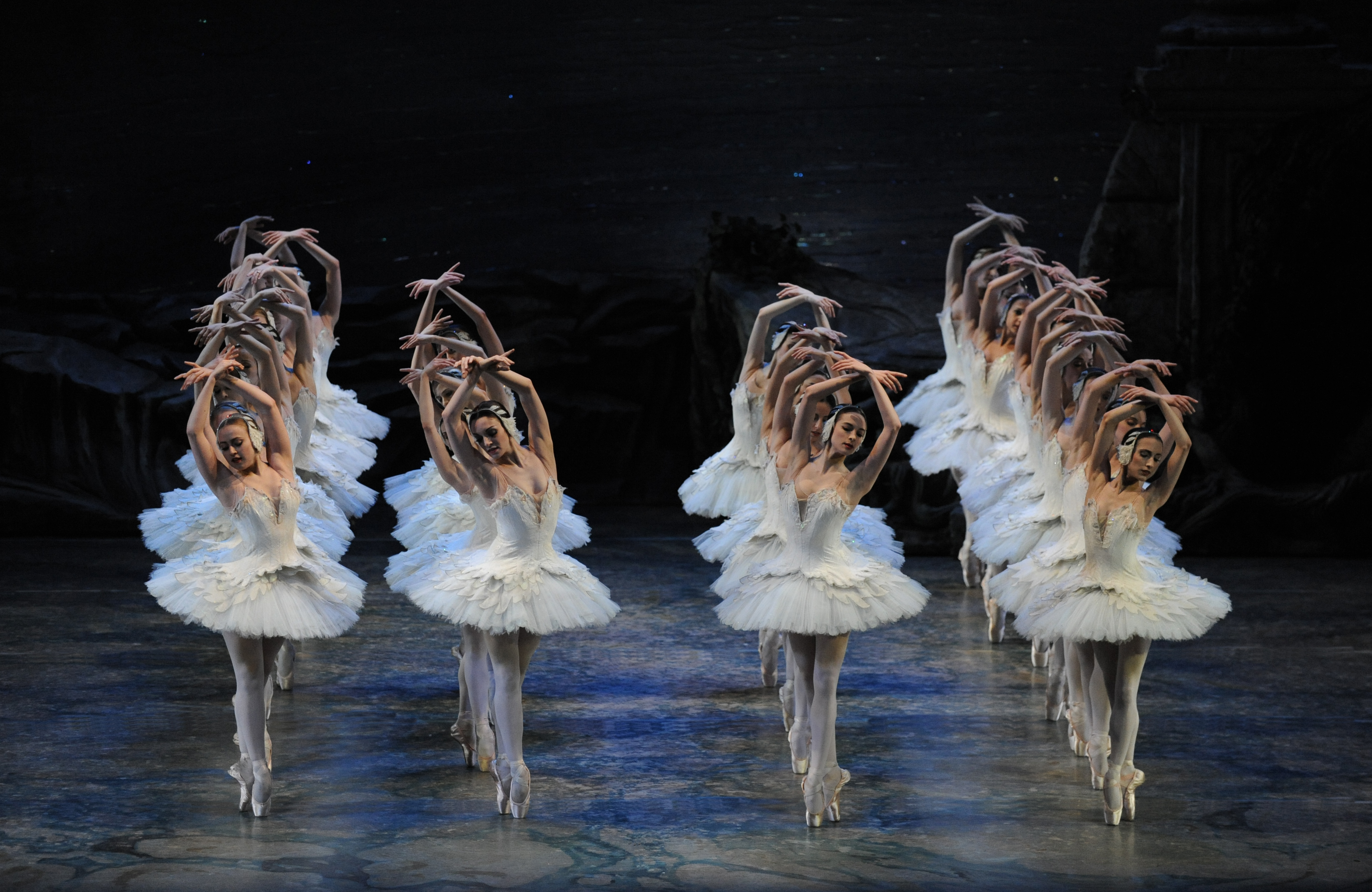
Swan Lake may be the most famous image ballet has ever given the world, although its early history was far from seamless. Tchaikovsky composed the score for the first Moscow production in 1877, while the version that shaped its modern mythology came later, through the 1895 St. Petersburg revival associated with Marius Petipa and Lev Ivanov. The story of Odette, a princess trapped in swan form by a sorcerer’s curse, gives the ballerina one of the repertory’s most demanding acts of transformation. She must move from Odette’s wounded lyricism to Odile’s glittering deception, turning the same body into a study of divided femininity.
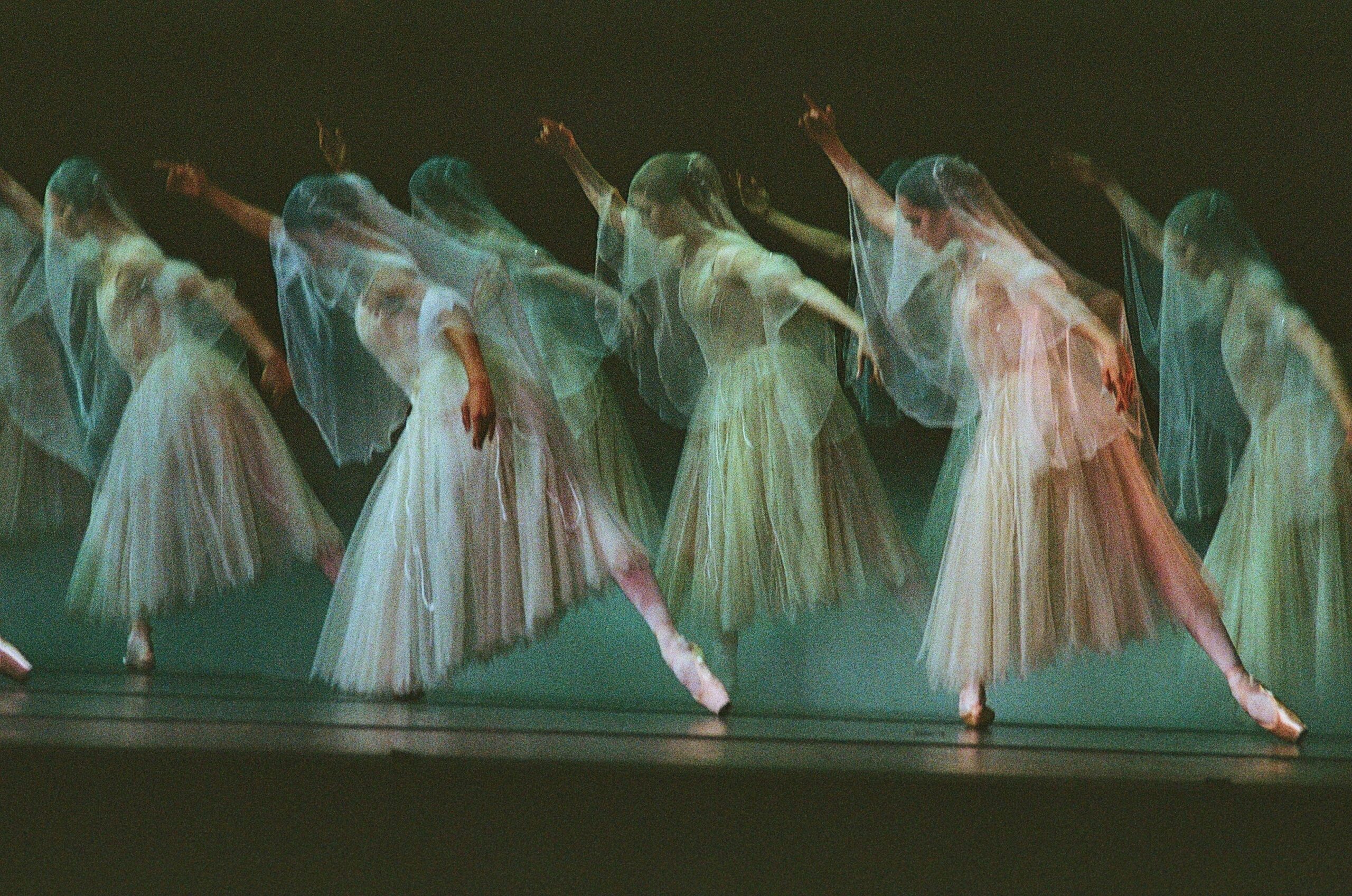
Giselle, first performed in Paris in 1841, belongs to the Romantic ballet tradition, where moonlight and the supernatural became a language of their own. Its heroine begins as a village girl deceived by a nobleman in disguise; by the second act, she has entered the spectral kingdom of the Wilis, women betrayed before marriage who condemn men to dance until death. The ballet’s beauty lies in that passage from earthly innocence to ghostly authority. Giselle becomes most powerful after she loses everything, and her final act of mercy gives the story a moral radiance that still feels devastating.
Fairy Tales Become Ceremony in The Sleeping Beauty and The Nutcracker
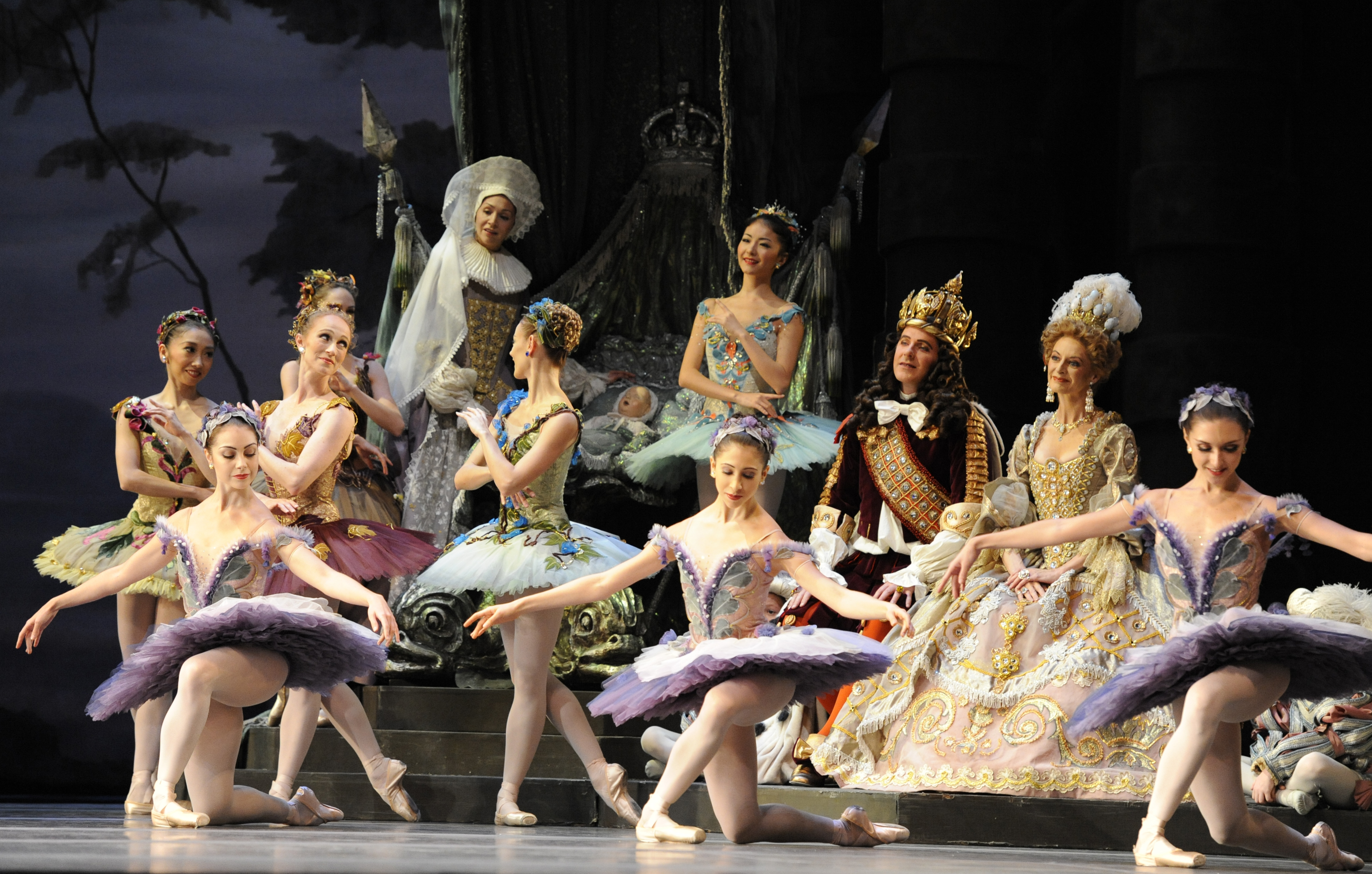
The Sleeping Beauty is classical ballet at its most architectural. Created in 1890 for the Mariinsky Theatre, with choreography by Petipa and a score by Tchaikovsky, it turns Charles Perrault’s fairy tale into a vision of imperial order. Princess Aurora’s story depends on a curse, a sleep and an awakening kiss, yet the ballet’s true drama sits in its magnificent control. The Rose Adagio remains one of classical dance’s great public trials, as Aurora balances among her suitors with the composure of a girl being transformed into an emblem before the court’s eyes.
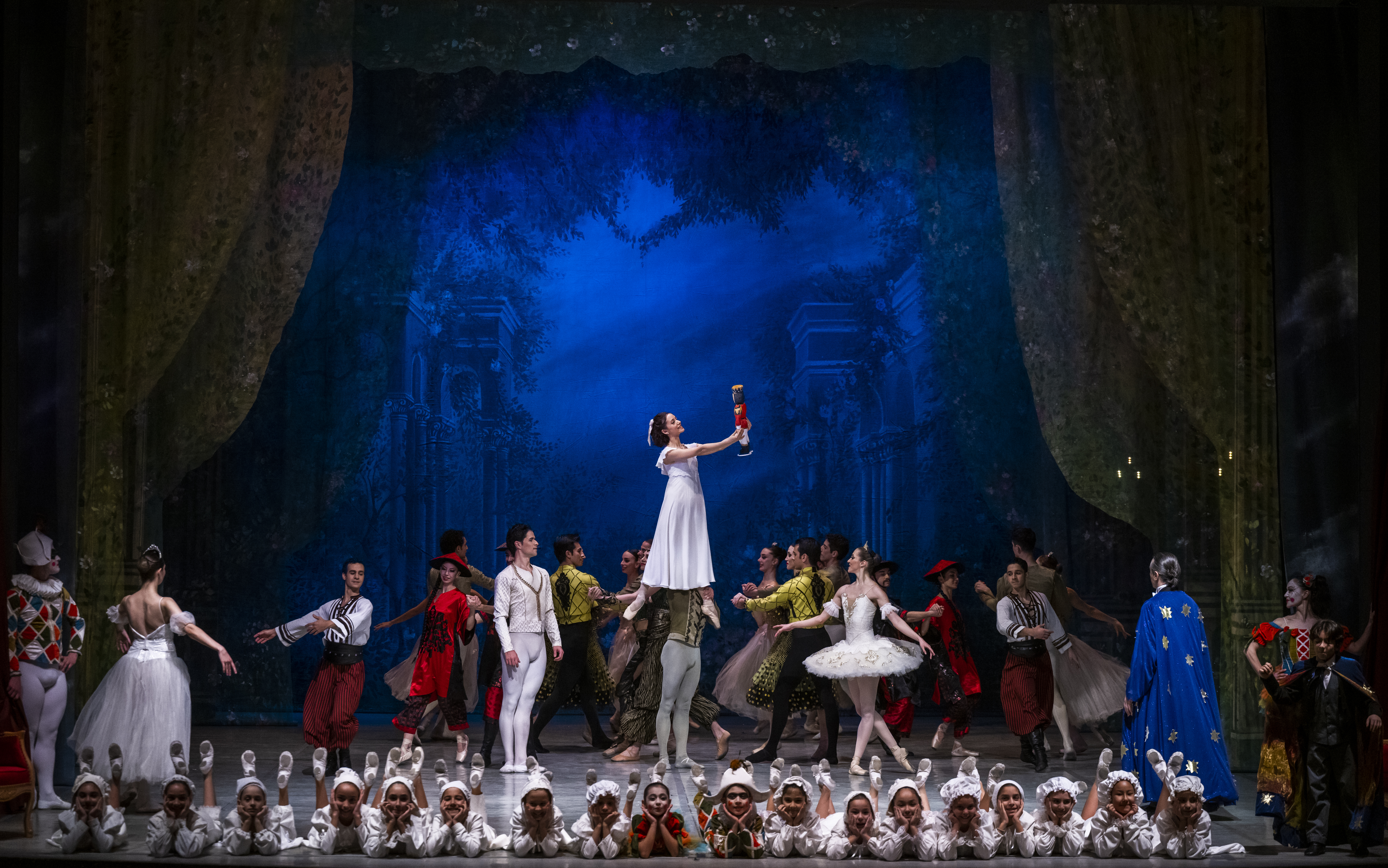
The Nutcracker, first staged in 1892, also comes from the Russian imperial repertory, though its afterlife has become more intimate and more seasonal. Based on E.T.A. Hoffmann’s tale, filtered through Alexandre Dumas, it begins in the domestic warmth of Christmas Eve and then slips into a dream where toys fight and snow turns the stage into a suspended landscape. Its plot has a lighter structure than the great tragedies, but that lightness carries its own mystery. Childhood here becomes a threshold. A room changes after dark, a gift acquires a secret life, and the Sugar Plum Fairy appears like the polished guardian of an imagination too beautiful to last.
Love, Illusion and the Strange Intelligence of the Classics
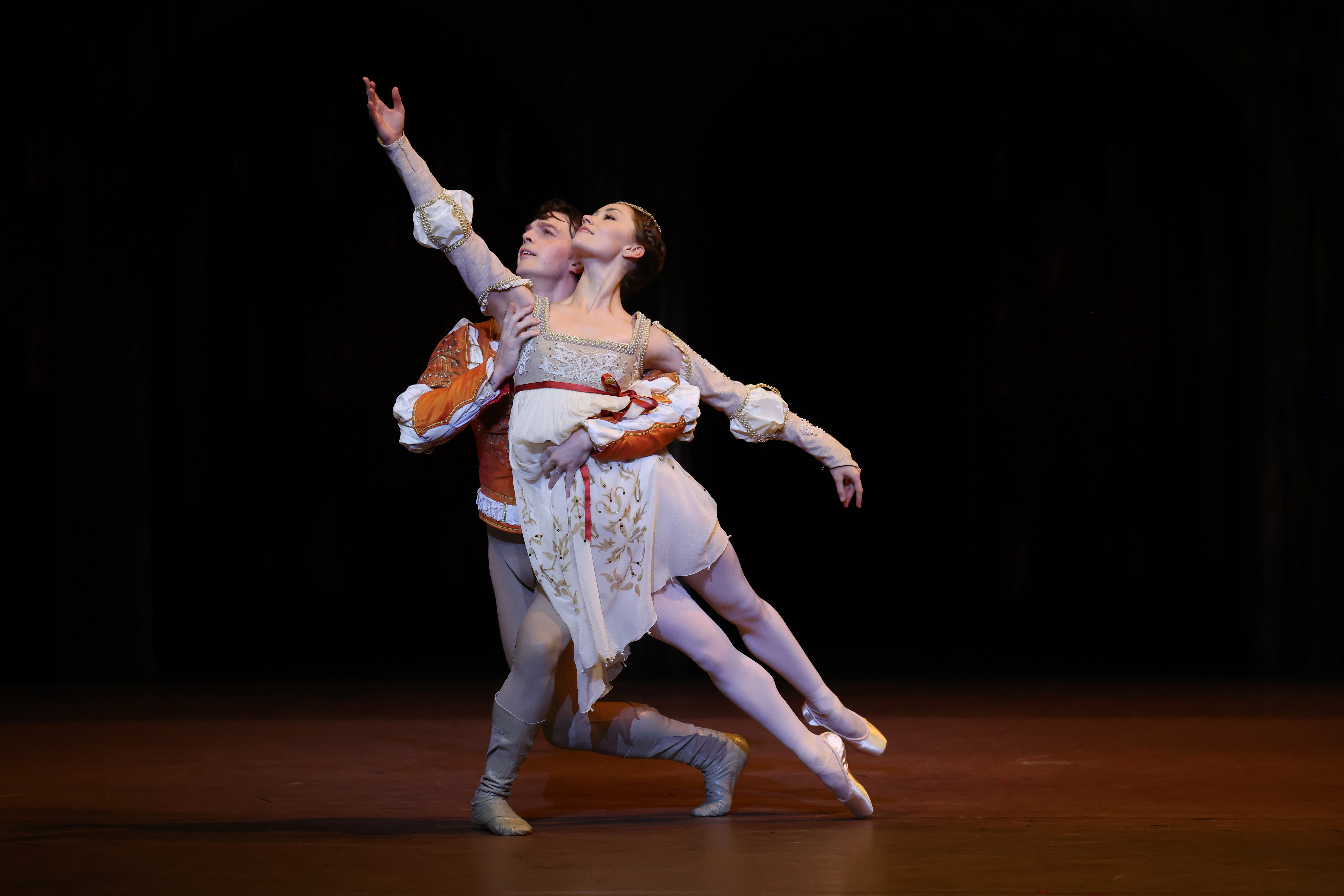
Romeo and Juliet found one of its defining ballet forms through Sergei Prokofiev’s score, whose emotional clarity gave Shakespeare’s tragedy a modern pulse. The story suits dance because so much of it already belongs to the body. Desire arrives before language can protect it; danger is measured in distance and timing. In the balcony scene, the lovers seem to discover trust through weight and flight. In the tomb, the tragedy becomes almost unbearable because the body understands too late what words could never repair.
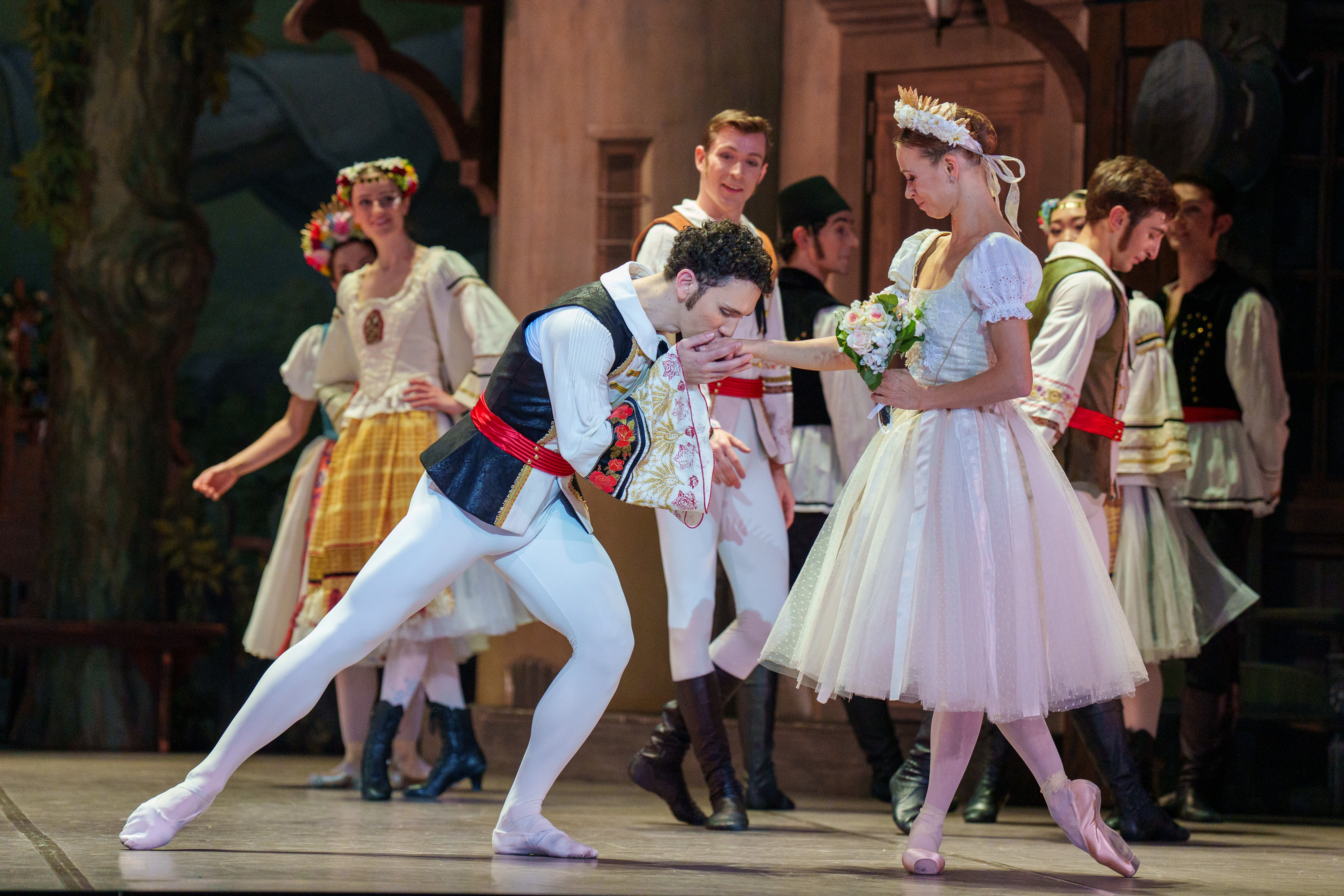
Coppélia, first performed in Paris in 1870 with music by Léo Delibes, offers a brighter kind of theatrical intelligence. Inspired by stories by Hoffmann, it centers on a lifelike doll, an eccentric maker and a young woman clever enough to expose the fantasy. Its comic surface hides a surprisingly modern anxiety about artificial beauty, projection and the temptation to mistake perfection for life. That is the secret elasticity of the ballet repertory. It can move from swan curse to mechanical doll, from courtly order to adolescent catastrophe, while keeping the same essential question alive. What happens when the body becomes the place where desire and illusion finally tell the truth?


