










For years, Jennifer Aniston was painted as a selfish workaholic who chose career over kids. Her new interview hints at the hidden struggle behind those headlines.
The Quote That Wouldn’t Die: How Jennifer Aniston Became The ‘Selfish Workaholic’
Call it the Jennifer Aniston selfish workaholic narrative. For nearly two decades, strangers confidently filled in the blank of why one of the most famous women in Hollywood did not have children. The answer, according to tabloids and online commentators, was simple: she chose work, chose vanity, chose herself.
Jennifer Aniston, 57 years old, finally reminded everyone that she was living a very different story. In a interview with Harper’s Bazaar UK, she recalls hearing people insist she would not have a child or a family because she was selfish, a workaholic. “I’m just a human being,” Aniston says. The subtext: you had no idea what was happening off camera.
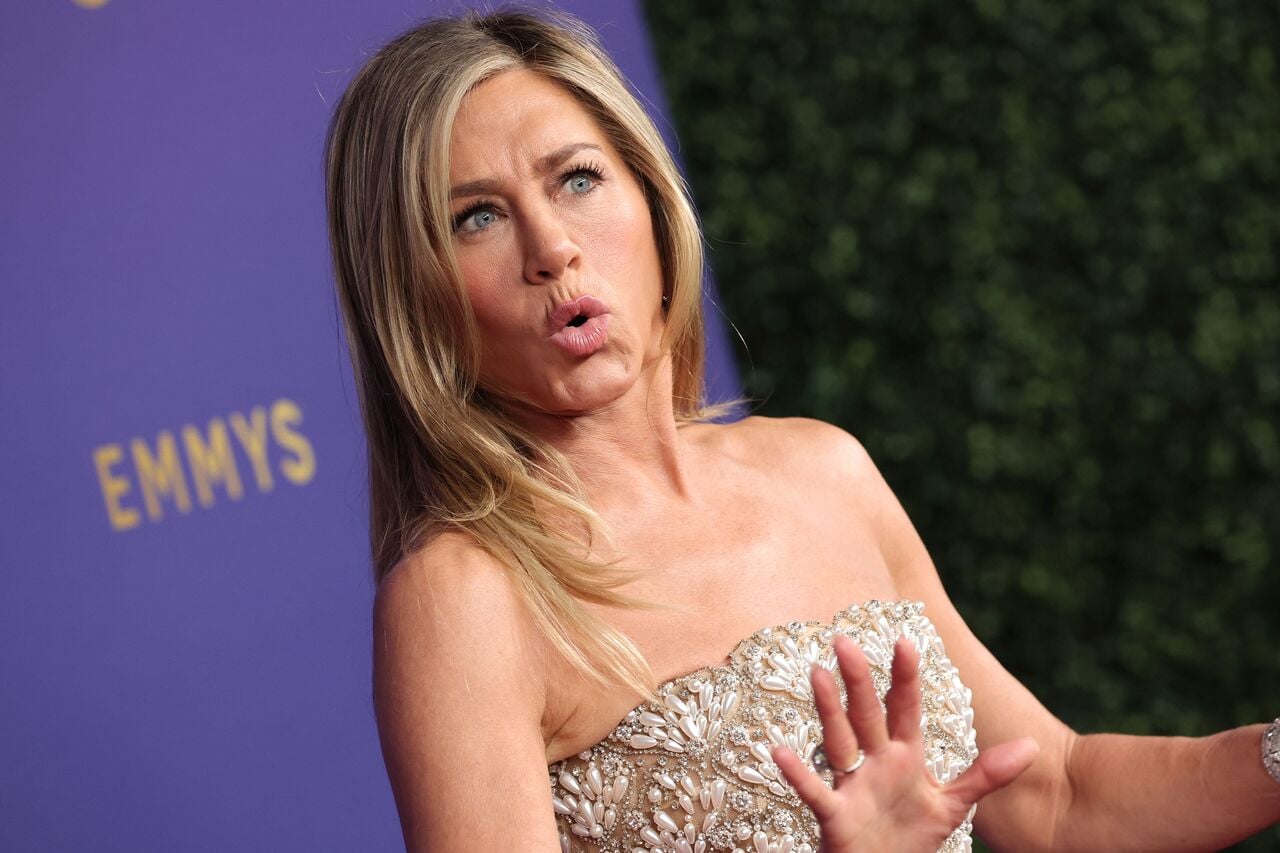
Jennifer Aniston
76th Primetime Emmy Awards, Arrivals, Los Angeles, California, USA – 15 Sep 2024
From ‘America’s Sweetheart’ To Tabloid Archetype
The irony is almost cinematic. Aniston became “America’s sweetheart” thanks to Friends, then got cast as the nation’s cautionary tale: the career girl who could not keep a man and did not want a baby. After her 2005 divorce from Brad Pitt, gossip pages treated his expanding family with Angelina Jolie as Exhibit A that Aniston had failed at the only role women are not allowed to fumble – motherhood.
Never mind that she kept saying it was not that simple. She has talked for years about how dehumanizing that coverage felt, how dismissive it was of her work, her friendships, her life beyond a nursery that refused to materialize. “It affects me, of course. I’m only human,” Aniston says. She understood she was a symbol. She just did not agree with the script.
Behind The Headlines: A Private 20-Year Fight To Have A Baby
Here is the part the public did not see: while that caricature hardened, Aniston was quietly trying to build the very family people accused her of rejecting. She has now described roughly a 20-year stretch of fertility treatments, appointments, hope, and heartbreak. While the world debated whether she “wanted” children, she was spending real money, time, and emotional energy attempting to have them.
IVF, ‘Chinese Teas’ And The Ship That Sailed
Aniston first cracked the door open in her 2022 Allure cover story, revealing she had gone through IVF, drank every “Chinese tea” suggested, and still watched the window close. She admitted wishing someone had urged her to freeze her eggs earlier, not as a scold to younger women, but as the kind of practical intel many of us only get from hushed conversations in bathroom lines.
Now, in the Harper’s Bazaar UK piece, she connects that medical reality with the public story. While paparazzi zoomed in on her stomach on vacation, while headlines wondered if her career had cost her a baby, she was processing the moment she realized, finally, that the ship had sailed. The cruelty is almost efficient: a woman walking through infertility was also being publicly tried for not wanting motherhood enough.
‘It Does Affect Me, I’m Only Human’: What The Narrative Cost Her
Of course it hurt. “It does affect me – I’m only human,” Aniston says. Imagine sitting in yet another waiting room, knowing you might receive bad news, and opening your phone to see strangers framing you as too self-involved to ever try. That gap between her private grief and the public verdict is where the damage lives.
She has spoken about therapy, about learning to stop chasing every headline. These days she points out that a story lives for a day, then vanishes. “My family knows my truth; my friends know my truth,” Aniston says. The rest of us were never actually entitled to it.
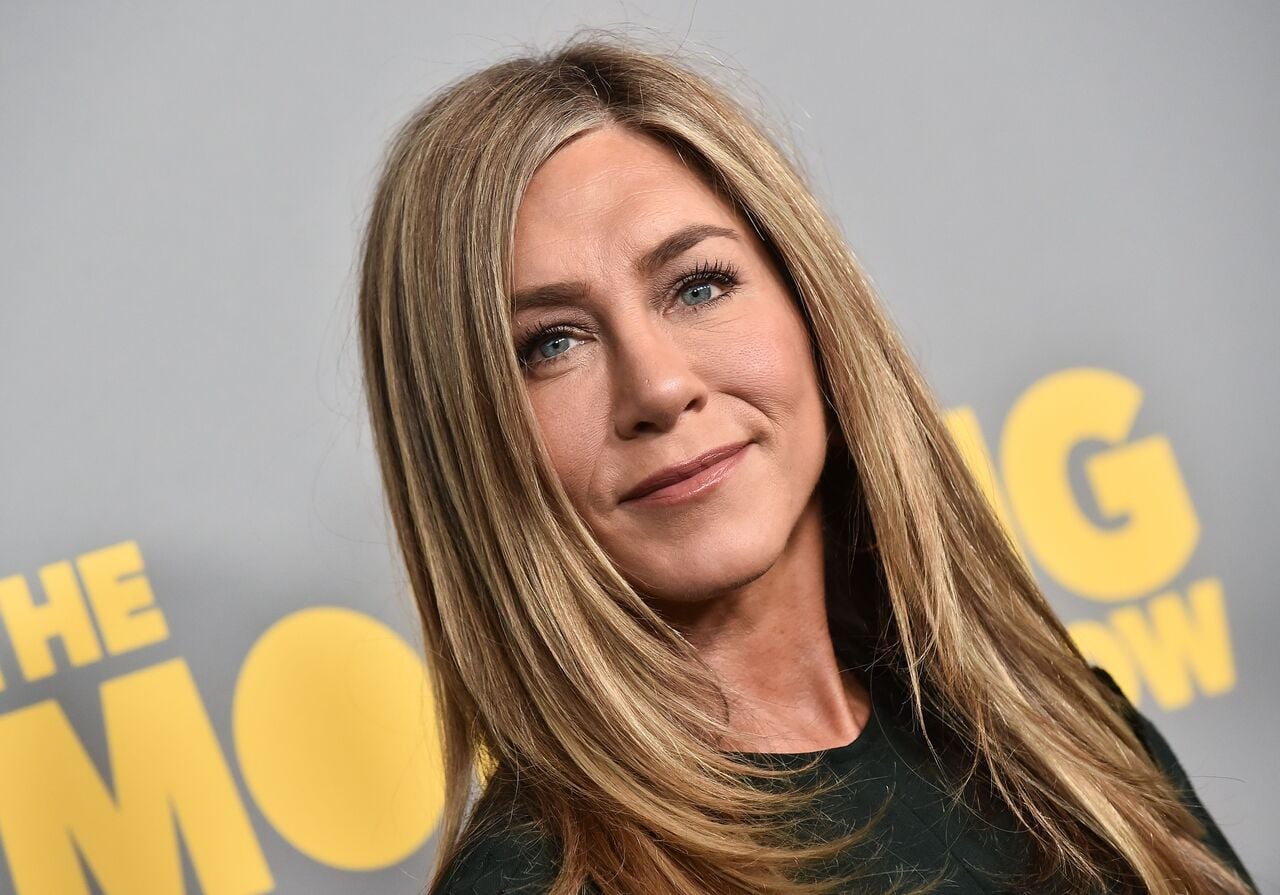
Jennifer Aniston
‘The Morning Show’ Emmy FYC Event Screening, Los Angeles, California, USA – 07 Jun 2026
Jennifer Aniston Vs The Media: From ‘Fed Up’ To Fully Honest
This is not the first time she has pushed back. In her 2016 HuffPost essay “For the Record, I Am Not Pregnant,” she wrote that she was “fed up” with pregnancy rumors and the idea that a woman’s value is tied to a bump. She argued that women with or without children are complete, a sentence that should be obvious and somehow is still radical in certain corners of the internet.
Why The ‘Career Over Kids’ Myth Won’t Quit – And Why It’s Sexist
Yet the “career over kids” storyline clung to her like a bad spray tan. Coverage repeatedly suggested her marriage to Pitt failed because she refused to have a baby, even as he moved on, had children, and was rarely described as having sacrificed anything for work. That asymmetry is the tell. Men’s ambition is aspirational; women’s ambition is framed as collateral damage.
Aniston has called those suggestions a lie. More than that, they erase something fundamental: the reality that you can desperately want children and still not end up with them. Life and biology are messier than a tabloid headline.
What Her Story Says About How We Talk To Women Without Children
If you have ever sat at a bridal shower while someone joked, “You’re next,” this is your cue to wince in solidarity. The line between curiosity and entitlement is thin. When we ask women when they will have kids, or speculate about their bodies, we are doing a polite version of what the tabloids did to Aniston: assuming access, assuming knowledge, assuming the choice is simple.
Curiosity Vs Entitlement: When Questions About Kids Cross The Line
Aniston’s story is a reminder that you never know what is happening behind those questions. Maybe a woman is mid-IVF cycle. Maybe she has decided she does not want children at all. Maybe she is like Aniston – someone who tried, did not get the ending she hoped for, and refuses to let that define her womanhood.
Lessons In Fertility Regret (Without The Fearmongering)
There is also a quieter, practical layer to her honesty. Fertility has timelines. Treatments like IVF can help, but they are not guaranteed, and they are not accessible to everyone. When Aniston says she wishes she had frozen her eggs earlier, it is less an advertisement for procedures than a nudge for younger women to get informed, ask their doctors questions, and make choices on their own clock, not society’s.
Where Jennifer Aniston Stands Now: Peace, Boundaries And Owning Her Story
These days, Aniston sounds lighter. She acknowledges that she cannot police her narrative forever, and that the news cycle moves on whether she corrects every rumor or not. The people who matter to her know what she lived through. The rest of us can either adjust our expectations of women, or keep clinging to a story that was never ours to write.
If there is a takeaway here, it is not just about one actress finally telling the truth about her infertility. It is about learning to retire the lazy script that casts childless women as selfish, and instead allowing for something far more radical in its simplicity: believing them when they say their lives are full, complex, and theirs.


