










From Sunday
strollers to King Charles, walking with your hands behind your back
intrigues psychologists and body-language experts. Does it signal
calm authority, quiet reflection, or something far more
ordinary?
What Walking With Your Hands Behind Your Back Really Means
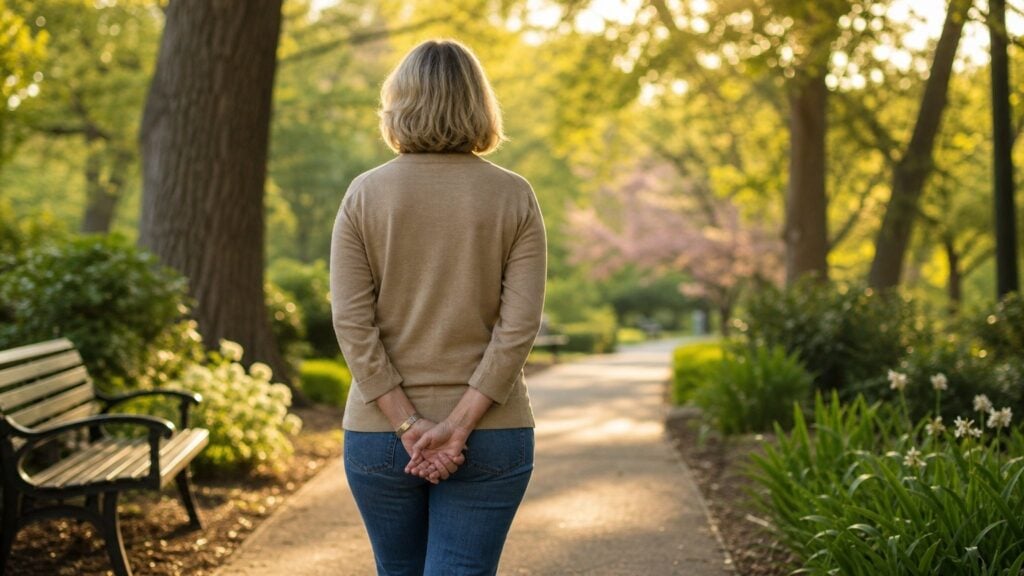
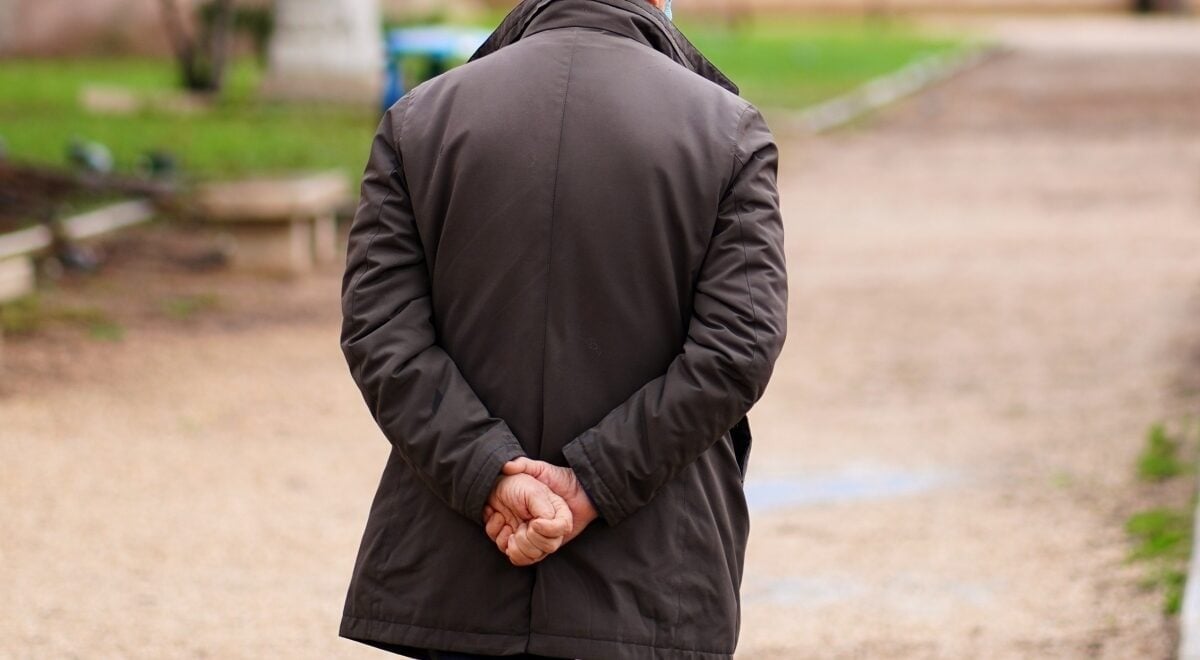
Picture a Sunday in the park: an older man in a flat cap, hands neatly folded behind his back, strolling as if his calendar is blessedly empty. A few feet away, a museum curator glides past a Monet the same way. Even King Charles has turned this into a royal signature. It looks deliberate, almost ceremonial, like they know something the rest of us do not.
Viral headlines insist psychology has cracked the code: if you walk this way, you are calm, reflective, quietly confident. The truth is more interesting. Yes, this walk can be a kind of moving meditation. But it can also be habit, back relief, or a socially learned “I am in charge” pose. The fun lies in teasing apart which is which.
Why This Stroll Grabs Our Attention
Hands-behind-back walking stands out because it breaks our social template. Most people swing their arms; the hands are part of the conversation. Here, the arms retreat, the chest opens, the pace often slows. It reads as slow life in motion.
Body language authors like Allan and Barbara Pease, in The Definitive Book of Body Language, point out that gait is emotional shorthand. Powerful people tend to move with purpose; Sunday strollers meander. When you clasp your hands behind you, you look less rushed and more absorbed in your own thoughts, which is why so many of us instantly file it under “philosopher on a walk.”
What Psychology Actually Says About The Posture
In strict research terms, there is no famous study where scientists told half the participants to clasp their hands behind their backs and then measured their sudden inner peace. The field that comes closest is embodied cognition, which looks at how posture and movement affect mood and attention.
At the University of Auckland, for example, volunteers asked to walk upright during a stressful task showed fewer low-energy negative emotions and slightly lower stress markers than slouched walkers. A University of Essex experiment found that placing the hands behind the back changes how the brain allocates tactile attention. None of this proves that one specific gesture equals serenity; it shows that how we arrange our bodies quietly shapes how we feel and focus.
So when you google “walking with hands behind back psychology,” remember the scientific bottom line: posture matters, but there is no one-gesture, one-personality rulebook.
The Main Meanings People Read In Hands-Behind-Back Walking
Reflection And The “Mental Pause”
Many psychologists describe this as a built-in pause button. With your hands tucked away, you remove one source of fidgeting and visual noise. Your walk slows, your gaze lifts, and the brain finally gets a little bandwidth to think clearly. `”For many people, it works like a mental pause,” therapists say.`
This is why you see it on people solving a problem mid-walk or replaying a conversation in their heads. The posture does not magically create wisdom, but it can support reflection by literally getting your hands out of the way.
Confidence And The Royal Stroll
There is also a low-key power move here. By exposing your torso and vital organs, you signal that you are not expecting a threat. That reads as confidence. Think royals on walkabout, a headteacher doing hallway rounds, or a manager inspecting the factory floor.
Body language experts note a difference between gently clasping one hand in the other and gripping your own wrist. The first often telegraphs calm authority; the second edges into self-restraint.
Self-Control Or Held-Back Emotion
When one hand clamps the other wrist or forearm, the symbolism is hard to miss. Your hands are literally holding each other back. `”It is a posture of control,” psychologists say.` It often shows up when someone is trying very hard not to interrupt, not to snap, not to reveal nerves.
If you catch yourself pacing this way before a tense meeting, you are probably using the pose as a silent “get it together” reminder.
Simple Comfort, Habit And Age
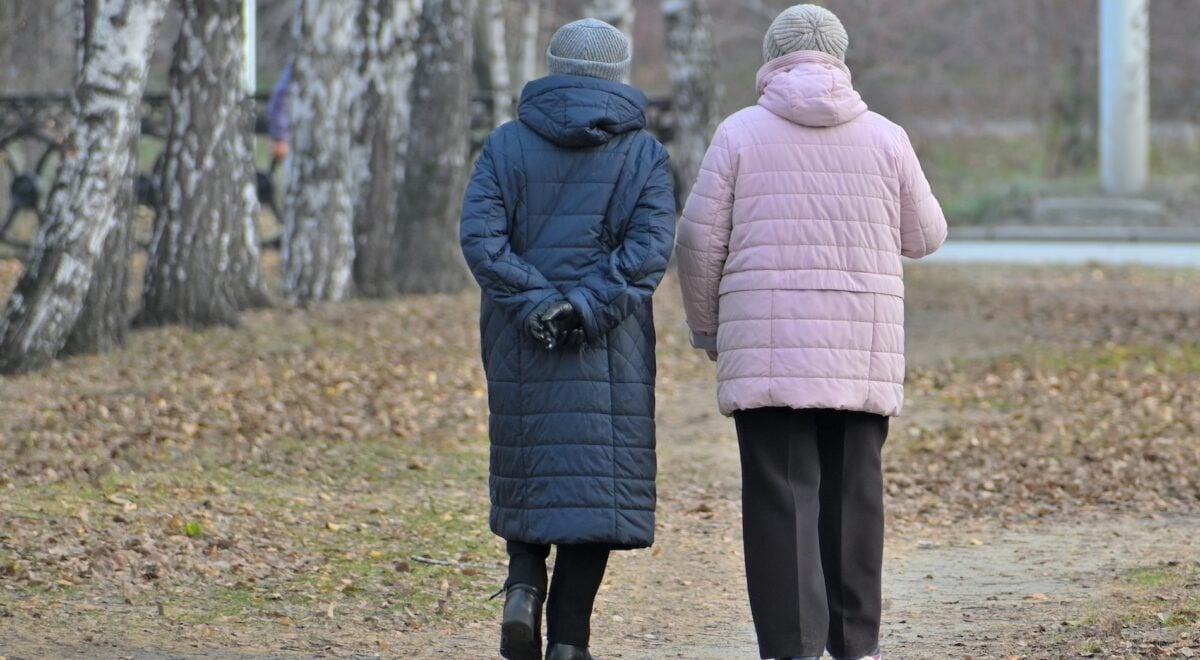
Not every hands-behind-back stroller is a philosopher king. For many older adults, this position gently opens the chest, pulls the shoulders back, and can ease certain types of back or neck tension. It simply feels better than letting the arms hang.
There is also imitation. If your grandfather, a beloved teacher, or a strict officer walked like this, you may have picked it up without noticing. In that case, the gesture tells a story about your body and your role models more than about your current emotional state.
When It Reads As Arrogant Or Distant
Context can flip the script. In a quiet gallery, the pose looks thoughtful. In a heated office debate, the same stance, paired with a tilted chin and minimal eye contact, can suggest detachment or superiority. You look like you are above the fray, not in it.
How To Read The Gesture Without Over-Analyzing People
Use the hands as one clue, not your entire case file. Scan the rest of the body: are the shoulders relaxed or tight, the jaw soft or clenched, the pace strolling or marching, the eyes curious or locked on the floor? A reflective, calm version looks open and unhurried; a stressed version looks rigid, with that telltale wrist grip.
And if you are tempted to diagnose a stranger’s personality from across the street, resist. This posture is far better at starting a question than providing an answer.
If You Walk This Way Yourself
If clasping your hands behind your back makes you feel grounded, use it. Try a two minute “clarity stroll”: hands gently folded, shoulders down, eyes taking in the street or hallway while you let one question run through your mind. Notice if your thinking actually feels clearer.
Just remember the social read. In high-emotion conversations or job interviews, a more open, gesturing style can land as warmer and more engaged. Save the hands-behind-back walk for reflective solo laps, gallery dates, or those rare mornings when you genuinely have time to wander and think.


