










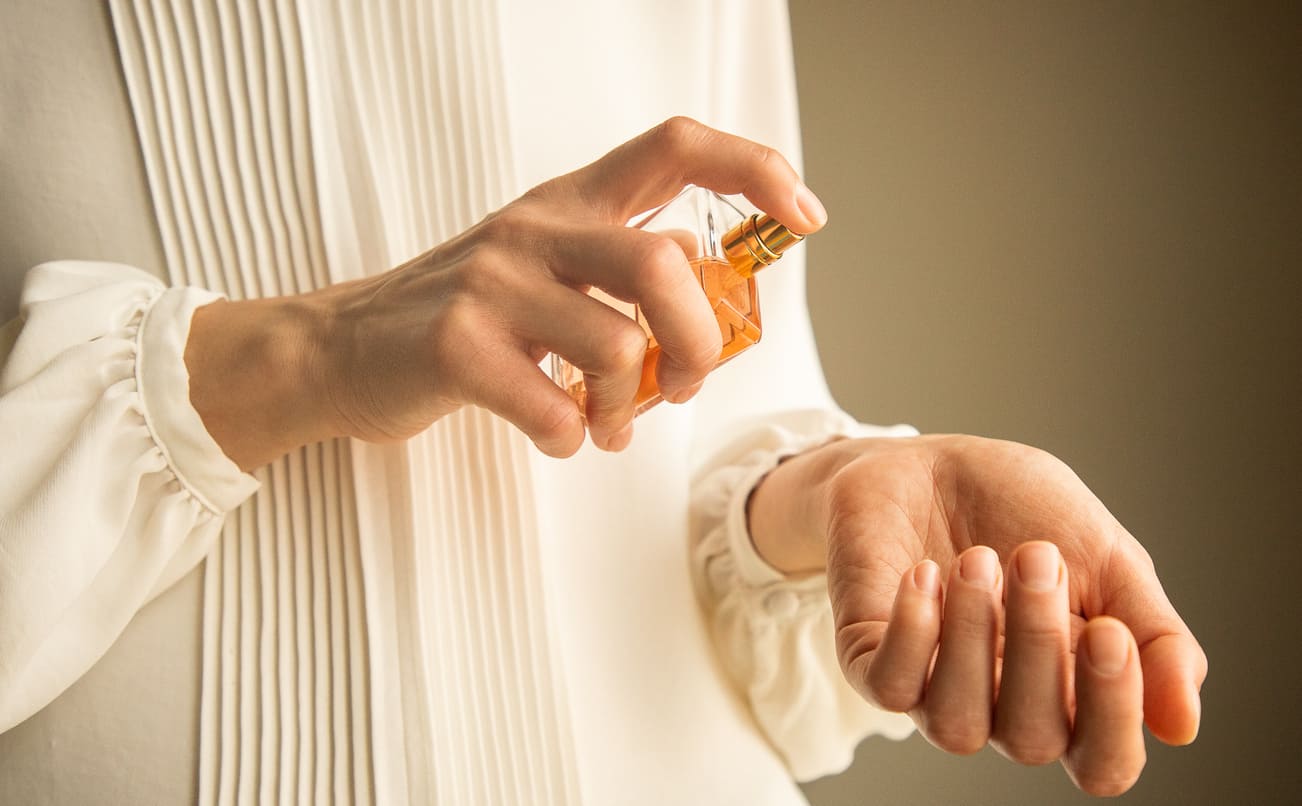
You catch a whiff of something unexpectedly familiar at a fragrance counter – clean linen, a sun-drenched field somewhere in the South of France, maybe even your grandmother’s dresser drawer. Except the bottle in front of you looks nothing like your grandmother’s perfume. It is sleek, unisex, and decidedly modern. That scent you are smelling is lavender, and it is staging one of the most surprising comebacks in the fragrance world right now.
Why a once-forgotten flower is suddenly everywhere again
Trends in perfumery have a way of resurrecting what we thought was permanently out of style. After vanilla made a splashy return and gourmand fragrances – those sweet, dessert-like compositions – dominated shelves for the past few seasons, perfumers are now turning their attention to another deeply nostalgic raw material: lavender. As Vogue Scandinavia has reported, the ingredient is determined to shed the slightly old-fashioned image that has clung to it for decades.
For most of us, lavender triggers an instant mental picture. Fresh laundry. Summer days in the countryside. Sachets tucked into linen closets. Those associations are comforting, sure, but they also boxed the note into a narrow corner of perfumery – one that younger consumers simply were not interested in exploring. So what changed?
The short answer is that the way perfumers use lavender has changed dramatically. Icelandic perfumer Andrea Maack has identified lavender among those slightly kitsch raw materials that are now surging back into relevance. According to her, it is no longer solely an old-lady scent. The note is simply not worn the same way it was a few decades ago, and that distinction matters enormously.
The secret behind lavender’s modern reinvention
Rather than leaning exclusively into lavender’s floral and aromatic character – the profile we all recognize from soap bars and pillow sprays – today’s noses are deliberately pairing it with far more unexpected ingredients. That element of surprise is the real engine behind this revival.
Maack herself has blended lavender with oud, a dense, resinous note derived from agarwood, alongside other darker ingredients capable of revealing a radically different facet of the flower we thought we knew by heart. The result is a scent that retains lavender’s signature freshness but gains considerable depth and, crucially, a sense of modernity that feels right for today.
Think of it as the difference between a vintage floral housedress and a tailored linen blazer. Same fabric family, completely different attitude. Lavender mixed in different ways – that is precisely the formula driving its resurgence. When it is allowed to be moody, woody, or even a little brooding, the ingredient suddenly speaks to people who would have scrolled right past it a few years ago.
A new generation builds an olfactory wardrobe
This shift is not just about ingredients. It reflects a broader change in how younger fragrance lovers think about scent altogether. Sandra Kinnmark, founder of the Swedish brand No Ordinary Scent, told Vogue Scandinavia that there is a growing interest in craftsmanship and in expressing individuality through fragrance. The idea of a single signature perfume is gradually giving way to a full olfactory wardrobe – a rotating collection of scents that you switch up depending on your mood, the season, or the occasion.
In that context, bringing back a raw material as emotionally loaded as lavender makes perfect sense. It offers a hit of nostalgia without feeling predictable, especially when it is framed within compositions that push boundaries. And lavender is not the only formerly old-fashioned note enjoying a second act. Rose, long tied to the powdery perfumes of another era, is reinventing itself too. Kinnmark specifically points to rose oxide, a molecule she describes as green, metallic, and sparkling – a far cry from the soapy facets traditionally associated with the flower. That reinterpretation is already showing up in several unisex launches.
Vanilla, lavender, rose – perfumery seems to be drawing from its memory bank without trying to reproduce the past exactly as it was. These notes return carrying a welcome touch of nostalgia, which is part of their charm, but they arrive stripped of the old clichés that once made them feel tired.
What this means for your next fragrance pick
If you have been avoiding lavender because it reminded you of your grandmother’s bathroom cabinet, now might be the time to revisit it with fresh eyes – and a fresh nose. Andrea Maack sums up the moment neatly: lavender is having its time, and it can be worked in so many different directions that the possibilities feel almost limitless.
The scents that once perfumed our grandmothers’ closets could very well become the ones a new generation is most eager to wear. The next time you are sampling fragrances, do not skip over a composition just because you spot lavender in the notes. What you discover might be the furthest thing from old-fashioned you have ever smelled.


