










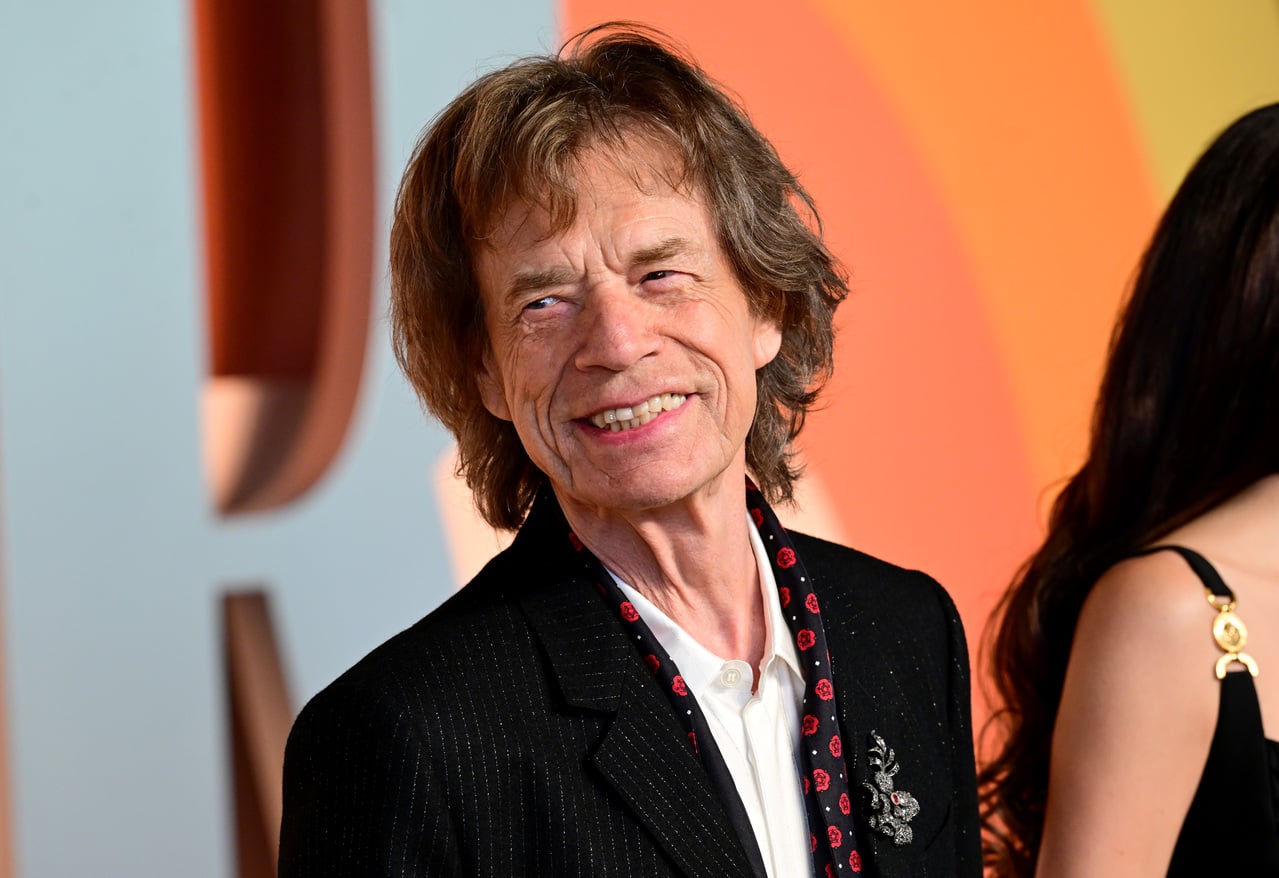
Mick Jagger
Vanity Fair Oscar Party, Arrivals, Los Angeles, California, USA – 02 Mar 2025
Mick Jagger may be rock’s ultimate nomad, but his happiest place on earth is not a stadium, a penthouse, or even a Caribbean island. It is an 18th century French château in the Loire Valley where he spends his summers gardening, recording and, occasionally, setting off fireworks for his birthday.
The estate is called Château de Fourchette, and it looks exactly like the country house you would build in your head if someone said “old-money France.” Rectangular, topped with a mansard roof, wrapped in 50 acres of manicured nature –– and hiding a professional recording studio where The Rolling Stones made their 2005 album A Bigger Bang. It is part noble residence, part rock laboratory, and very much Jagger’s long term love affair.
Château De Fourchette At A Glance
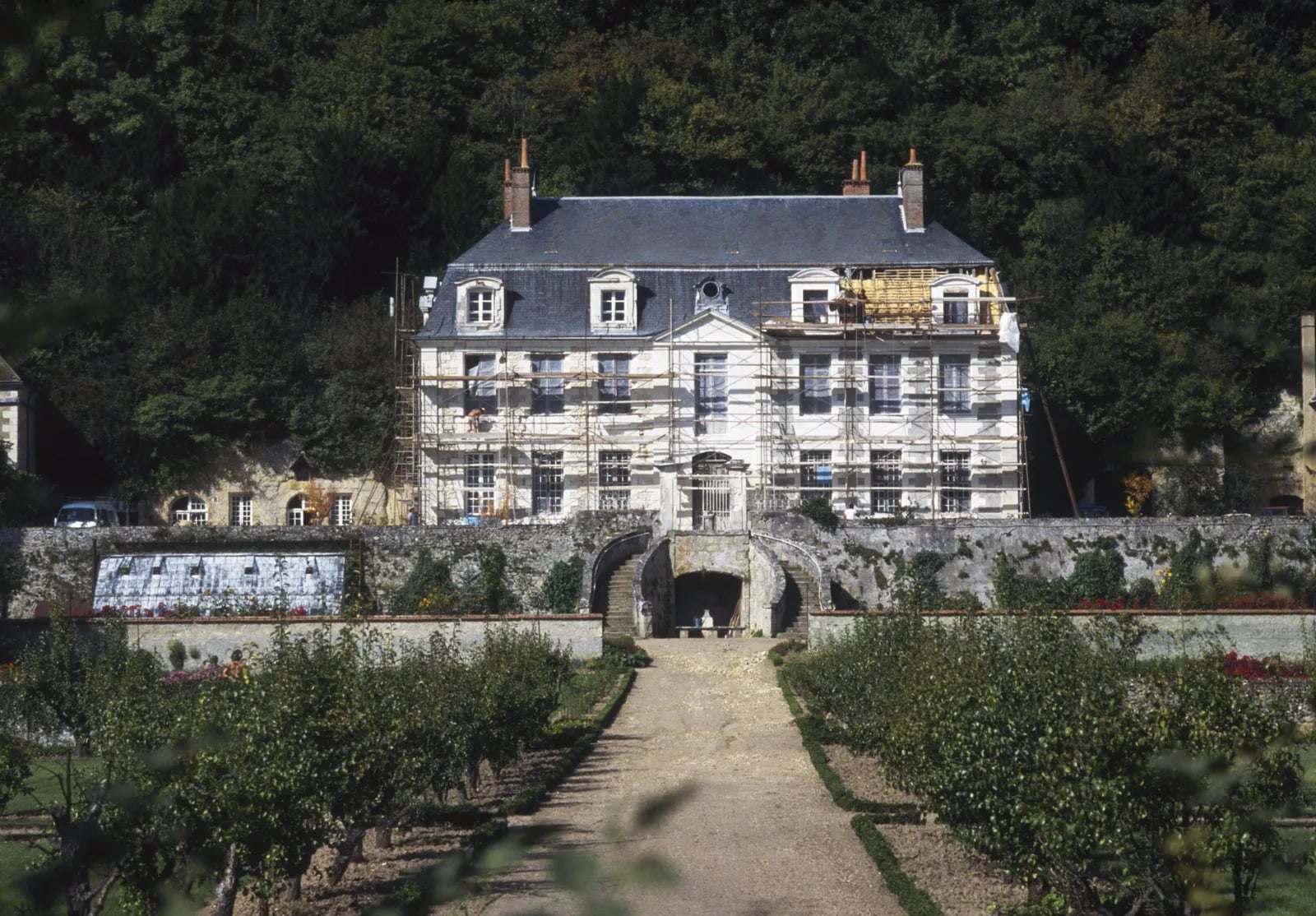
Fourchette sits in Pocé-sur-Cisse, a small town near Amboise in the Loire Valley, the stretch of countryside lined with royal castles that French tourism cheerfully calls the valley of kings. Built in the 18th century and classified as a historic monument since the early 20th century, the main house is all symmetry and proportion, the kind of architecture that makes even a rock star stand a little straighter.
Long before any Rolling Stones guitars echoed through its rooms, the property belonged to Duke Étienne-François de Choiseul, a powerful army officer and diplomat under Louis XV. The idea that a statesman once paced those same corridors only adds to the fantasy: one château, two very different versions of power dressing.
Jagger’s connection to this quiet corner of France actually started in far less glamorous surroundings. As a child he spent holidays at the Île d’Or campsite a short drive away, the kind of riverside vacation that involves tents, not turrets. Decades later, when he was looking for a rural escape, he came back not as the kid in the camper but as the neighbor in the château.
The Surprisingly Sensible Real-Estate Move
When Jagger bought Château de Fourchette in 1980, he reportedly paid 2.2 million French francs, roughly $477,000 at the time. For that price he acquired an 18th century listed monument, a vast park and more rooms than even a Rolling Stone can reasonably dust. By celebrity standards, it reads less like a flex and more like an absurdly shrewd buy.
French reports say he later invested several million euros into renovations and landscaping, respecting the bones of the house while upgrading it for contemporary life and professional music work. Today, lifestyle outlets casually estimate the property in the multi million range, which makes that original price tag feel like the steal of the century rather than a rock star splurge.
What is striking is not the number, though, but the patience. In a world where famous people flip houses the way the rest of us change throw pillows, Jagger has held onto Fourchette for more than four decades. He returns each summer, treats it as a real home rather than a photo op, and lets the investment quietly mature while he prunes the roses.
What Life Inside The Gates Actually Looks Like
Beyond the main façade, the estate opens into 50 acres of carefully composed landscape. There are landscaped gardens, a pond and waterfall, a swimming pool and a tennis court. A Japanese pagoda punctuates one corner of the grounds; a small chapel anchors another. Trees have been planted strategically so you cannot easily glimpse the house from the road, a very literal lesson in boundaries.
Closer to the house, the fantasy gets more intimate. Jagger keeps a vegetable garden and rose beds, and he reportedly looks after a small flock of sheep. He does do-it-yourself projects, cooks, plays guitar and generally leans into a rural routine that sounds more like a very chic retiree than the man who once strutted through stadiums in skintight jumpsuits.
Inside, the décor leans historic rather than rock-myth obvious. Design stories about the château describe an Empire style library and Louis XVI inspired rooms, with bespoke upholstery sewn from fine fabrics chosen specifically for the house. One upholsterer recalled fabrics whose colors appeared to shift with the light, so the furniture seemed to change character throughout the day. There is even a sink skirted with fabric, a tiny, slightly eccentric detail that feels more grand-mère than groupie.
During COVID lockdowns, the world finally got slivers of this life. Jagger filmed segments from the château for The Tonight Show Starring Jimmy Fallon and for charity videos, spoofing his own daily routine as he fixed things, exercised and sauntered past oil paintings. Locals say that around July 26, his birthday, fireworks sometimes arc above the tree line, hinting at parties that the valley keeps politely to itself.
The Recording Studio In The Valley Of Kings
Hidden among all this historic calm is a fully equipped recording studio. The Rolling Stones used it to cut A Bigger Bang, the 2005 record that ended an eight year studio silence for the band. Fourchette slots neatly into their long tradition of turning grand houses into creative bunkers, from English country estates to seaside villas, but this one belongs squarely to Jagger.
For him, it means work and retreat live in the same place. He can finish pruning a row of roses and then walk a few steps to test a new riff, without ever seeing a paparazzi lens. During the pandemic, that studio and its adjoining rooms also let him beam performances and appearances to global broadcasts without leaving his French bubble.
These days he reportedly splits his time between Fourchette and a riverside home in London with fiancée Melanie Hamrick, using the château as a summer headquarters where family, friends and the occasional chef circulate in and out. In the nearby village, people are used to the idea that the man picking up supplies may also be the man who headlined their parents’ record collections.
For fans and design obsessives alike, that may be the real appeal of Mick Jagger’s French château. It is not just a fantasy set piece or a backdrop for a glossy shoot. It is a lived-in, historically rich home where a global star does very ordinary things between very unordinary recording sessions. Which is oddly reassuring: if Mick Jagger can spend his seventies fussing over vegetables and perfect acoustics in the Loire Valley, there is hope for all of us aging into our own version of quiet luxury.


