










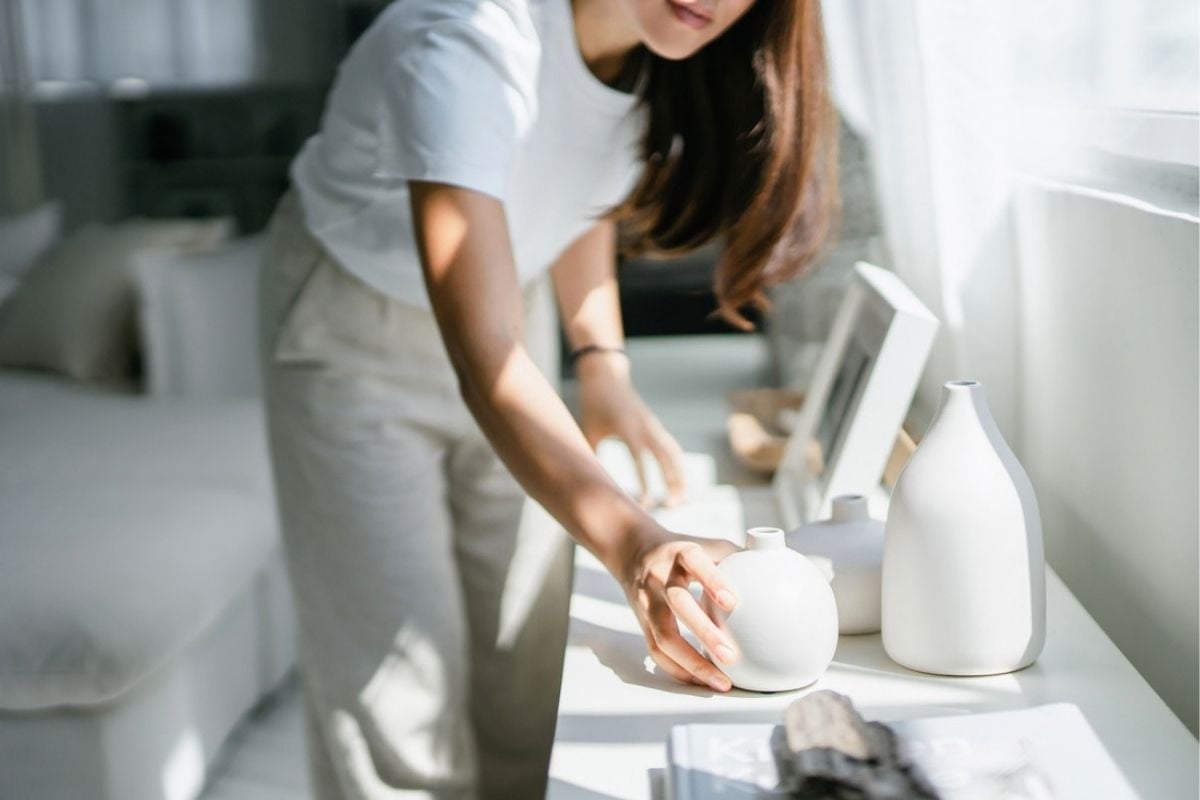
You hear the doorbell is about to ring in forty-five minutes, and suddenly the apartment looks like a crime scene. Dishes migrate to the sink, throw pillows get fluffed with suspicious urgency, and a damp cloth races across every visible surface. Most of us laugh it off as a quirky panic reflex – a harmless burst of vanity before company arrives. But what if that whirlwind tidying session said something far more meaningful about who you really are? According to psychologists and behavioral researchers, it does, and the trait it points to is one we rarely give ourselves credit for.
Why a quick cleanup is never just about appearances
On the surface, scrubbing the kitchen counter before a friend walks in seems like common courtesy. Dig a little deeper, though, and the motivation becomes more nuanced. People who carefully prepare their space before a visit are not simply chasing a magazine-worthy look. They are trying to offer comfort, anticipate what a guest might need, and create a warm atmosphere rather than merely impress.
That distinction matters. Daniel Goleman, the author who popularized the concept of emotional intelligence, has long argued that self-awareness and awareness of others are what strengthen interpersonal bonds. When you tidy up for someone, you are essentially putting yourself in their shoes – imagining what will make them feel welcome and adjusting your environment accordingly. A clean home, in that light, becomes a silent message that communicates care without a single word being spoken.
So the next time you catch yourself frantically wiping down the bathroom mirror, consider this: you might not be anxious at all. You might simply be emotionally attuned.
The science behind tidying and stress relief
There is also a deeply personal benefit hiding inside those repetitive cleaning motions. For some people, sorting, organizing, and scrubbing before a visit is a way to regain control over their surroundings. The sense of order that emerges goes well beyond the material dimension. These repetitive gestures often calm the mind, reduce the feeling of chaos, and mentally prepare us to welcome someone under the best possible conditions.
A 2020 study published in Personality and Social Psychology Bulletin supports this idea. The research found that living in a cluttered, disorganized environment increases both stress and fatigue. Viewed through that lens, pre-guest cleaning is far more than a chore – it becomes a genuine act of self-care, helping the host recover a sense of serenity before a moment of shared connection. Hosting others in an organized space can therefore be beneficial for the guests and the person welcoming them alike.
In other words, when you declutter your living room, you are also decluttering your headspace. The two processes feed each other, and the payoff is a calmer, more present version of you when the doorbell finally rings.
Cleaning as a love language you never recognized
We tend to think affection shows up in grand gestures – heartfelt speeches, thoughtful gifts, elaborate surprises. But Dr. Gary Chapman, in his theory of the 5 love languages, points out that some people express love primarily through acts of service. Preparing a welcoming home, attending to every small detail, and making sure everything feels pleasant for a visitor is a concrete way of saying that the other person matters deeply – without uttering a word.
This kind of attention demands time, energy, and a genuine intention directed toward someone else. It is not performative. It is relational. And it reveals a strong capacity for anticipation paired with a heightened social sensitivity. People who clean before hosting tend to notice more easily what could put someone at ease or, conversely, create discomfort, and they adjust their environment accordingly.
Daniel Goleman reminds us that self-awareness is one of the essential foundations of emotional intelligence. In this context, a tidy apartment can say a great deal about how a person cares for their surroundings – and, more importantly, for the people they choose to invite into them.
What your cleaning habit actually says about you
Here is what you know now that you did not before: that frantic burst of vacuuming is not neurosis, and it is not vanity. It is a behavioral marker of high emotional intelligence – an ability to read social cues, anticipate needs, and translate empathy into tangible action. It is also a self-regulation tool that lowers your own stress while simultaneously creating a better experience for the people you care about.
The takeaway is refreshingly simple. If you are someone who cannot sit still when guests are on their way, stop apologizing for it. That instinct is one of the quietest, most underrated ways you show the people in your life that they are valued. Your sponge, your dustpan, and your last-minute pillow arrangement are doing emotional work most people never even notice – and that is precisely what makes it meaningful.