










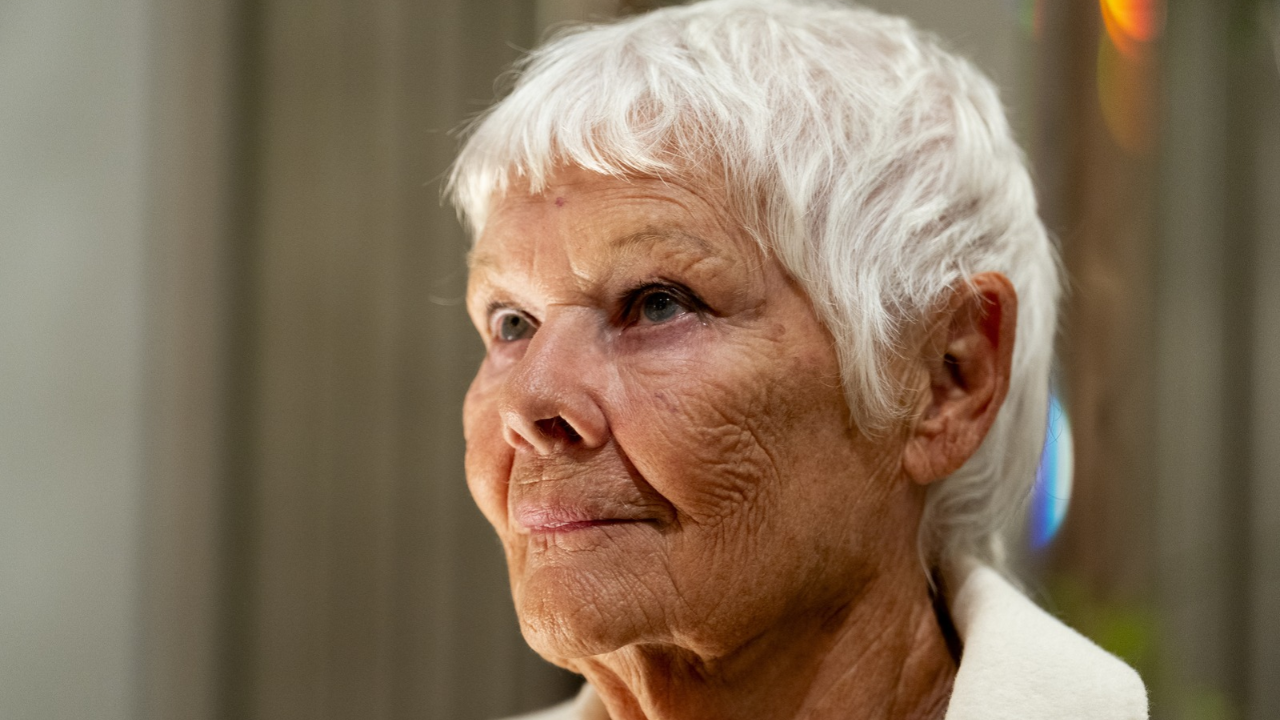
We now have our newest James Bond, but that doesn’t mean we’ll be forgetting one of our favourites long running former actors from the franchise. Dame Judi Dench, the iconic 91-year-old actress, starred as the first female M character in the James Bond franchise, and did so for two decades.
But the actress sadly won’t be returning to the next set of movies, recently telling the BBC that she can no longer act due to her worsening eyesight. “I can’t be on stage. I can’t do a play anymore. I can’t do a film anymore. I can’t read anymore,” she explained in the interview.
This is due to age-related macular degeneration (AMD). So, what does this condition mean, and what are the key signs?
What Is AMD?
AMD is one of the most common causes of irreversible sight loss in adults over 50, according to Dr Stephen Hannan, clinical services director at Optical Express, but many people aren’t aware of the extent of the condition and how quickly it progresses.
The condition usually affects your sense of sight, making the middle of your vision look blurred, distorted or even wavy.
“AMD impacts the macula, the part of the eye responsible for detailed, central vision,” he explains. “When the macula begins to degenerate, people may first notice subtle difficulty reading small print or recognising facial features — often before any pain or dramatic change is obvious.”
For some cases, AMD leads to severe and permanent vision loss which can’t be restored (unlike normal age-related changes). And so, early detection is really important to reduce the impact.
What Are The Risk Factors of AMD?
It’s thought that there are clinical and lifestyle risk factors linked to disease onset and progression. These include:
- Smoking
- poor diet
- excessive UV exposure (particularly in individuals without appropriate eye protection).
Can We Reduce Our Risk Of Getting AMD?
Dr Hannan says that sight loss from AMD is not part of ‘normal aging’ — it’s retinal disease. He advises getting routine eye examinations which can help detect early changes in the eye, often before obvious symptoms even come on.
“The earlier we can identify AMD, the better our chances of slowing its progression using evidence-based interventions,” he says.
According to the American Macular Degeneration Foundation, you can also look to reduce your weight, exercise regularly and make sure you wear effective eye protection. These are all ways that can reduce your risk of getting AMD later down the line.
If you’re worried about your eyesight or notice unusual symptoms, speak to an optician or your doctor.


