










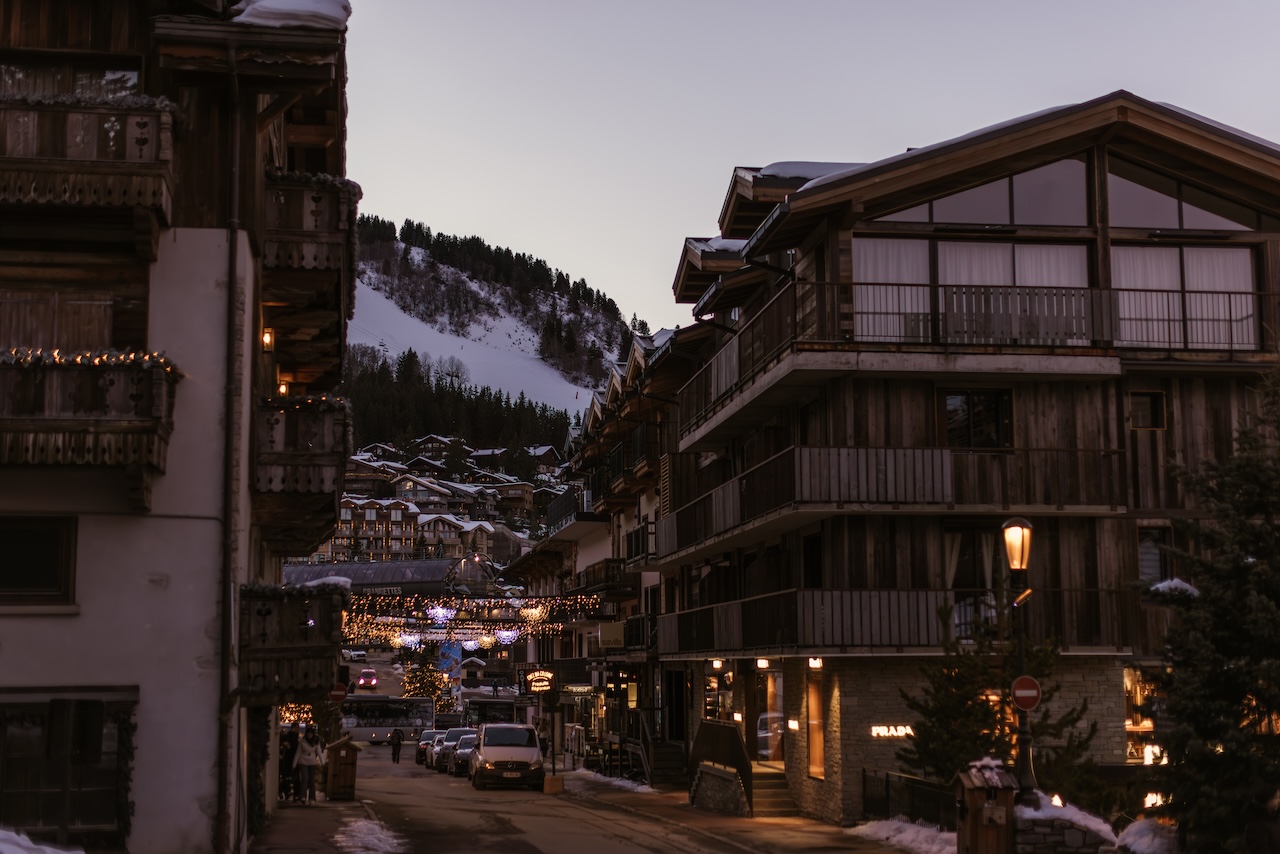
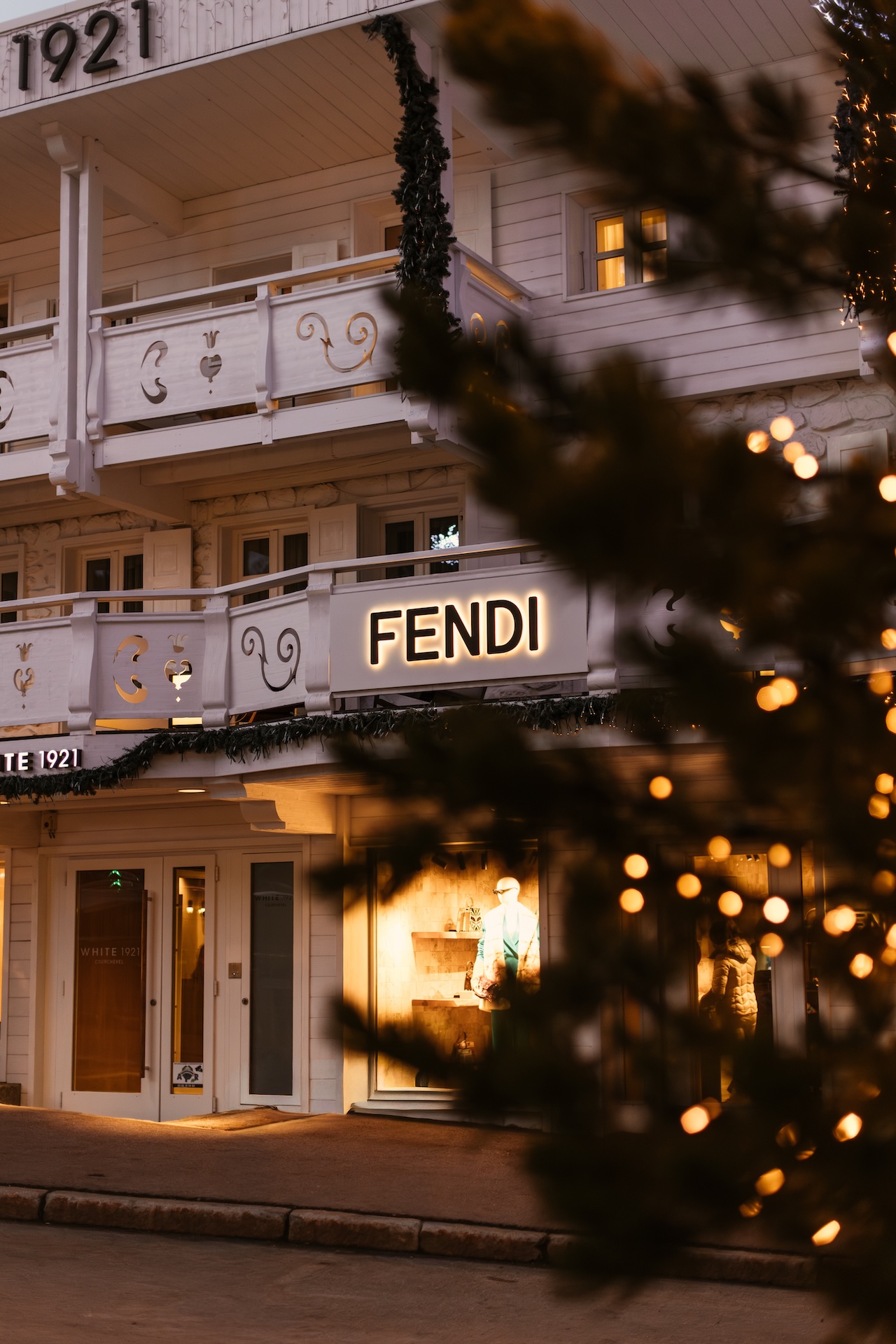
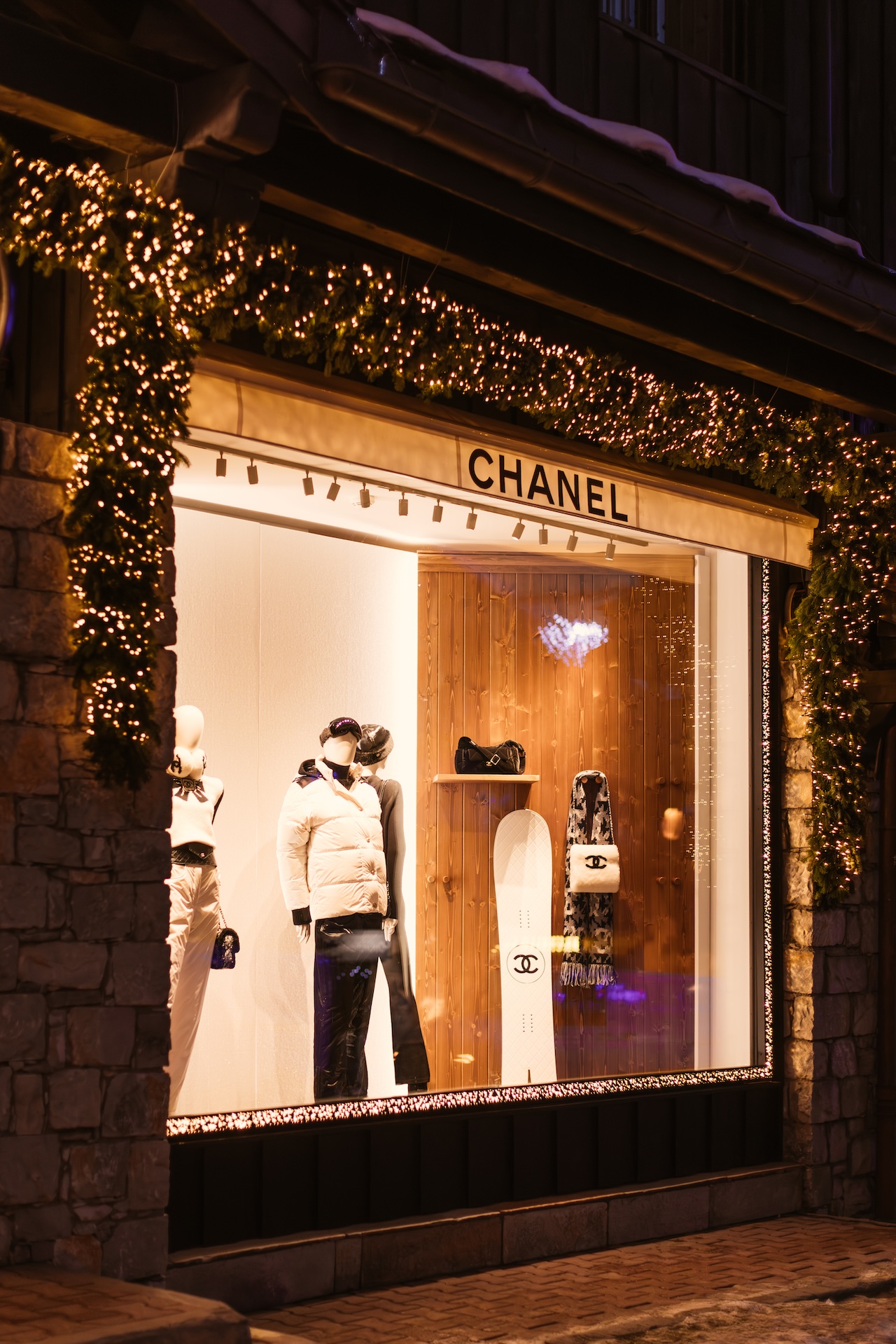
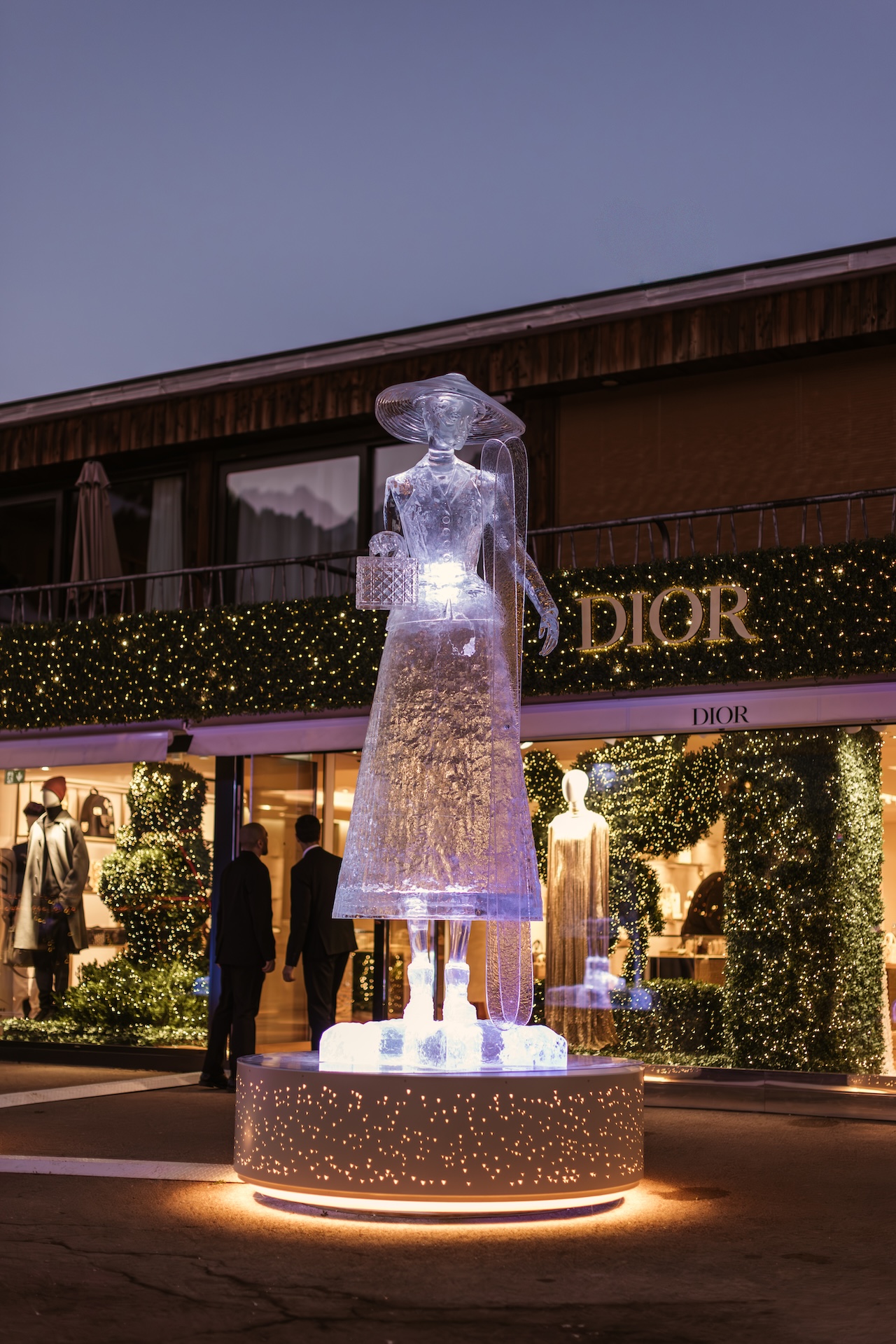
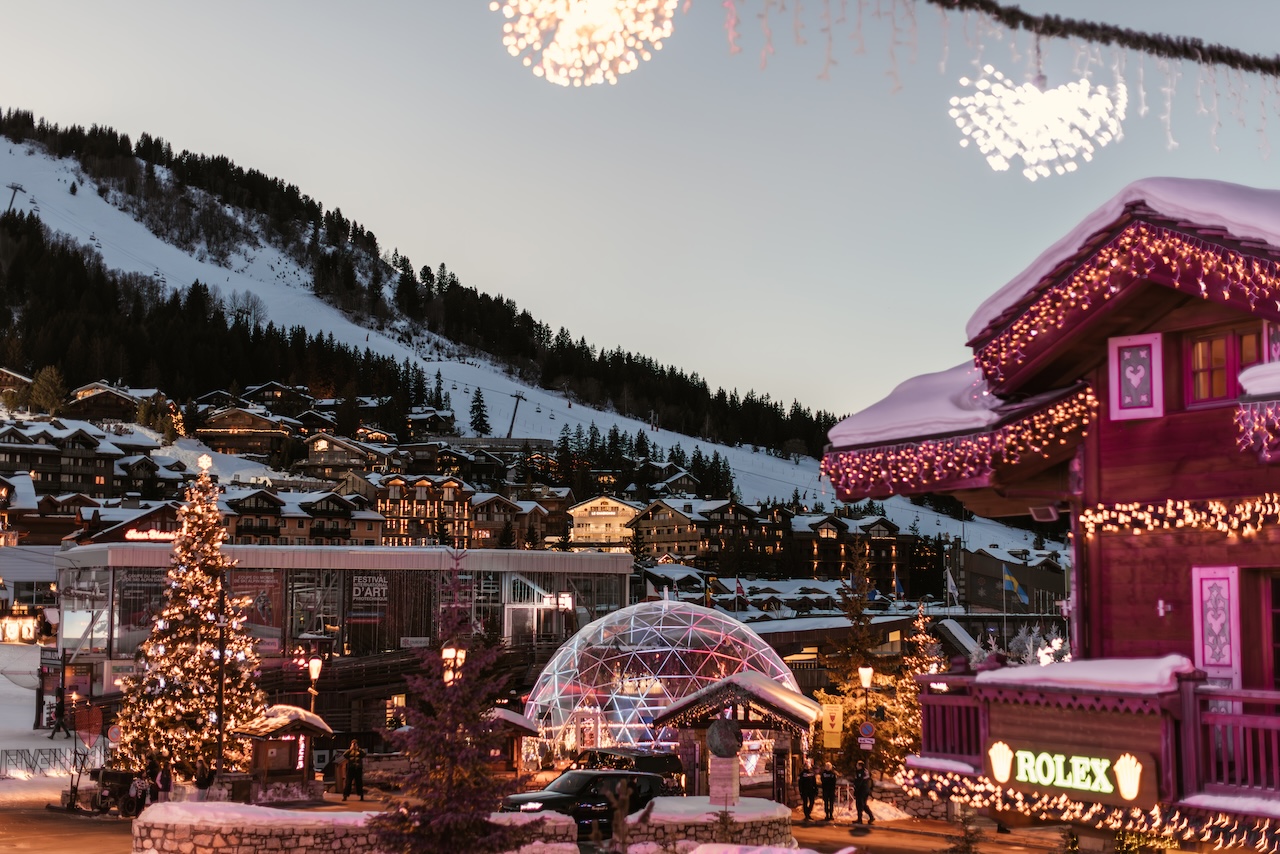
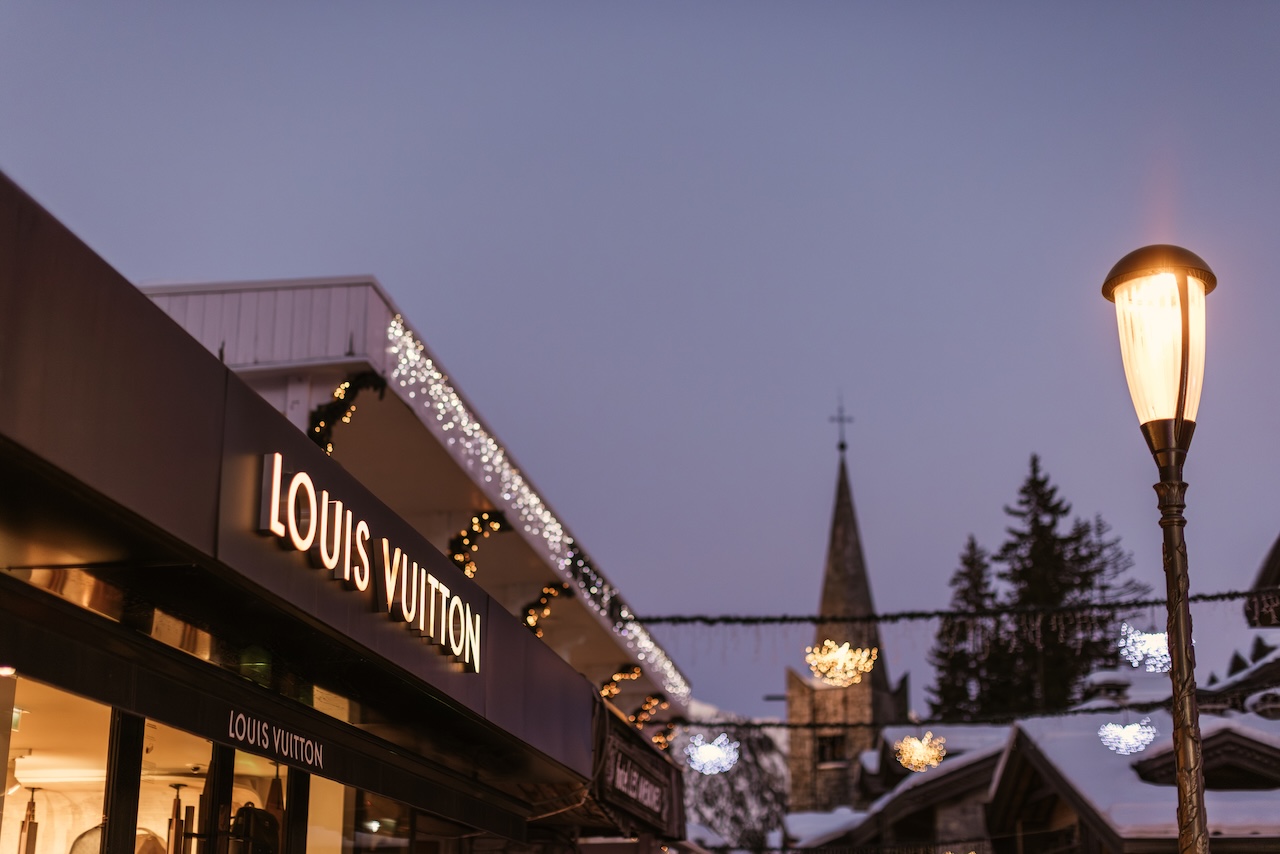
There’s a certain expectation that comes with Courchevel 1850.
You arrive anticipating the spectacle: the perfectly groomed slopes, the designer-clad shopping that stretches for hours, the unmistakable energy that has long earned it the title of the “St. Tropez of winter.” And while that world very much exists — alive in the rhythm of terrace lunches at Cheval Blanc or the steady pulse of late dinners at Beefbar — what’s striking now is what happens in between.
Because increasingly, Courchevel is no longer just about how you spend your days on the mountain or your evenings après-ski. It’s about how you recover, recalibrate, and ultimately, how you leave feeling.
And that shift is most evident at Six Senses Residences Courchevel.
Arriving at Altitude and Letting Go of Pace
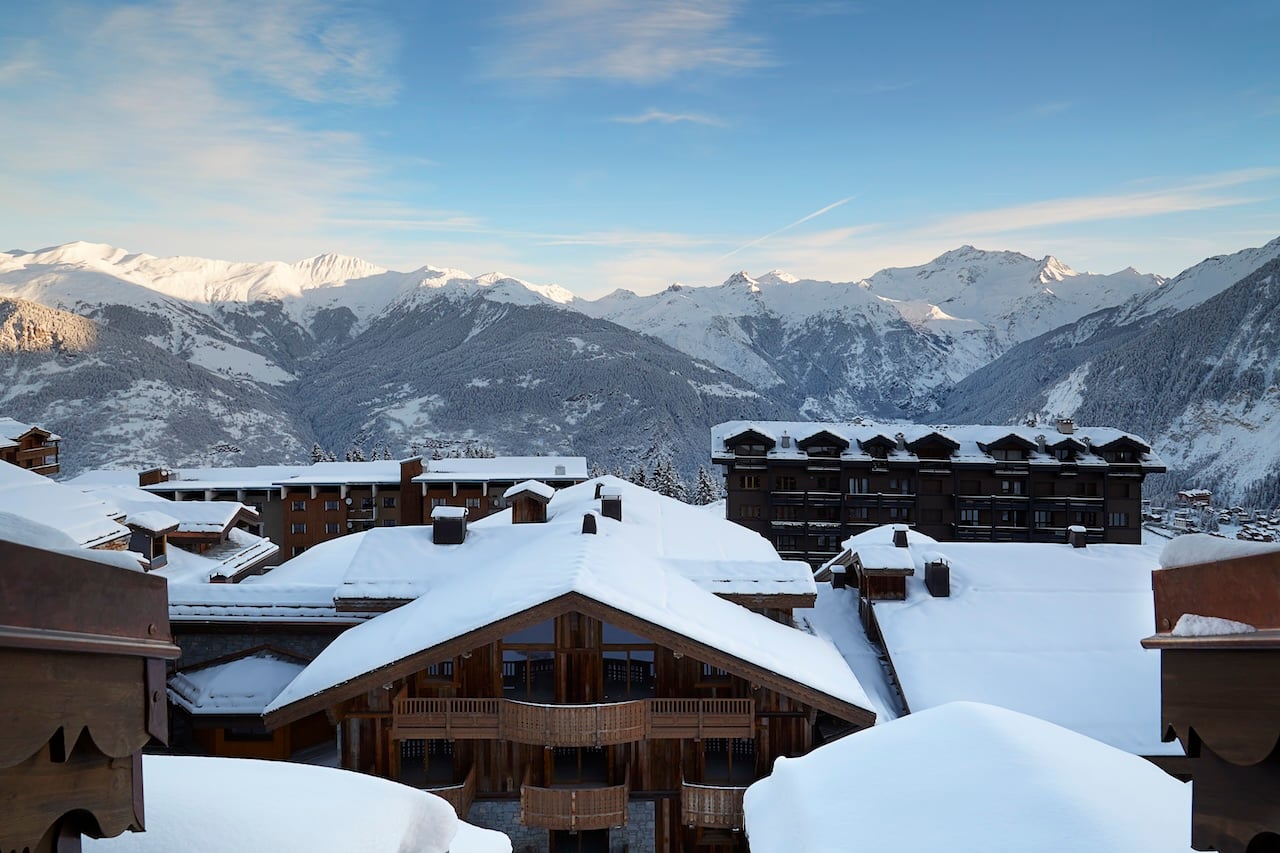
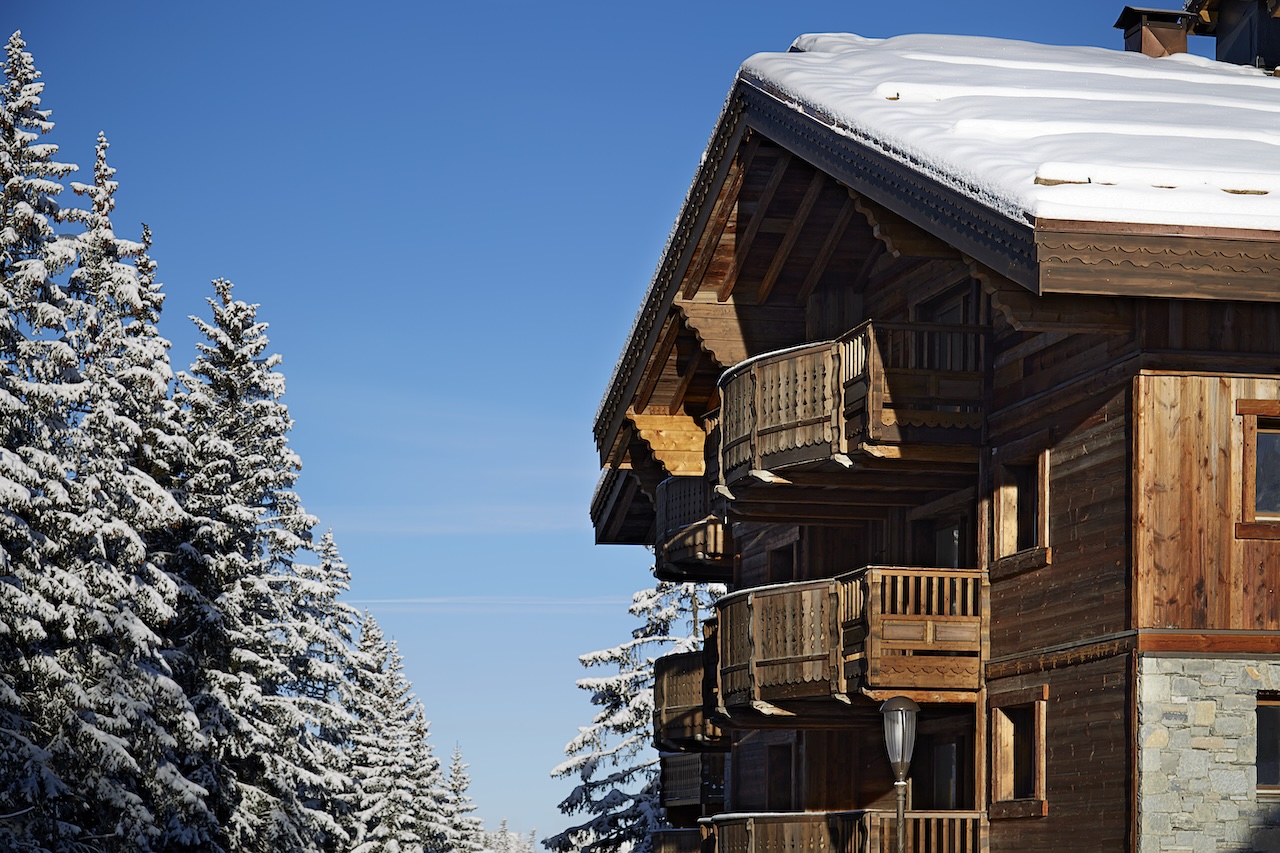
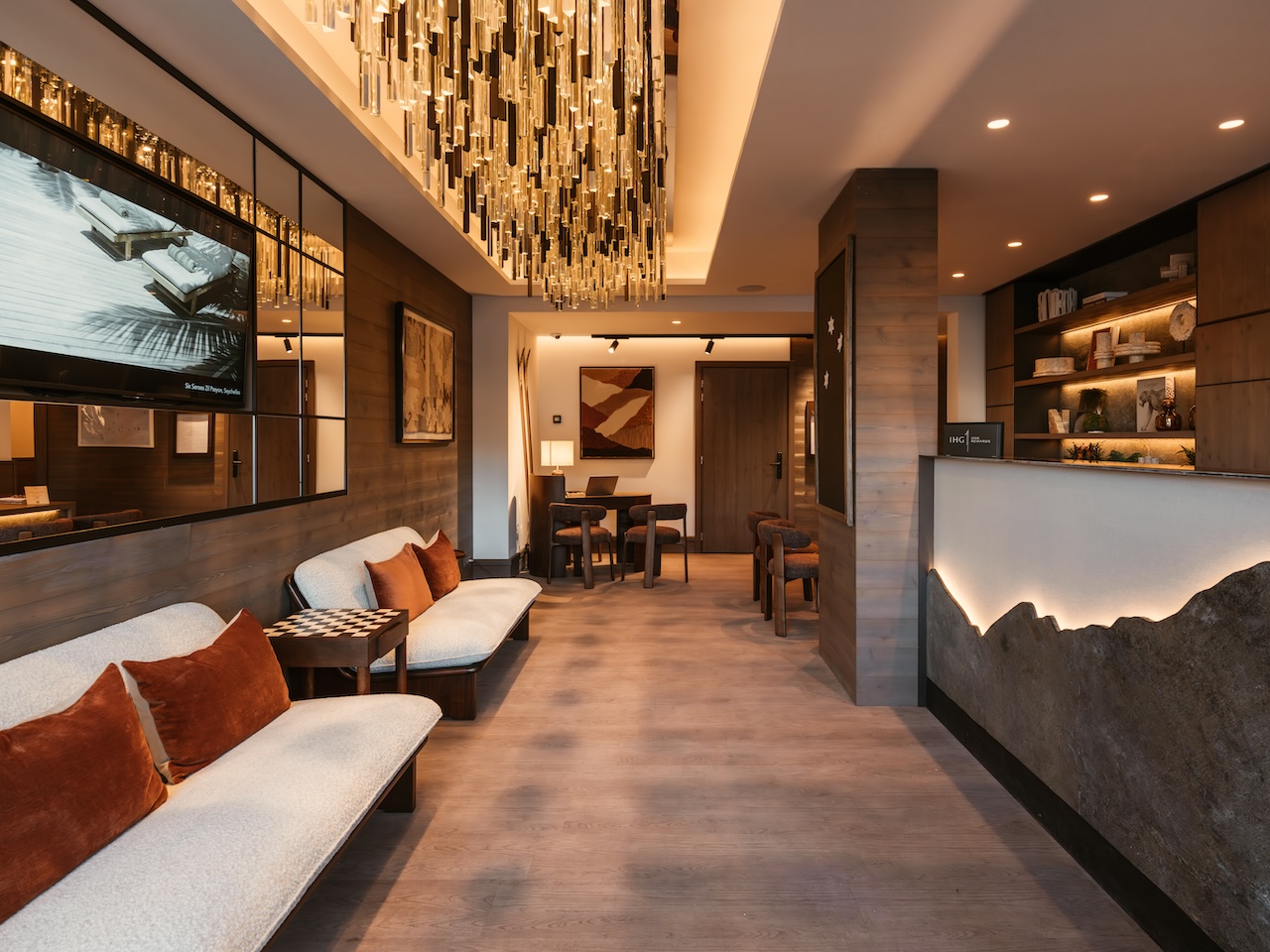
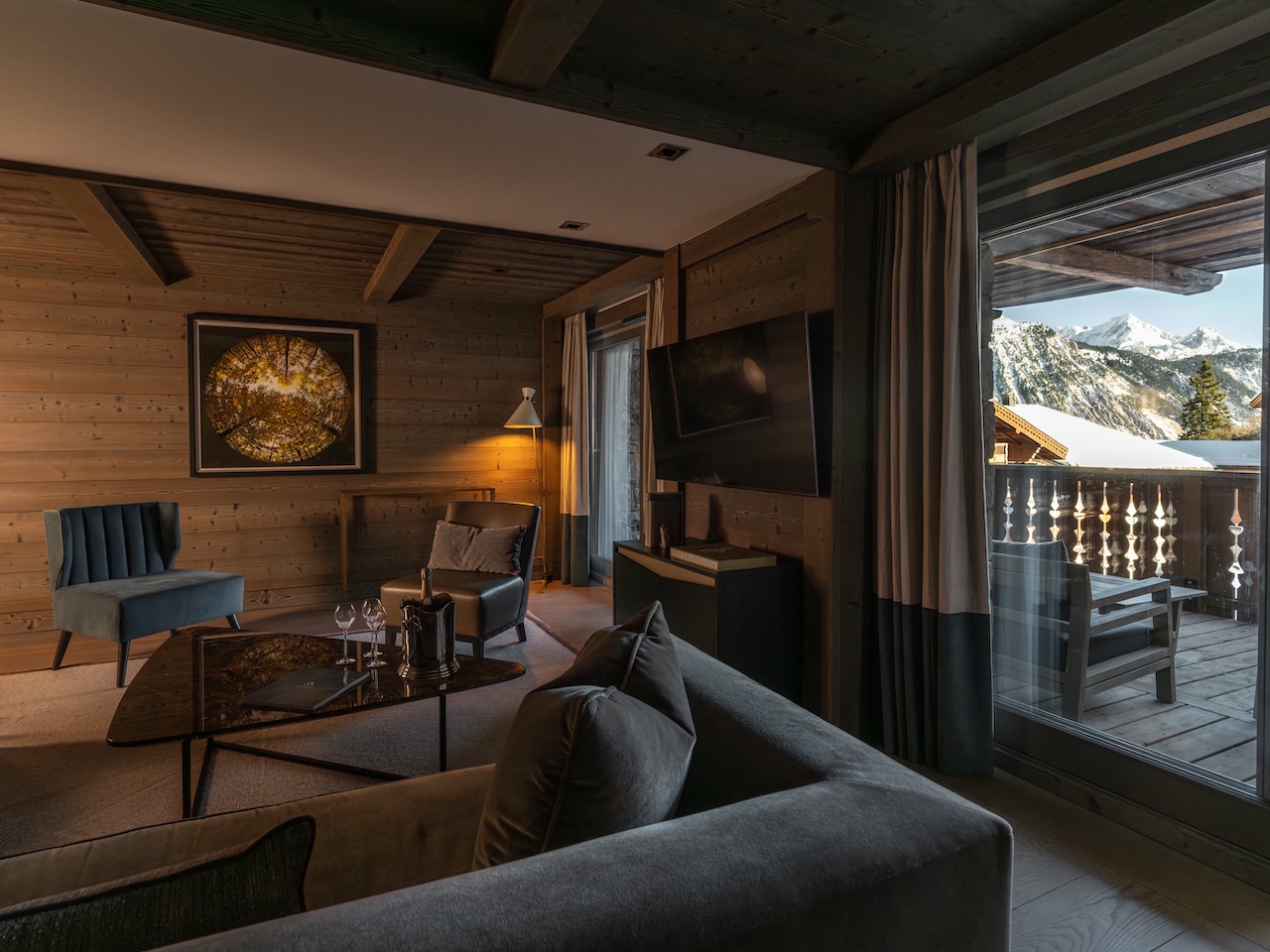
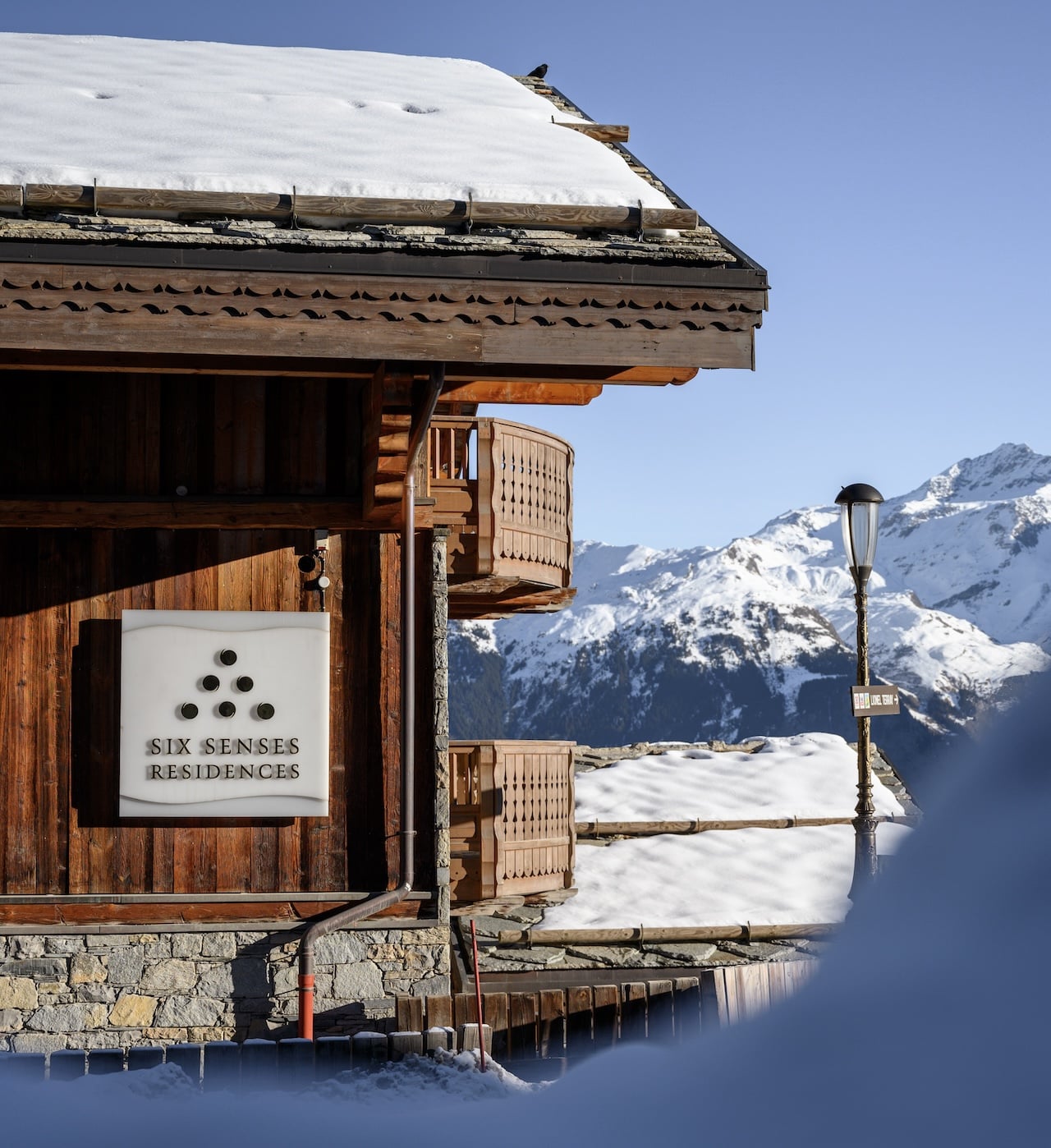
Set just above the center of Courchevel 1850, Six Senses doesn’t announce itself in the same way as some of its more ostentatious neighbors. Instead, it feels intentionally understated — a collection of alpine residences that blend into the landscape, more private home than hotel.
From the moment I arrived, the difference was immediate. There’s a sense of grounding that carries through the entire property. The residences themselves are expansive and quietly luxurious, designed less for display and more for living. Natural materials — spruce timber, stone, wool, and leather — mirror the alpine surroundings, while soft lighting and subtle scenting create an atmosphere that immediately settles the nervous system.
In my two-bedroom residence, mornings began slowly, with light pouring in over the mountains and breakfast delivered directly to the door: fresh breads, fruit, and warm pastries laid out without urgency. It felt less like a hotel stay and more like slipping into a relaxed rhythm that had been waiting for me to arrive.
Inside Six Senses Residences: Where Alpine Living Becomes an Art Form
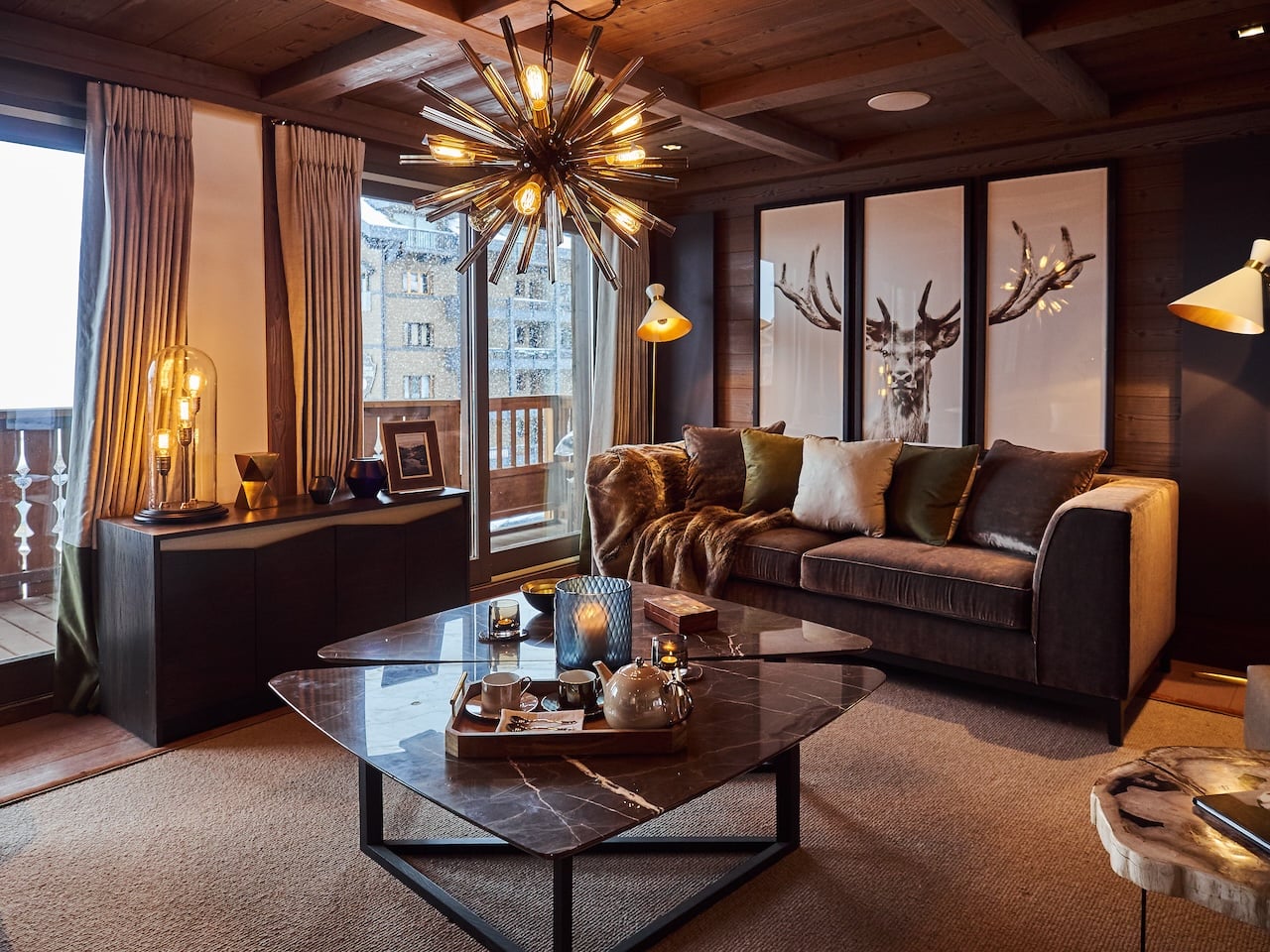
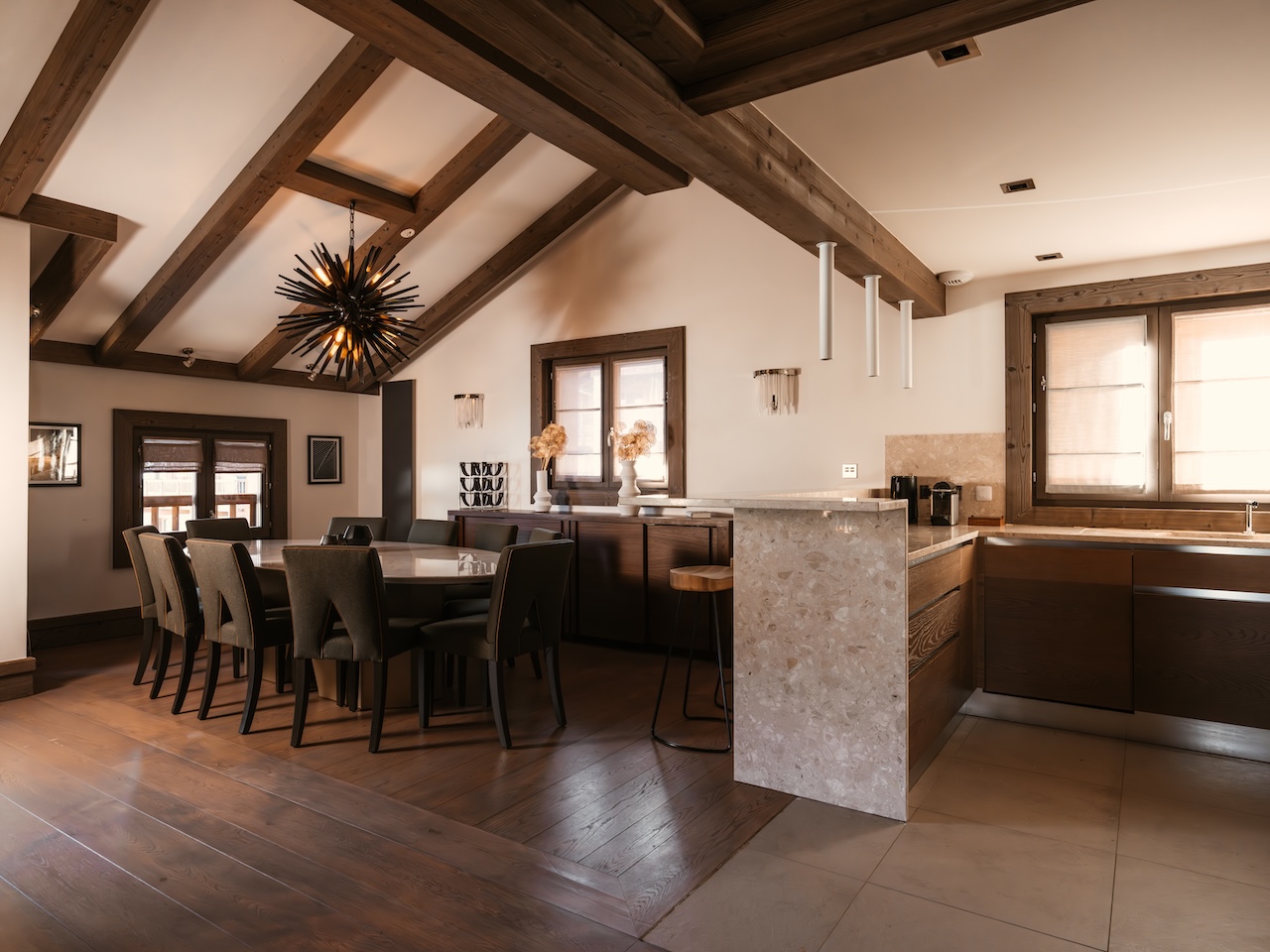
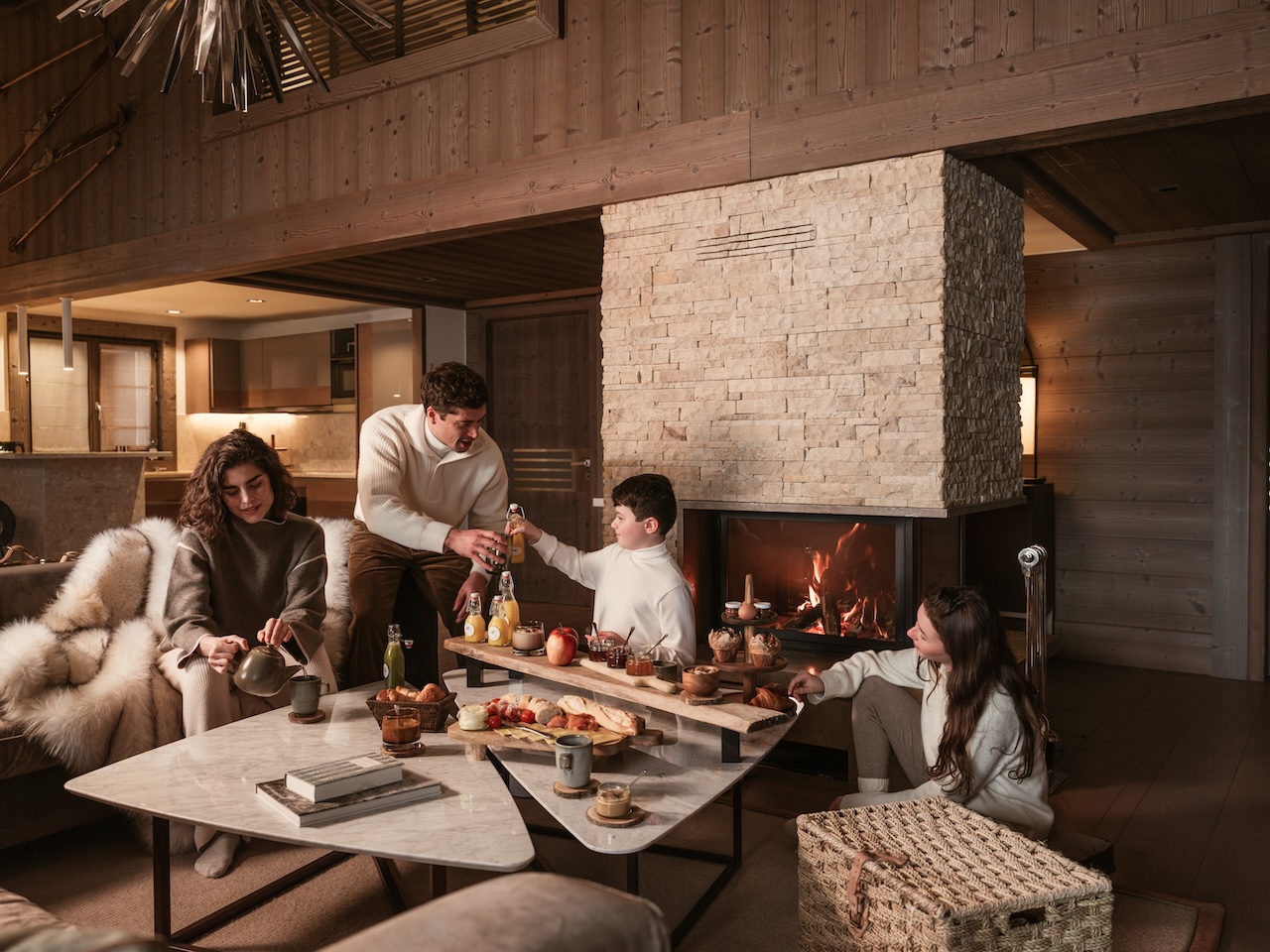
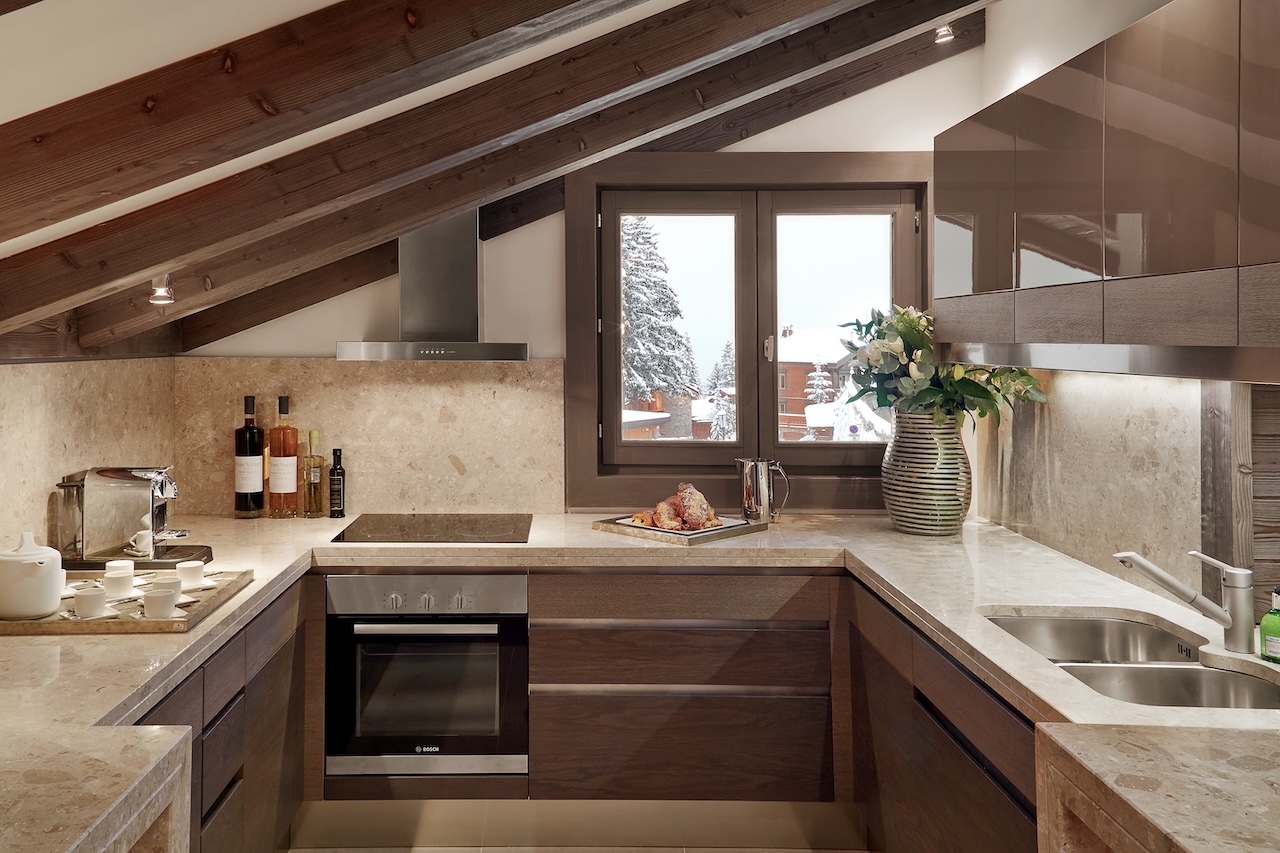
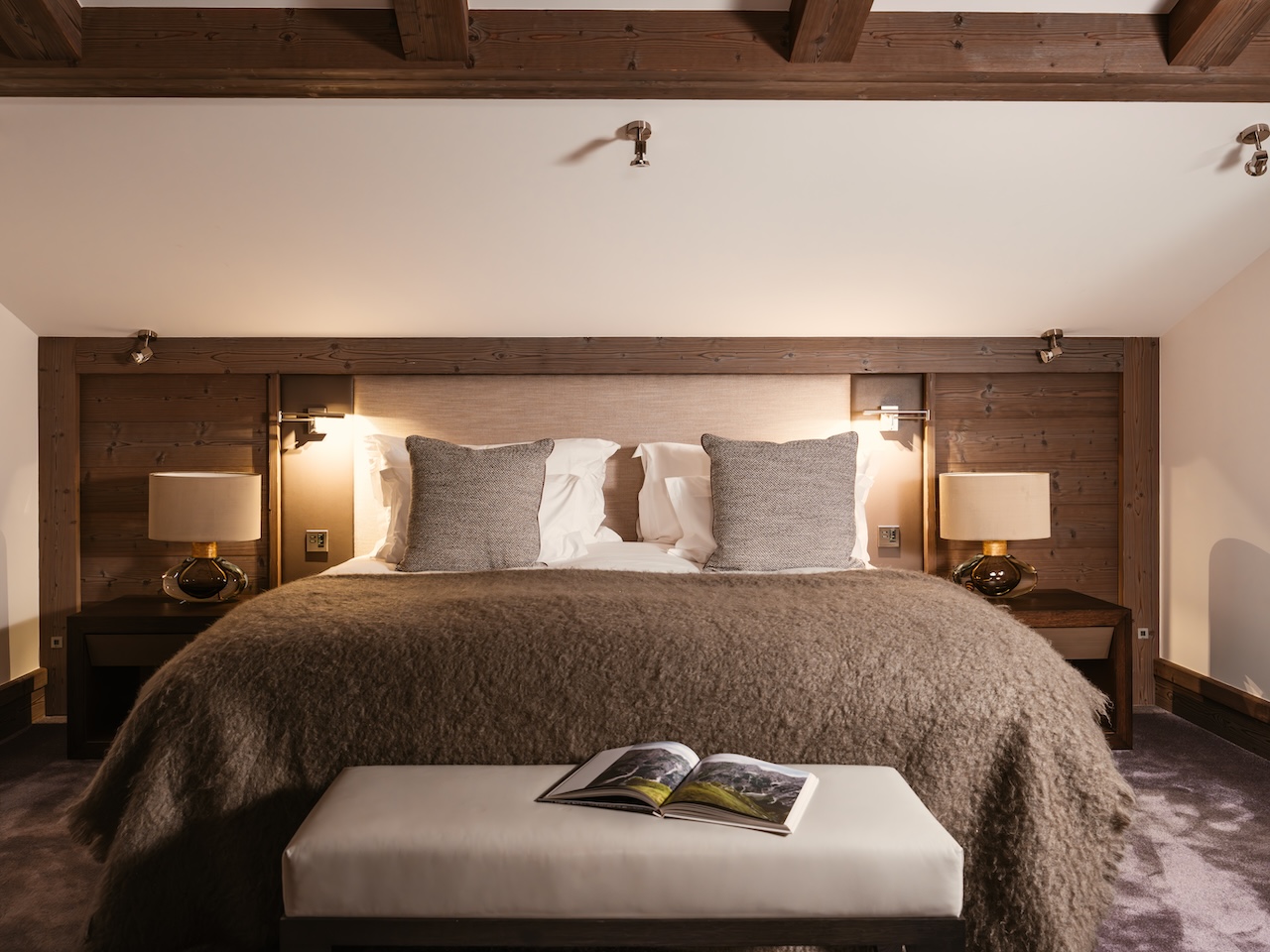
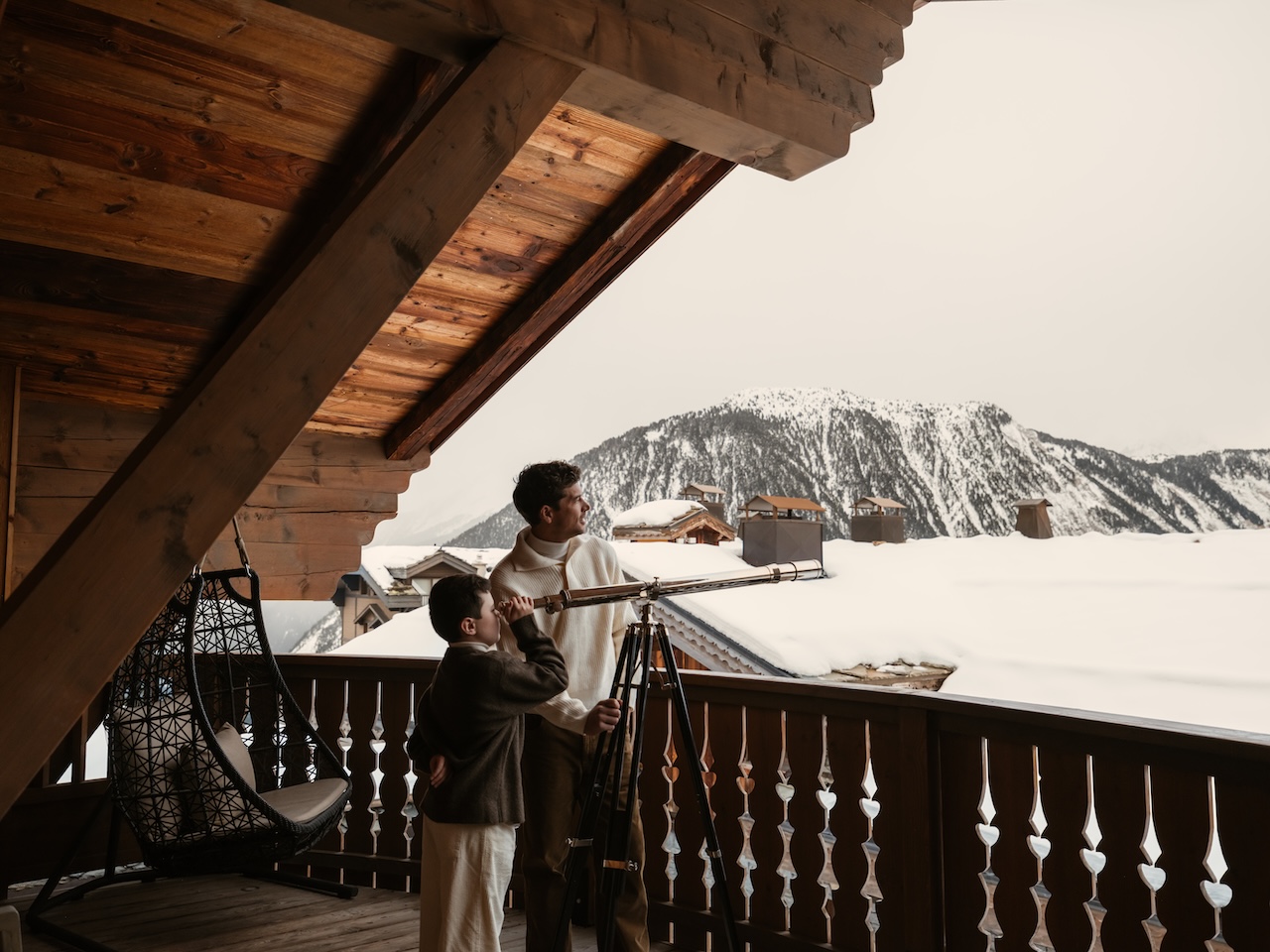
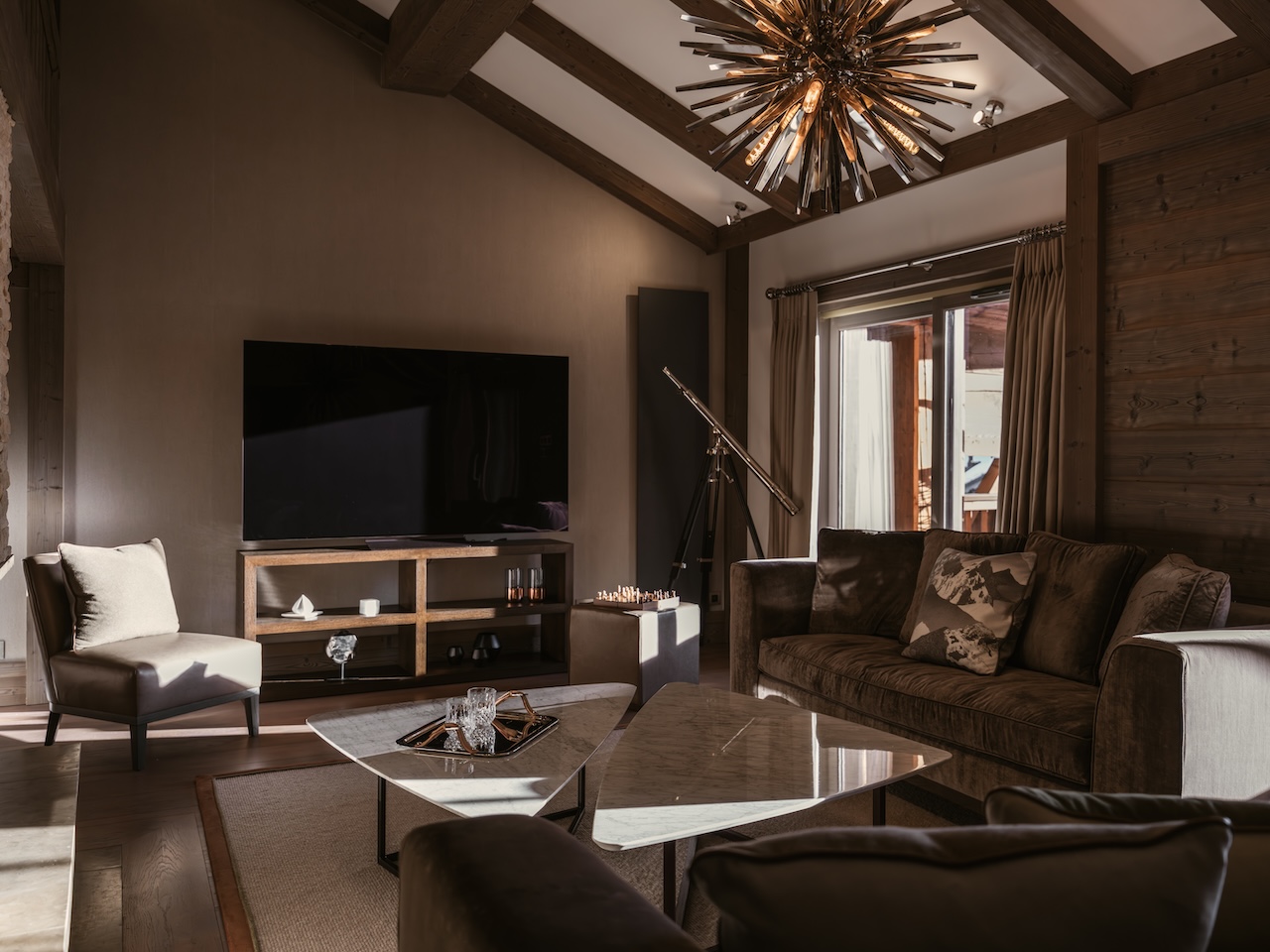
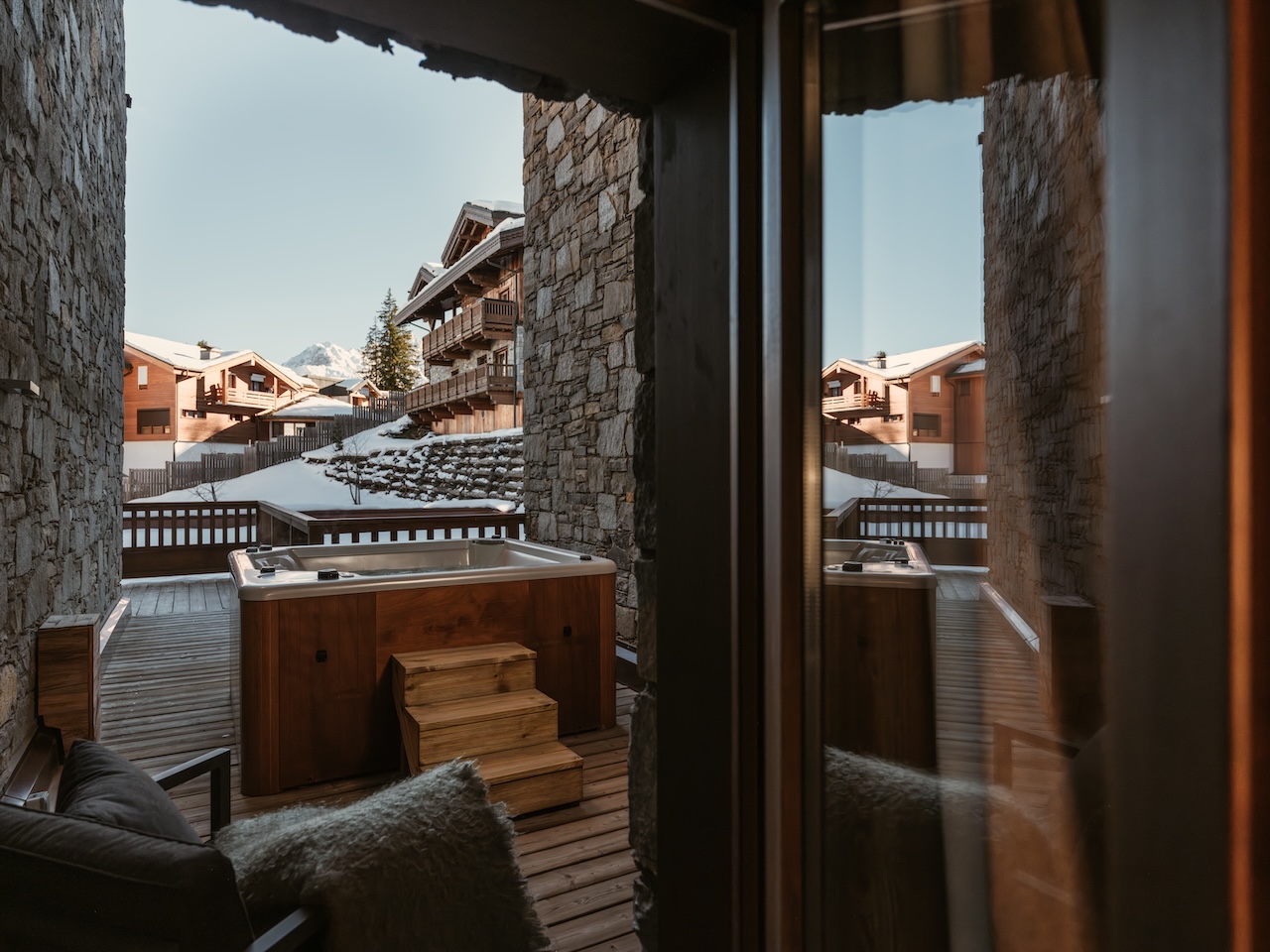
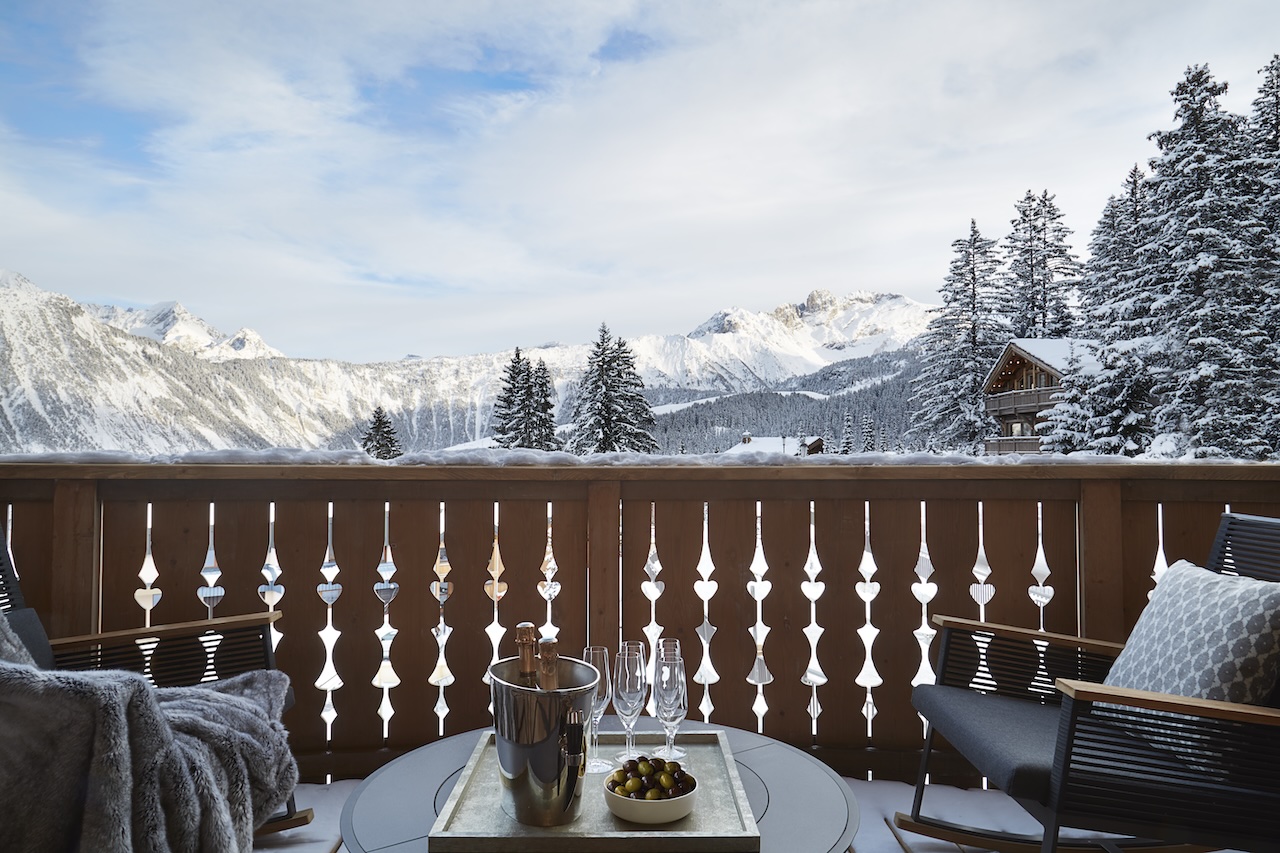
What sets Six Senses Residences Courchevel apart is not just the level of luxury — it’s the way it redefines what a stay in Courchevel can feel like. Unlike the traditional hotel model that dominates 1850, the property operates as a collection of private residences, and that distinction changes everything. You’re not moving through shared spaces or adapting to a schedule — you’re settling into a home, one that just happens to come with five-star service woven seamlessly into every detail.
Each residence is designed with a sense of quiet intentionality. The architecture nods to classic Savoyard chalet style, but the interiors feel lighter, more contemporary — soft neutral tones, natural woods, textured fabrics, and custom furnishings that create a space that feels both elevated and deeply livable. Nothing feels overly styled or performative. Instead, it’s the kind of environment that allows you to exhale almost immediately.
In my own residence, it was the smaller details that stood out most. The way the living space opened into a fully equipped kitchen that you actually wanted to use. The terrace that framed the mountains in a way that made even a few minutes outside feel like a reset. The lighting, soft and warm, subtly shifting the atmosphere as the day moved into evening.
There’s also a distinct emphasis on how the space supports your wellbeing, often in ways that feel almost subconscious. Organic mattresses and linens make sleep noticeably deeper. The signature scent — an understated blend of alpine pine, cedarwood, and soft vanilla — lingers gently in the background, creating a sense of familiarity that builds over the course of the stay. Even the inclusion of yoga mats and in-room wellness touches encourages movement and stillness without ever feeling prescriptive.
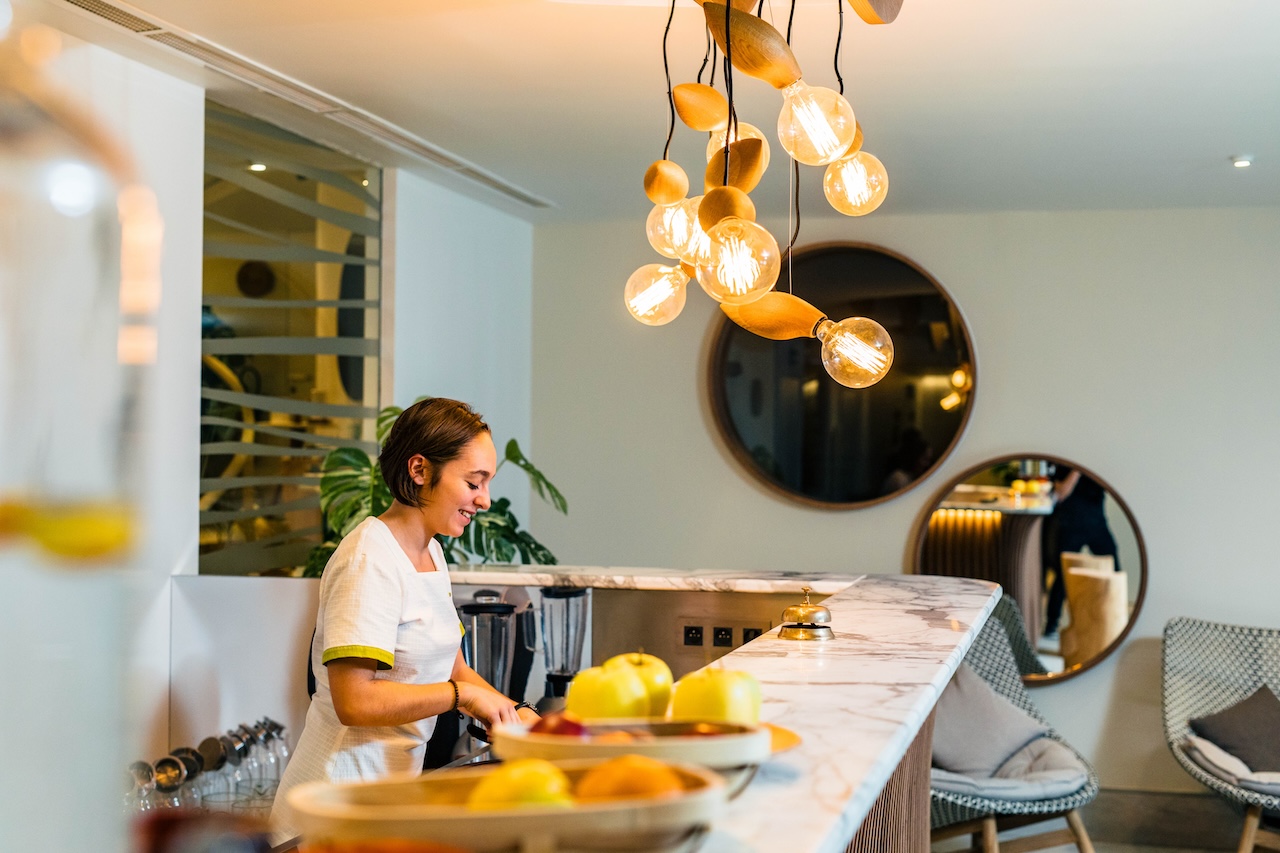
But what truly elevates the experience is the service. It’s present, but never imposing. The concierge team operates with a level of precision that feels almost intuitive — pre-stocking your kitchen before arrival, arranging ski fittings, coordinating reservations, or simply anticipating what you might need before you think to ask. There’s a sense that everything is taken care of, but nothing is over-explained or overly formal.
And then there’s the flexibility. You can spend your entire stay moving between the slopes, the spa, and Courchevel’s social scene — or you can retreat completely, staying within your residence, cooking, resting, and resetting. Both feel equally valid here, and that duality is what makes the property so compelling. In a destination known for its energy and excess, Six Senses offers something quieter, more personal. A place where luxury isn’t defined by visibility, but by how effortlessly everything comes together — and how deeply you feel at ease because of it.
Skiing, Without the Friction
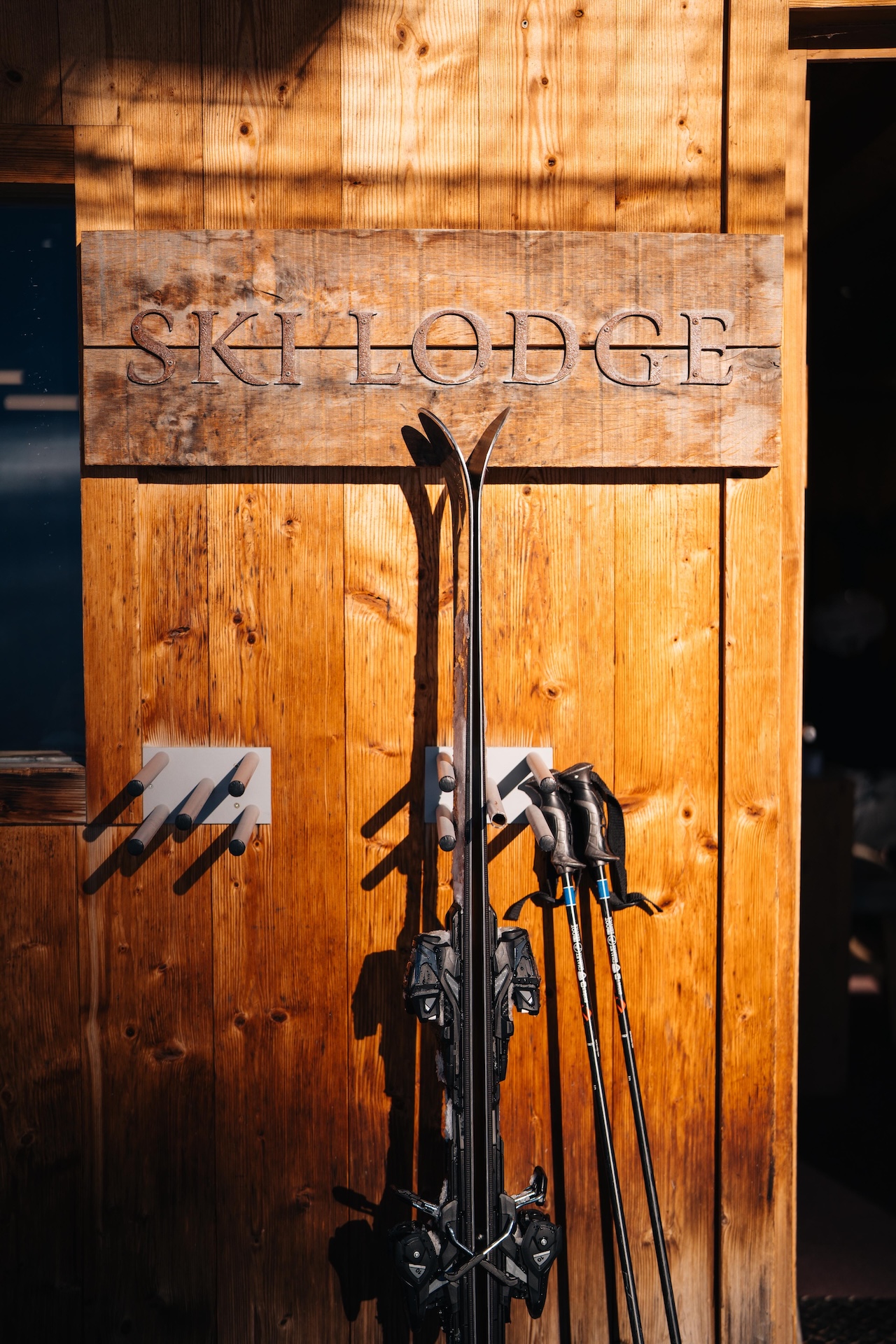
Of course, in Courchevel, the mountain is never far from mind.
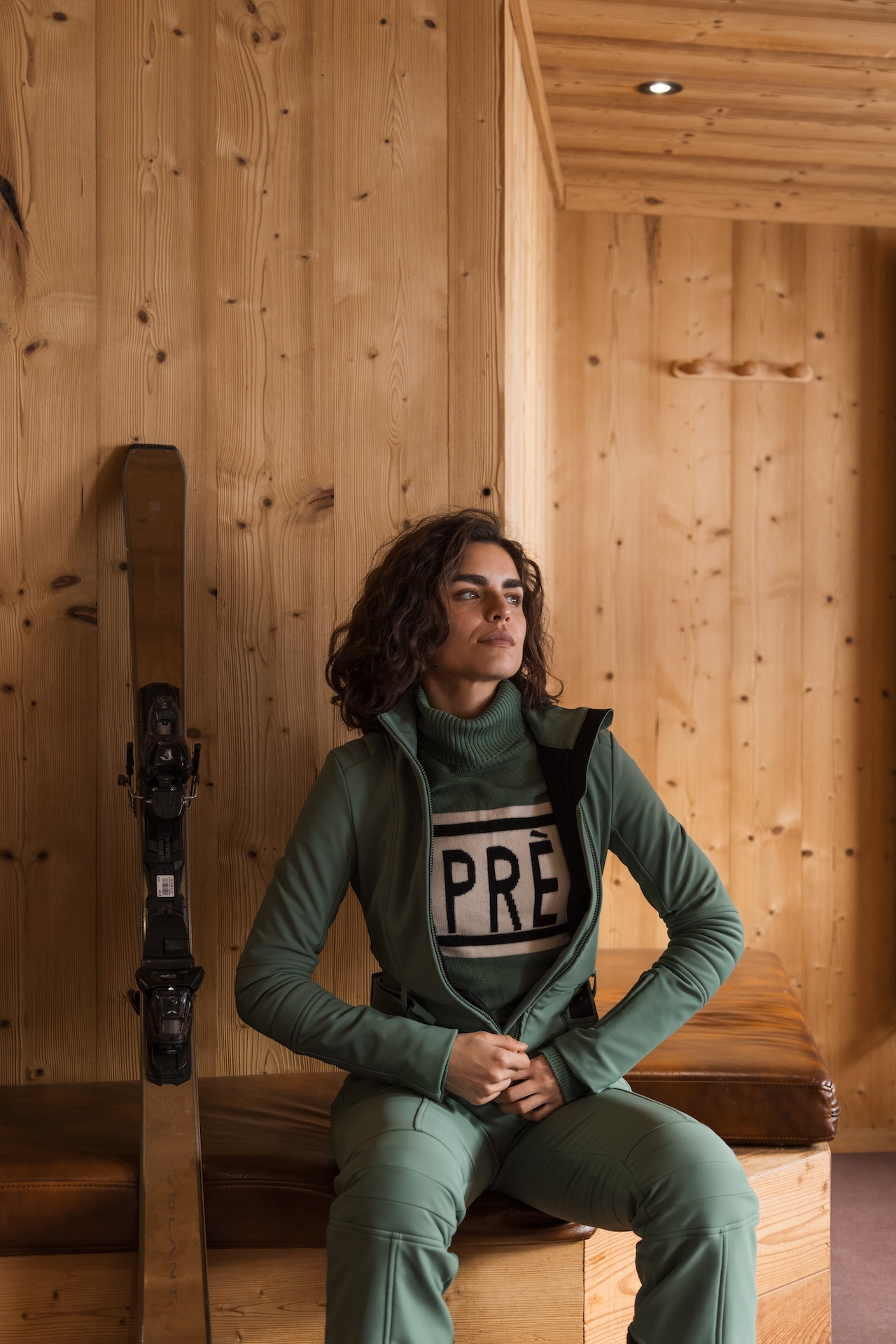
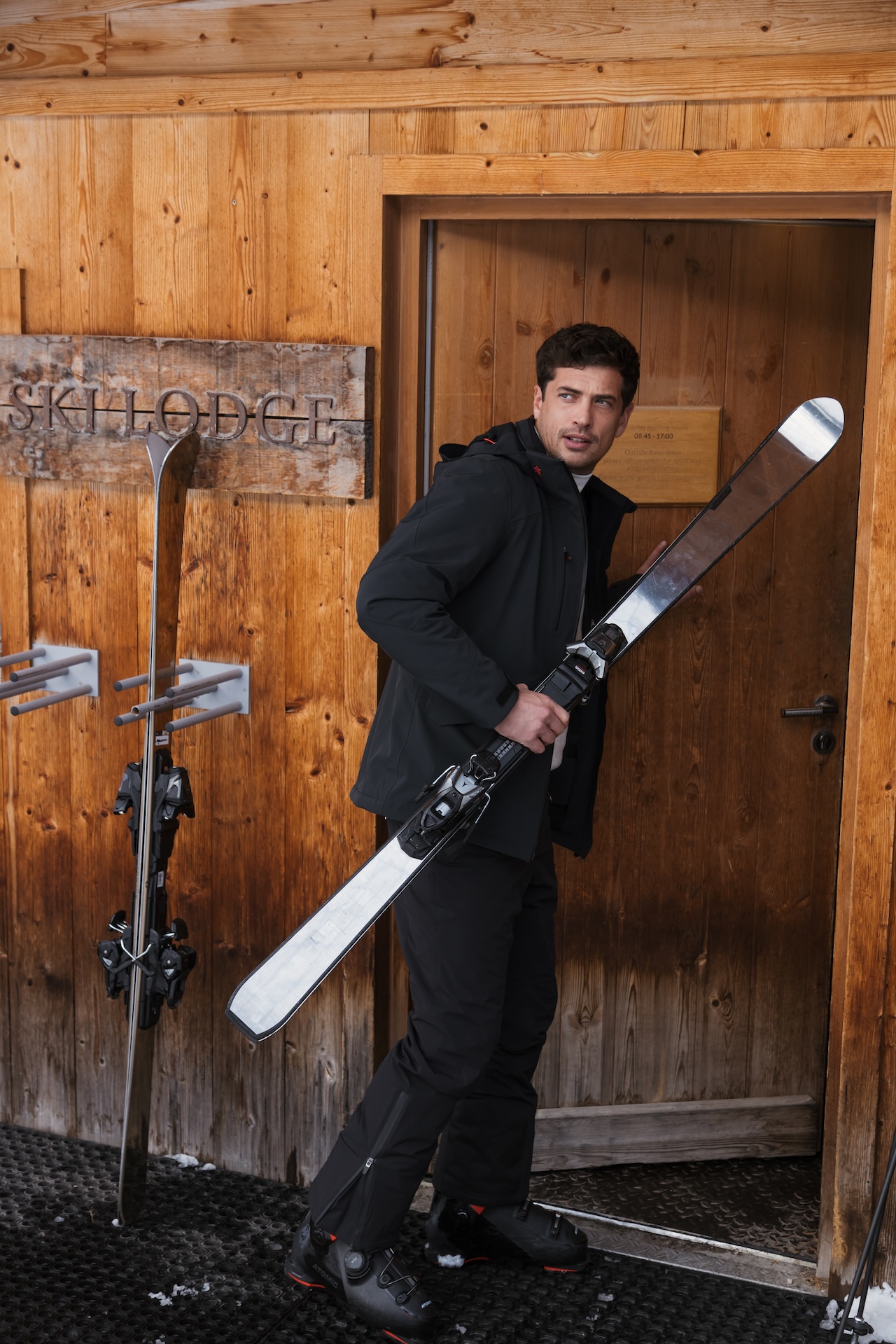
What Six Senses does exceptionally well is remove every barrier between you and it. The ski concierge operates with a kind of quiet precision — equipment is fitted on-site, transported ahead of you, and waiting at the private ski lodge at La Croisette. Boots are warmed, skis are laid out, and by the time you arrive, you’re simply stepping into the experience.
It’s a subtle but meaningful shift. Skiing becomes less about logistics and more about flow.
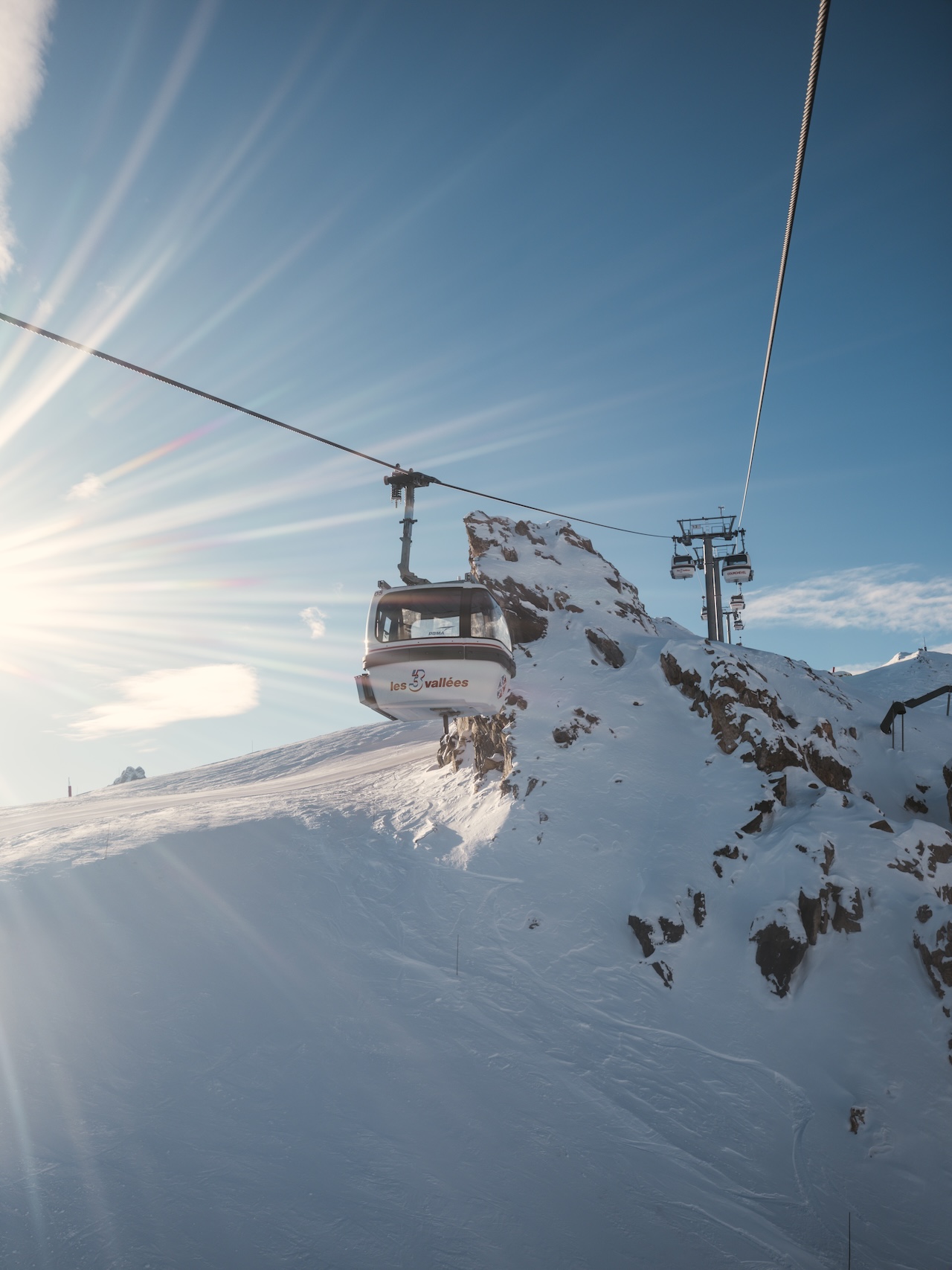
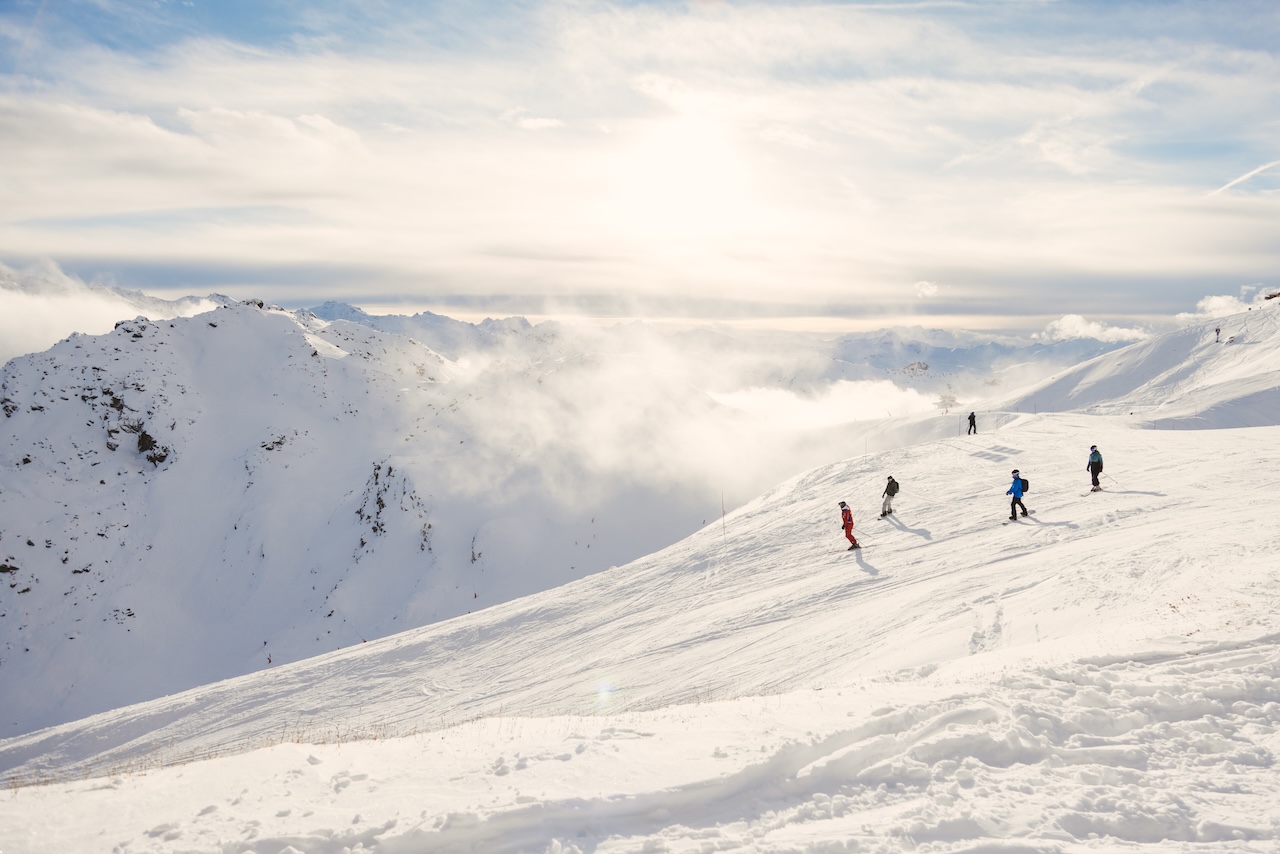
And the terrain itself delivers on every level. Courchevel sits within Les Trois Vallées, the largest ski domain in the world, offering everything from long, forgiving runs to some of France’s most challenging descents. There’s a rhythm to the mountain that accommodates both ease and intensity — something that feels increasingly aligned with the way we want to move now.
Even more telling is the introduction of the Dual Ski experience this past season, allowing non-skiers to descend alongside seasoned skiers in a guided seated craft. It’s a small innovation, but one that reframes the mountain as something shared rather than exclusive.
The Spa Shift: From Après to Optimization
But the real evolution of Courchevel reveals itself off the slopes — and it’s here, within Six Senses, that the destination begins to feel entirely redefined.
At a time when longevity has become one of the most talked-about shifts in luxury travel, Six Senses doesn’t treat it as a passing trend. Instead, it translates the concept into something tangible, immersive, and — most importantly — experiential.
The Longevity & Performance Program begins quietly, almost subtly, with a comprehensive wellness screening that maps your body in a way that feels both clinical and deeply personal. Biomarkers, body composition, and movement patterns are assessed not as abstract data points, but as a foundation for understanding how you move through the world — on and off the mountain. From there, the experience unfolds in layers.
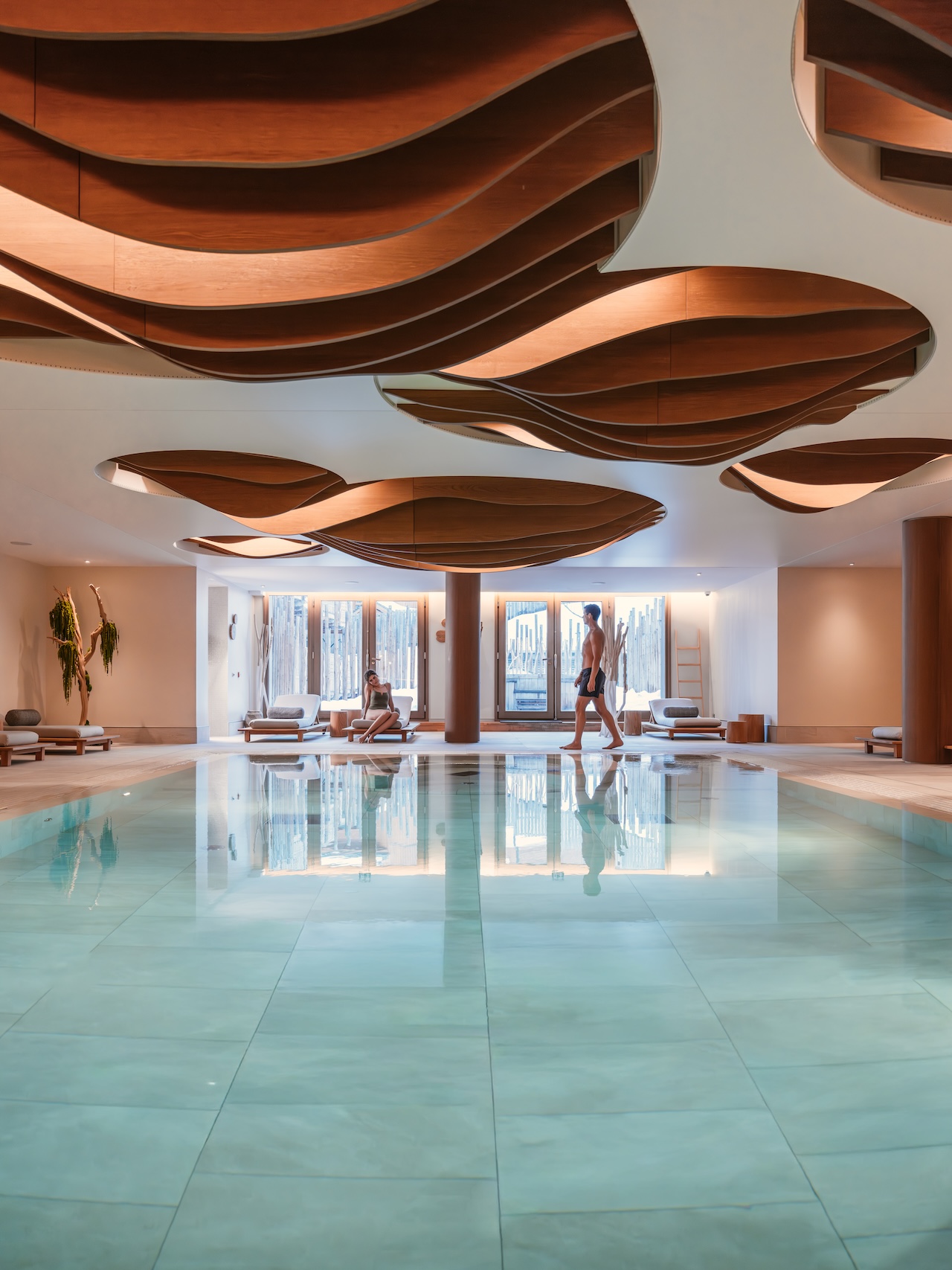
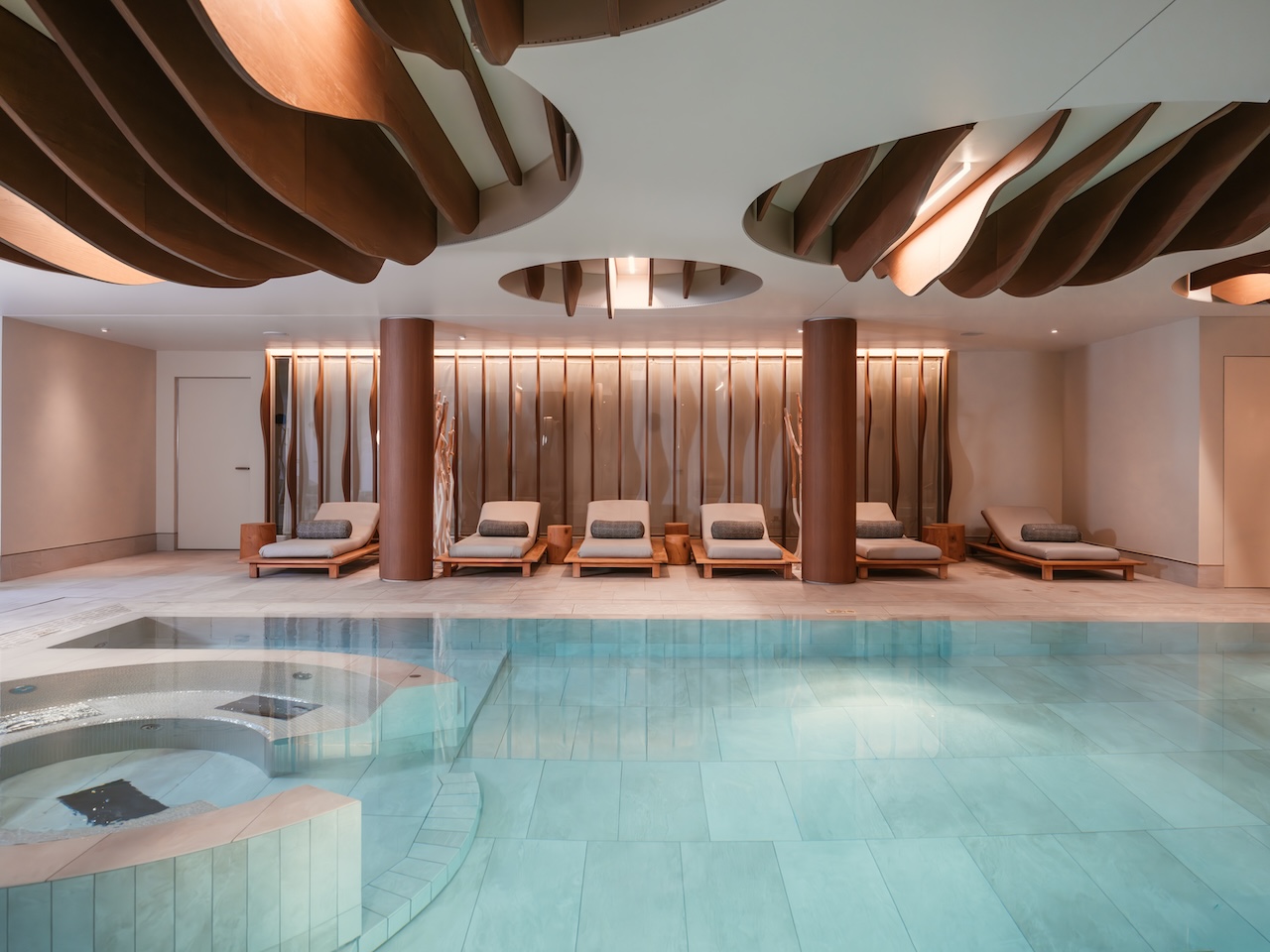
What struck me most was how seamlessly it integrates into the natural rhythm of the day. After a morning skiing — legs heavy, lungs still catching up with the altitude — you don’t simply “go to the spa.” You transition into it. The space itself immediately shifts your state. The air is warm and softly humid, carrying a subtle blend of essential oils — herbal, slightly woody, grounding. Light filters in gently, reflecting off the indoor pool in a way that feels almost hypnotic. There’s no harsh brightness, no abrupt noise — just a quiet, enveloping calm that encourages your body to down-regulate almost instantly.
Treatments here go far beyond the expected. A compression therapy session, for example, becomes something surprisingly meditative. As the rhythmic pulsing works through the legs, you can feel circulation returning, tension releasing in waves. It’s functional, yes — but also deeply restorative in a way that feels immediate. Then there are the more tactile, sensory treatments. The warm arnica and ginger poultice massage stands out — not just for its effectiveness, but for how immersive it feels. Heated herbal compresses are pressed and rolled into the muscles (ones that you yourself learn how to make alongside your massage therapist, to take home with you), releasing a subtle, earthy aroma as they move. The warmth sinks in slowly, loosening tension built up from hours on the slopes, while the scent lingers just enough to ground you in the moment.
Even the facials feel considered through a longevity lens. Post-ski skin, often dehydrated and wind-worn, is treated with antioxidant-rich formulations that restore hydration and strengthen the skin barrier, alongside red light therapy. It’s not just about glow — it’s about repair, resilience, and long-term health.
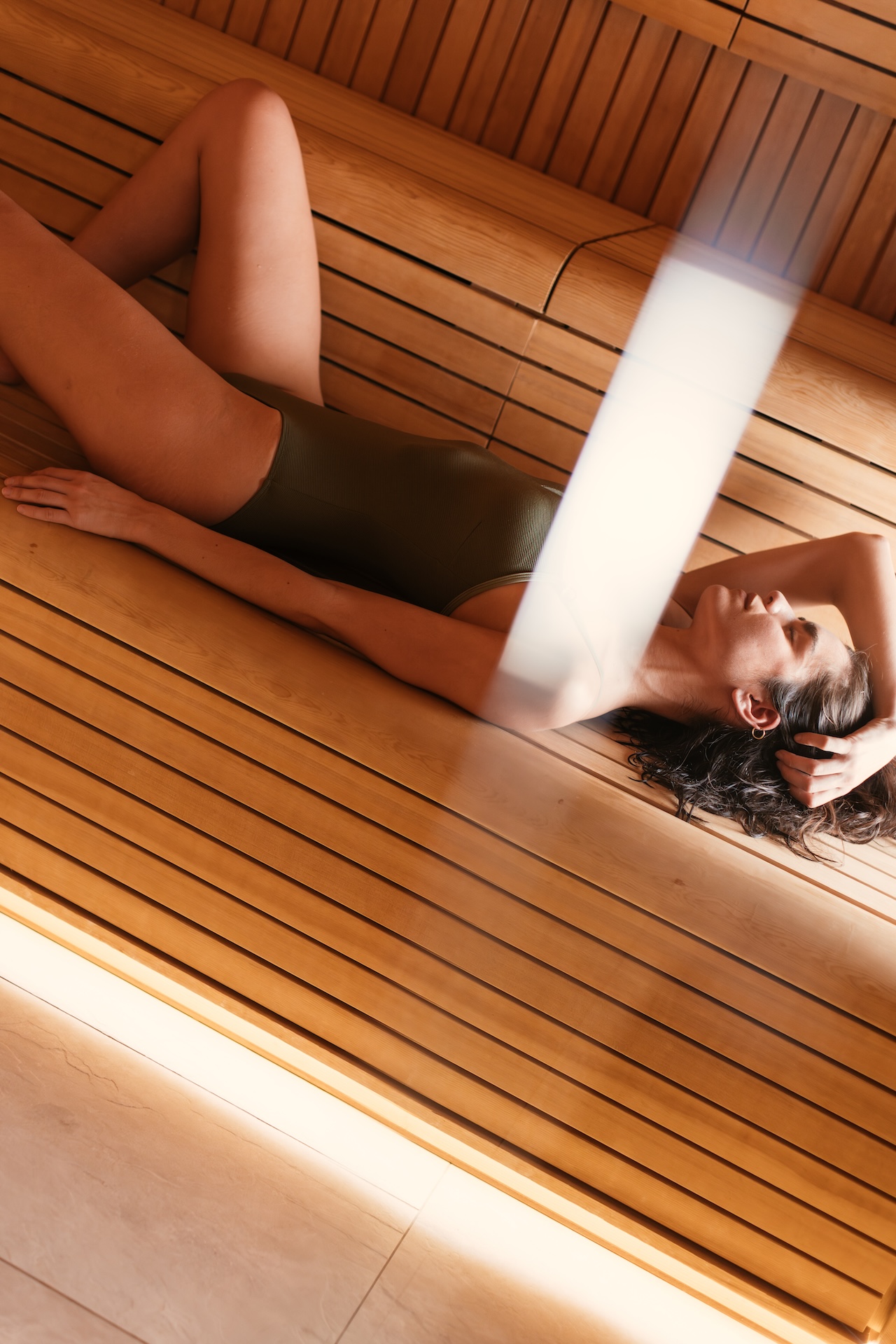
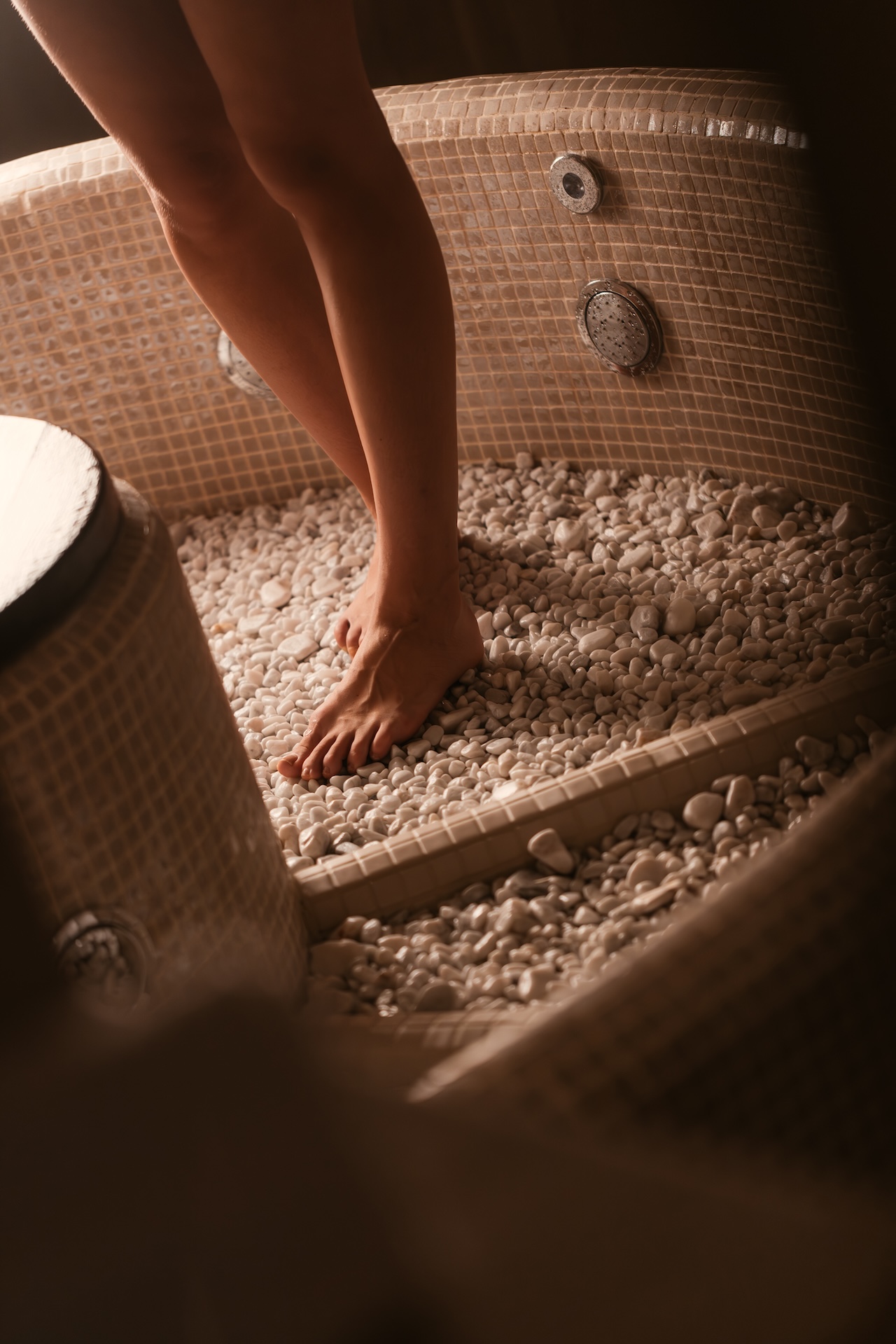
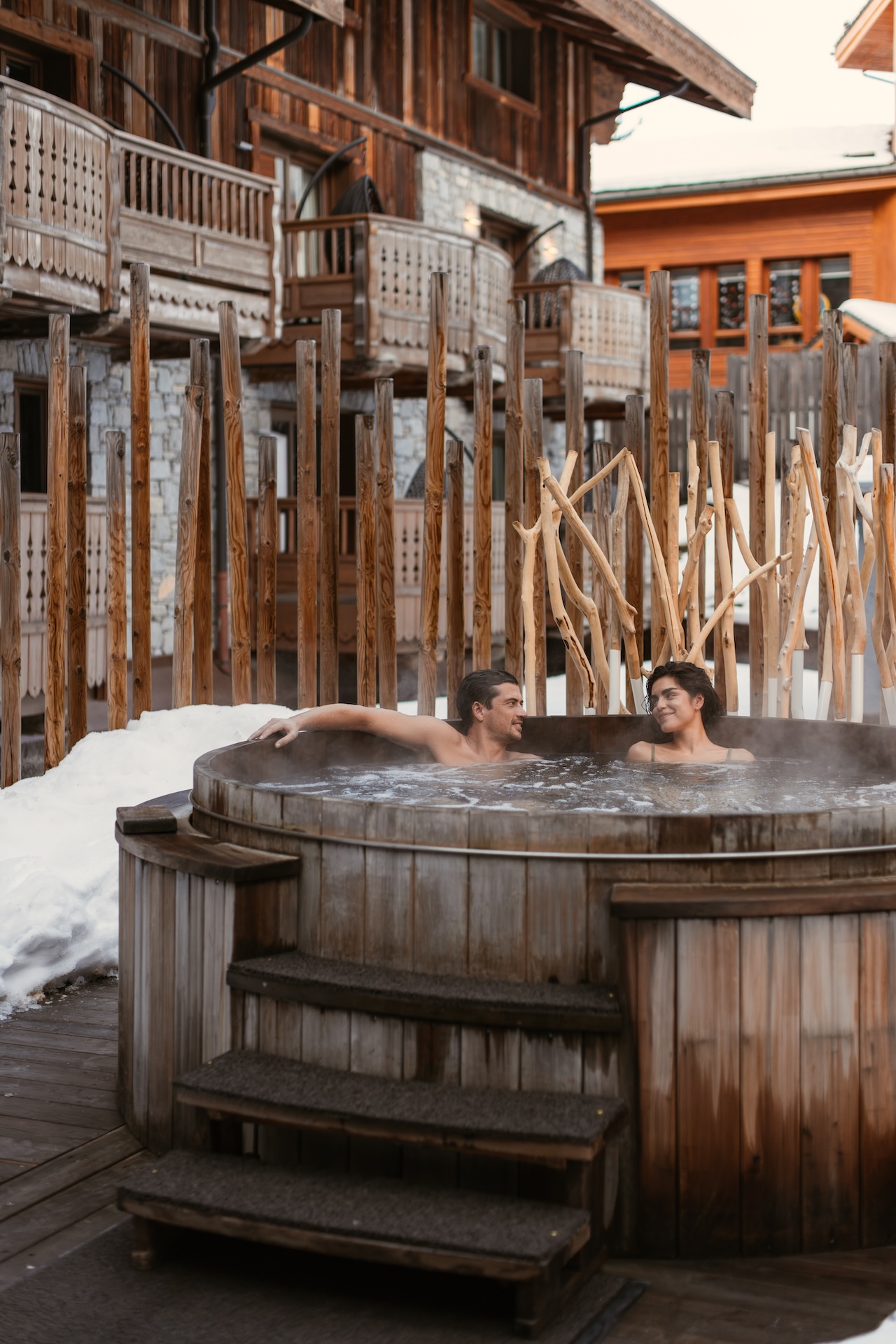
And then there’s the hydrotherapy circuit — arguably one of the most quietly powerful aspects of the experience. Moving between sauna, steam, and cold immersion, you begin to feel the body recalibrate in real time. Heat opens, cold invigorates, circulation improves. It’s a rhythm that feels ancient and modern all at once. What makes Six Senses distinct is this balance of high-tech and high-touch. Biohacking tools and diagnostics sit alongside deeply human, intuitive therapies. Science is present, but never overwhelming. Instead, it enhances the experience — guiding it rather than defining it.
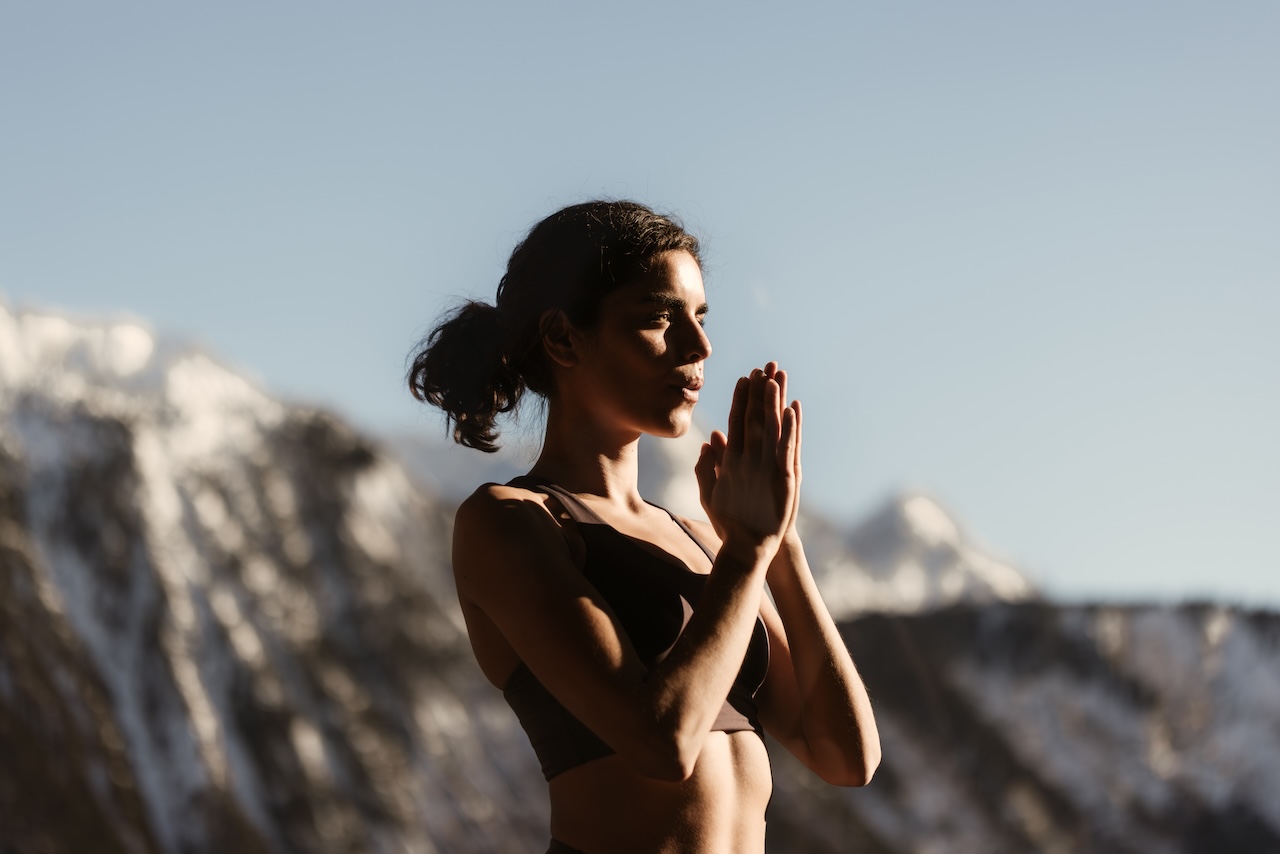
By the end of it, longevity no longer feels like an abstract goal. It becomes something physical. Something felt. You leave not just relaxed, but realigned — moving differently, sleeping more deeply, and carrying a sense of restoration that extends well beyond the mountains.
Balancing Indulgence and Intention Among Courchevel’s Most Coveted Reservations
What becomes clear across Courchevel’s dining scene is that it is no longer one-dimensional. It’s layered. You can move from the warmth and precision of Cheval Blanc to the energy of LouLou, then into the intimacy and design-forward world of Beefbar — all within a single stay. And rather than competing, these experiences complement each other. They create a rhythm. One that allows you to indulge fully, without ever feeling out of balance.
Sumosan at Six Senses
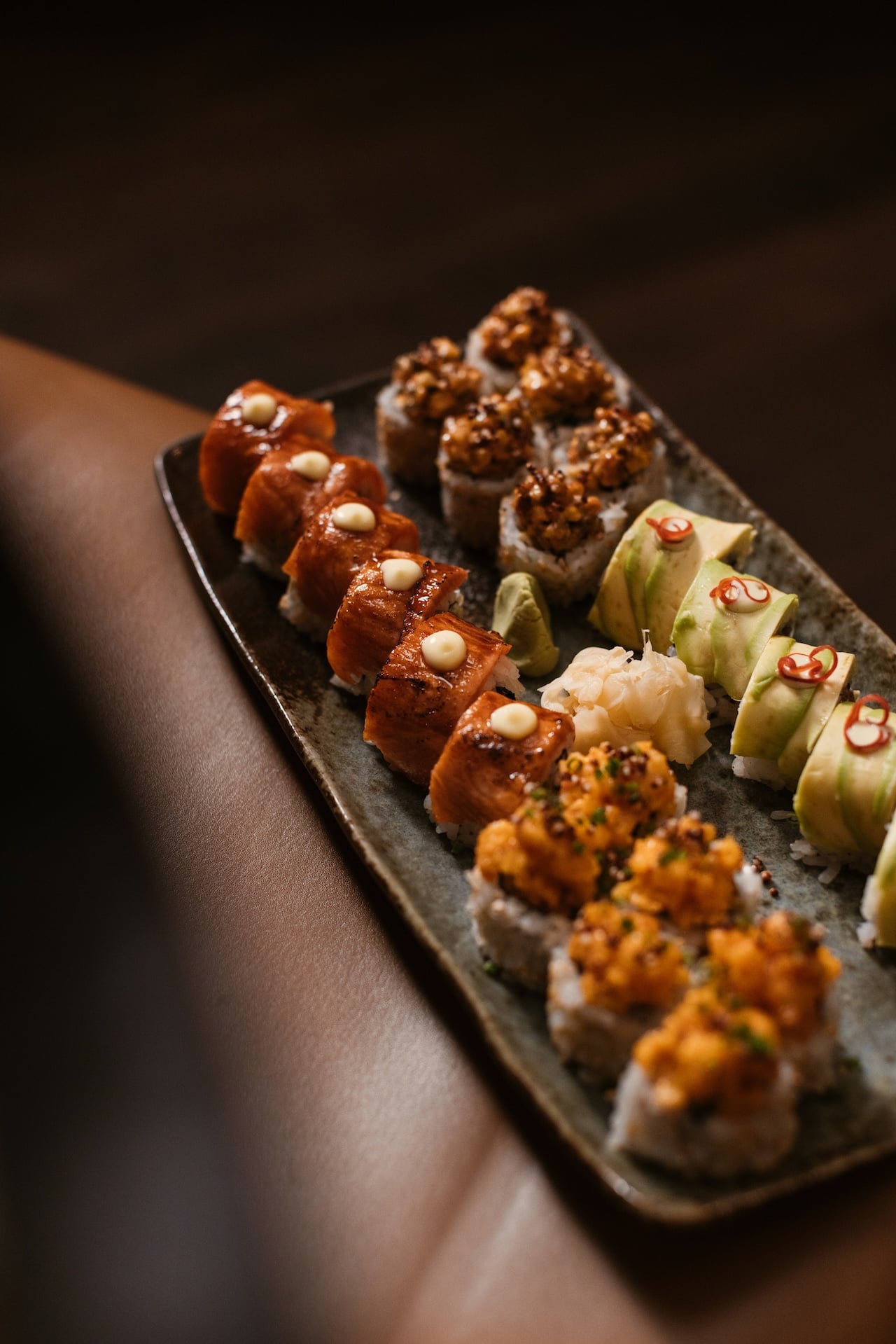
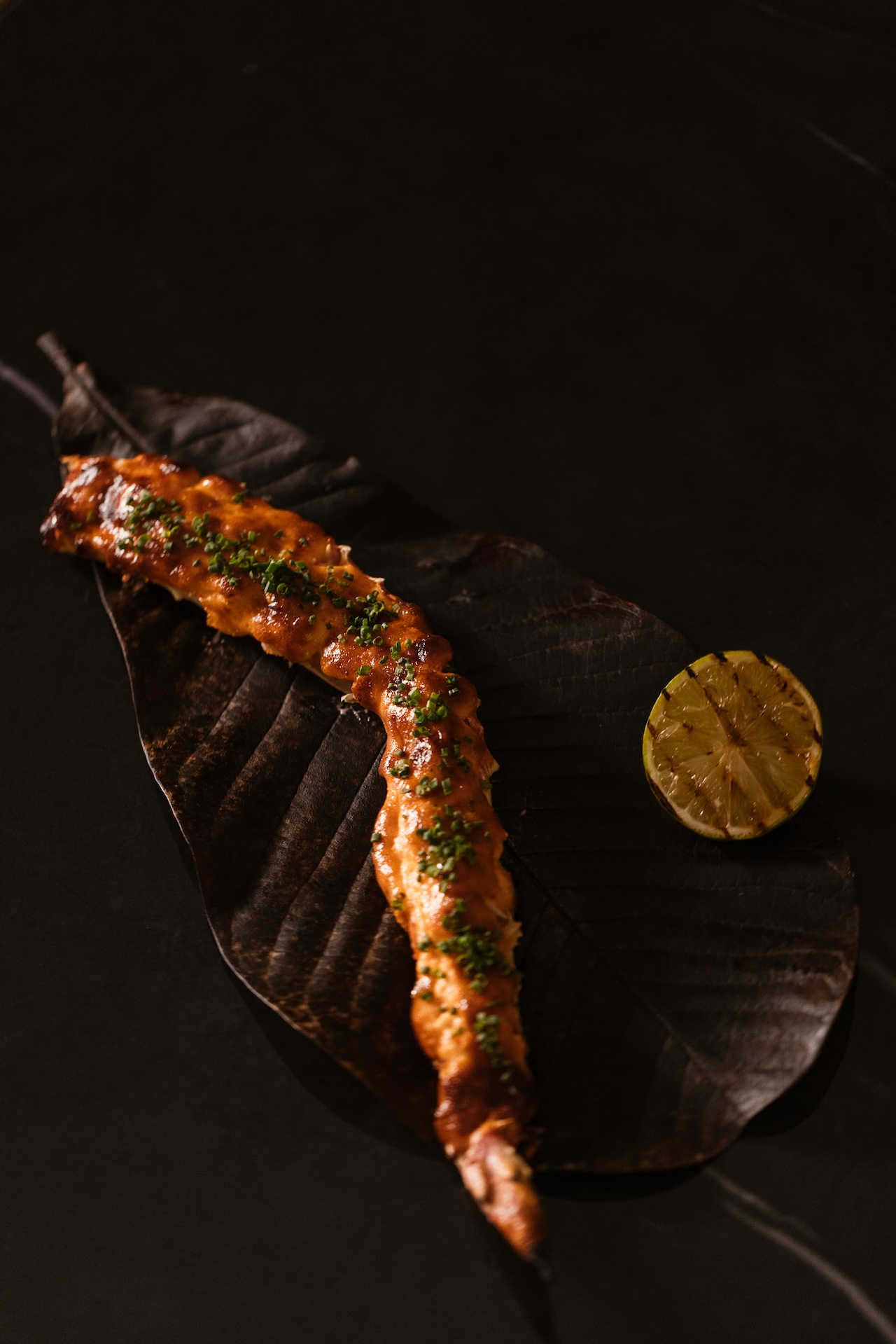
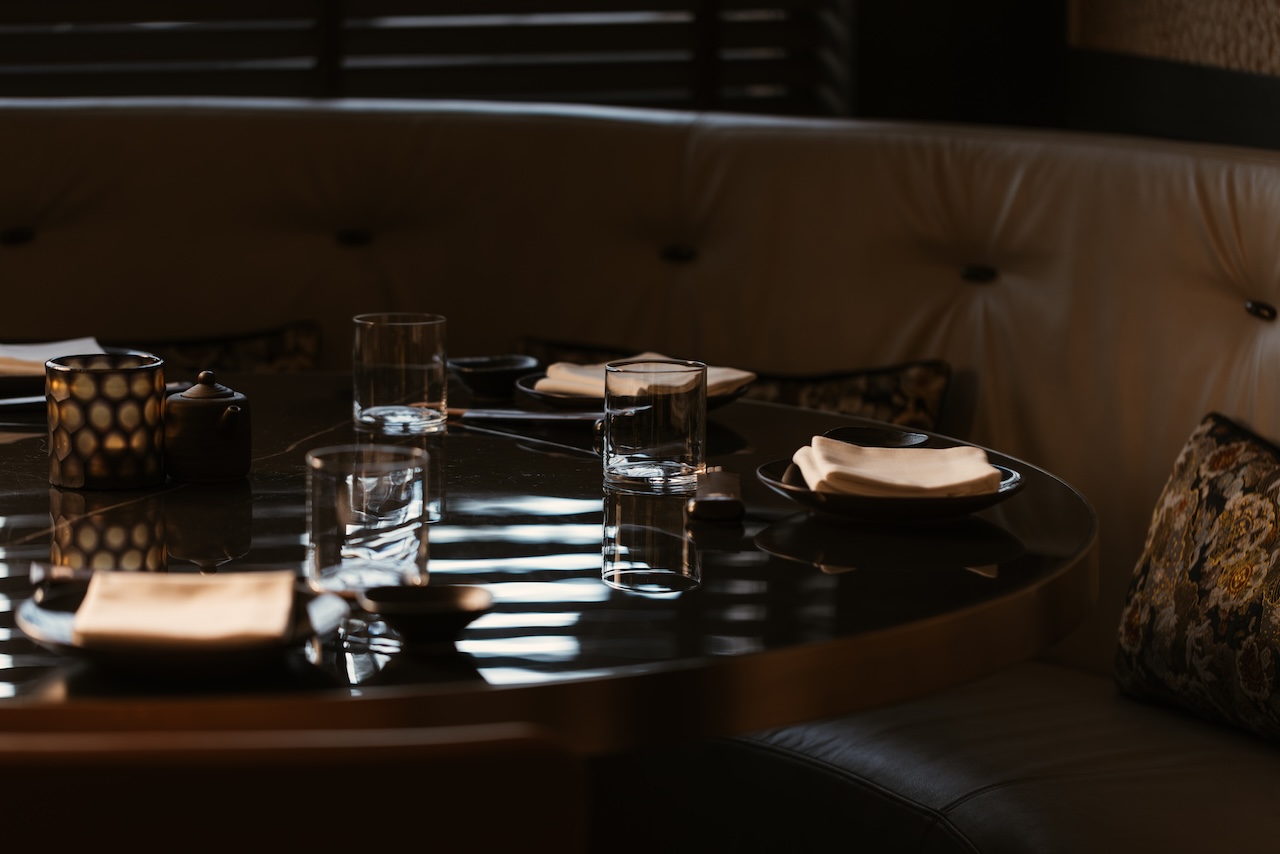
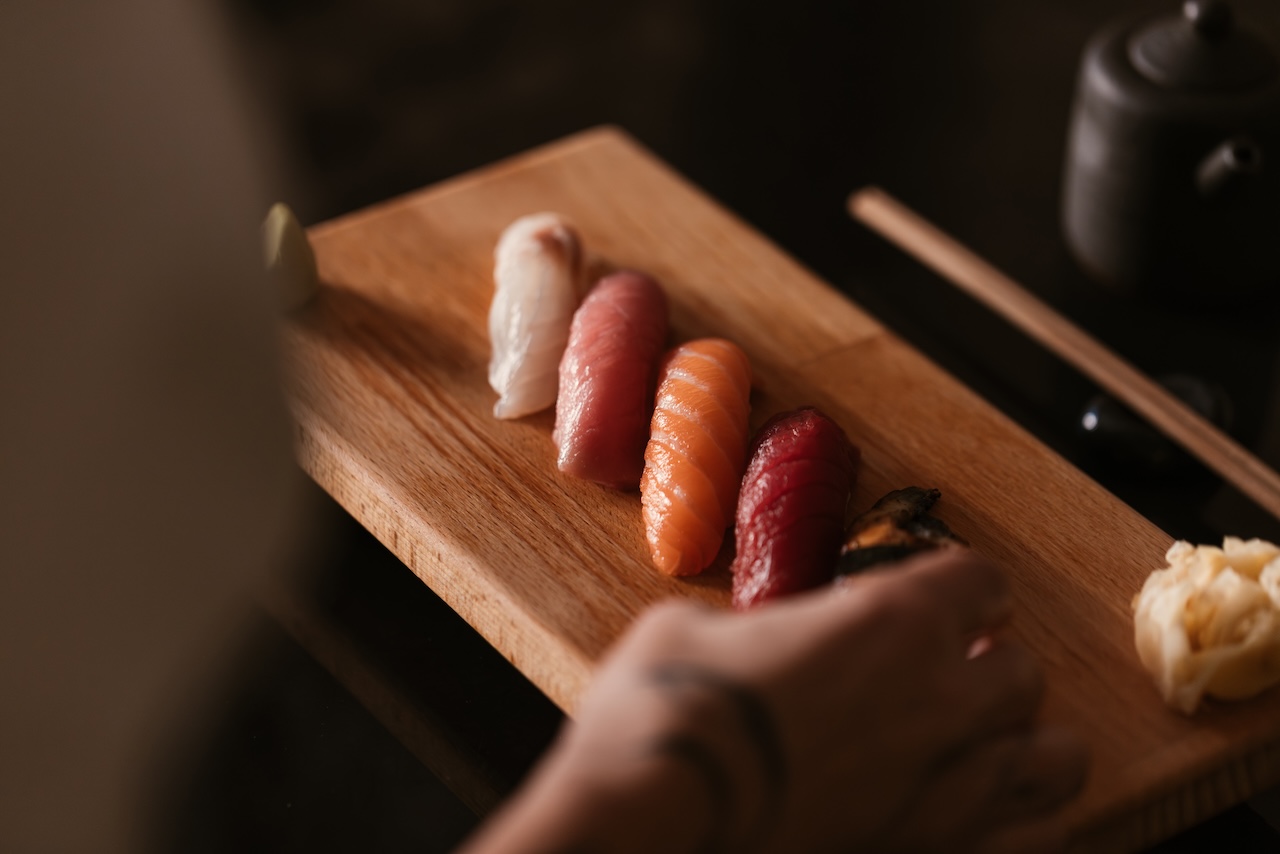
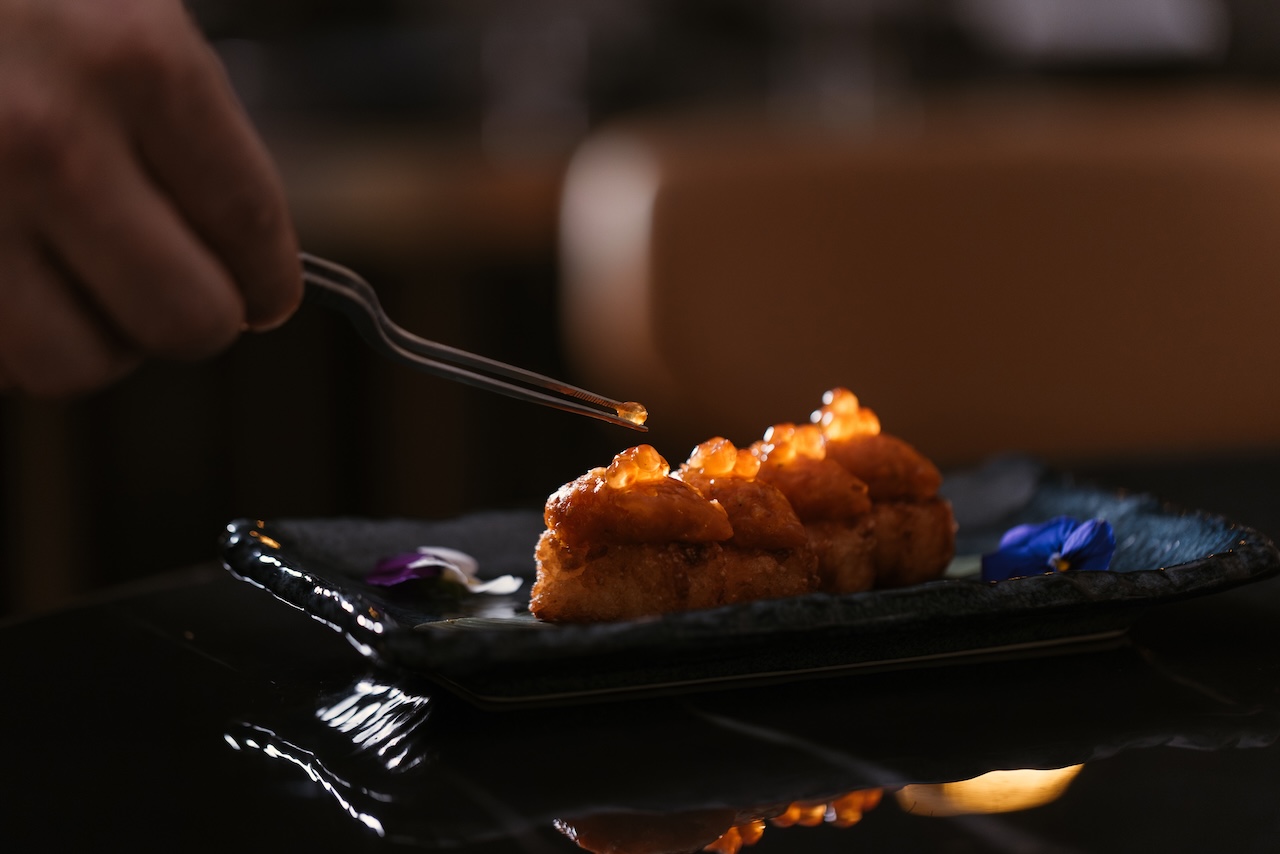
Sumosan is the Six Senses property’s signature restaurant — and a welcome contrast to the traditional alpine fare found throughout Courchevel. Stepping into Sumosan feels like entering a different world entirely. The space is sleek, softly lit, and distinctly modern, offering a shift from the heavy, chalet-style dining that often defines mountain destinations.
The menu follows suit. Known globally for its contemporary Japanese cuisine, Sumosan brings a lighter, more refined approach to dining at altitude. Sushi is impeccably fresh and precisely cut, with signature rolls that balance richness and restraint — think tuna and truffle, delicate sashimi, and unexpected combinations that feel elevated but never overworked.
Hot dishes carry that same balance. Grilled sea bass arrives tender and subtly infused with citrus and ginger, while dishes like furikake-crusted lamb or rice-based specialties bring depth without heaviness. Even the more indulgent elements — caviar-topped creations, torched sushi finished tableside — feel intentional rather than excessive. What makes it stand out, though, is how it aligns with the broader rhythm of the stay. After a day on the slopes and time spent in the spa, you’re not necessarily craving something heavy. Sumosan meets that moment perfectly — offering a dining experience that satisfies without slowing you down, indulgent yet surprisingly light.
Service mirrors the atmosphere: attentive, polished, but relaxed. There’s no pressure to rush through courses, no unnecessary formality — just a seamless experience that allows you to settle into the evening.
Le Grill Alpin at Cheval Blanc
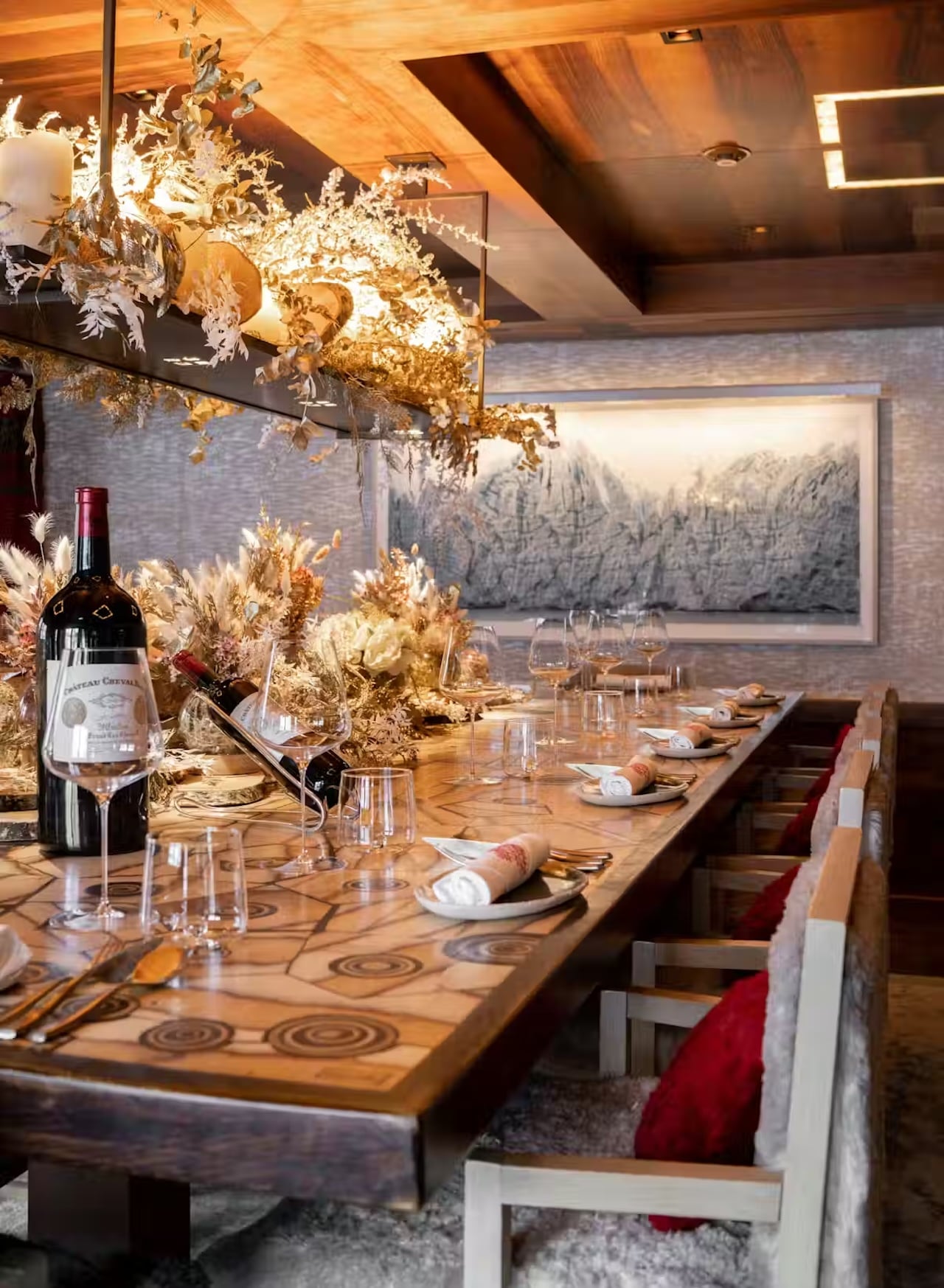
Set within the exclusive Jardin Alpin enclave and operated under the LVMH umbrella, the Cheval Blanc property carries a level of precision and craftsmanship that feels distinctly elevated, even by Courchevel standards. But what becomes clear quickly is that its culinary offering is not defined by one singular experience — it’s layered, intentional, and deeply rooted in both heritage and innovation.
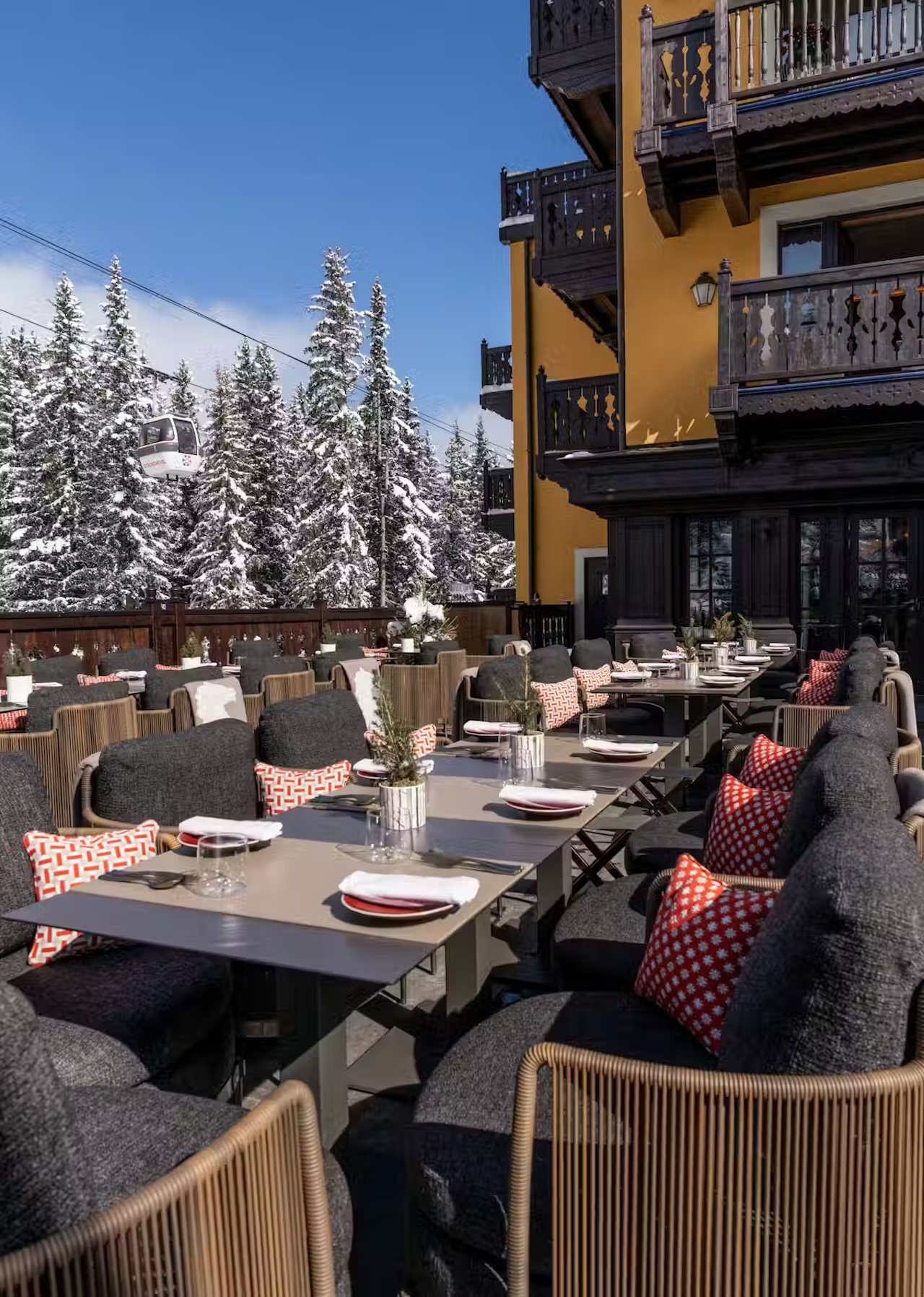
Arriving via ski, the transition is almost cinematic. You move from the quiet rhythm of the slopes into a terrace that feels sun-drenched and impossibly polished, where everything — from the service to the setting — has been considered down to the smallest detail. What sets Cheval Blanc apart, though, is the depth of experience layered beneath the surface.
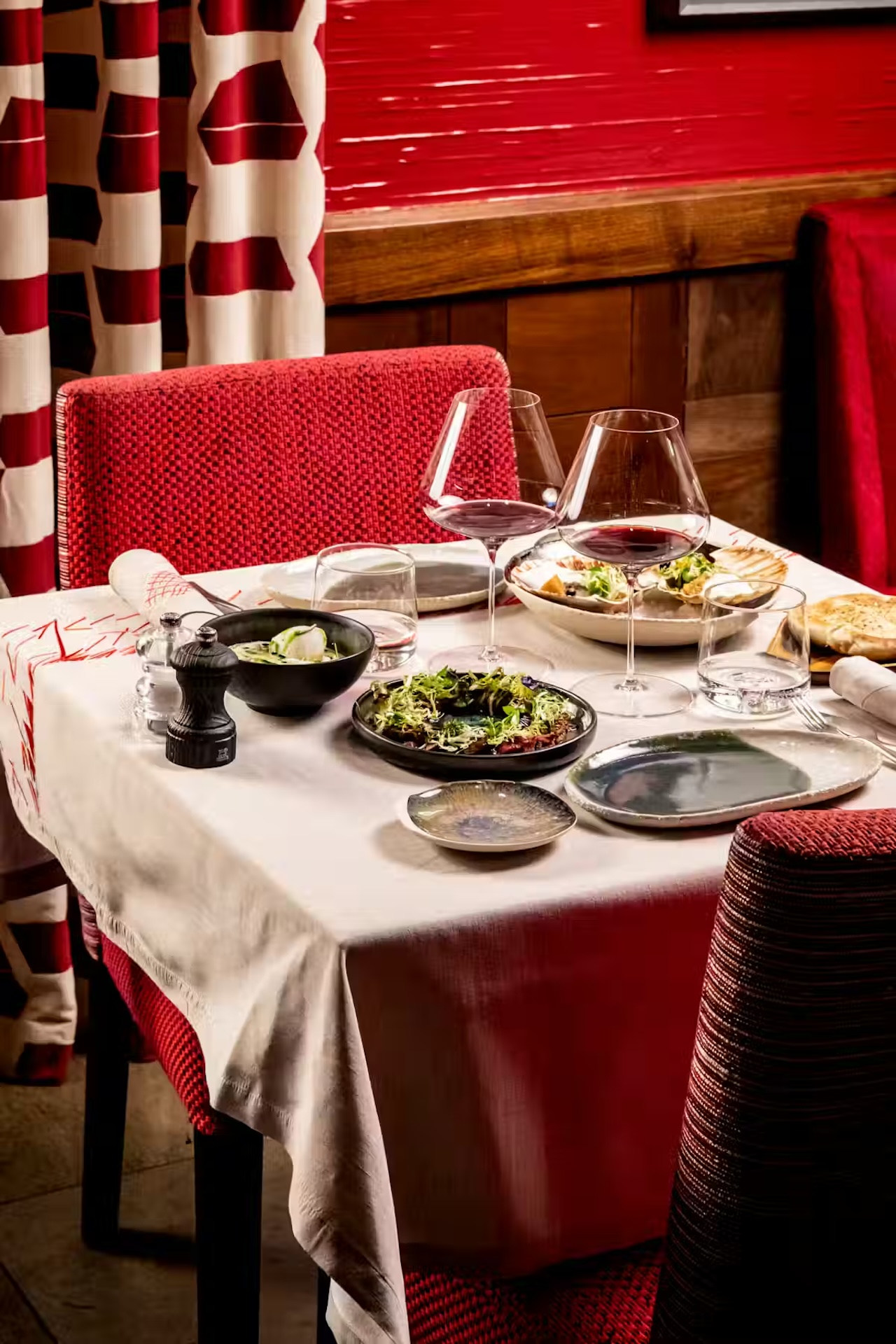
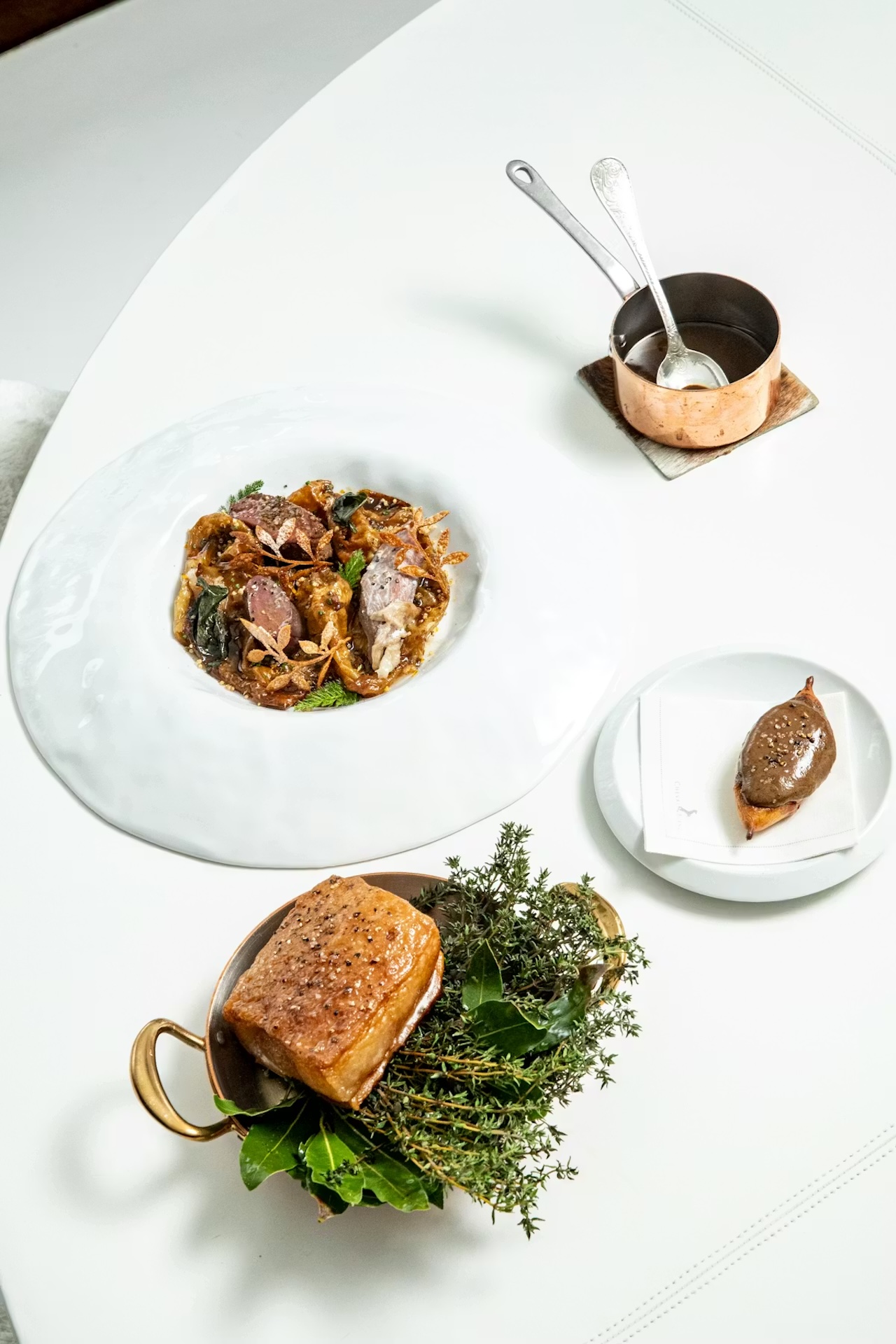
At the heart of the daytime experience is Le Grill Alpin, a space that feels warm, intimate, and quietly theatrical. Designed by Peter Marino, the interiors lean into rich textures and deep tones, with a glow that mirrors the warmth of the open flame at its center. The menu is built around fire — quite literally. Dishes are centered on expertly grilled ingredients, treated with restraint and precision rather than over-complication. Under the direction of Yannick Alléno and executive chef Renaud Dutel, the approach is one of respect: each product is allowed to speak for itself, enhanced only by carefully considered condiments and technique.
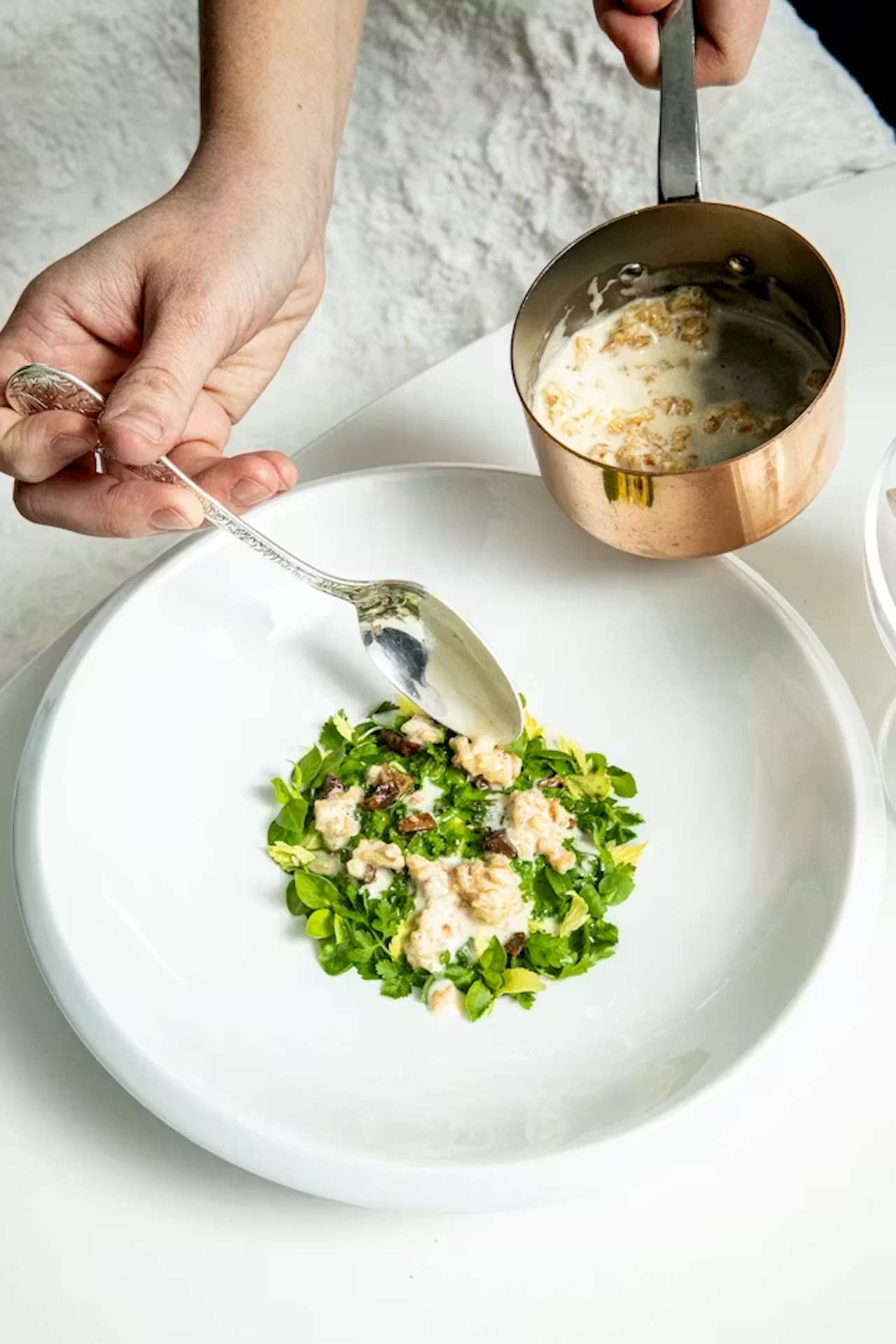
Starters lean indulgent but refined — think delicate langoustine preparations, caviar-laced sauces, or foie gras finished tableside with truffle. Seafood is a standout, from raw preparations to perfectly cooked scallops and lobster, while the grill itself delivers beautifully executed meats and fish with a subtle smokiness that lingers without overpowering. What makes it memorable, though, is the balance. Despite the level of refinement, there’s a sense of generosity to the cuisine — almost reminiscent of an elevated family table. Plates are designed to be shared, flavors are bold but clean, and nothing feels overly precious. Service follows that same philosophy. It’s highly attentive, but never intrusive. Staff move with a kind of quiet confidence, anticipating needs before they’re spoken, yet allowing the experience to unfold naturally. You’re guided, not directed.
And just beyond it sits Le 1947, the property’s three-Michelin-starred restaurant — still the only one in Courchevel — where the experience becomes something far more intimate and rarefied. With just a handful of tables, dinner here is less about dining and more about immersion, with each course unfolding as part of a highly choreographed culinary narrative led by Alléno.
LouLou at Fouquet’s
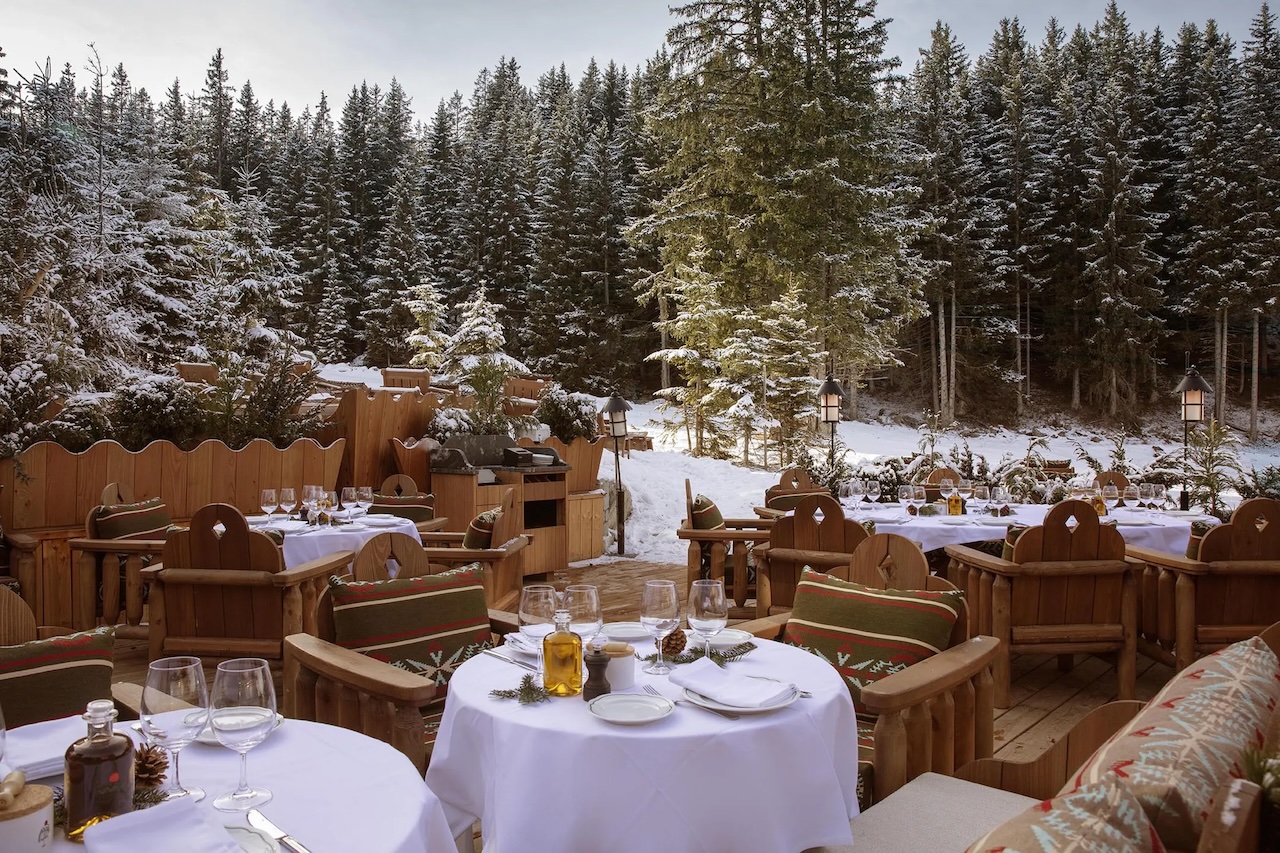
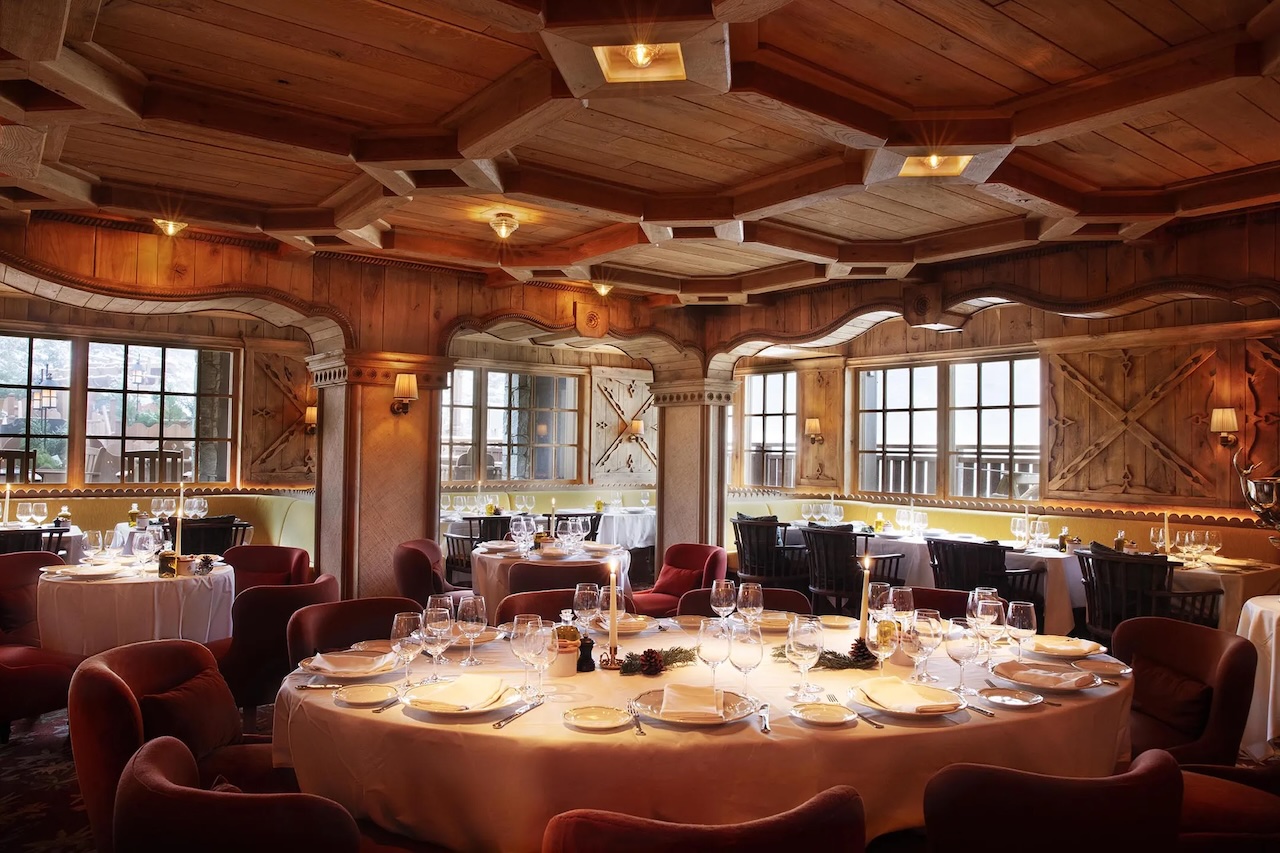
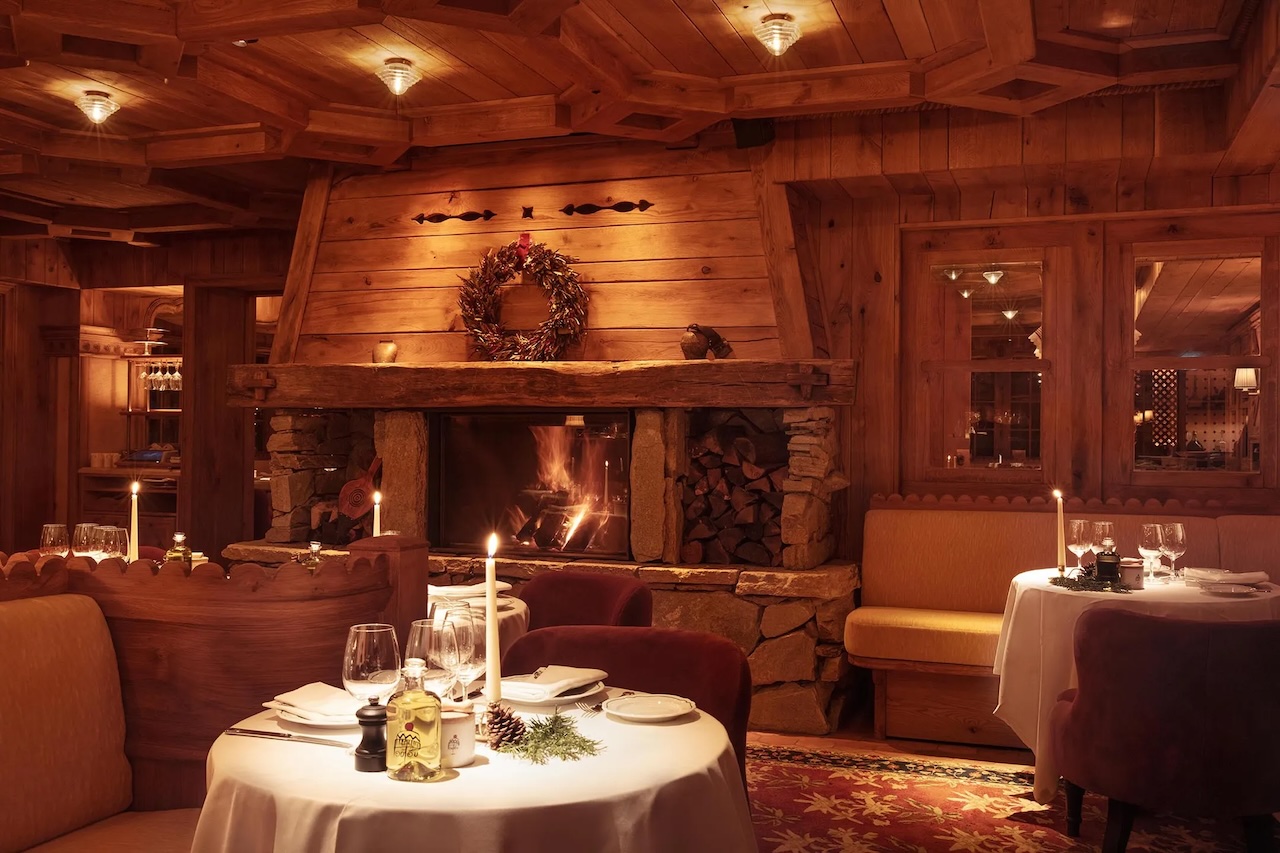
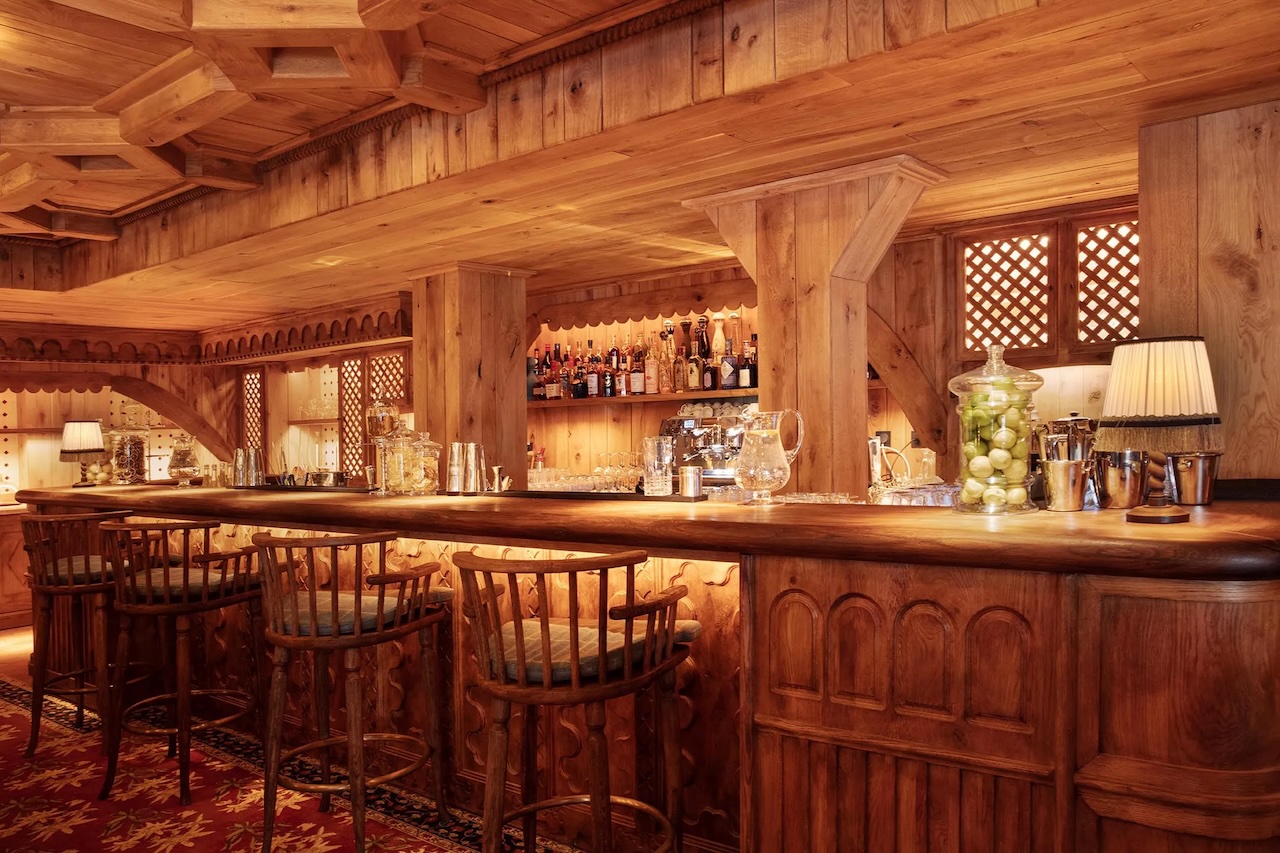
A short glide away, LouLou offers an entirely different interpretation of alpine dining. Set directly along the Bellecôte slope, it captures something Courchevel does exceptionally well: that intersection of fashion, energy, and atmosphere. If Cheval Blanc is about precision, LouLou is about mood.
From the moment you arrive, there’s a shift. It captures a kind of Paris-meets-the-Alps energy that feels instantly magnetic. The crowd is effortlessly chic, the music hums beneath conversation just loud enough to shift the mood, the terrace fills with a crowd that feels equal parts Parisian and international, and tables fill with beautifully presented plates designed for sharing. Lunch here isn’t structured — it evolves.
The menu leans Mediterranean with a distinctly French-Italian sensibility — light, shareable, and designed for long afternoons. Expect vibrant crudos, pastas, fresh vegetables, and indulgent yet unfussy mains that feel perfectly aligned with the setting. And not to be missed is their truffle pizza and dessert buffet, stretching long along the indoor dining room, offering every French pastry and sweet treat your heart could desire after a long day on the slopes.
But what makes LouLou stand out isn’t just the food (albeit noteworthy, without a doubt). It’s the way the entire experience unfolds. Plates arrive in waves, glasses are refilled seamlessly, and the energy builds gradually throughout the afternoon. It’s the epitome of Courchevel’s luxe après ski vibes. It’s social without being chaotic, elevated without being rigid. It’s vibrant without tipping into chaos, and glamorous without ever feeling forced. You don’t feel rushed — and more importantly, you don’t feel like leaving.
Beefbar at L’Apogée
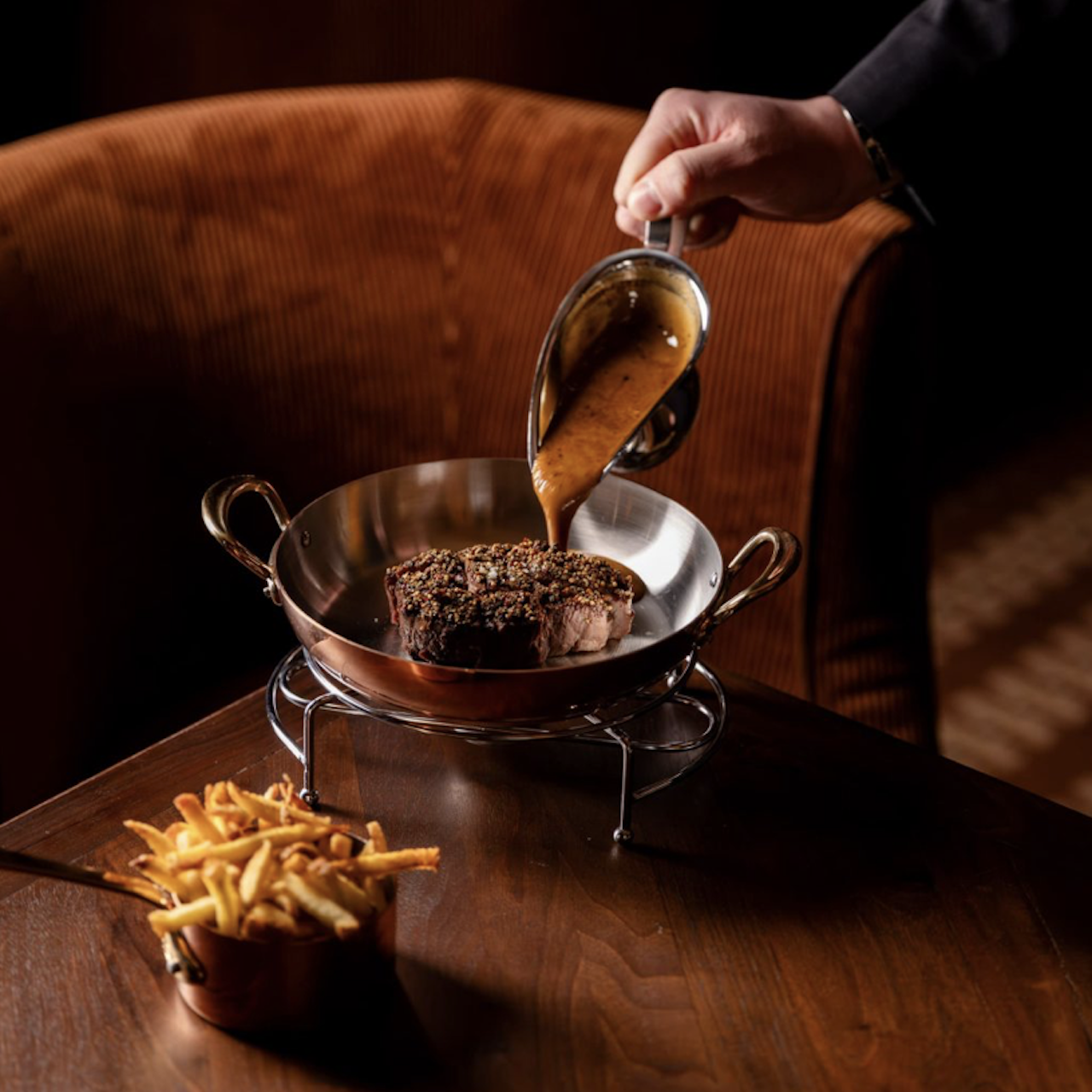
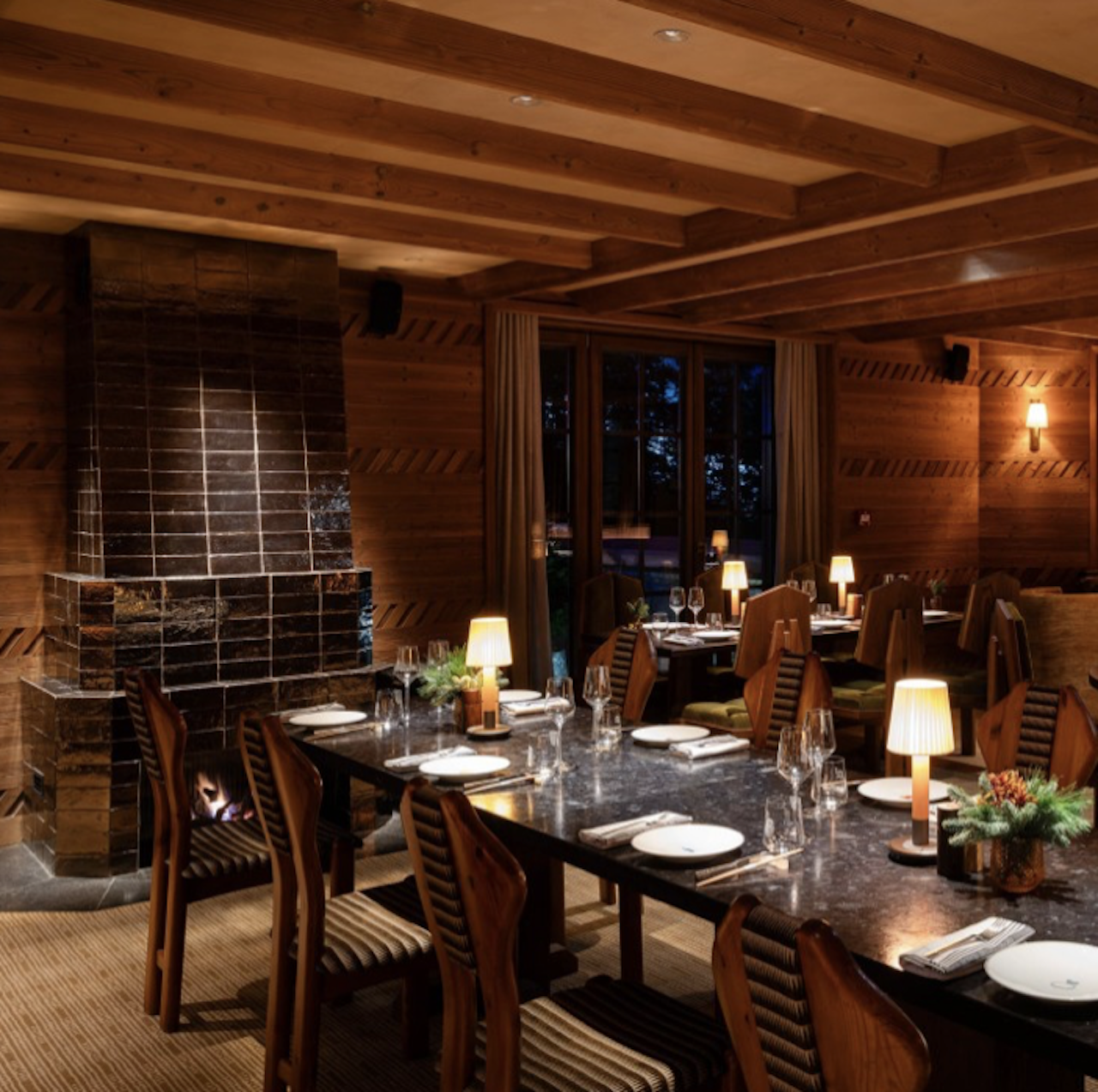
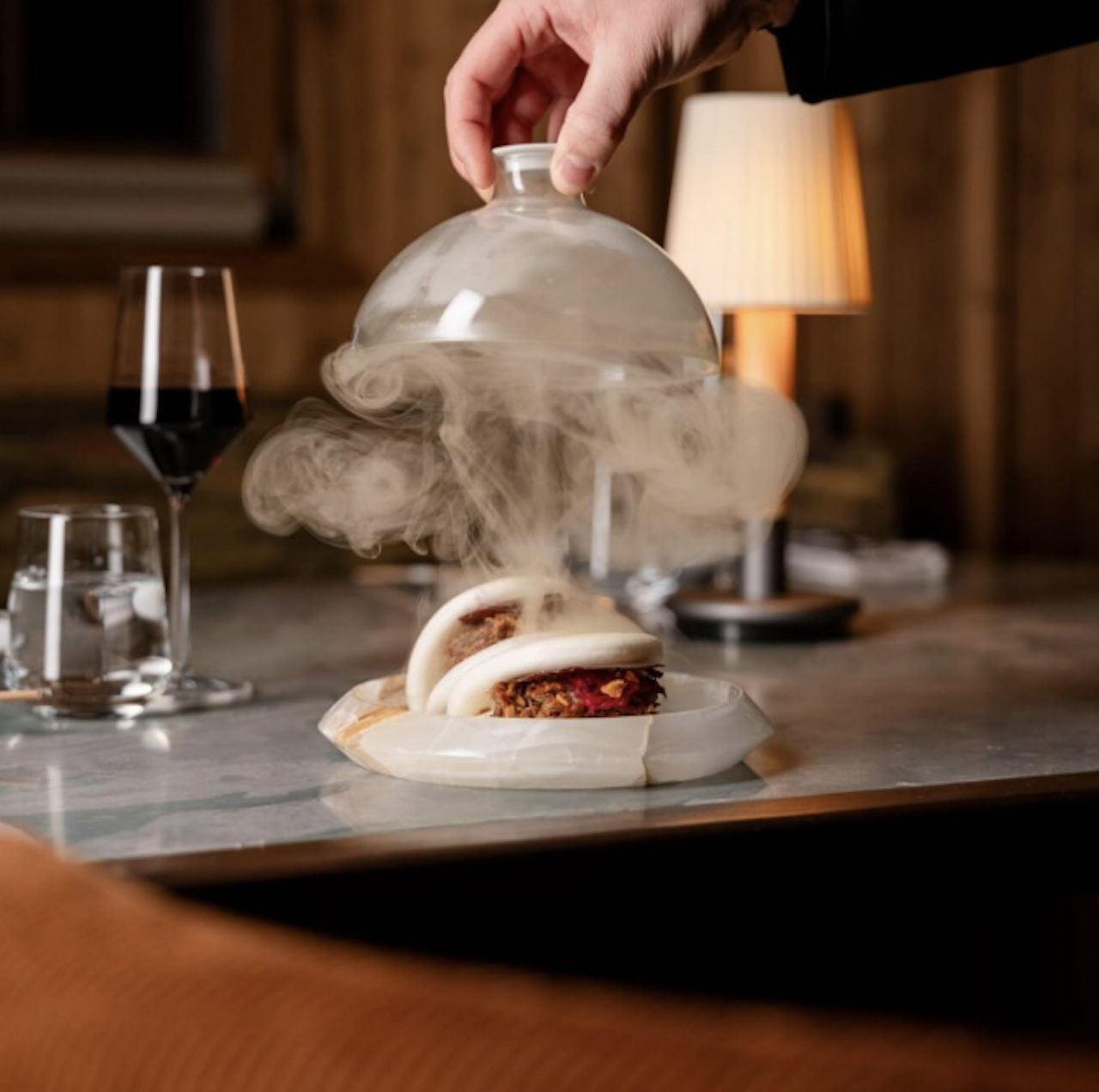
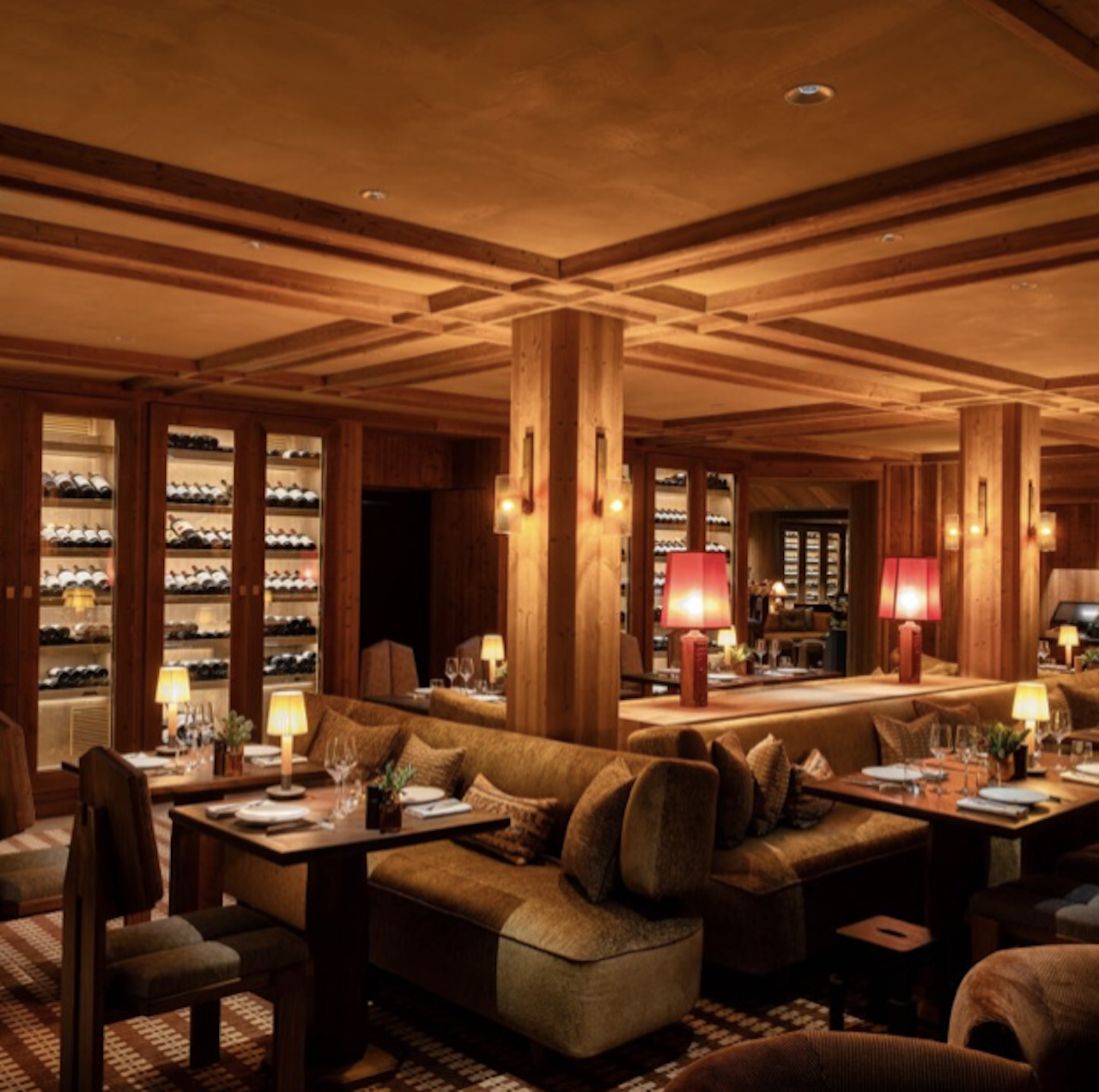
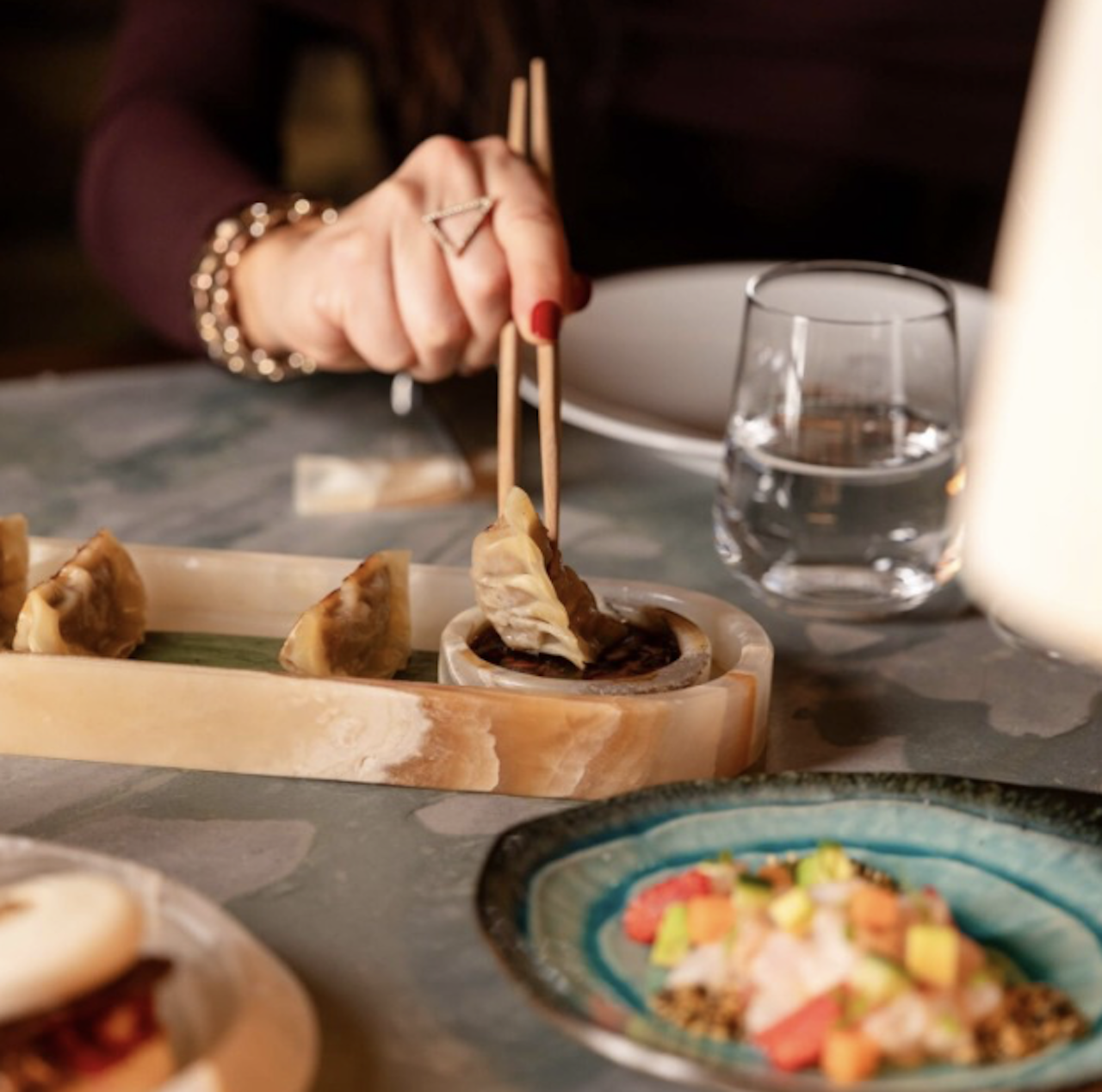
Dinner at Beefbar at L’Apogée brings yet another shift in tone — one that feels more intimate, more design-driven, and quietly indulgent.
The space itself immediately sets it apart. Recently reimagined by Kelly Wearstler, the interiors move away from traditional alpine aesthetics and into something far more layered and expressive. Rich woods, sculptural details, plush textiles, and moody lighting create an environment that feels both contemporary and deeply tactile — less chalet, more curated experience.
The restaurant is divided into multiple spaces — from a central bar to more intimate dining rooms — each with its own distinct energy, allowing the night to unfold in stages. The menu follows suit. Beefbar is known globally for its focus on exceptional cuts, and here, that philosophy is elevated further. Premium meats take center stage, sourced globally and prepared with precision, but the offering extends far beyond steak. There’s a strong international influence — dishes that pull from street food, Asian flavors, and Mediterranean inspiration — executed with a level of refinement that feels cohesive rather than eclectic.
What stands out most is the restraint. Despite the indulgence, nothing feels excessive. Portions are considered, flavors are clean, and the experience remains grounded in quality over spectacle. Service mirrors the environment — polished, but relaxed. There’s an ease to it, a sense that everything is taken care of without needing to be emphasized.
Why Courchevel 1850 is a GRAZIA-Approved Winter Escape
For us at GRAZIA USA, Courchevel 1850 remains one of the most compelling winter destinations — not just for its legacy and access to the best slopes, the best tables, and the best brands, but for its evolution.
It offers the best of both worlds: the glamour, energy, and cultural cachet that have defined it for decades, alongside a new, more thoughtful approach to travel that prioritizes wellbeing, longevity, and balance.
And at the center of that shift, Six Senses Residences Courchevel stands out — not as the loudest or most visible property, but as one of the most impactful. Because in a destination long defined by how much you could do, it introduces something far more compelling: the idea that the most luxurious experience of all is how well you feel when it’s over.
At Six Senses, that idea is embedded into every detail. The design encourages rest. The service removes friction. The wellness programming offers insight, not just escape. And together, it creates something that feels distinctly modern. Because what it offers isn’t just a place to stay. It’s a way to experience the Alps differently.
And that, ultimately, is what defines Courchevel now. It’s not about choosing between excess and restraint, between performance and pleasure. It’s about understanding how they can coexist — in the most luxurious mountain-side setting, of course.
topics: GRAZIA Travel Guide, courchevel 1850, France, skiing, apres ski, Luxury Travel, wellness, longevity


