









You’ve had a long day. You finally slide onto a barstool, spot your cocktail taking shape on the other side of the counter, and instinctively reach for it. It feels natural – the drink is right there, practically calling your name. But that one small gesture? According to the people who actually make our drinks for a living, it might be the single fastest way to sour the entire experience. Three bartenders and bar owners recently shared the unwritten rules most of us break without even realizing it, and the biggest offenses have nothing to do with what you order.
Why reaching for your drink too early is a bigger deal than you think
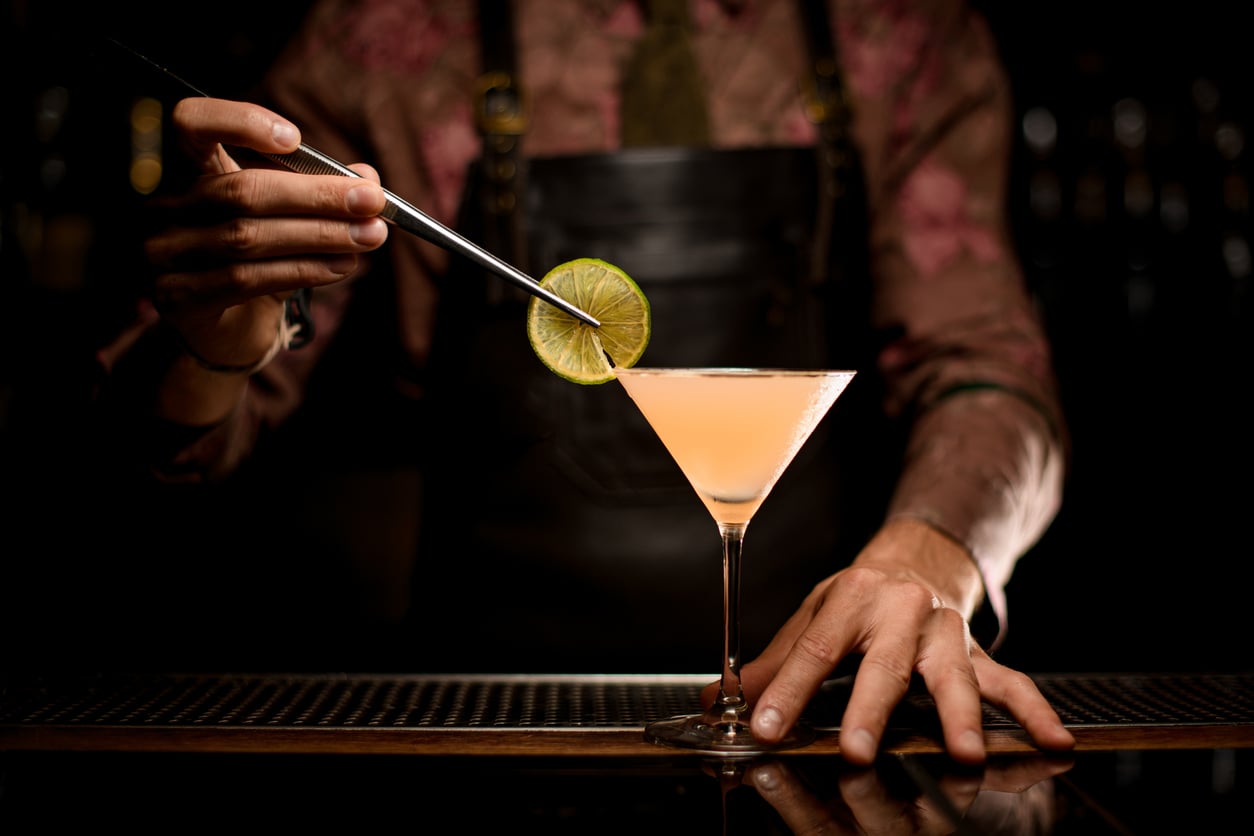
Terra Velasquez, the food and beverage director at The Finn in Houston, Texas, describes what happens behind the bar as a performance, not merely a task. When a bartender is building your cocktail, every step – from the pour to the garnish – is part of a deliberate process. Grabbing the glass before it has been officially handed to you interrupts that process in a way Velasquez compares to pulling a dish off the stove while a chef is still plating it. You would never walk into a restaurant kitchen and snatch your entrée mid-preparation, yet customers do the cocktail equivalent on a regular basis.
It is not just about the visual presentation, either. The drink may not actually be finished. What looks ready to you might still need a final stir, a specific ice adjustment, or a garnish that changes the aroma and first sip. So even if your cocktail appears to be sitting right in front of you, the move is simple: wait until the bartender slides it your way.
The patience problem nobody talks about
Gary Crunkleton, owner of The Crunkleton – with locations in Charlotte, Raleigh, and Chapel Hill, North Carolina – is quick to note that most etiquette missteps at the bar are not intentional. He believes it is the responsibility of the bartender and staff to create an atmosphere that brings out the best in every guest. Still, impatience is the issue he encounters most often, and it stings more than people realize.
Crunkleton works hard to serve everyone without keeping anyone waiting. So when he finally gets to a guest and the first thing they mention is how long they have been standing there, it hits a nerve. He admits that the pride he takes in his work behind the bar does not sit easily alongside that kind of criticism. The impatience tends to flare up at two specific moments: when people are ordering drinks and when they are trying to close out their tabs.
What does help, Crunkleton says, is clear communication. An experienced bar guest knows to consolidate orders for a group rather than trickling them in one at a time. They also know how to position themselves at the bar, use brief hand gestures or short comments, and generally make the exchange as smooth as possible – especially during a rush.
How to get your bartender’s attention the right way
Sean Potter, CEO of Built On Hospitality and the mind behind Folia in Charlotte, North Carolina, echoes the call for patience but adds another layer. Snapping your fingers, waving cash, or tapping your empty glass on the bar to flag down service are all moves that feel urgent in the moment but read as disrespectful on the other side. Potter notes that bartenders see you – there is a rhythm to bar service, and a skilled bartender is always working a few steps ahead of the visible action.
If you do need to catch their eye, simple eye contact is the most effective tool you have. It signals that you are ready without disrupting the flow. Potter also encourages guests to stop treating the interaction as purely transactional. When you sit at a bar, you are sitting across from someone who spends their entire day tasting, pouring, and thinking about their craft. The best experiences tend to happen when guests share what flavors they enjoy, what mood they are in, or a drink they have liked in the past.
And if you genuinely have no idea what you want? Telling your bartender to surprise you is, according to Potter, one of the best conversation starters available. It shifts the dynamic from a simple order-and-deliver exchange to something personal and collaborative.
What all of this really comes down to
None of these etiquette slip-ups require a dramatic personality overhaul to fix. The through line is respect for the craft and the person practicing it. Let your cocktail come to you. Skip the commentary about wait times. Ditch the finger-snapping. And when in doubt, lean into the conversation rather than treating the bar like a vending machine. You will almost certainly get a better drink out of it – and a far more memorable evening.


