










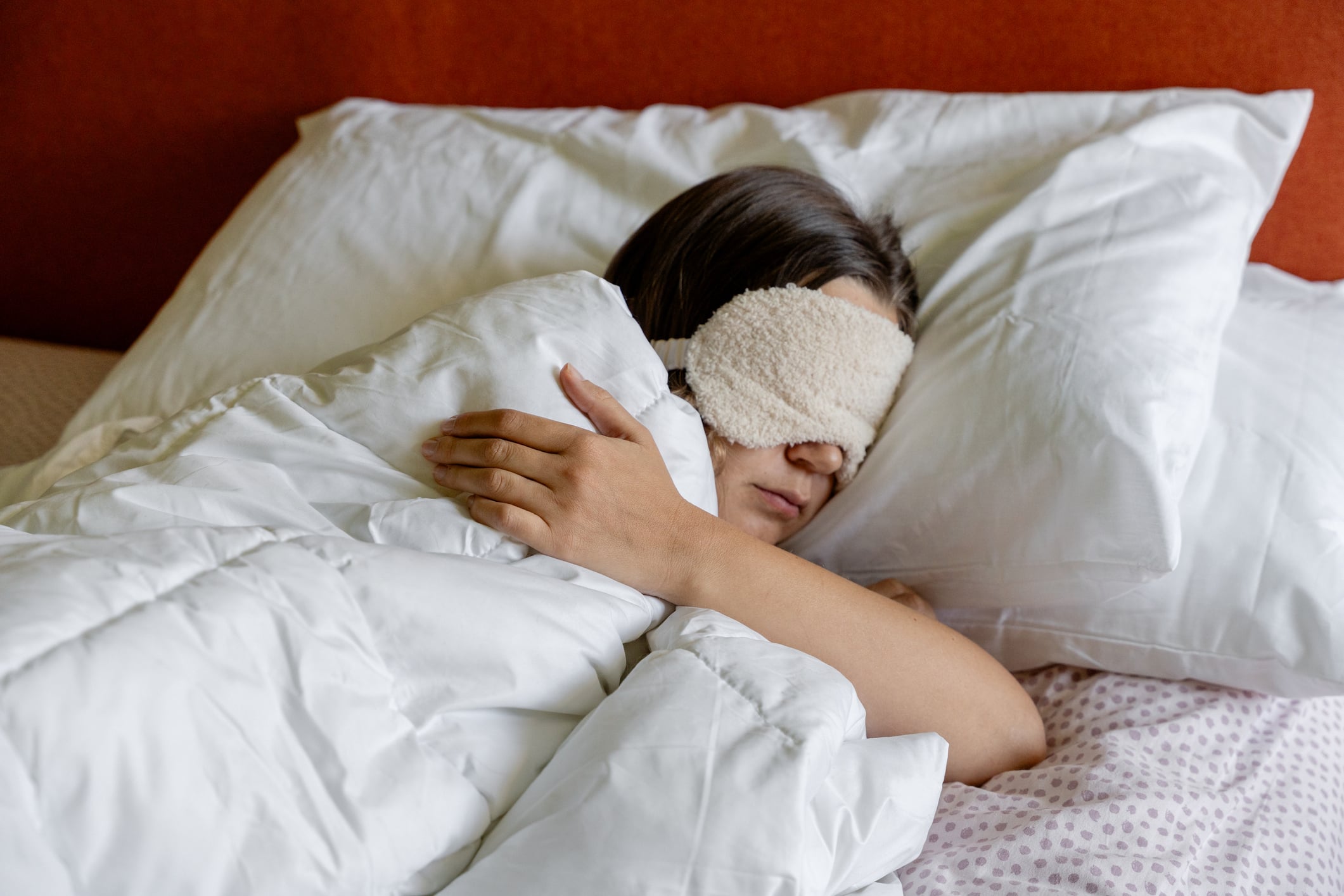
You know that glamorous side-sleep pose you collapse into every night, top leg thrown over like a human pretzel? Turns out it’s probably the reason you find yourself rolling out of bed with a stiff back and hips that feel like they aged a decade overnight.
Side sleeping is supposed to be the good position. Many spine specialists prefer it to stomach or semi-sitting sleep. The real issue is how most of us do it. In an Instagram video, sports surgeon Ethan Kellum ranks sleep positions from D-tier to S-tier and calls basic side sleeping without leg support a C-tier move. His S-tier winner is the laziest hack imaginable: the same side position, upgraded with a pillow between your knees.
Why Your Go-To Side Sleep Throws Your Hips Out Of Line
When you lie on your side with nothing between your legs, the top leg usually drops forward once you fall asleep. That drags your thigh and knee toward the mattress, rotates your pelvis, and twists your lower back. Hospital back-care guides in the US tell patients to keep ears, shoulders, and hips stacked in one line; this toppled-leg position quietly breaks that rule for hours.
That tiny nightly twist builds up. It can look like morning stiffness that fades once you walk around, a deep ache in one hip, or a low back that cracks and protests every time you tie your shoes. Sleep education sites such as Sleep Foundation warn that when joints and tissues are loaded unevenly all night, the muscles around them never really clock out.
How A Pillow Between Your Knees Realigns Your Back And Hips
Slide a pillow between your knees and suddenly the geometry changes. The spacer keeps your legs roughly hip-width apart instead of letting the top leg collapse forward, so your pelvis stays more level and your spine closer to neutral.
Health writers at places like Healthline and GoodRx describe knee pillows as simple pressure-redistribution tools. They reduce the twist in your lumbar spine, share weight more evenly across your outer hip, and stop bone-on-bone contact between your knees. For many side sleepers with lower back or hip pain, that is enough to turn groggy, sore mornings into normal, just-slept ones.
Pregnancy handouts and spine-society pamphlets teach almost the same setup: lie on your side with knees slightly bent, place a pillow between the legs, sometimes add another under the bump or waist. Whether you are pregnant, dealing with sciatica, or just stiff, the goal is identical – stack the joints, soften the angles, and let muscles around your spine finally relax.


