










At 96, Clint
Eastwood delivers a harsh verdict on American culture, claiming the
US has birthed few truly original art forms. From westerns to jazz
and blues, his own career turns that charge into a pointed question
about national identity.
Clint Eastwood’s Stark Verdict On American Art At 96
Clint Eastwood is supposed to be in the porch-swing phase of life at 96. Instead, the man who turned the squint into a career is still handing down cultural verdicts, and his latest one lands like a barbed wire lasso around the United States itself.
In a recent conversation with Spanish film magazine Fotogramas, the director of Unforgiven and Juror No. 2 took aim at his own country’s artistic legacy, arguing that compared with Europe, the US has produced surprisingly few truly original art forms. For a Hollywood legend who helped define American cool, it is a very pointed kind of self-critique.
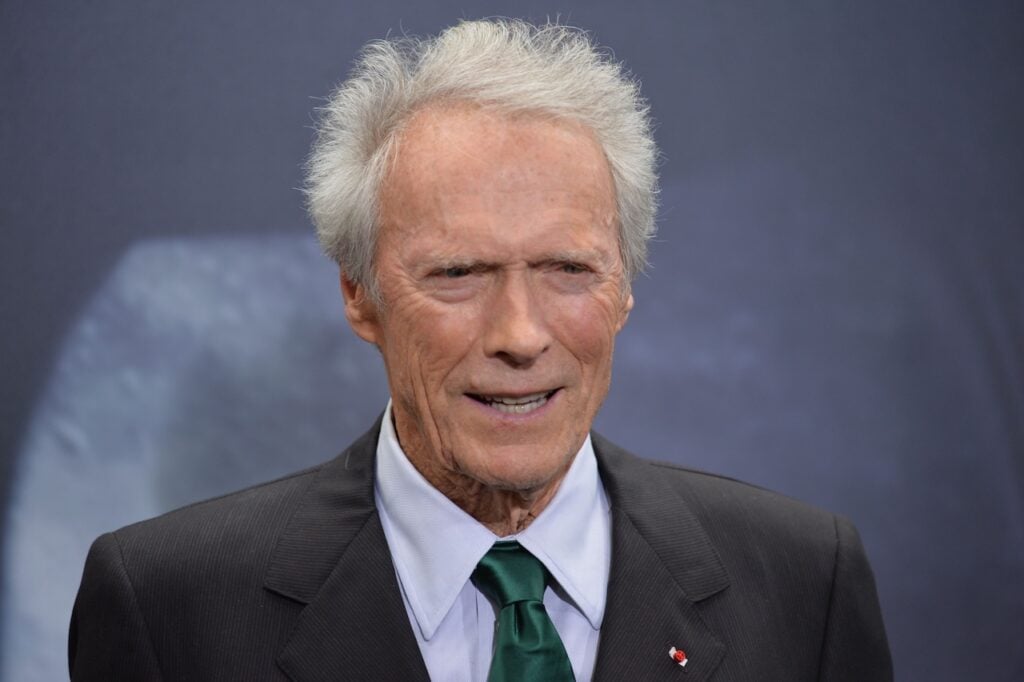
Clint Eastwood
‘Sully’ film premiere, New York, USA – 06 Sep 2016
Not Like Europe: What He Says Is Missing
“Honestly, the United States is not like Europe. Here, there are not many original art forms. Most of it stems from European art forms. Aside from the western, jazz, or blues, that is about all that is truly original,” Eastwood says. The line has ricocheted across European outlets, from Fotogramas to sports daily Marca, precisely because it flips the usual Hollywood exceptionalism on its head.
What he is really talking about is origin stories. Europe has centuries of opera, ballet, classical painting and theater that predate the United States itself. Eastwood is arguing that much of US culture is a remix of those traditions – fun, profitable, sometimes brilliant, but not born from scratch. In his view, only three forms grow directly out of this soil.
Why Westerns Jazz And Blues Are His Holy Trinity
The Western Americas Frontier Myth On Film
Eastwood treats the western like a national archive on celluloid. The genre is built on the country’s own frontier mythology: lonely riders, vigilante justice, land taken at gunpoint, towns built overnight and burned by morning. It is messy, violent and foundational, which is exactly why he thinks it counts as uniquely American.
He would know. After early television work on Rawhide, his entire image was forged in Sergio Leone’s Italian-shot Dollars Trilogy – A Fistful Of Dollars (1964), For A Few Dollars More (1965) and The Good, The Bad And The Ugly (1966). Later, behind the camera, he turned the genre inside out with High Plains Drifter, The Outlaw Josey Wales, Pale Rider, and finally Unforgiven, the four-Oscar elegy that stripped the romance from the gun.
If you have ever found yourself half-watching Unforgiven on a Sunday while meal prepping, only to realize it is really about guilt, aging and national myth-making, you have already lived inside Eastwood’s argument: the western is not just cowboy cosplay, it is a homegrown way of talking about who Americans think they are.
Jazz A Hybrid Sound Born In The United States
The second pillar of his canon is jazz. Born in New Orleans from Black musicians blending African rhythms with European harmonies and marching bands, jazz is improvisation as identity: swing, bebop, cool, all mutating in real time. It is the sound of cities, migration and rule-breaking.
Eastwood is a lifelong jazz obsessive. He directed Bird, his Charlie Parker biopic, produced the blues-focused doc series Piano Blues, and has spent decades programming jazz at his Mission Ranch hotel in California. Long before this latest interview, he was telling critics that jazz and blues were, for him, the purest American inventions.
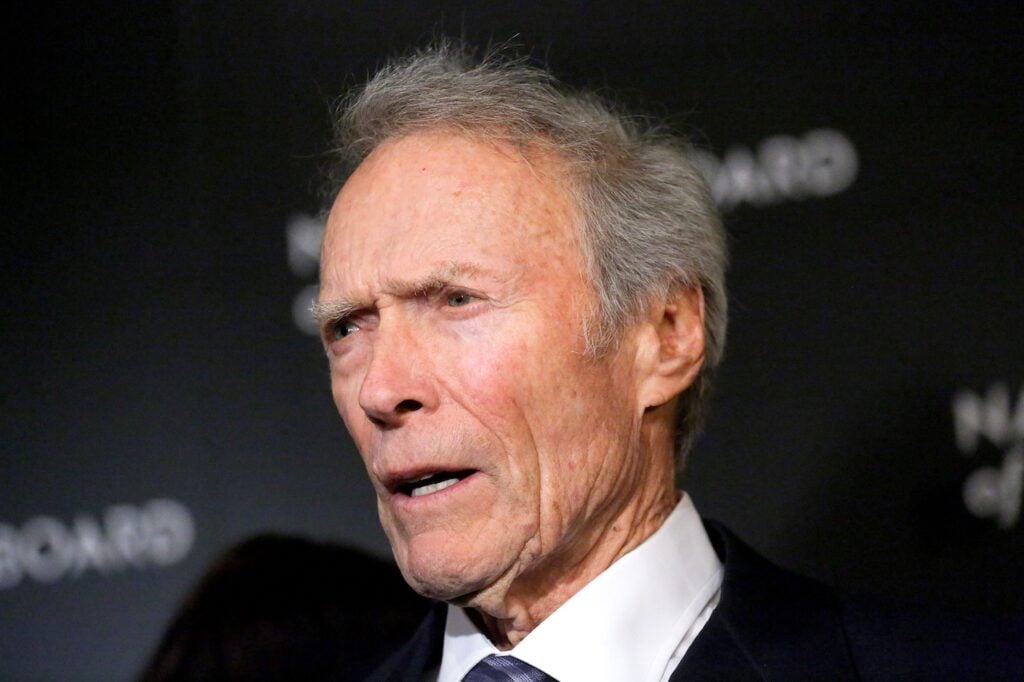
Clint Eastwood
National Board of Review Awards Gala, New York, America – 06 Jan 2015
Blues From The Deep South To Every Playlist
The third art form on his short list is the blues, born in the Deep South from spirituals, work songs and the brutal reality of slavery and segregation. Those twelve bars of lament and defiance traveled from fields to juke joints to Chicago clubs, then exploded into rhythm and blues, rock, soul and, eventually, most of your Spotify queue.
By naming blues, Eastwood is quietly acknowledging something important: if the United States has any claim to originality, it runs directly through Black experience. The music that grew from that pain powered not just his beloved jazz and the western’s dusty saloons, but global pop culture.
The European Twist That Made Him An American Legend
Of course, there is a delicious irony baked into his complaint. The man lecturing the US on originality became an international star thanks to a European reinterpretation of an American genre. Before Leone called, he was a familiar television face. After the Dollars Trilogy, he was the Man With No Name, exported to every territory that had a projector.
Those films were shot largely in Spain, financed from Italy, and scored and styled with a distinctly European sense of excess. In other words, Europe took a US-born myth, exaggerated it, then sold it back to the world with Eastwood at the center. His own career is the cross-Atlantic feedback loop he is describing.
Has He Always Thought This Way
This is not a late-life hot take from a cranky legend. Interviews from the 1980s onward show him repeating the same thesis: jazz, blues and the western are the only truly American art forms. While making Bird, he talked about jazz as the country’s deepest cultural gift; in later conversations around Piano Blues, he doubled down on blues and jazz as the roots of everything else.
Look at the work and the pattern holds. On one side, a long line of westerns questioning the national myth. On the other, films and documentaries circling jazz and blues. Eastwood has effectively used his filmography as a long, moody essay on what counts as original in the United States.
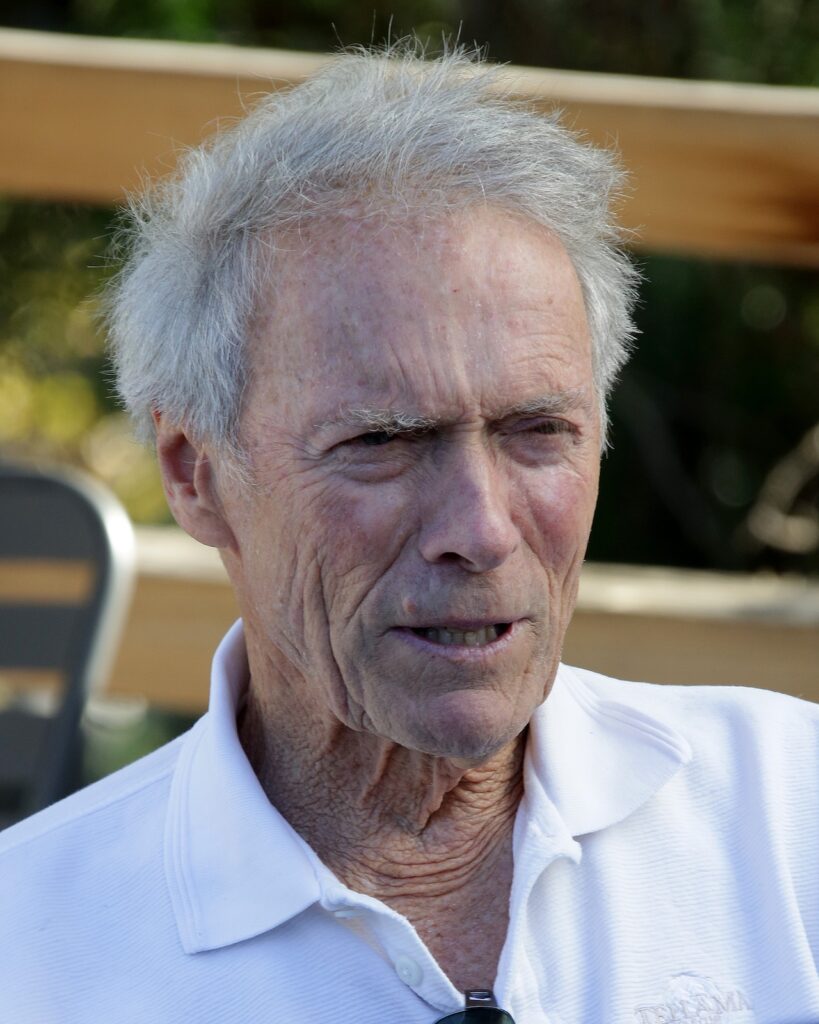
Clint Eastwood
Eastwood Ranch Foundation 1st Annual ‘Fall Garden Party’, Los Angeles, America – 07 Nov 2015
The Pushback Rock Hip Hop Broadway And Beyond
The internet, naturally, has notes. Critics and fans quickly pointed to rock and roll, hip hop, Broadway musicals, stand-up comedy, even superhero comics as evidence that the US has birthed more than three art forms. They are not wrong. Try telling a Swiftie, a Kendrick loyalist or a Marvel devotee that their obsessions are just derivatives.
Yet even the pushback accidentally proves his point. Rock and roll is blues and gospel plugged into an amp. Hip hop grows from funk, soul and spoken-word traditions built on the same Black musical line. Superhero comics are essentially frontier loners in spandex, trading horses for skylines. You can argue Eastwood’s list is too short, but it does look suspiciously like the root system of the modern entertainment forest.
Why His Comment Hits A Nerve In The United States
Part of why this lands so sharply is timing. The US industry is in a long conversation about franchise fatigue, endless reboots and whether the studios still gamble on genuinely new voices. The classic western is struggling at the box office; even Kevin Costner’s multi-part epic Horizon: An American Saga has fought for attention against capes and IP.
When Eastwood sighs that “here, there are not many original art forms,” he is not just comparing the Louvre to Hollywood. He is mourning a shrinking space for the kinds of movies and music that built his taste in the first place. For the rest of us – toggling between another superhero sequel and a comfort rewatch of Unforgiven or Bird – his gripe doubles as a challenge. Which art forms feel genuinely, irresistibly American to you, and which are just particularly successful remixes of someone else’s song?


