











You know the fantasy: alarm clock retired, calendar blank, the only standing appointment is with your streaming queue. It sounds delicious when you are grinding through yet another status meeting. But psychologists who study aging keep noticing the same thing – the happiest retirees are rarely the ones parked on the sofa.
What separates the content from the quietly miserable is not a beach house or a perfect 401k, but a few very human habits. Surveys consistently find that the happiest retirees have more hobbies, richer social lives and fuller calendars than their less satisfied peers. The good news: those habits are learnable, and you can start long before your farewell sheet cake.
Why Doing Nothing Often Backfires In Retirement
There is a name for the emotional hangover that hits after the retirement party glitter settles – retirement shock. Work silently gave you structure, purpose, adult conversation and a reason to put on real pants. Take that away overnight and the days can stretch, oddly empty, even if your bank account is fine.
Research on the habits of the happiest retirees shows clear patterns. People who report high life satisfaction in retirement tend to keep almost four regular hobbies, while the least happy hover around two. They also travel a bit more each year and are far more likely to live near at least half of their children, which makes them several times more likely to say they feel happy with this life stage.

Habit #1 – Guard A Small Set Of Passionate Core Pursuits
Happy retirees do not simply “stay busy.” They protect what psychologists call core pursuits – activities that make time vanish and your eyes light up. That might be mentoring teens, training for a charity walk or finally joining that choir you secretly stalk on Instagram.
“The question I ask clients is simple: what would you still do if no one ever praised you for it,” psychologist Carla Rivera says. “Those are your core pursuits, and in retirement they matter more than your former job title.”
Think concrete, not grand. A retired nurse who leads a weekly hospital volunteer shift. A lawyer who takes two community college classes every term. A grandmother who adores her grandkids but also protects her Tuesday pickleball league like it is a board meeting. The pattern is variety – at least three distinct, genuine interests across a typical week.
Open your calendar, physical or digital. Count how many different activities you genuinely look forward to. If you cannot reach three, you have room to edit. Start by adding one recurring thing that feels slightly daring for you, then build toward a small mix of solo and social pursuits.
Habit #2 – Make Peace With Your Past
Once work no longer dominates your mental space, unfinished business has fresh room to stretch out. Regrets about the career you did not chase, guilt over missed school plays, unresolved divorces or family feuds – they all tend to replay on a loop when the calendar goes quiet.
“If you do not process those stories, retirement becomes a very expensive rumination retreat,” Rivera says. Emotional housekeeping, she adds, is as crucial as organizing your estate plan.
One deceptively simple practice: weekly journaling. Choose a single difficult memory and write one page about it from the perspective of who you are now – older, hopefully kinder, definitely wiser. What did that younger version of you know and not know? What would you say to them today?
Other tools include brief daily meditation, spiritual direction if faith matters to you, or scheduling the hard conversation you have been avoiding with a sibling or former partner. None of this is dramatic; it is small, steady work that frees up emotional space for joy.
Consider talking with a therapist or counselor if you notice persistent bitterness, intrusive memories, shaky sleep or relationships that keep collapsing over the same argument. Seeking support is not a crisis admission; it is maintenance on your emotional life, the same way annual checkups protect your physical health.
Habit #3 – Protect Your Creative Play
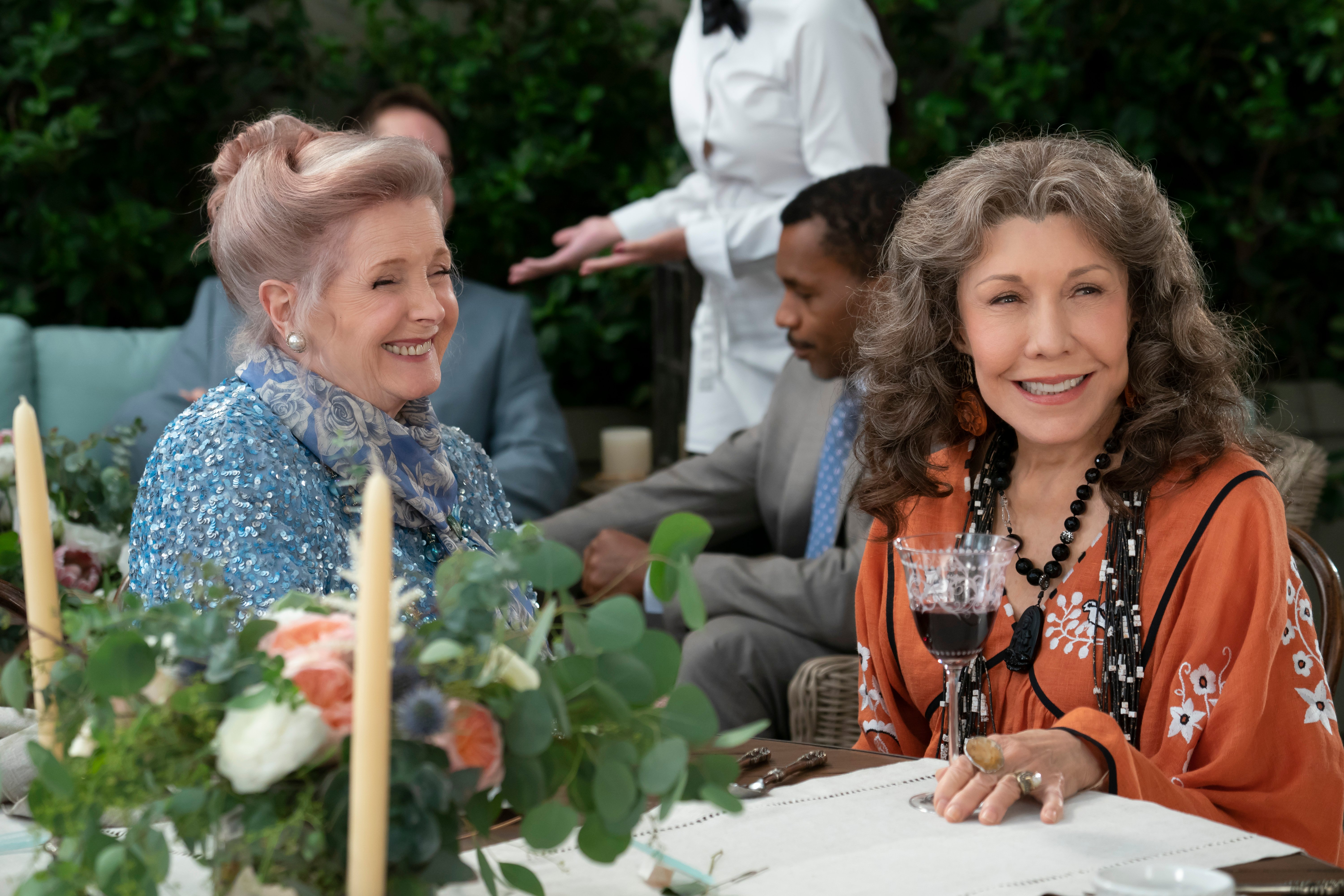
In study after study, creative play shows up as a quiet superpower for older adults. Gardening, writing family stories, watercolor, quilting, drumming – activities that use your hands and imagination keep your brain engaged and your identity evolving. You are no longer “the manager” or “the professor,” but you are the person who makes beautiful things.
The secret is that these projects stay blissfully unpaid. The minute you turn your ceramics into an Etsy shop with shipping deadlines, you recreate work stress in cuter packaging. Let yourself be gloriously average at something, purely for the pleasure of it. Join a neighborhood sketch group, start a small balcony garden, record audio memories for your grandkids. Play, not performance.
The Social Glue That Makes Every Habit Easier
Belonging supercharges all three habits of the happiest retirees. A large study from the University of Queensland found that people who belong to at least two social groups in retirement – a walking club and a choir, say, or a faith community and a book club – have a significantly lower risk of early mortality than those in none.
The reason is simple: groups keep you showing up. They keep passions scheduled, emotional support on speed dial and creative play woven into your week, even when motivation dips.


