










Clint
Eastwood’s brutal warning about Italian films hides real on-set
danger. Learn how a viral quote began on a chaotic
spaghetti-western shoot.
Some Hollywood warnings are metaphorical. Clint Eastwood’s was not. Picture a dusty Spanish set in the mid‑sixties, fake noose around Eli Wallach’s neck, horse beneath him, explosives wired nearby, and Eastwood quietly leaning in with what sounds like the most jaded workplace PSA in cinema history.
His now viral line about never trusting anyone on an Italian film has been meme‑ified into a grumpy punchline. But for the man who built his legend in Sergio Leone’s spaghetti westerns, it was closer to a survival manual than an insult. Once you know what actually happened on The Good, the Bad and the Ugly, the quote stops being cute and starts feeling like HR should have shut the whole thing down.
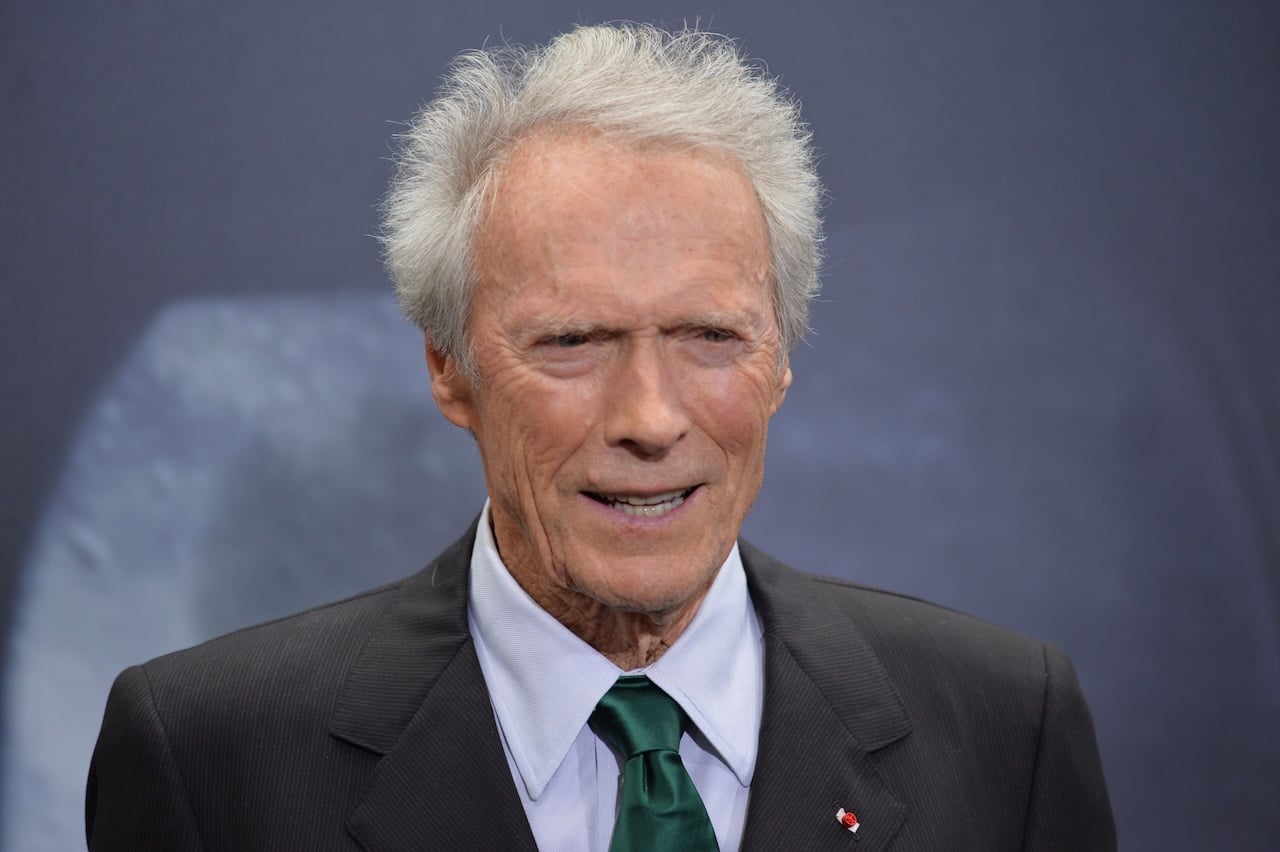
Clint Eastwood
‘Sully’ film premiere, New York, USA – 06 Sep 2016
The Clint Eastwood Quote Your Feed Will Not Let Go
Across film Twitter and TikTok edits, one phrase keeps resurfacing: Clint Eastwood warning Eli Wallach to basically “never trust anyone on an Italian film” and to stay as far as possible from special effects and explosives. It reads as shade, like a subtweet aimed at an entire national cinema.
Context: we are talking about a then thirty‑something TV cowboy who would become a four‑time Oscar winner, reflecting on the wildest job he ever took. By the time he pulled Wallach aside on the Spanish locations for The Good, the Bad and the Ugly in 1966, Eastwood had already survived two of Leone’s movies and knew how casually things could turn lethal. The man was not joking.
From Rawhide To Rome – The Risky “Wrong Step”
Before Europe came calling, Eastwood was stuck on the US TV western Rawhide, playing earnest cattle‑drive cowboy Rowdy Yates for eight seasons. It paid the bills. It also pinned him into a dusty corner of the business at a moment when classic studio Westerns were fading and audiences wanted something nastier.
Enter Sergio Leone, who could not land bigger names like Henry Fonda or James Coburn for a low‑budget Italian‑financed Western shooting in Spain. Eastwood’s own agent begged him not to go, calling the offer a “wrong step” – in Spanish, mal paso. He took the job anyway, then later turned that put‑down into the name of his company, Malpaso Productions, because of course he did.
The “wrong step” became the Dollars Trilogy: A Fistful of Dollars, For a Few Dollars More, and finally The Good, the Bad and the Ugly. Three variations on a nameless gunslinger that turned Eastwood into an international star – and, crucially, gave him a front‑row seat to the chaos of mid‑sixties European shoots.
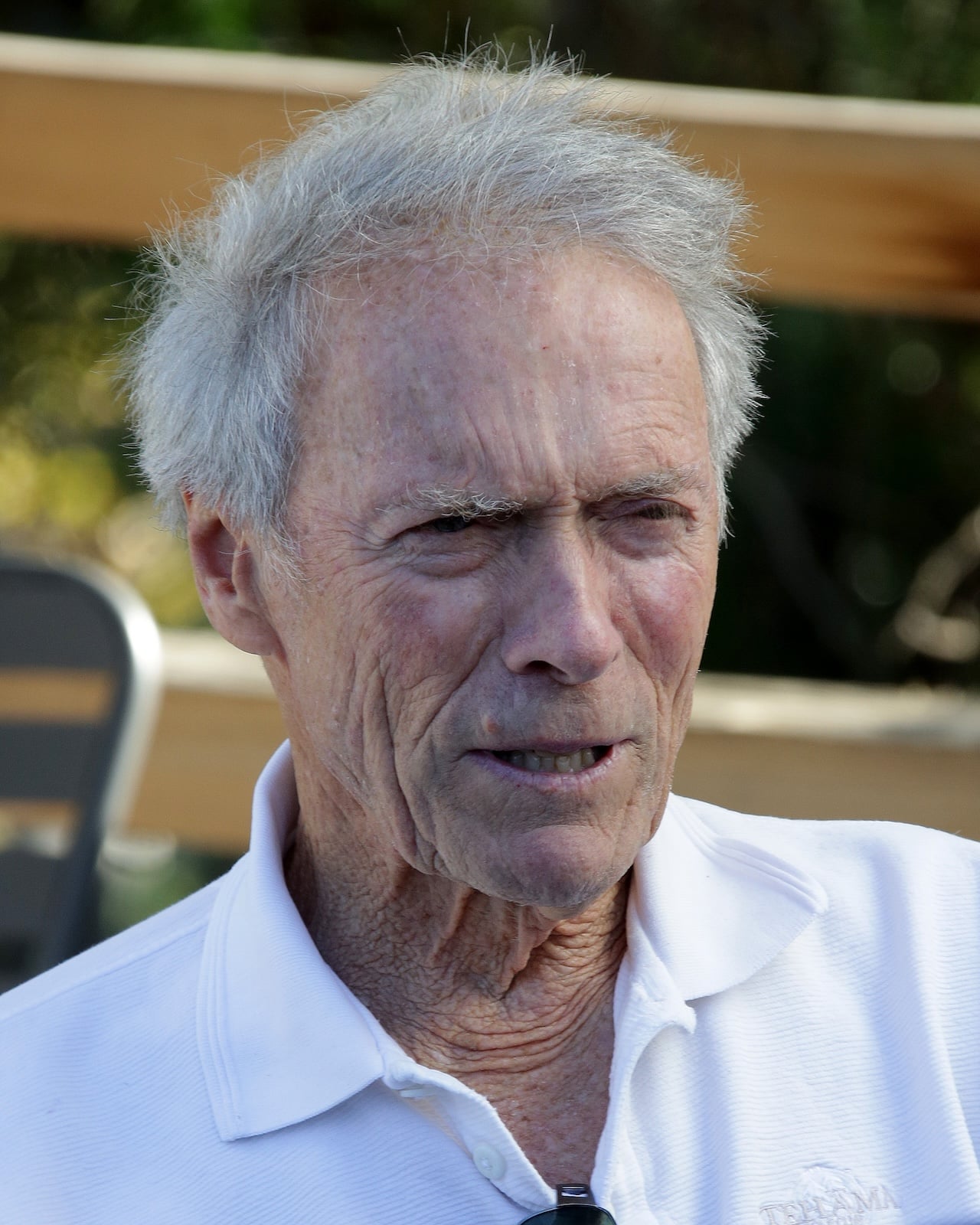
Clint Eastwood
Eastwood Ranch Foundation 1st Annual ‘Fall Garden Party’, Los Angeles, America – 07 Nov 2015
What “An Italian Film” Really Meant On Those Sets
Multilingual Chaos, Micro Budgets
When Eastwood said “Italian film,” he meant a very specific machine. Spaghetti westerns were Italian‑produced, often Spanish‑shot, and populated with a cocktail of American, Italian, Spanish, and German actors. Everyone spoke their own language on set. Lines were looped later in whatever market the film needed. Imagine trying to flirt in a crowded bar while four different playlists blast at once – that was the soundstage.
Budgets were tight, schedules brutal, and improvisation was a survival skill. Leone’s eye and composer Ennio Morricone’s scores were meticulous; everything around them was held together with gaffer tape and bravado. Where Hollywood was moving toward stricter stunt protocols, these co‑productions often treated risk as part of the aesthetic.
Safety As A Suggestion
Eli Wallach, who played Tuco, would later detail the experience in his memoir The Good, the Bad and Me: In My Anecdotage. The throughline is simple: people were talented, the work was brilliant, and safety was optional. Bottles were mislabeled. Animals were spooked by unprotected explosions. Heavy machinery came terrifyingly close to human skulls.
So when Eastwood pulled Wallach aside on their first days together, his advice boiled down to a single theme: do not assume anyone has fully thought through the danger you are about to be strapped to.
“Never Trust Anyone” – The Eli Wallach Warning
Acid In A Bottle
One day, Wallach reached for what he thought was a harmless drink left by a crew member. The bottle actually contained acid used for a special effect. He spat it out quickly and survived with his tongue intact, but it is the kind of error you expect in a high school chem lab, not on a professional set.
That is the “never trust anyone” part made literal: if you cannot even trust that your water bottle is just water, you start to view every setup with suspicion.
The Hanging, The Horse, And The Explosive
Then came the hanging sequence – the scam Tuco and Blondie run, with Wallach on a horse under a noose, hands tied, waiting for an explosive charge to blow the rope at the last second. Wallach reportedly asked for the horse’s ears to be protected so it would not bolt at the blast. That did not happen. The explosion went off, the horse panicked, and galloped with Wallach still bound and unable to grab the reins. Any rock, any low branch could have been fatal.
This is exactly the kind of setup Eastwood meant when he warned him to stay wary of special effects and explosives. The margin for error was razor‑thin, and no one seemed especially bothered by that.
A Train And A Near‑Decapitation
In another sequence, Tuco lies in the dirt near train tracks, chained to a corpse as a train roars past. Wallach was told it would clear him comfortably. What no one flagged was that some cars had metal steps jutting out from the sides. When the train finally thundered by, those steps missed his head by inches. Wallach refused to shoot it again. Honestly, fair.
Put these three together and Eastwood’s warning reads less like diva behavior and more like a colleague quietly saying: I would like you to survive this job.
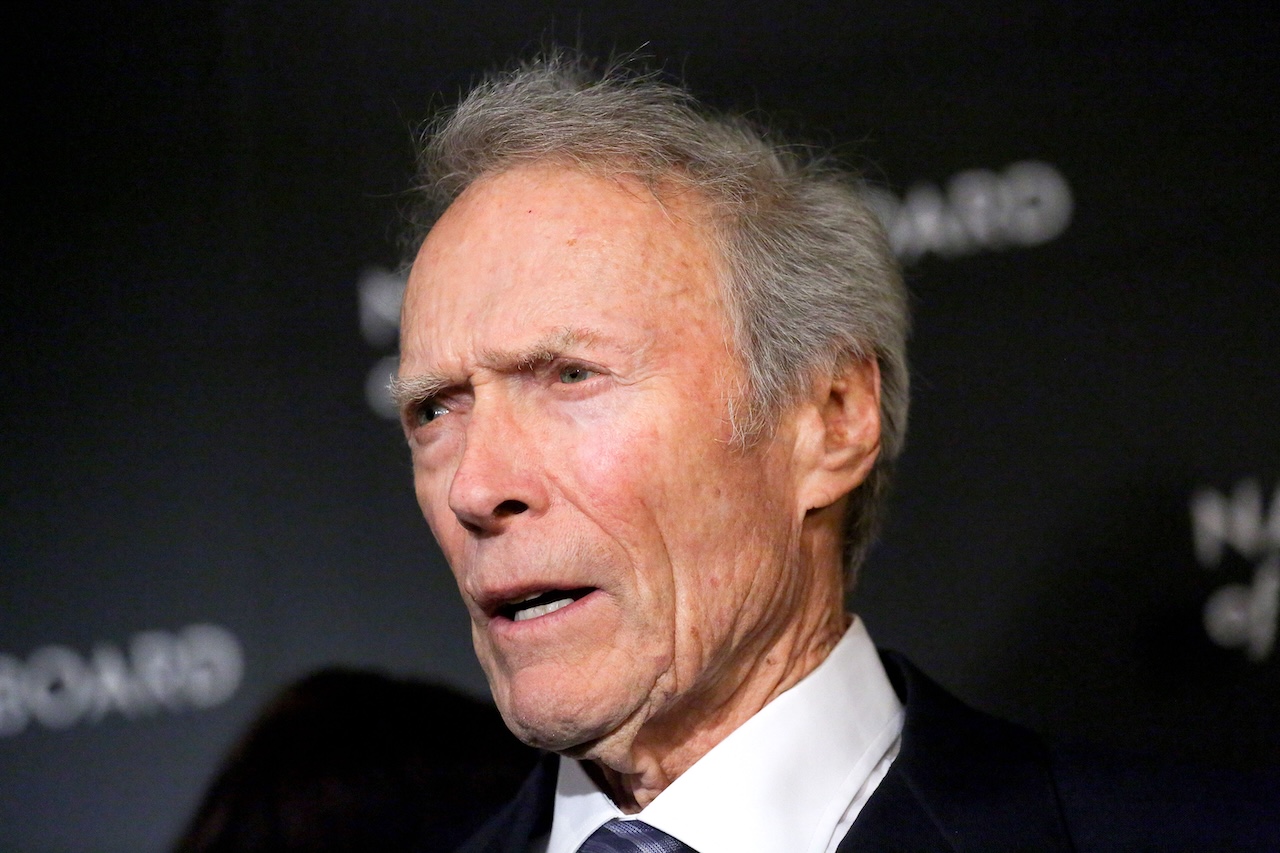
Clint Eastwood
National Board of Review Awards Gala, New York, America – 06 Jan 2015
From Spaghetti Western Mayhem To Eastwood The Director
The irony is that the very chaos that horrified Eastwood also turned him into a director. Watching Leone work inside that barely controlled storm taught him how to compose an image and control tone – and also how not to run a set. Back in Hollywood, he built a reputation for shooting fast but calmly, keeping crews lean, egos low, and stunts grounded.
He eventually passed on more Italian westerns, including projects offered after The Good, the Bad and the Ugly, yet he never disowned Leone’s influence. He even brought Wallach into Mystic River decades later, a quiet nod to a co‑star who had quite literally lived to tell the tale.
What That Warning Really Says In 2026
So is Clint Eastwood casually cancelling Italian cinema? Not quite. His line is about a brief, wildly improvisational moment in film history when style raced far ahead of regulation. Modern Italian and European sets operate under very different safety standards.
What survives in that quote is a harder truth every woman who has worked in a chaotic office, a dodgy startup, or an underfunded shoot will recognize instantly: trust is earned, not assumed, especially when the people in charge seem a little too comfortable with risk you are the one physically taking.


