










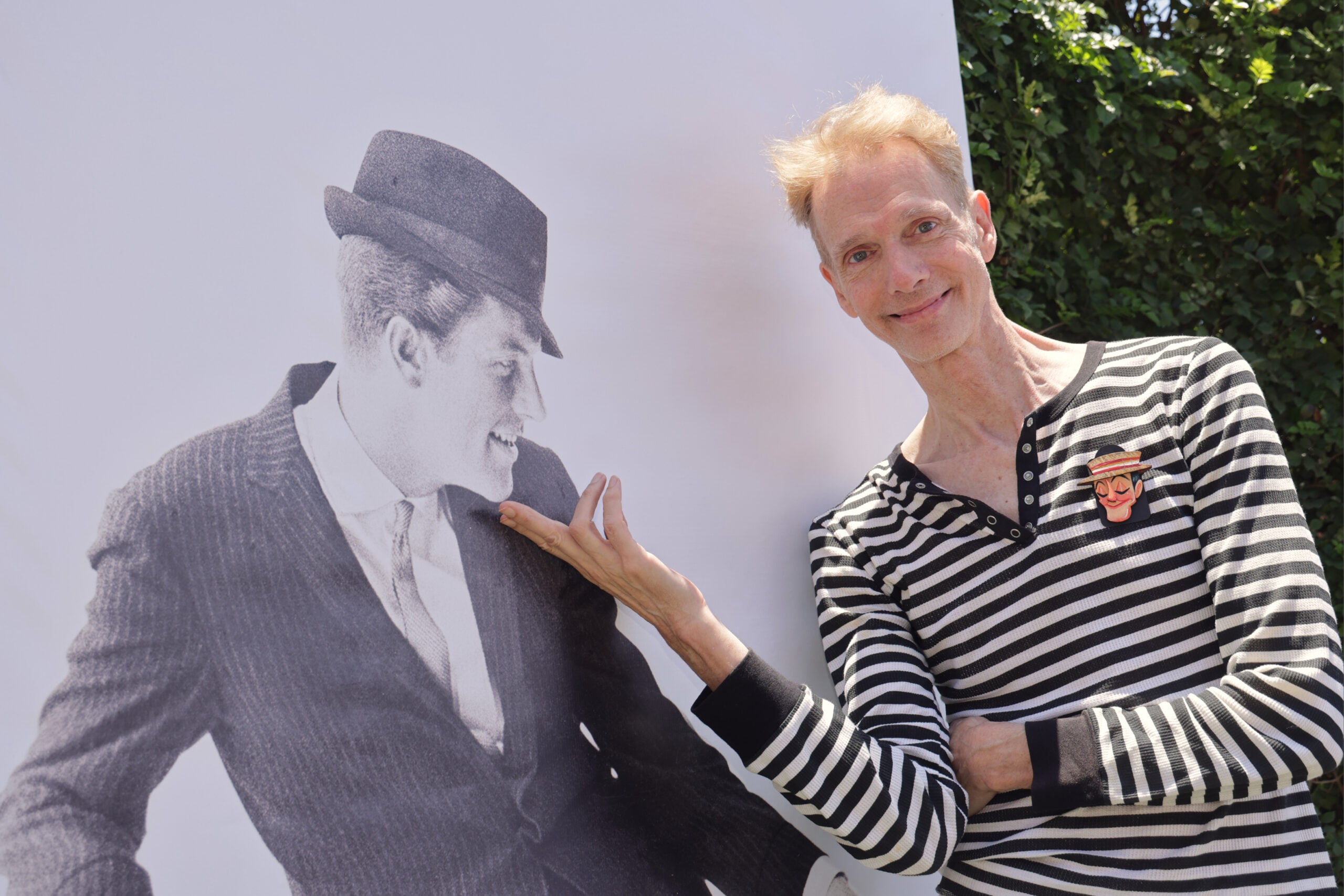
Doug Jones attends ‘Vandy Camp’ at the Arlene & Dick Van Dyke Theater at Malibu High School on June 28, 2025 in Malibu, California.
Dick & Arlene Van Dyke to Host ‘Vandy Camp,’ Los Angeles, California, USA – 28 Jun 2025
Ask most people who reach 100 for their secret and you will hear about vegetables, walking, maybe a glass of red wine. Dick Van Dyke has an answer of his own, and it is not on any shopping list. The man who danced on rooftops in Mary Poppins turned 100 in December 2025, still hitting the gym three times a week. Yet the habit he keeps coming back to is something else entirely, and researchers have spent years measuring it.
A centenarian who still goes to the gym
Dick Van Dyke celebrated his 100th birthday on December 13, 2025, with his wife Arlene Silver, whom he married in 2012. His physical routine alone would impress people half his age. “Three days a week, we go to the gym,” he said, crediting the habit with keeping him from being “stove-up like my equals,” as reported by AOL on his birthday. His friend and fellow actor Ted Danson has described him working out, then swimming laps, then taking a nap.
But when he talks about why he is still here, the gym is rarely the first thing he mentions.
So what is the habit he credits most?
It is his outlook. “I never wake up in a bad mood,” Van Dyke told People ahead of his 100th birthday, as quoted by ScienceAlert. He describes life as a “giant playground” and says he has “stubbornly refused to give in to the bad stuff in life.”
He is just as clear about what he avoids. “I’ve always thought that anger is one thing that eats up a person’s insides, and hate,” he told People, adding that he was never really able to work up “a white heat kind of hate,” according to AOL. In his book Keep Moving: And Other Truths About Living Well Longer, he summed it up in one line: “Old age is part fact, part state of mind, part luck.”
What the science says about optimism and lifespan
It would be easy to dismiss this as the kind of thing charming centenarians say. The data suggests otherwise. In 2019, researchers from Boston University School of Medicine, the VA Boston Healthcare System and the Harvard T.H. Chan School of Public Health published a study in the journal PNAS that followed 69,744 women from the Nurses’ Health Study for 10 years and 1,429 men from the VA Normative Aging Study for 30 years.
The result, summarized by Neuroscience News: the most optimistic participants lived 11 to 15% longer on average than the least optimistic, and had 50 to 70% greater odds of reaching 85, even after accounting for health conditions and demographics. “Optimism is one such psychosocial asset that has the potential to extend the human lifespan,” said lead author Lewina Lee.
It echoes a famous study of Catholic nuns, cited by ScienceAlert, in which the women whose early-life writings expressed the most positive emotion lived, on average, about 10 years longer than the others. The researchers are careful: these studies show a strong association, not proof that optimism alone adds years. As senior author Laura Kubzansky put it, “Other research suggests that more optimistic people may be able to regulate emotions and behavior” in ways that protect their health.
Can you actually train a better outlook?
The encouraging part is that optimism is not just a personality trait you are born with or without. Researchers often describe it as something that can be practiced. A few simple places to start:
- Start the day without a verdict. Before checking the news or your phone, decide on one thing you are looking forward to.
- Keep moving, literally. Van Dyke’s own book title is the advice: regular movement and a positive outlook tend to reinforce each other, as Helen Mirren’s 12-minute routine shows at 81.
- Let go of the grudge. Van Dyke’s line about anger eating “a person’s insides” is the easiest of his habits to copy, and probably the hardest.
The bottom line
Dick Van Dyke did not reach 100 thanks to a supplement or a strict diet. By his own account, he got there by going to the gym, refusing to wake up angry and treating life as a playground. Science cannot promise that his outlook will add 15% to anyone’s lifespan. But it does suggest the man who sang “Chim Chim Cher-ee” on the rooftops of London may have known something the rest of us are only starting to measure.


