









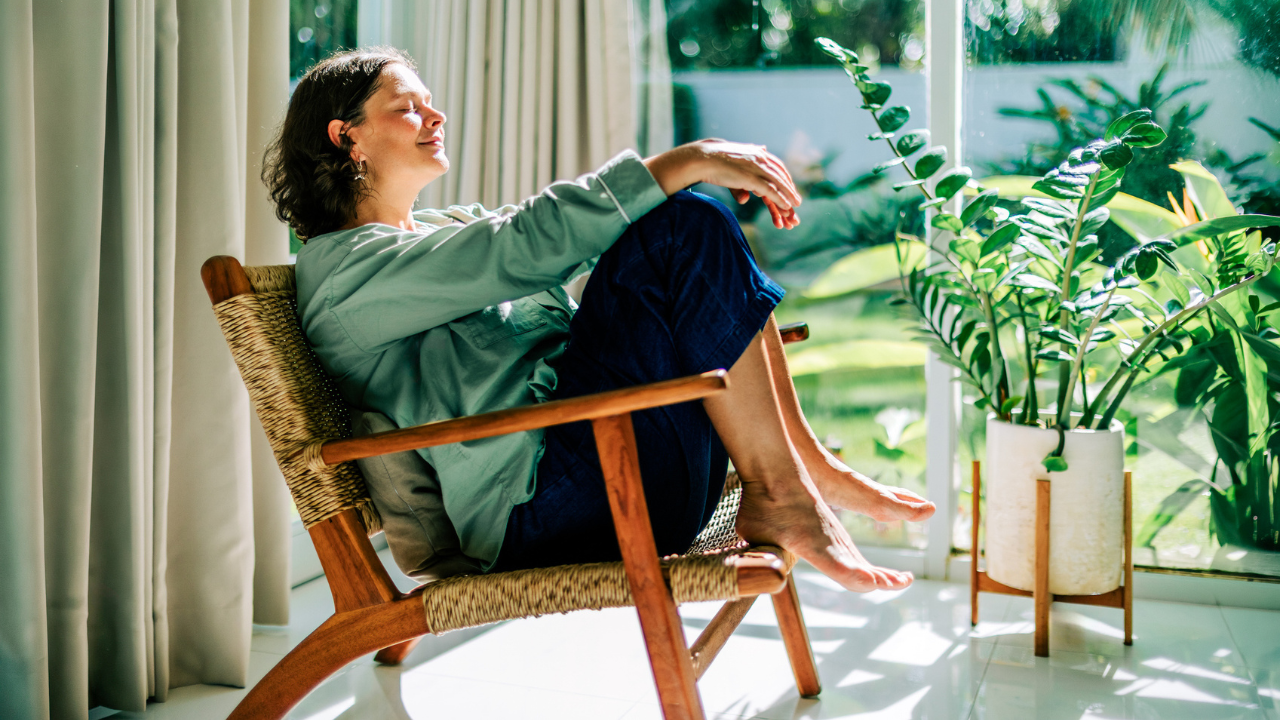
Feel in a constant state of stress? Out of control? Maybe you don’t quite feel connected to your body? If so, you may just need the support of an embodiment coach.
Yes, an embodiment coach is a real career option, and the job of Anthea Bell, who is based in the UK.
She works with clients, including celebrities, to help them feel connected to their bodies — and if you’re feeling a little out of whack, she has a few tips that can help you feel realigned…
What is Embodiment Coaching?
“Put simply, embodiment coaching is about bringing a person’s mentality and physicality into synchronicity and peak performance,” Bell says. Our nervous systems are not very calm in this day and age, there are too many things going on and so many of us don’t feel connected to our bodies at all — we are often working in a state of autopilot, whether it’s reaching for another handful of chips without realising or doom scrolling for 30 minutes at a time.
“In the modern climate, most people are operating from a very limited starting place,” she explains, “Dissociated from the body due to chronic stress; in a constant cycle of nervous system dysregulation; physiology in constant craving or inflammation; and an incredibly overactive, overloaded mind.”
Our minds can get distracted and overwhelmed far too easily when the brain and body aren’t acting in a rhythm, Bell says. Embodiment is a philosophy that helps regulate the body and brain.
Completing embodiment practices can help regulate the nervous system so we can handle stress more successfully, have clearer thinking and even improve our self-confidence.
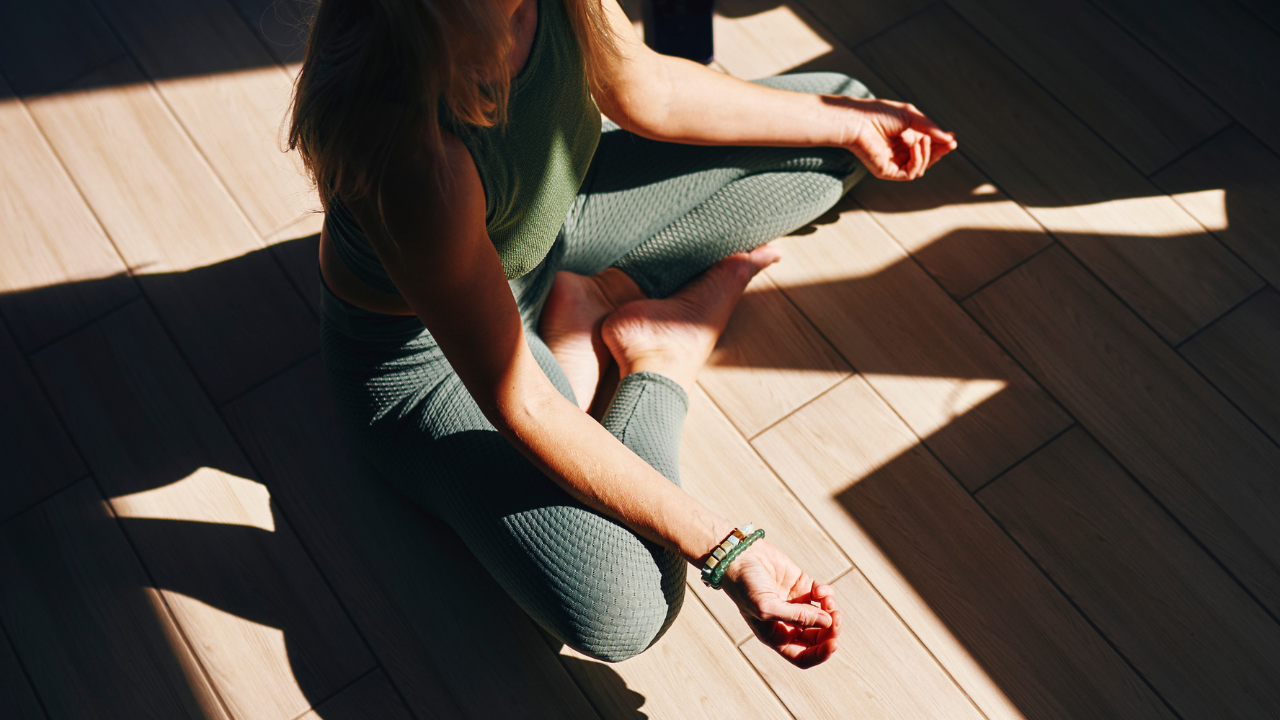
How Can We Connect And Feel Aligned With Our Bodies?
Bell suggests the following practices to feel more aligned with your body:
Body-Scan Meditations
This is the perfect place to start, Bell says. Body-scan meditations are essentially guided meditation practices where your attention moves all through different areas of your body, noticing sensations across your different body parts.
This can allow you to grow your proprioception (noticing and feeling the sensations in your body) while helping to calm your parasympathetic nervous system (PSNS) — essentially the counterbalance to your sympathetic nervous system. The PSNS is responsible for helping the body calm down after stress.
Body scan meditations are also “incredibly restorative for anyone who lives a high-stress life that demands constant conscious attention,” she adds. “Being guided by a soothing voice into a semi-hypnotic state allows your bodily defence systems to drop, and real peace and repair to take place.”
You can find these types of guided meditation online, including on Bell’s website.
Breathwork
“Breathwork is my next go-to,” Bell says. You can try different types of breathing exercises such as the psychological sigh. This is where you take a long breath in through your nose, followed by an additional top-up breath. Then very slowly exhale through your mouth.
Even a few rounds of this practice can help you feel calm and relax your nervous system.
Regular Movement
Finally, Bell suggests regular movement in a practice that you enjoy but doesn’t raise your stress levels too much.
She suggests yoga, Pilates, swimming, walking, dance — but not something too intense like running. “Anything with rhythm is perfect, allowing you to drop away from thinking and move into feeling and being.”
Completing these practices will allow you to feel more balanced in body and mind, and your actions can become more mindful.


