










Rarely does a day go by where I furrow my brow at the latest wellness trend being hailed as the answer to all our problems. Stress, burnout, overwhelm, anxiety or can’t sleep? There will be something on TikTok for it… And only some of them work.
So I couldn’t help but be cynical when I came across the latest one: salt stepping.
The trend is pretty much as it suggests — you step on a bed of salt and it is supposedly calming for the nervous system before bed.
In principle it makes sense to some degree — there is something very grounding about walking along a sandy beach, and that seems to be the same principle. But perhaps that’s more to the fact I’m on holiday in the sunshine and my work, stress and life admin are left at home…
What Actually Is Salt Stepping?
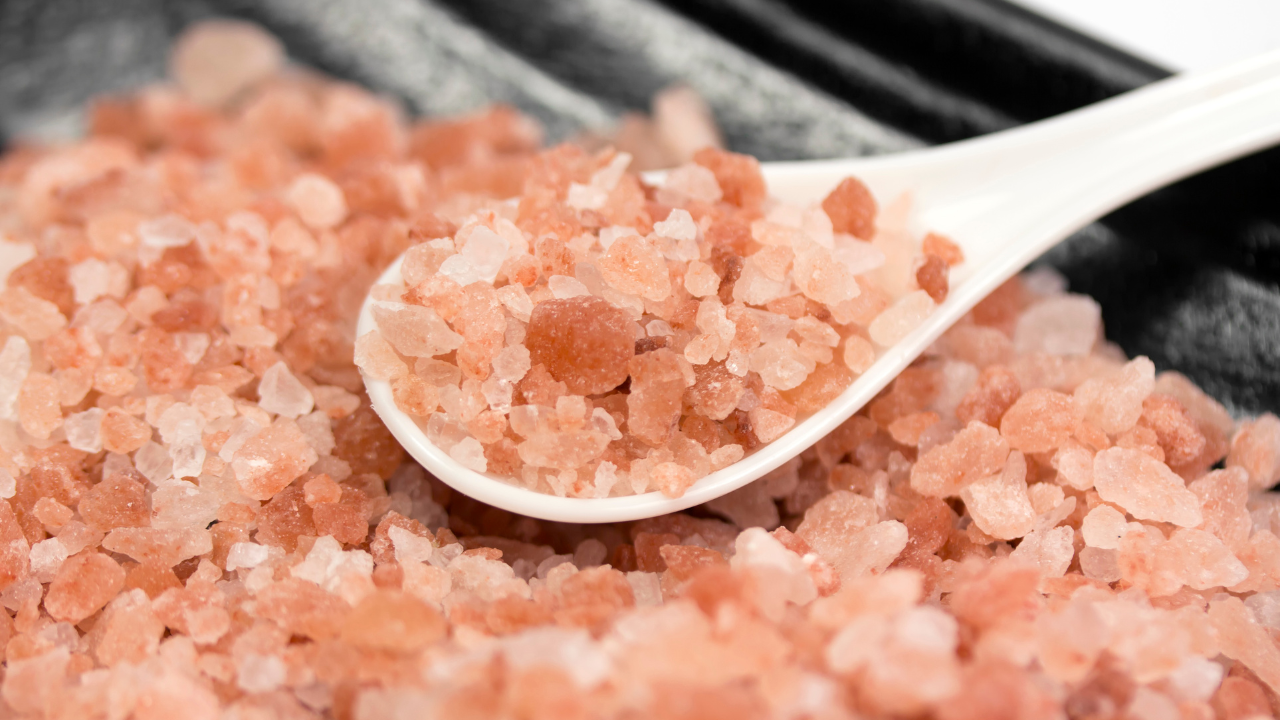
The salt stepping trend has been making the rounds on TikTok lately. How it works is you pour out Himalayan salt or Epsom salt onto a towel or the shower floor.
You then gently walk over the salts for around 10 minutes just before bed while you’re getting ready — you could even brush your teeth and complete your skincare at the same time.
@tamsskyn 10 minutes of standing on salt while I do my skincare helps me feel more relaxed, grounded, and ready for bed. Save this and try it tonight. #holistichealth #longevity #healthy #wellness #skincare
What Is the Science Behind It?
It’s thought that salt stepping could have some links to the psychological principle of ‘grounding’. The physical sensations of connecting to the different textures on your feet, which have a lot of nerve endings and are quite sensitive, can help us feel more present, reducing feelings of anxiety and stopping us getting stuck in thought patterns that might keep us up all night.
“There could be a relaxing element to ‘salt stepping’, but I’d be cautious about presenting Epsom salts themselves as a proven sleep aid,” Ilona Andrews, certified sleep consultant and founder of Sleeping Stars tells Grazia.
She says that the physical sensation of stepping onto the texture can provide sensory stimulation which can be calming for some people. “If it helps someone to wind down, that reduction in stress could then indirectly make it easier to settle for sleep.”
But in reality, you may not need salt at all to achieve the same effect. She explains: “Walking barefoot on sand, using a textured sensory or circulation mat, or another form of gentle sensory stimulation for the feet may provide the same calming experience and is likely to be considerably less messy and easier to reuse.”
And for some, using Epsom salts that have fragrances added, it may have the opposite effect: strong aromas may become overstimulating for some and make winding down more difficult.
She says that if it works for you then go for it but she sees it as more of a sensory relaxation technique than something to rely on for perfect sleep.


