










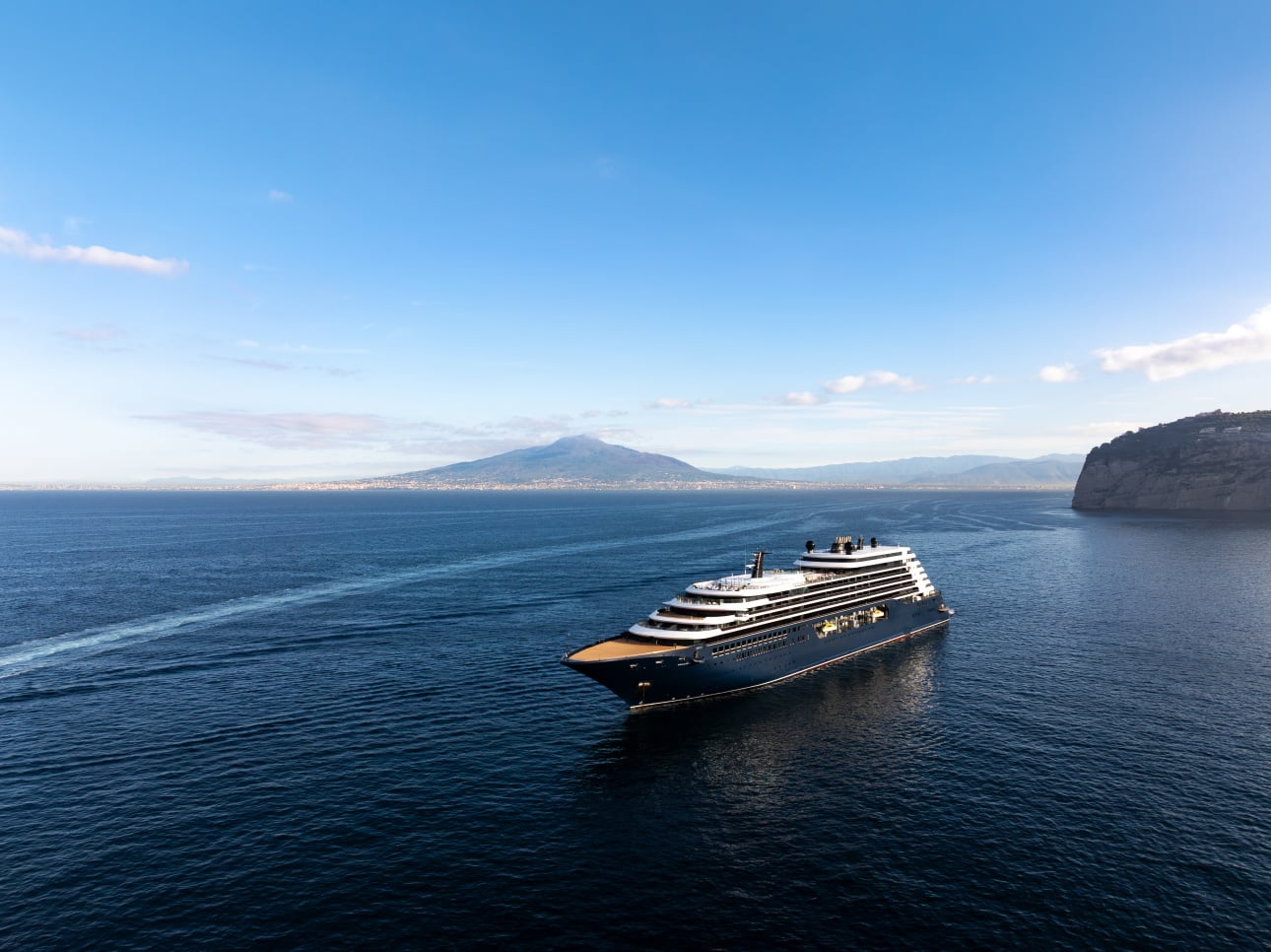
Fashion never quite relinquished its fascination with the voyage. Every year, houses release cruise and resort collections still indebted to another era of travel: clothes conceived for steamship decks, for trunks unpacked somewhere warm, for the languorous period between departure and arrival. The terminology survived even as the circumstances that produced it largely vanished. We kept the clothes and dispensed with the voyage.
This spring, somewhere between Tokyo and Kagoshima, I began to wonder whether we had been too hasty.
I came to Japan to spend ten days aboard Luminara, the newest ship in The Ritz-Carlton Yacht Collection’s fleet, traveling from Tokyo through Kobe, Fukuoka, Hiroshima, Sasebo, and Kagoshima, with a crossing to Busan, South Korea, along the way. It was my first time in Japan, a country I had wanted to visit for years, and an uncommon proposition for seeing it: not by racing between airports and train stations, but by waking each morning to another city coming into view off the bow.

There is, of course, nothing novel about discovering the world by sea. What feels new is the degree to which luxury hospitality has lately become interested in reviving it. The Ritz-Carlton is among a growing number of hotel names expanding beyond the hotel itself, betting that affluent travelers accustomed to suites, spas, tasting menus, and highly individualized service might be persuaded to take those expectations offshore.
I was intrigued by the proposition, partly because I had never considered myself much of a cruise person. The word “cruise,” fairly or not, came with baggage — and not of the Louis Vuitton variety. A yacht, I discovered, makes a rather different argument.
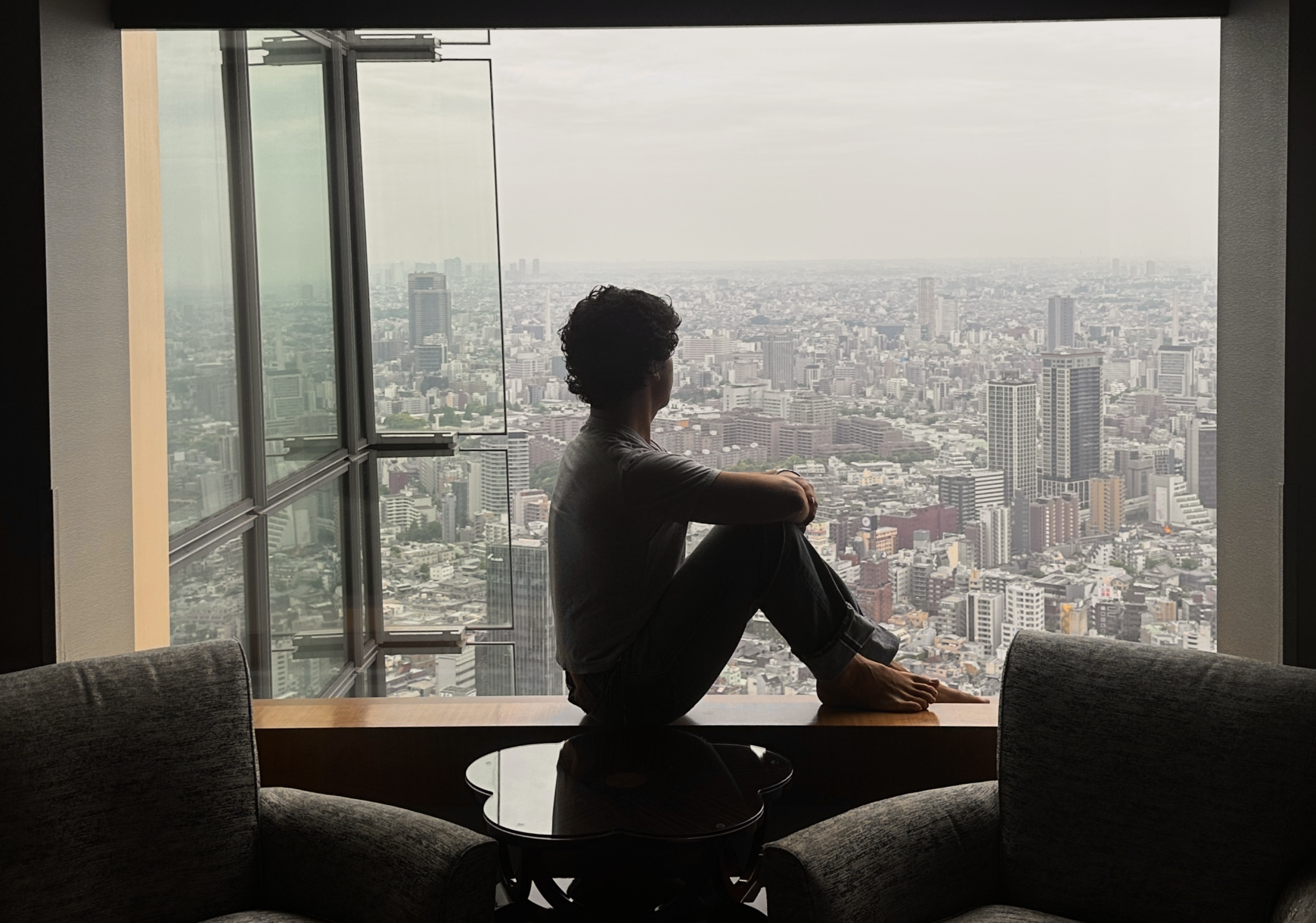
My introduction to Japan had begun one night earlier at The Ritz-Carlton, Tokyo, 53 floors above Roppongi, to be exact. It is a spectacular perch from which to first encounter Tokyo. For years, I had assembled the city in my head through films and photographs; now it sprawled beneath me, dense and seemingly endless, buildings stretching toward the horizon in every direction.
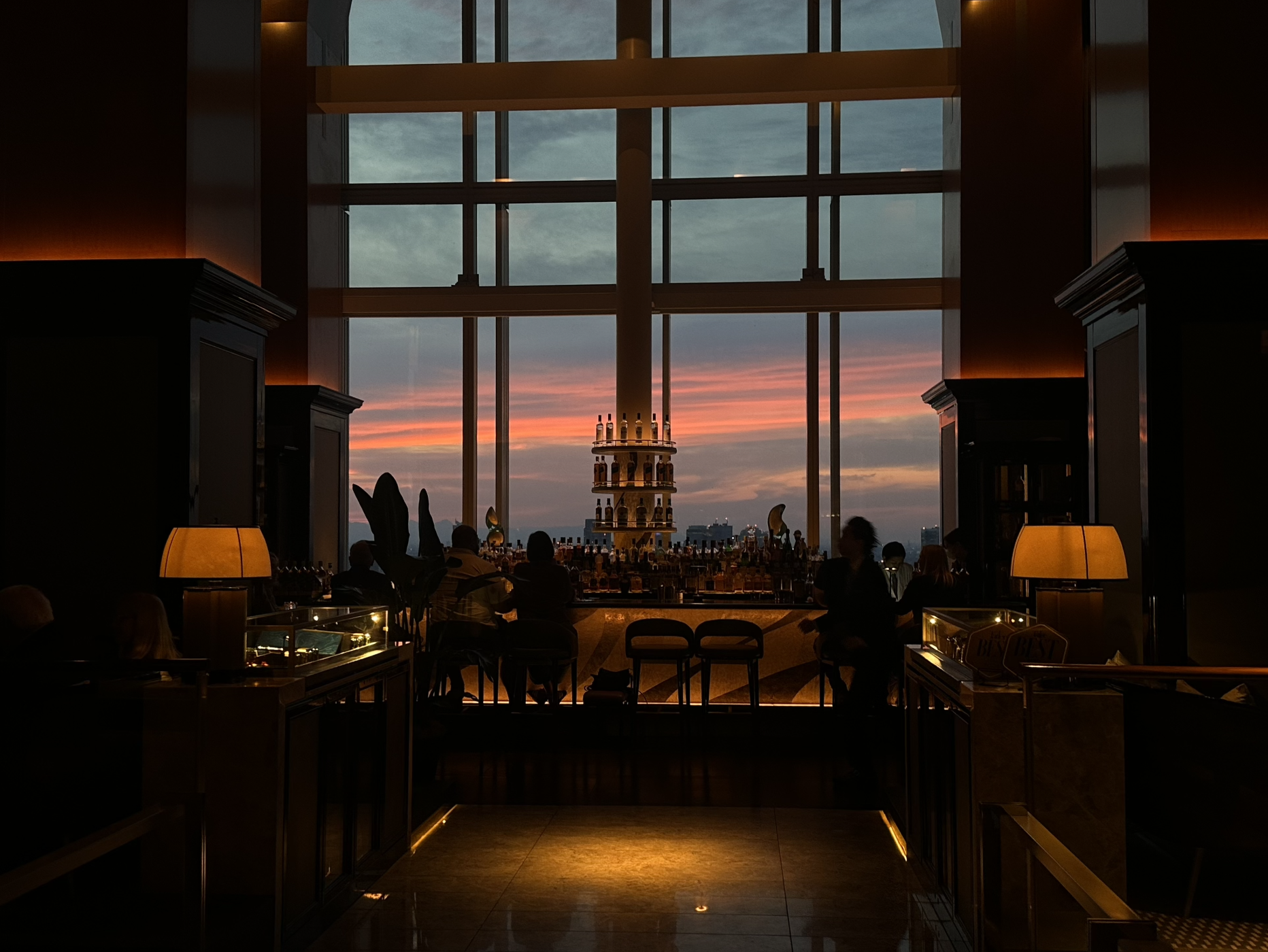
By early evening, I had installed myself in the Lobby Lounge, a sweeping room with panoramic views across the city. Tokyo does a very good sunset from the 45th floor. The sky turned coral, then lavender, while the buildings below began their nightly illumination, eventually surrounding the room with light. The scene inevitably summoned Sofia Coppola, though my version involved fewer existential crises and considerably more gin.
Specifically, The Ritz-Carlton, Tokyo Martini: No. 3 London Dry Gin and Bobby’s Schiedam Dry Gin with Mancino Vermouth Sakura, Saijou Shiro mirin, and yuzu Japanese bitters. It arrived alongside Kobe beef sliders, an admittedly indulgent first meal in Japan and an excellent one. Upstairs, my room was expansive yet warm, with a king-size bed dressed in crisp white linens — a welcome sight after a long day in transit. Tokyo could wait until morning.
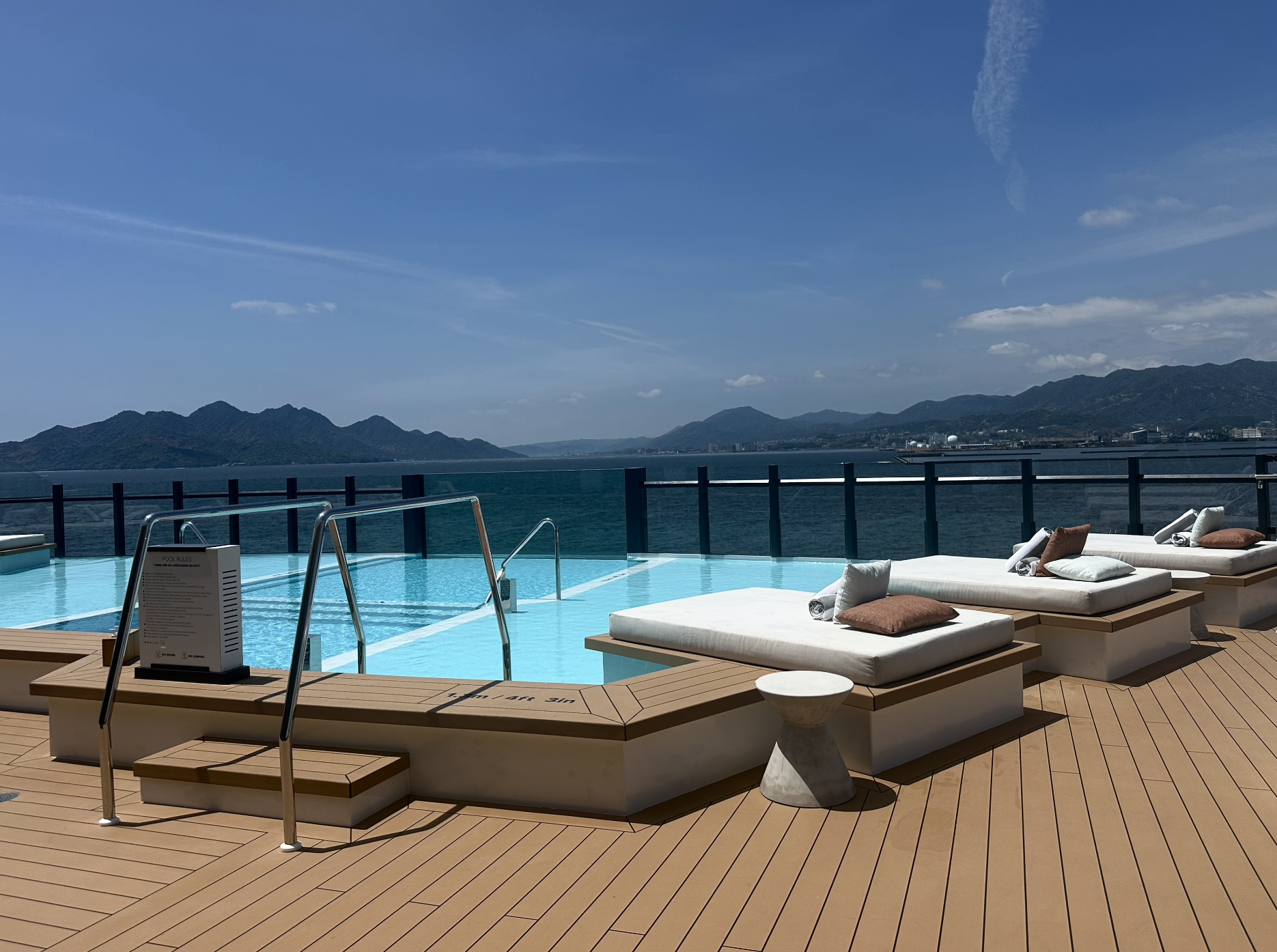
The following afternoon, I boarded Luminara. My suite opened onto a private terrace overlooking the water, while the yacht’s decks offered enough restaurants, lounges, and quiet corners that it never felt crowded. Over the next ten days, this would be both my home base and my means of moving through Japan.
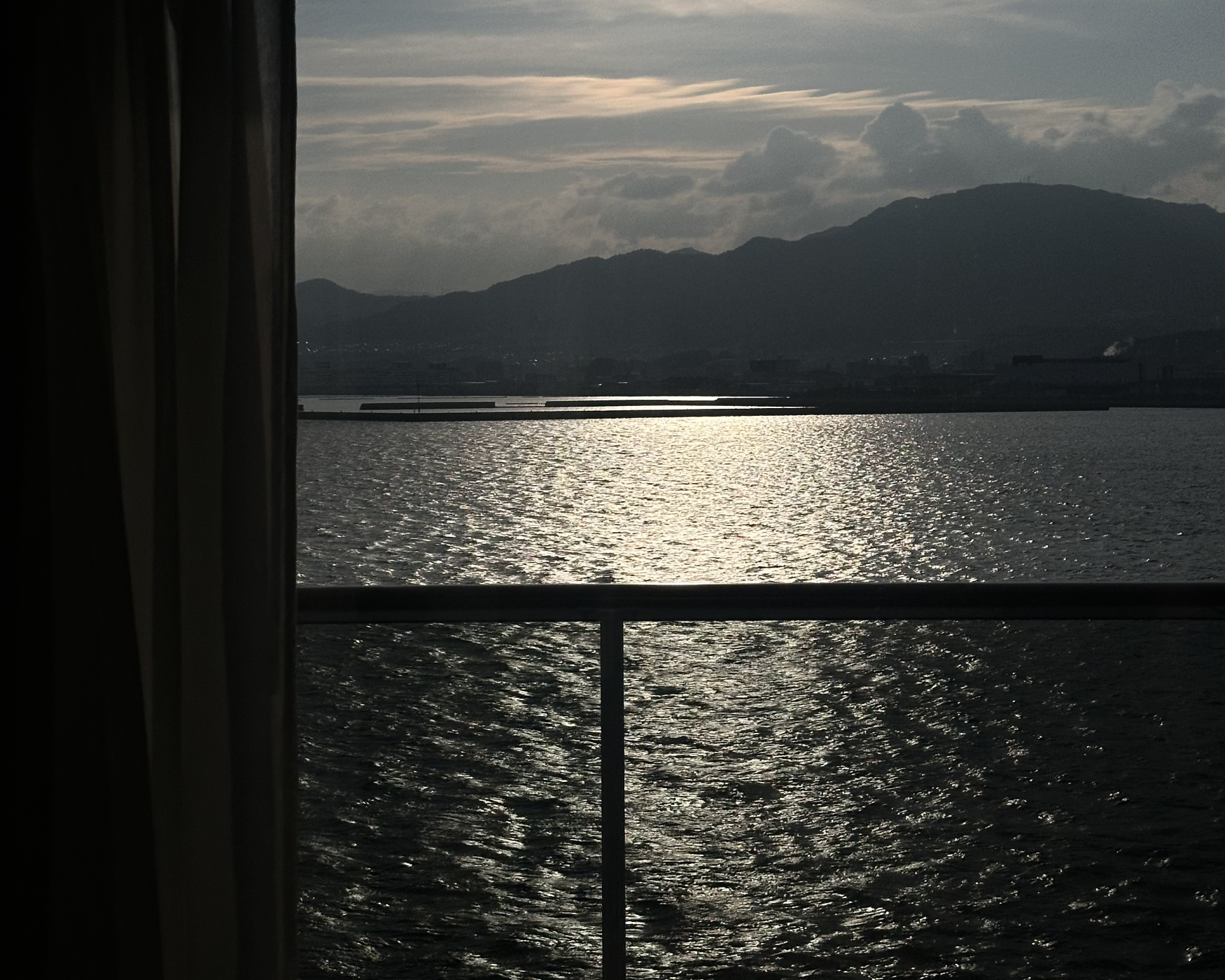
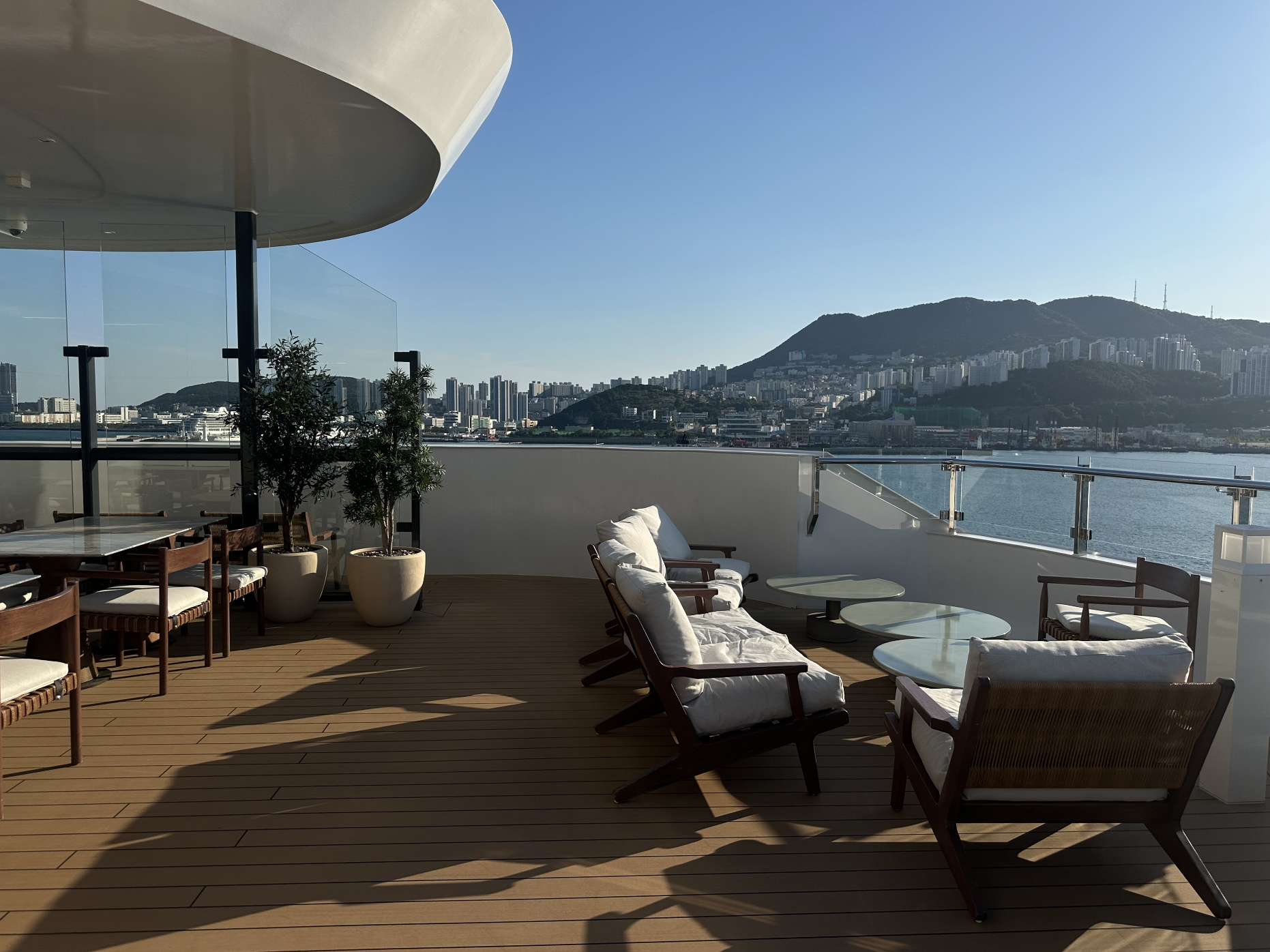
Then there was More, my “Suite Ambassador,” and one of the great pleasures of life aboard Luminara. The title is The Ritz-Carlton Yacht Collection parlance for a personal attendant, though More quickly became more than that. Her kindness was one of the highlights of my trip: she arranged dinner reservations, helped with plans ashore, and somehow always seemed to appear when I needed something.
Not long after we met, she offered to unpack my suitcases. I hesitated. There are certain luxuries one understands perfectly well in theory but feels ridiculous accepting in practice; apparently, having someone unpack for me was one of them. I eventually gave in. My clothes were soon hanging neatly in the walk-in closet, my suitcase had disappeared from sight, and I began to understand the appeal.
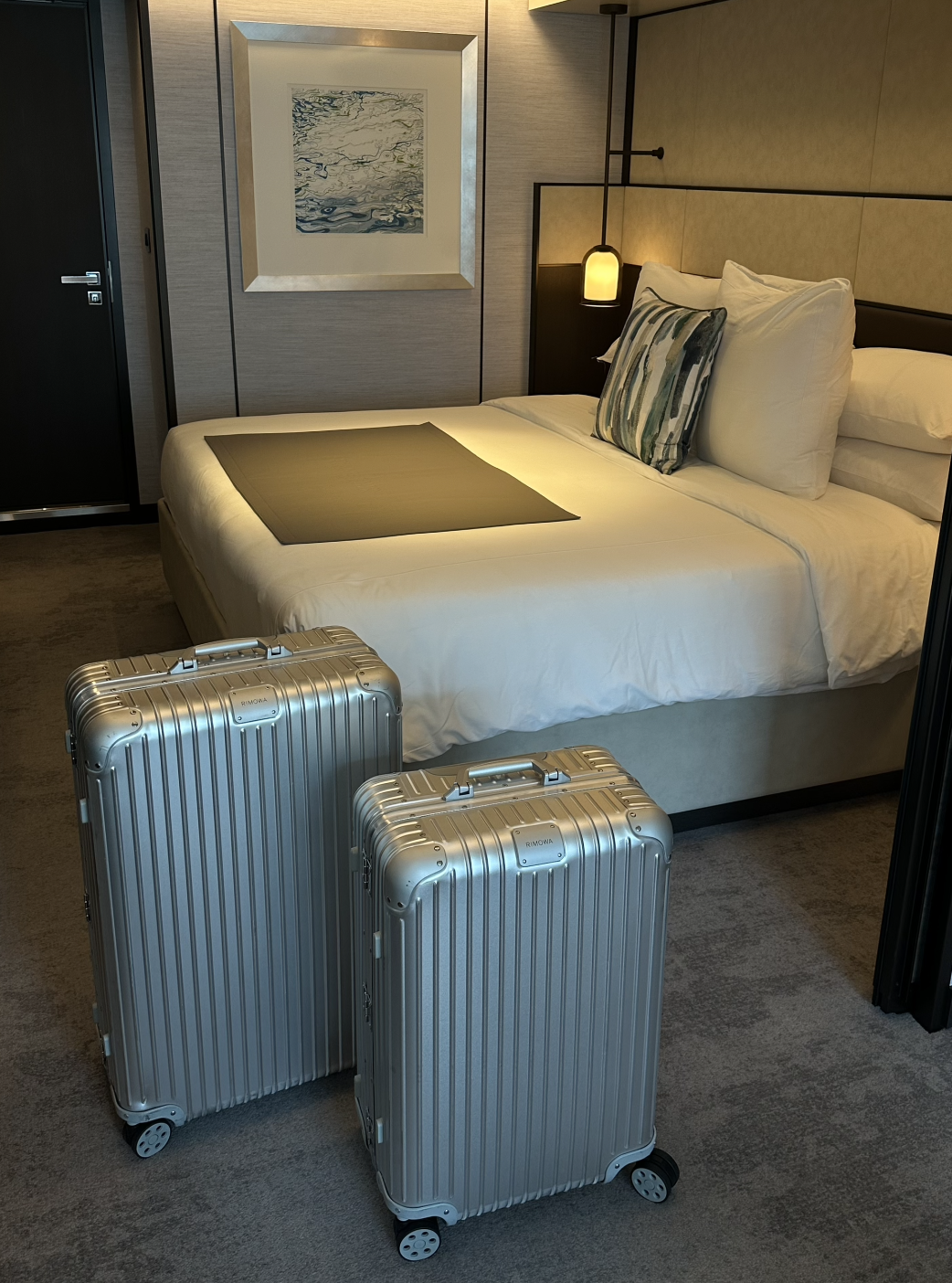
That familiarity extended beyond More. From the outset, crew members I had yet to meet were already greeting me by name. Before I knew everyone, everyone seemed to know me.
The real trick happened overnight. I would go to sleep in one port and wake in another, the usual mechanics of getting there — layovers, airport terminals, suitcases dragged over pavement — having disappeared entirely. For someone who loves travel but not always the getting there, it felt like cheating the system.
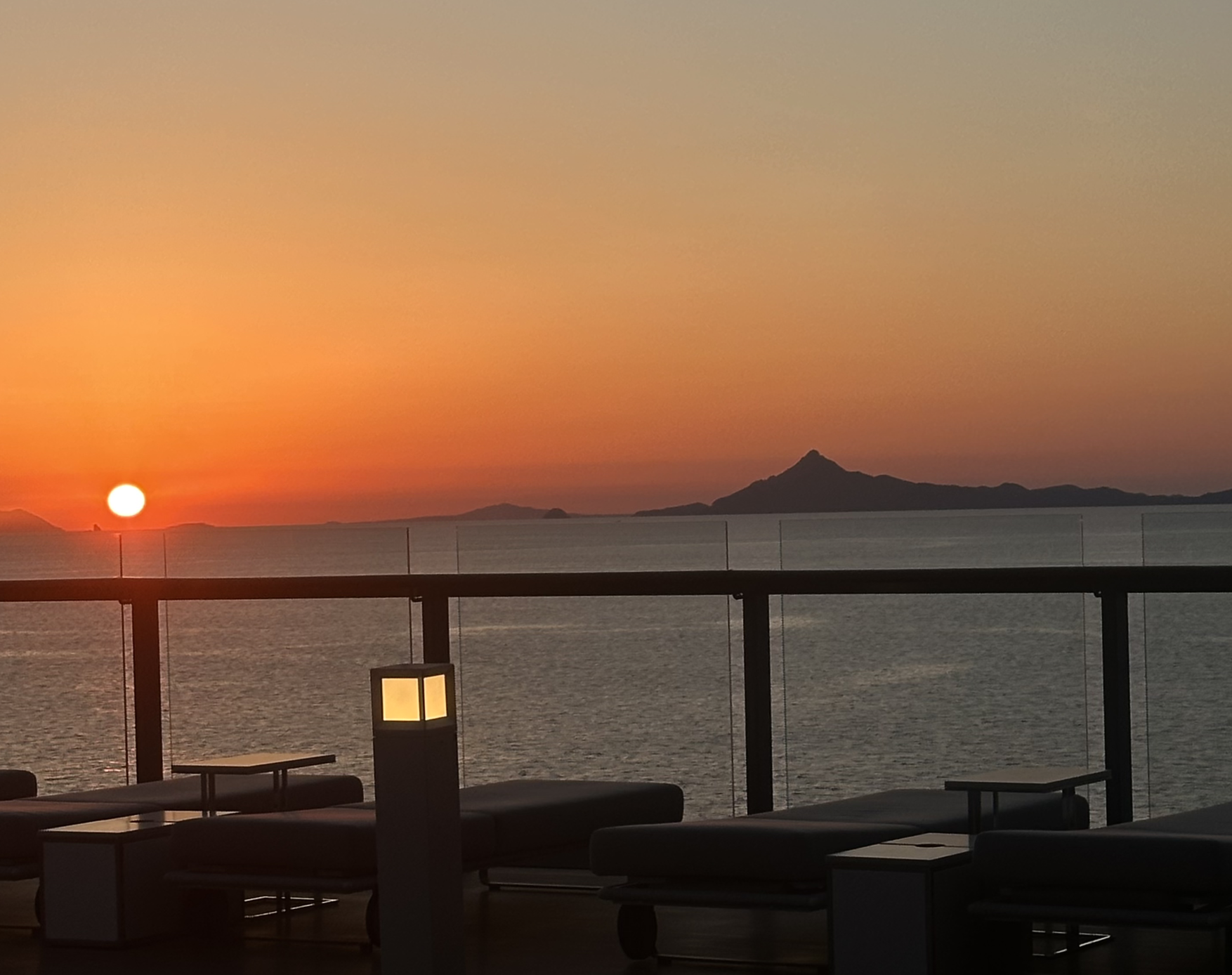
Japan possesses perhaps the world’s most famous railway system, and the Shinkansen is practically a destination unto itself. Arriving by water, however, makes another geography visible. Japan is an archipelago, a fact surprisingly easy to forget from land. From the sea, its islandness becomes unavoidable: coastlines approach slowly, and cities reveal themselves from the outside in.
There was something fitting about approaching Japan slowly. Much of what had drawn me there was its reverence for beauty, ritual, and craft. I saw it in the ceremony surrounding matcha, in gardens designed to reward prolonged looking, and in the care given to objects both ordinary and exceptional. Even a purchase could become an exercise in presentation, handled and wrapped with a degree of consideration that made the transaction itself memorable. Meals often asked you to notice a few ingredients more closely rather than overwhelm you with twenty.
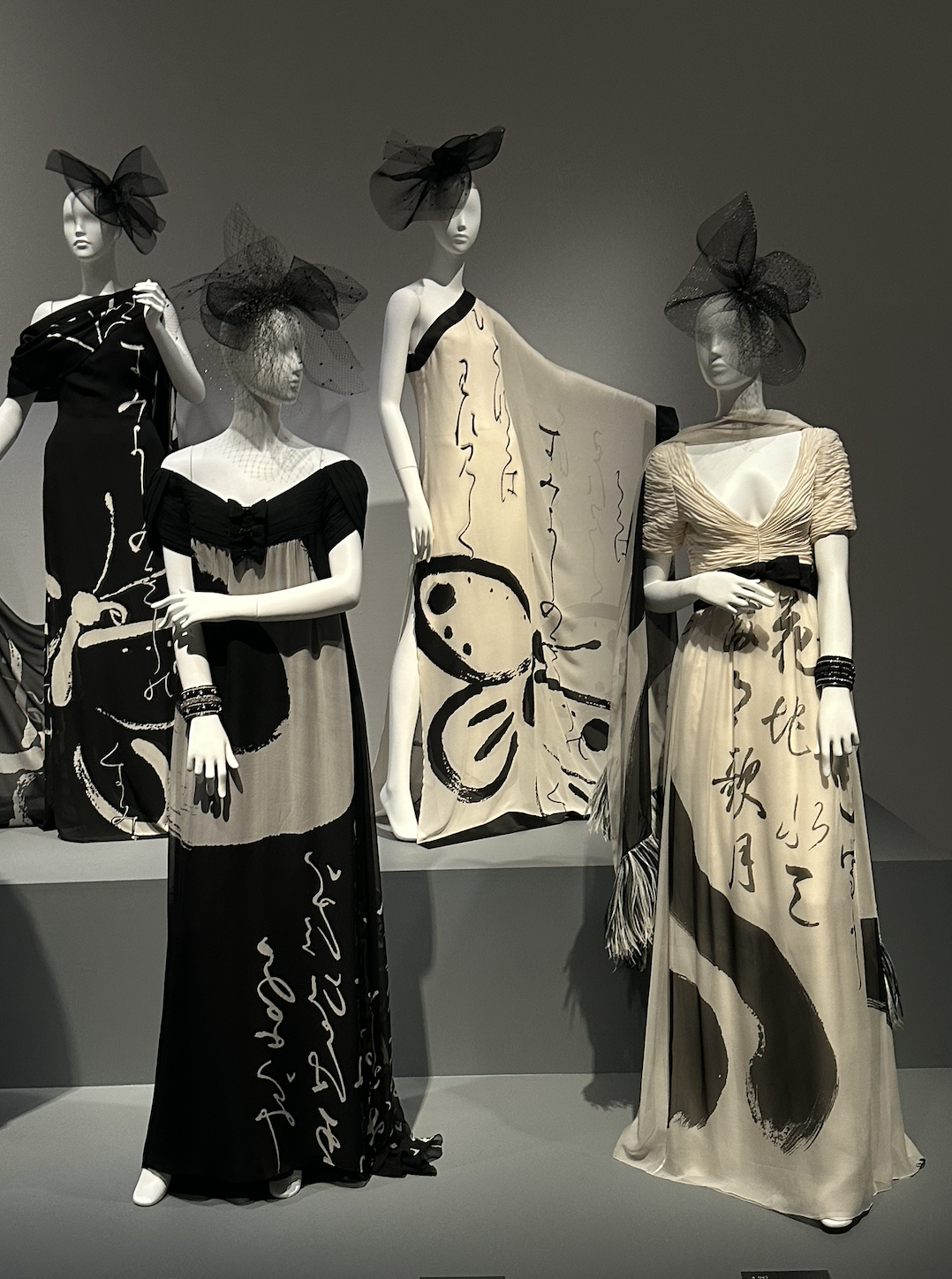
In Tokyo, an exhibition on Hanae Mori offered another version of the idea. After encountering couture on a trip to Paris in 1961, Mori returned to Japan and began rethinking Western silhouettes through a Japanese lens. She eventually took those clothes back to Paris, becoming the first Asian woman admitted to the Chambre Syndicale de la Haute Couture. Travel had altered the clothes.
It once shaped entire wardrobes. Gabrielle “Coco” Chanel opened her Biarritz boutique in 1915, dressing her clientele in jersey and knitwear suited to life by the sea. Resort clothes had a destination before they had a season. Today, a cruise collection can appear almost anywhere. What began as clothes for the voyage became a fantasy of one.
Aboard Luminara, I was living some version of that old proposition. The days developed their own rhythm: mornings arriving somewhere new, afternoons ashore, evenings back aboard, and nights spent moving toward whatever came next. For once, getting there was part of the pleasure.
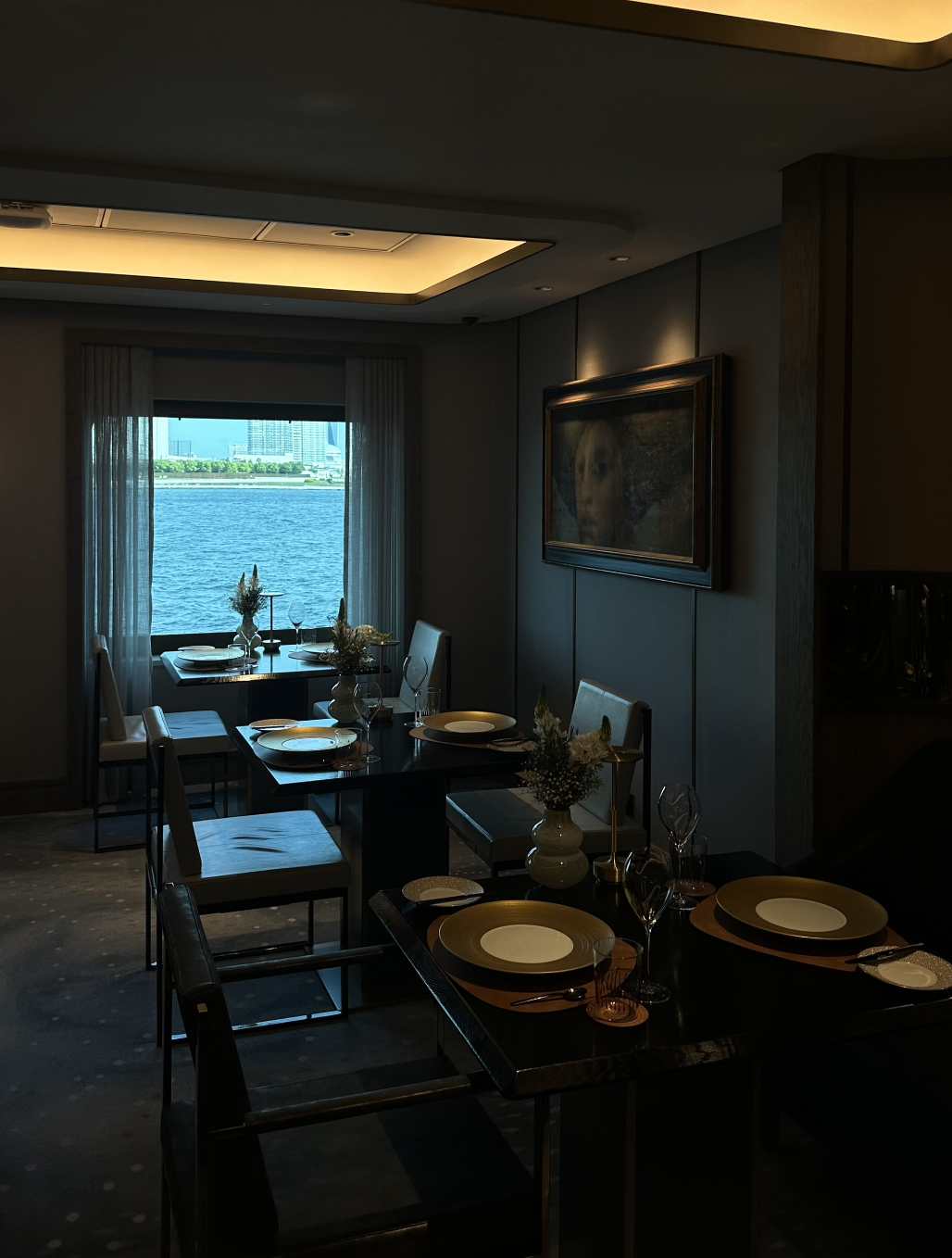
Eating well was another pleasure. At Seta su Luminara, chef Fabio Trabocchi drew on Venice’s history as a trading port, when spices arrived from Asia en route to the rest of Europe. The menu played on those old routes: miso-glazed lobster with stracciatella and tomato water, and black-truffle milk bread with cultured seaweed butter. Italian cooking met the flavors of the region we were sailing through, neatly collapsing centuries of trade into dinner.
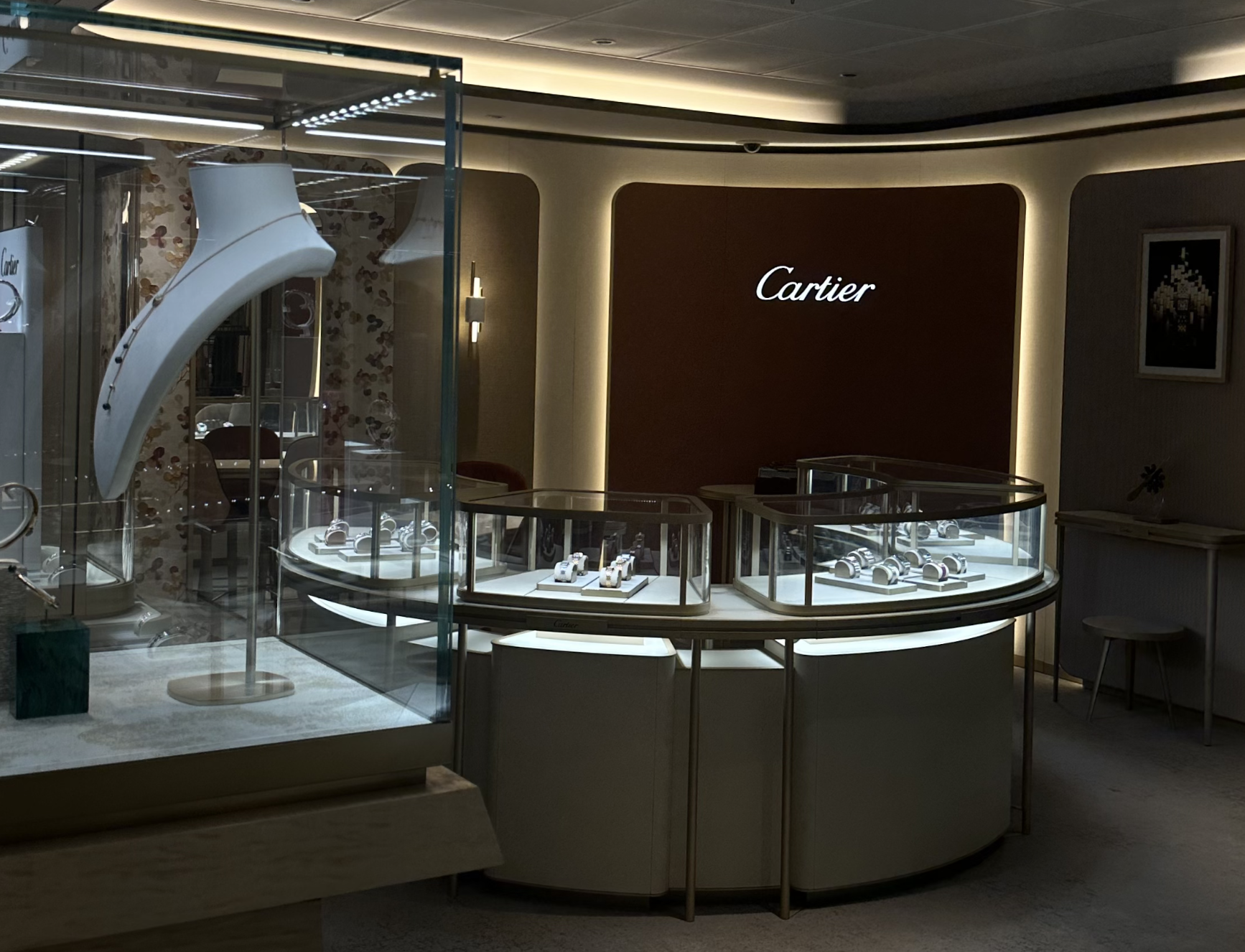
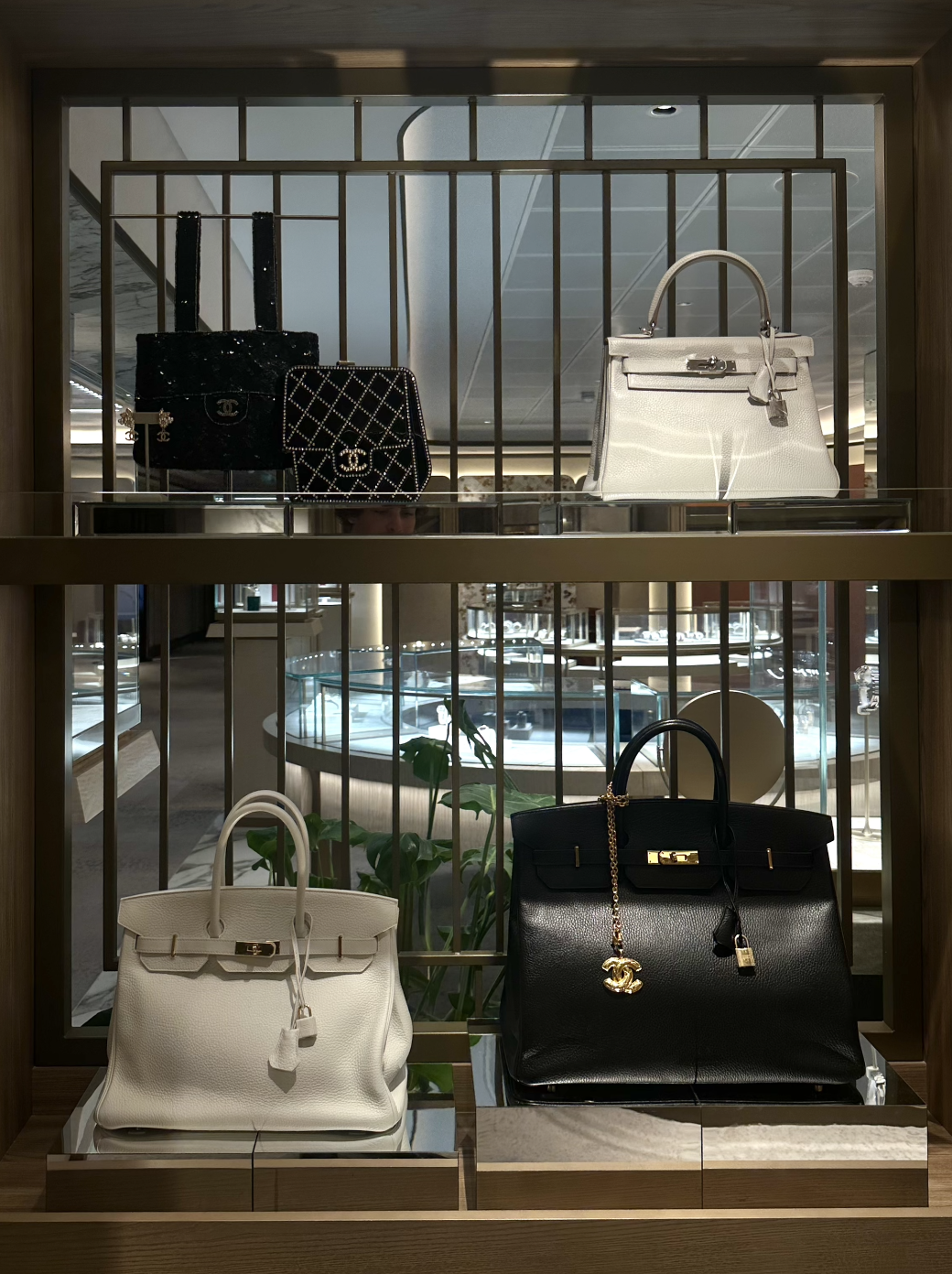
The temptations extended beyond the table. Cartier was among the luxury boutiques onboard, alongside a rotating edit of vintage designer handbags. One could return from a day in port and find oneself contemplating a Juste un Clou or Hermès Birkin just before dinner at Mistral, mere steps away.
Still, the best reason to be aboard was how easily it delivered you ashore. The Ritz-Carlton Yacht Collection arranged the sort of private experiences that usually require extensive planning: a traditional tea ceremony, a sushi-making class, or a private guide and chauffeur for the day. For someone accustomed to planning trips within an inch of their lives, the ease was its own luxury.
Modern luxury travel is primarily built around the elimination of friction. We pay to skip the line, shorten the transfer, secure the reservation, and have the luggage appear upstairs. Travel may be one of the few things we spend enormous amounts of money doing, only to spend even more minimizing the traveling part.
At sea, there is no minimizing it. One afternoon, somewhere along the Japanese coast, there was nowhere I needed to be. Land appeared and disappeared in the distance. I could read, swim, answer emails if I was feeling particularly masochistic, or simply look outside. The hours between ports weren’t dead time. They were the day. It made fashion’s century-long romance with travel by sea easier to understand.
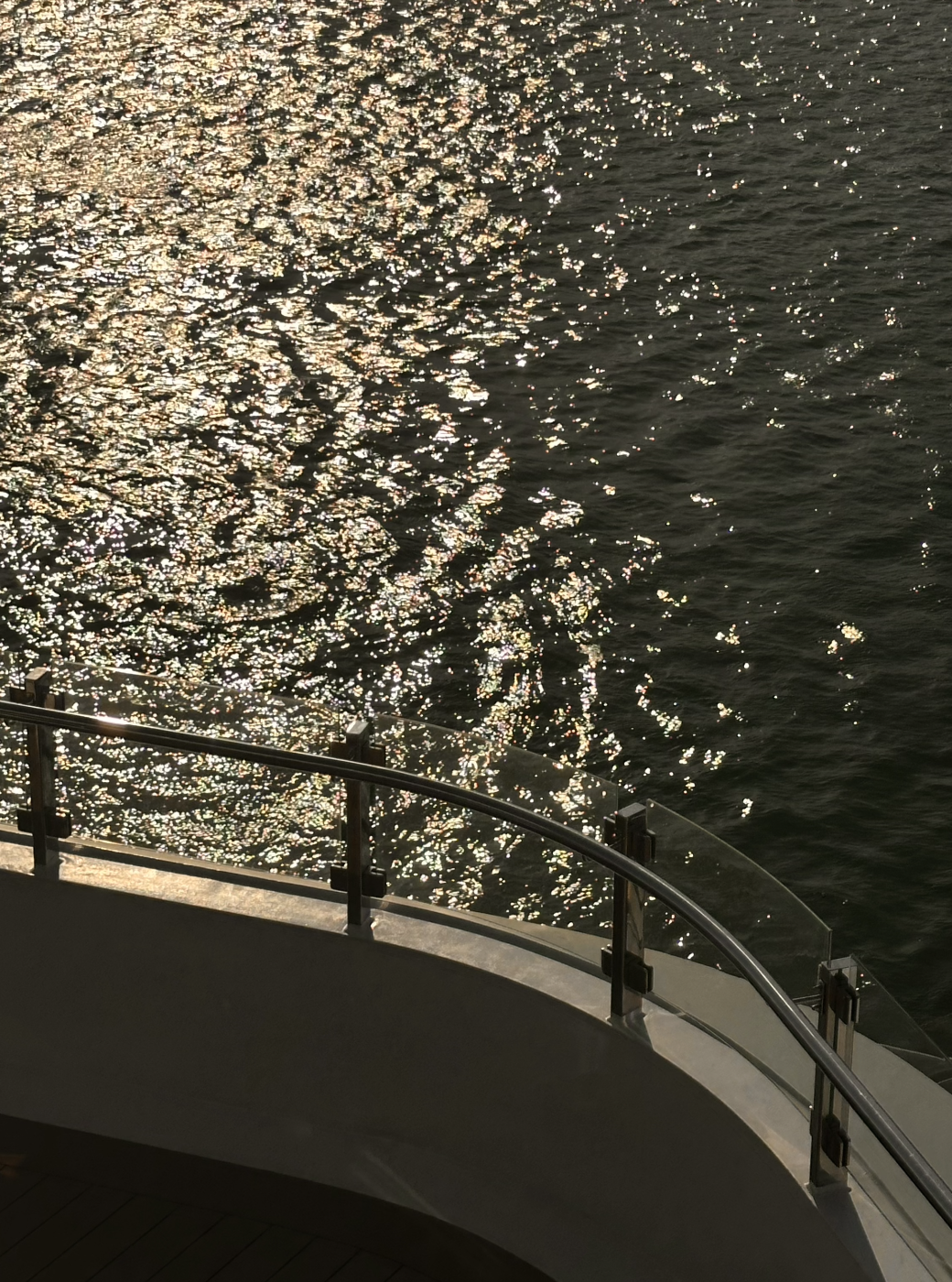
By the final days, I had grown accustomed to the ease of it all. My clothes stayed in the same wardrobe while Tokyo became Kobe, Hiroshima, Sasebo, Kagoshima, and Busan. The Ritz-Carlton Yacht Collection had removed most of the usual indignities of getting from one place to the next. The most strenuous part of changing cities was deciding what to wear.
Ten days later, I had seen Japan, eaten exceptionally, acquired far too many things, and unpacked exactly once. Fashion, as usual, may have been onto something.


