


Newsfeed
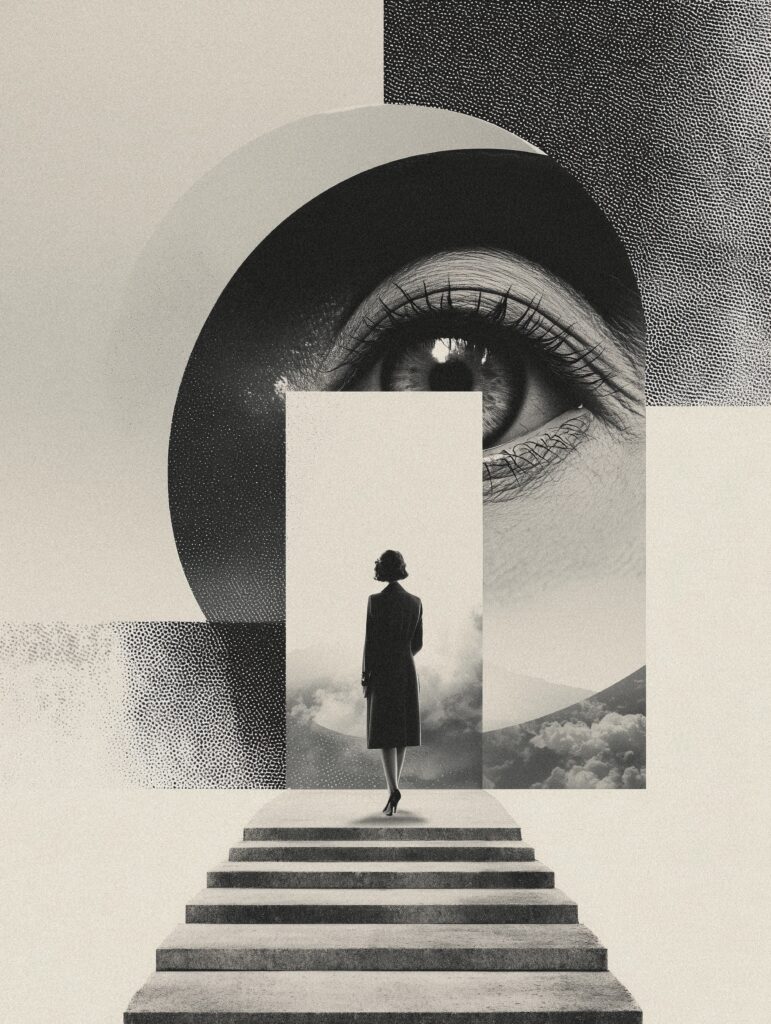
It begins, as these things often do, alone. Standing in front of a wardrobe, half-awake, coffee resting on the bedside table. You are recreating an outfit you saved on Pinterest – the kind photographed in perfect light, on a body that never seems to sweat, rush or sit down. You reach for something soft, something that would actually carry you through the day, then pause. Not because it doesn’t feel right, but because you are already conceiving how it might look later – cropped in a mirror selfie, flattened by overhead lighting, reduced to a square. The question is no longer simply “What do I want to wear today?” but “How will this read online?”
It wasn’t all that long ago that style inspiration came from candid moments: paparazzi snaps of celebrities going about their days, a street-style image of a model leaving a show – clothes creased and lived-in. Today, much of what we are shown is aspirational to the point of abstraction, where outfits are designed not for movement, weather, or work, but for stillness, spectacle, and cultural clout. As social media and real life have collapsed into one, fashion has become increasingly two-dimensional, with garments optimised for the grid rather than the body, and for symbolism rather than wear. That hesitation, that pause between comfort and perception, has become a defining gesture of contemporary style. We no longer simply get dressed; we anticipate judgment. We curate, pre-edit, flatten ourselves into something legible and identifiable. We dress as both subject and audience, model and brand manager, becoming walking moodboards of contrived taste. Somewhere between the bedroom mirror and the front-facing camera, the private act of dressing has been quietly absorbed into the machinery of self-surveillance.
And yet, true style, many would argue, has never lived there. It exists in the moments when we are not being watched. When clothes are chosen for feeling rather than framing, for movement rather than meaning. In a culture obsessed with how fashion looks at the best of times, the quiet question now surfacing is more radical: what happens when we dress for real life again?
As of early 2025, the average person spends more than two hours a day on social media. With over five billion users worldwide, the digital gaze is no longer occasional – it is ambient. The mirror has multiplied into screens, grids, tags, and algorithmic feedback loops. Dressing is no longer a prelude to being seen; it is the act of being seen.
Fashion, of course, has always been performative. But never quite like this. Never with the expectation that every outfit might be immortalised, monetised, or measured against an invisible metric of relevance. The feed has become our runway, our proof of taste. Clothes are no longer just clothes or expression; they are content.
This has fundamentally altered not only how we dress, but how fashion itself is designed.
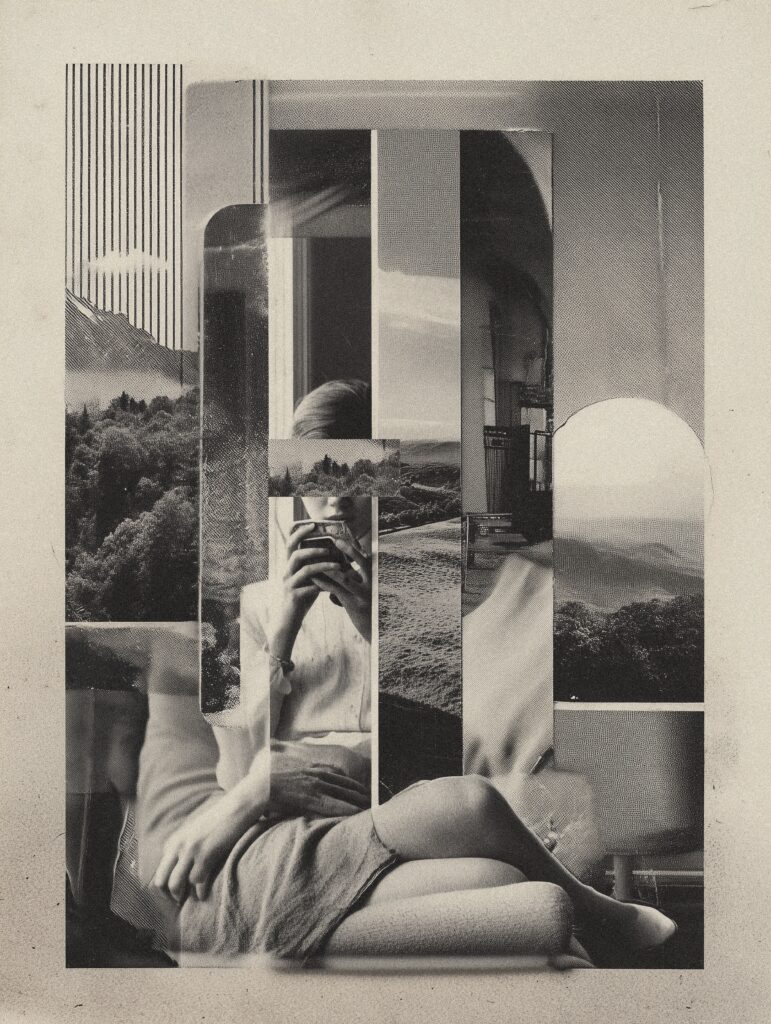
LIFE UNDER THE GAZE
The Internet has transformed much of daily life, and when it comes to our wardrobes, it has skewed our ideas on what it means to dress ‘well’. Once upon a time, it meant being fluent in the contents of glossy magazines, absorbing silhouettes and codes, then translating them into real life with a personal lens. Now, style literacy is crowdsourced, accelerated and flattened. To be fashionable is to be aware of trends as they emerge in real time, to know which aesthetics are peaking, which silhouettes are circulating, and which looks will read instantly in two dimensions.
Style has become anticipatory. We dress not for the life we are about to live, but for the image we might capture. Performed style versus lived clothing.
Instagram hasn’t just changed how we shop, but also how we think about outfits, and even how we see ourselves. Certain garments may photograph beautifully in a transient moment, captured as still life, but they can have a short shelf life when required to perform in our day-to-day lives. Suddenly, it’s the soft knits, fluid trousers, and barely-there slips – the pieces that usually fade into the algorithm – that are really there for us.
This has created a quiet hierarchy: clothes that look good online are culturally validated; clothes that feel good privately are relegated to the invisible. The result is what many are now calling styling fatigue, the exhaustion of keeping up, of constantly assembling outfits that must justify their existence visually. The implicit pressure not to repeat a look once it has appeared on the grid. That perfect dress, worn once, posted, and suddenly retired. Not because it no longer fits or feels right, but because it has already served its purpose as content.
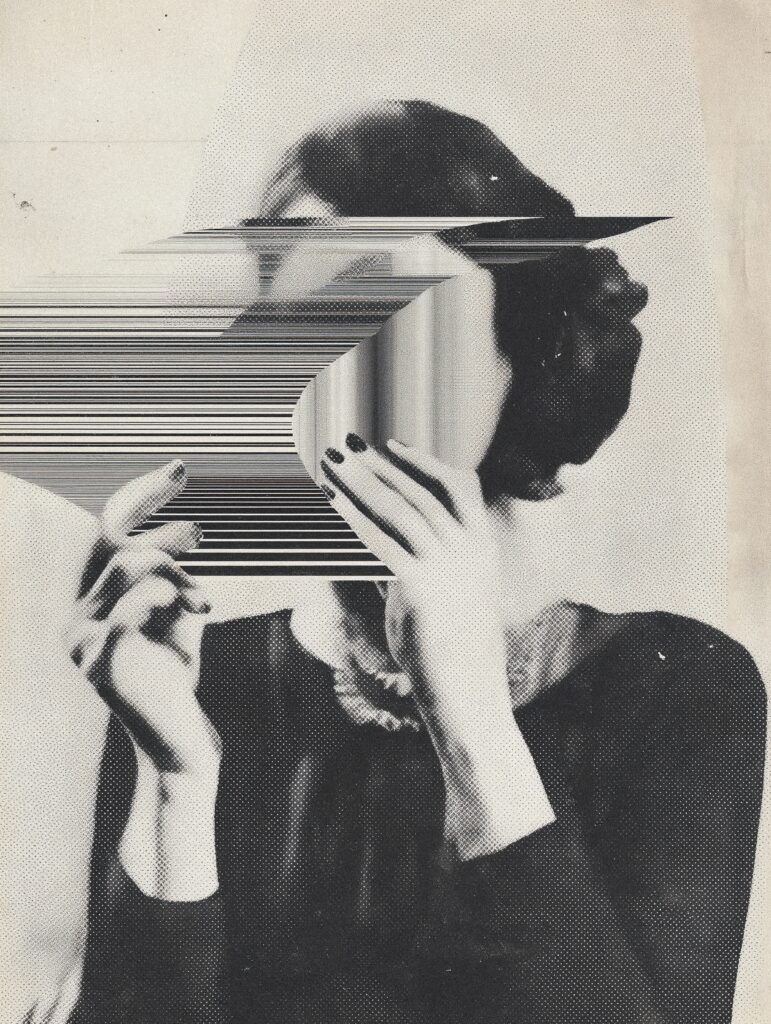
WHEN THE MIRROR BLURS
Against this backdrop, something else has begun to stir in response. A desire not to be seen, but to feel. In a culture governed by constant visibility, solitude and privacy have become the new luxury. And yet, it is precisely this withdrawal from the gaze that is shaping some of fashion’s most interesting undercurrents.
Inward dressing is not about invisibility, but about agency. Choosing sensation over spectacle. Intuition over recognition. The pleasure of wearing something beautiful that no one else will witness and that will refrain from becoming a part of your image to the wider world.
Post-pandemic habits linger here. During months of isolation, people reacquainted themselves with clothes that could only be perceived and admired in 2D, and the rest was worn without observers – naturally leading to a rise of soft knits, elastic waists, robes, and slips. And even as the world reopened, the appetite for clothing that accommodates the body, rather than disciplines it, did not disappear. Instead, it evolved. It’s a fashion paradigm not as display, but as experience.
DESIGNING AGAINST THE FEED
Designers, too, are grappling with the implications of an industry increasingly shaped by screens. While some embrace virality, producing collections engineered for instant recognition and shareable moments, others are quietly resisting the logic of the algorithm.
Designing against the feed is not antivisibility, but an effort to avoid reduction. These are clothes that demand proximity. Time. Touch. They reveal themselves slowly, through movement and wear.
Mary-Kate and Ashley Olsen’s The Row stands as a touchstone here: a brand that has consistently privileged fabric, weight and proportion over spectacle, and which maintains an almost studied distance from social media. Even recent collection presentations have all upheld a ‘no phones’ policy. Its clothes are notoriously difficult to ‘get’ through images alone, leaving many to gasp at their price points. But to most who have had the pleasure of experiencing these pieces, they must be worn to be understood.
Phoebe Philo’s return similarly foregrounds private confidence over public performance. Her clothes do not shout, and may elude attention unless explicitly tagged. They assume a wearer who is dressing for themselves rather than for external approval.
Lemaire, Studio Nicholson, and others working in this register obsessively focus on cut, drape, tactility, and other qualities that resist translation into two dimensions. These are garments that feel incomplete without a body inside them.
There is, increasingly, scepticism within the industry about fashion’s excessive dependence on digital immediacy. The speed with which collections are consumed, judged and forgotten online has flattened nuance. Against this, inward-facing design offers a kind of temporal resistance.
PRIVATE DRESSING AS A MINDSET
Can fashion ever fully escape visibility? Probably not. Clothing is inherently social. It has long communicated belonging, identity, and desire, and it will continue to do so. But while total invisibility may be a fantasy, reframing our relationship to visibility is not.
Private dressing doesn’t demand anonymity, but intention. Dressing differently for the feed than for daily life. Choosing coherence over recognisability. Wearing ‘nothing outfits’ comprising clothes that signal calm rather than commentary or the need to be affiliated with something greater.
Dressing privately becomes a small act of resistance to the monetisation of the self. A refusal to turn every aesthetic choice into proof of productivity or capitalist worth.
If fashion once helped us project who we wanted to be, perhaps now it helps us stay with who we are.
DRESSING WITHOUT WITNESS
The question, then, is not whether we are dressing for social media, but which parts of ourselves we choose to show when we do. In a world where everything is instantaneous, where opportunity and judgment arrive before introduction, visibility still carries power. Social media has democratised fashion tenfold. It has created communities, platformed budding talents and expanded representation in ways previously unheard of. But that hasn’t stopped it from becoming a marketing battleground where every scroll, tap and linger leaves you comparing and consuming.
Fashion’s next great shift may involve remembering the body beneath the image, and the self beneath the performance. Not a rejection of the mirror, entirely, but a loosening of its grip on our instincts. Particularly in a culture that demands to see everything, dressing without being seen may not be a retreat, but a reclamation.
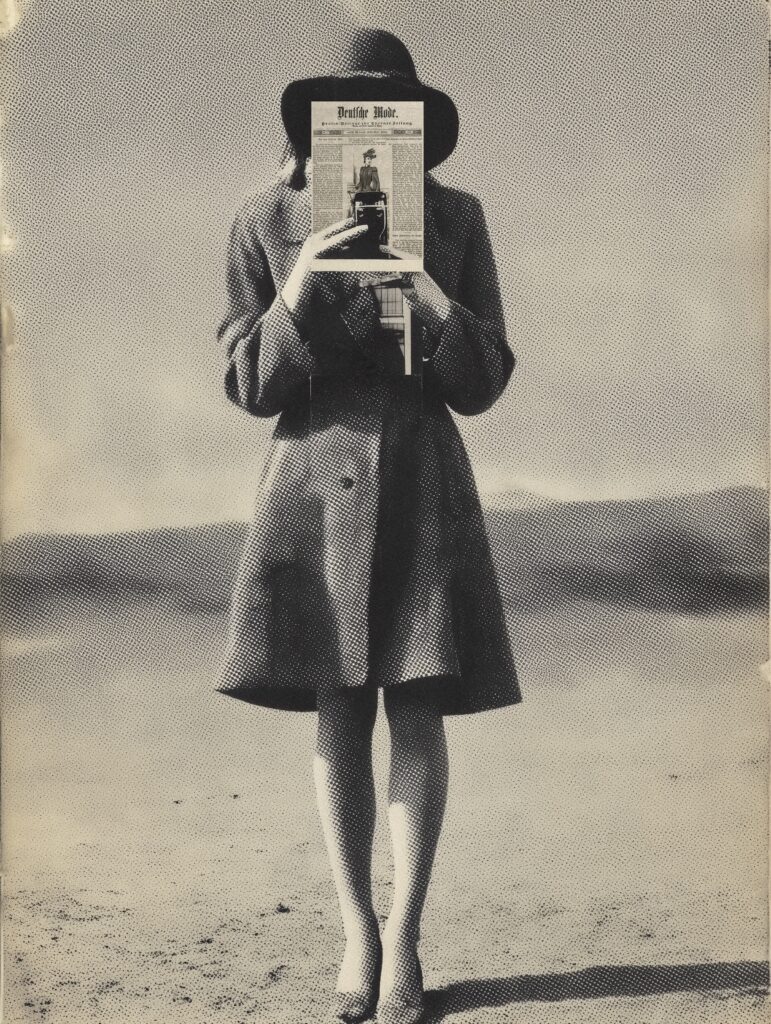
WHO ARE YOU DRESSING FOR?
Fashion has always evolved in response to the world it inhabits. Right now, that world is loud, accelerated, and relentlessly documented. Perhaps the most radical thing fashion can do in these hyper-vigilant times is to slow down and turn inward. To privilege feeling over framing and forget the mirror – just long enough to remember the body.


