



Newsfeed


From area to location to style, the Dubai apartment hunting process can be a long-winded and daunting one. And while we can’t attend the viewings or review the contracts with you, the GRAZIA is here to help guide you on the journey.
Unpacking the price variations across the differing communities the legal documents you need and the uniquely “Dubai things” to expect. Make sure to bookmark this GRAZIA guide to reference back to throughout the apartment searching process.
Whether you’re pondering moving to the city or thinking of refreshing your living situation, find every step of the process outlined in this breakdown.
Set expectations
Like most things in Dubai, the options for apartment rentals come in abundance. However just because we’re spoiled with options doesn’t mean all the spots align with our needs. Whether you prioritise having big open spaces and floor-to-ceiling windows but can sacrifice location, or want to live near the beach in a pet-friendly building, but don’t mind getting a roommate to lighten the burden. The first thing to straighten out is what your non-negotiables are.
Here’s just what some of them might be:
- Furnished vs Unfurnished
- Yearly rent vs montly rent
- Location: work, public transport
- Security: 24/7 staff, surveillance
- Utilities included: Dewa, Chilling fees, etc.
- Parking space
- Gym/swimming facilities
- Outdoor area: playground, balcony, etc.
Start Searching
While there are many sites that regularly update the on-the-market apartments in Dubai, there are three companies that are deemed the most trustworthy. Property Finder has a diverse portfolio, the highest-rated agents and advanced filters. Meanwhile, Bayut has a specialised ‘TruCheck™’ features that ensures the accuracy and credibility of the listing. Additionally, dubizzle offers over 200,000 listings across the cities with a user-friendly app that makes it a rising favourite in the expat community.
Alternatively, hiring a personal real estate agent is also an option. While on the pricier side, it eliminates all the inconveniences of searching, validating and ensuring legality during your search.
Gather Documents
Staying prepared in a competitive market is vital, especially if you want to secure your top choice. While each listing may differ in requirements, we have gathered a general guideline of the documents you will need when renting an apartment in Dubai.
- Identity: passport, residence visa, Emirates ID
- Income: employment contract, salary certificate, bank statements
- Residency: Utility bill, tenancy contract, Ejari certificate
- Credibility: previous landlord reference letters, character letter
- Security deposit cheque
Secure the Spot
Once you’ve made your pick, a negotiation period is facilitated by the agent in which an agreement is reached on rental price, amount of cheques you will deliver rent in, deposit percentage, etc. Concluded by the signing of the contract, you officially receive your keys at the end of the thorough yet seamless process.
Things to know
Location
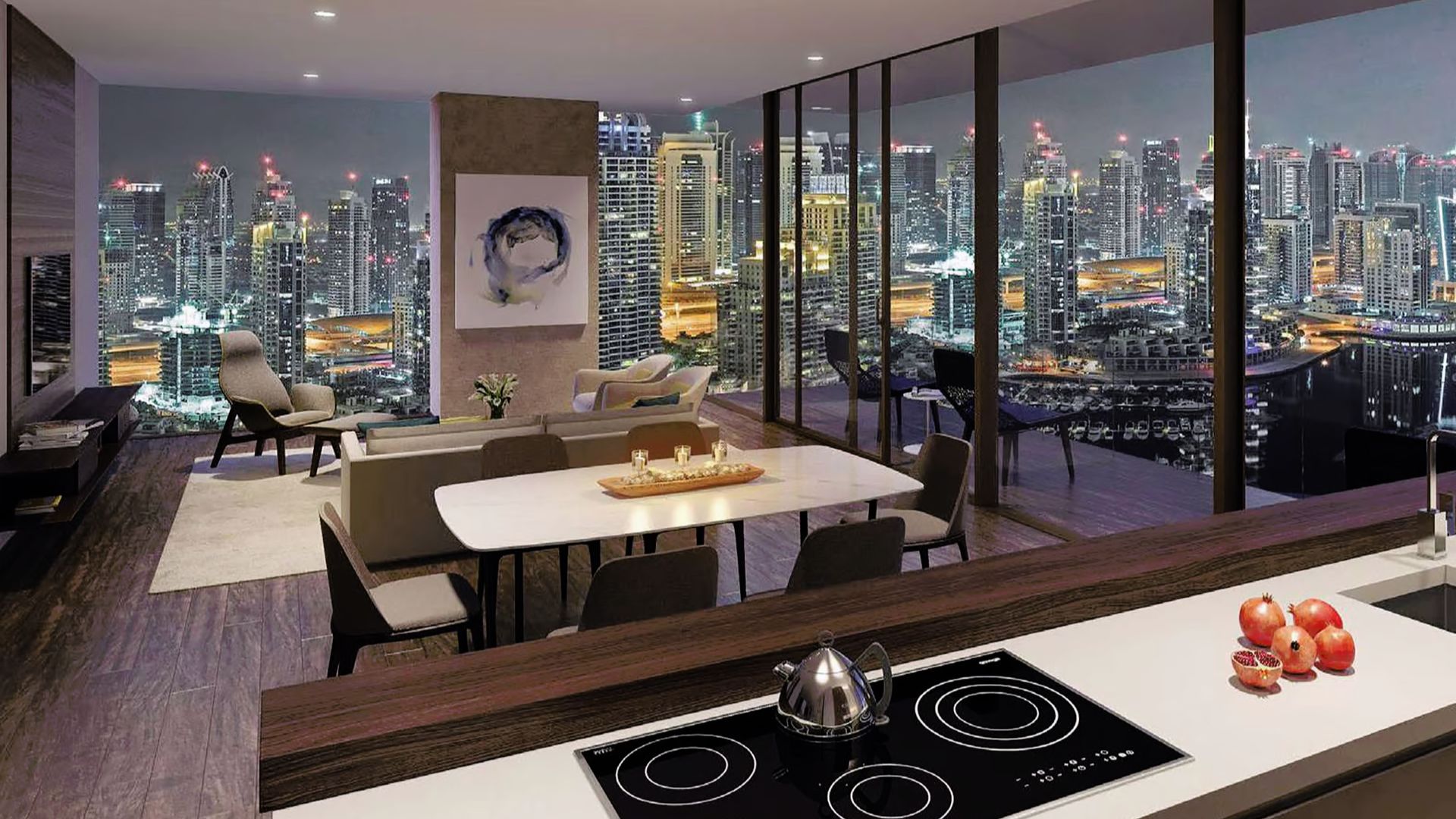
Varying in views, walkability access to public transport and more, different areas in Dubai have their different strengths and values. Dubbed “New Dubai” communities near Palm Jumeirah are known for their luxurious high rises, beach club and panoramic views of areas like Dubai Marina, JLT, JBR and more.

While the “heart of Dubai” leans city central, encompassing Downtown, Business Bay, DIFC Jumeirah and others. If you want to exist in the city’s bustling energy, where the influx of events, new restaurants, exhibitions and activities are endless, this one is your spot.
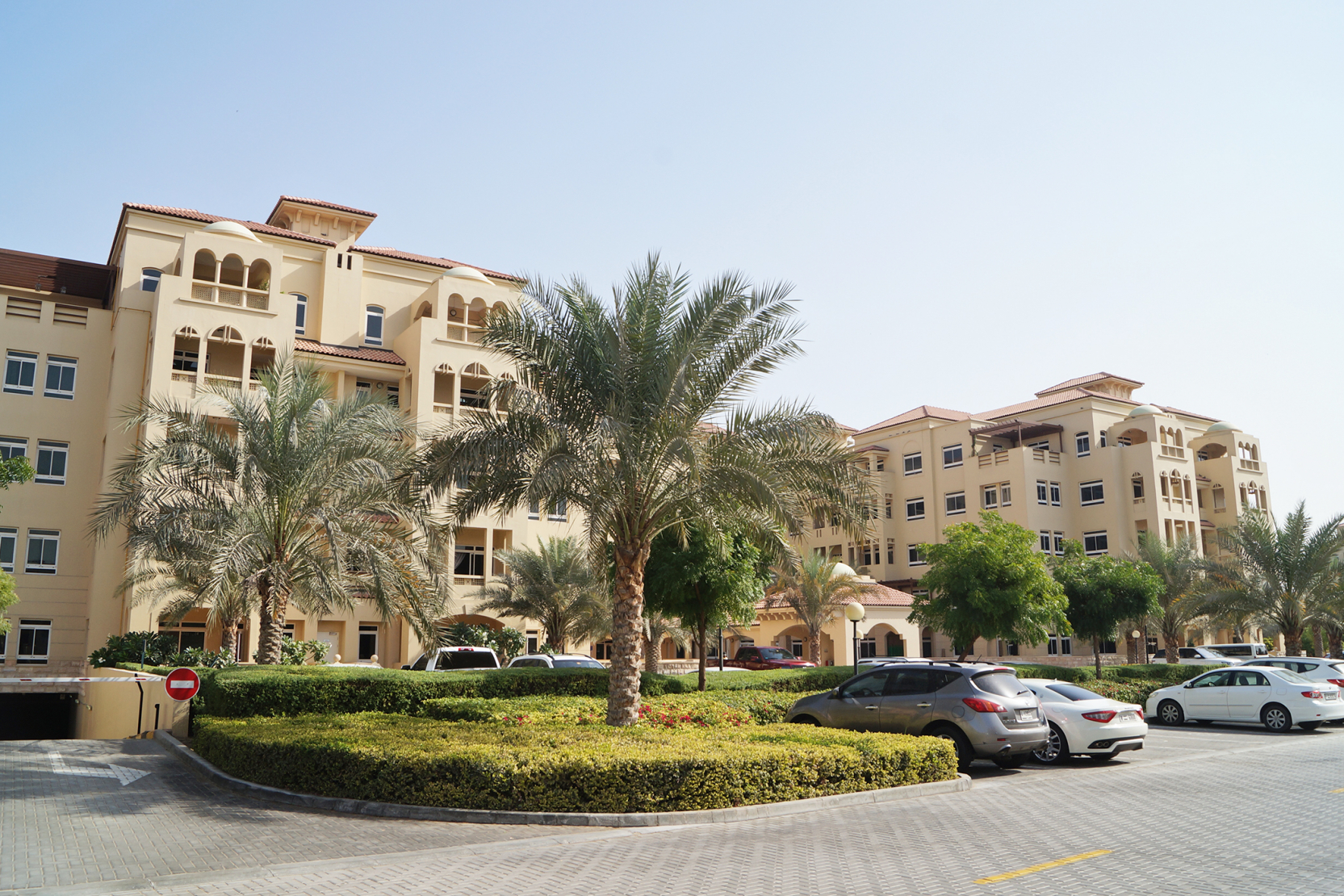
For the tranquil, who value community, family and an overall slower lifestyle “OG Dubai” is the way to go. From Deira to Dubai Festival City and even the upcoming Dubai Creek Harbour, these areas boast more affordable prices and larger spaces.
Prices
In line with varying locational pros and cons, comes the pricing discrepancies that exist across the city. According to Property Finder, while a studio apartment in Downtown Dubai is Dhs85,000 yearly, a less-happening area like Jumeirah Village Circle could offer the same square footage for Dhs40,000.
For a studio apartment that is unfurnished, expect to pay within the following range:
- Affordable: Dhs15,000 – Dhs25,000
- Average: Dhs30,000 – Dhs50,000
- Luxury: Dhs90,000+
While, one-bedroom unfurnished apartment while bet within this range:
- Affordable: Below Dhs75,000
- Average: Dhs80,000 – Dhs100,000
- Luxury: Dhs150,000+
Legality
Moving throughout the apartment hunting process in Dubai, it’s important to air on the side of safety and legality at every level. Firstly ensure that your real estate agent is RERA registered, so negotiations and searching are legally approved. Additionally, during the contract process make sure you have obtained an Ejari, to verify your protection as a tenant of the emirate.
While getting all your documents sorted, certify that all your copies and versions are certified and secured in order to avoid any delays in the process. Though these measures might seem daunting and overwhelming, rest assured that the city offers easy, short and uninterrupted pathways to obtain each requirement.
Bills
While the hefty bill you cover will the the actual rent, it’s important to note the additional costs you will also be responsible for. While percentages and amounts differ, this is a general list of additional costs you can expect:
- Security deposit – 5% – 10% yearly rent
- Agency fees – 5% yearly rent
- DEWA Fees – refundable Dhs2,000 & non-refundable Dhs100 connection fee
- Dubai Municipality Fee – added to DEWA fees, 5% yearly rent split into 12 months
- Ejari Fees – Dhs220 approx.
- Chiller Fees – Depends on usage usually around, Dhs500 to Dhs1500 per month


