



Newsfeed

There is a quiet shift happening in the fragrance world, and it is long overdue. We’re moving away from the bakery-adjacent sweetness that colonised mainstream perfumery for the better part of a decade. The vanilla bombs, the amber explosions, the everything-smells-like-a-croissant era. What the industry is calling the next evolution of the category is still being debated, but the direction is clear. More complex, more unexpected, more interesting to wear than a warm edible haze drifting off your wrist. The notes gaining traction right now are not only more distinctive but considerably better suited to heat and humidity than heavier compositions that tend to crop up when a category is looking for safe ground.
The Middle East’s climate is not kind to most of the fragrances competing for shelf space, and stepping outside the mainstream gives you a fighting chance of making it past the first hour without your fragrance collapsing into a cloud of generic sweetness. These are notes that sharpen and shift in heat, that develop across a day rather than simply projecting loudly and then disappearing. They will also reliably prompt the question you either love or find unbearable: what is that? There is something to be said, too, for the way a completely new fragrance lets you try on a different version of yourself. You never quite know who you are in a new scent until you wear it somewhere that matters.
Playful And Fruity: Dragon Fruit
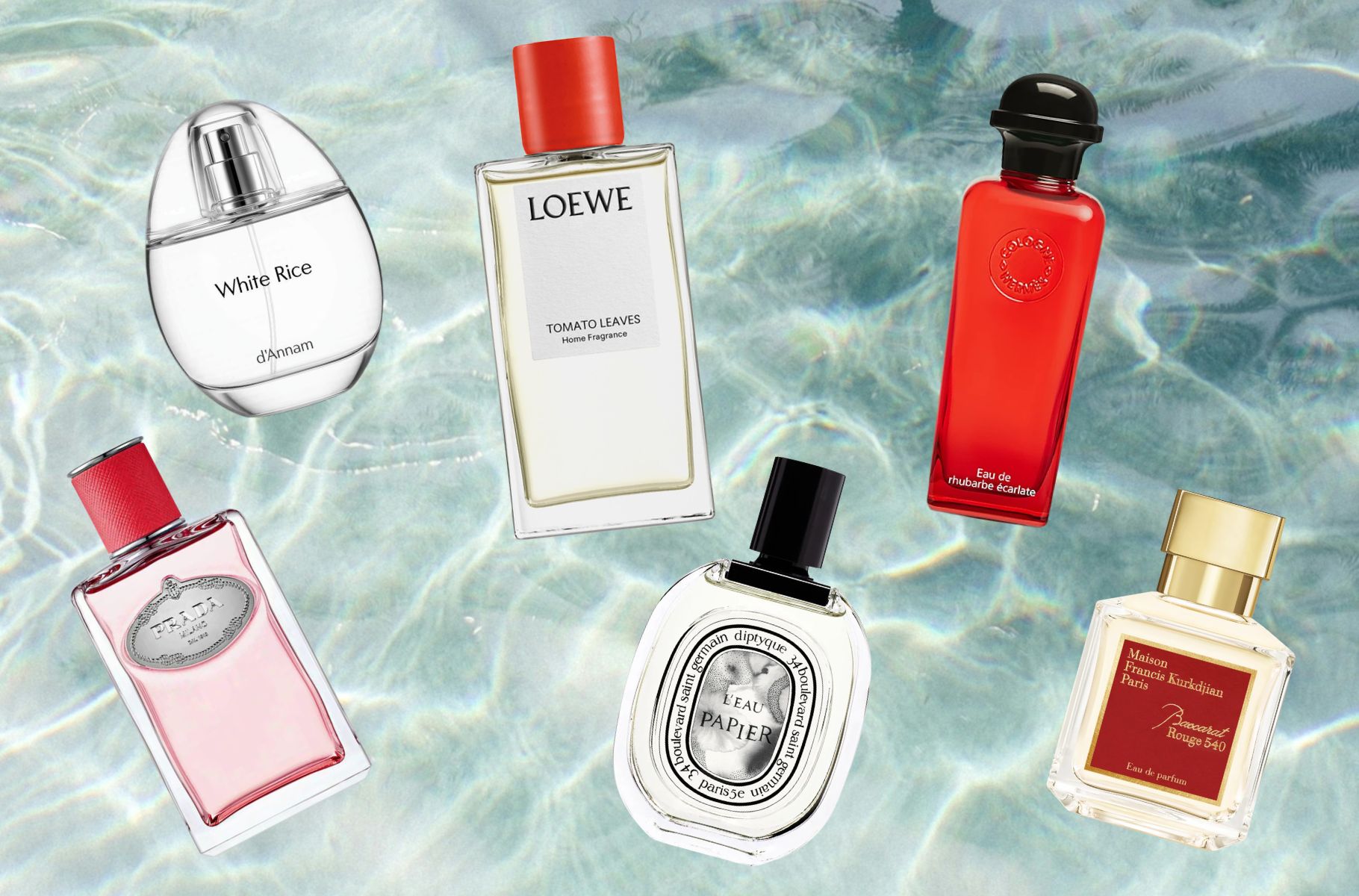
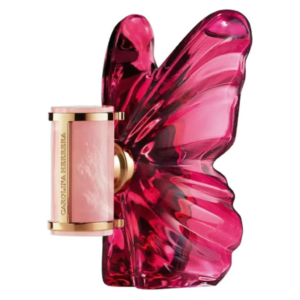
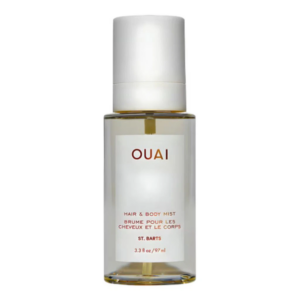
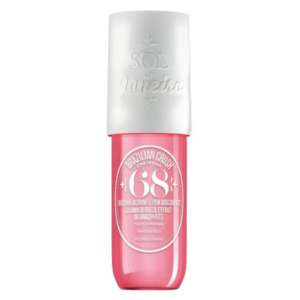
Dragon fruit as a fragrance note is considerably more interesting than its Instagram reputation suggests. Rather than the watery, candy-adjacent fruitiness that tends to emerge when mainstream perfumery encounters tropical produce, dragon fruit reads as lush and slightly pulpy, sitting closer to lychee in character but with more structure and less tartness. It performs well in humidity precisely because that watery quality never becomes heavy, and it works beautifully as a top note when it has something worth landing on. Carolina Herrera’s La Bomba is the most significant launch in this space, and the house’s biggest fragrance release since Good Girl, built around red dragon fruit (pitaya), cherry peony, and frangipani, settling into warm patchouli and vanilla. The butterfly-shaped bottle will stand out on your vanity, and the juice is genuinely lovely. Ouai’s St. Barts Hair and Body Mist takes a lighter, more casual approach, pairing dragon fruit with orange blossom, tuberose, and musk for something easy and tropical without demanding a full commitment to the note. Sol de Janeiro’s Brazilian Crush Cheirosa 68 anchors pink dragon fruit in jasmine and sandalwood, landing somewhere between a body mist and a proper fragrance, and consistently generating questions from whoever is standing close to you.
right And Tart: Rhubarb
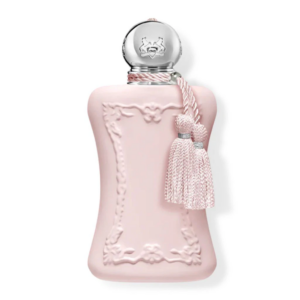
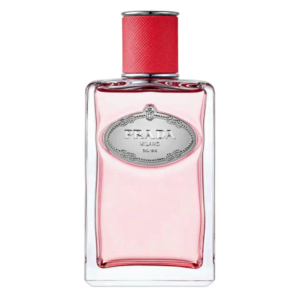
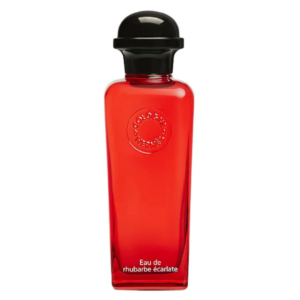
Rhubarb in perfumery is not fruit-sweet in the way most fruity notes are. It reads tart, slightly sharp, and cleanly acidic, which makes it a natural fit for Middle East’s climate in a way that lychee or strawberry can struggle to manage. Unlike sweeter fruits that soften and amplify with heat, rhubarb holds its structure and has an unusual ability to lift heavier base notes without turning the whole composition sugary. Parfums de Marly’s Delina is the most notable example, opening with rhubarb and lychee before settling into Damascena rose and musks, with the rhubarb doing genuine structural work rather than sitting decoratively on top. Prada’s Infusion de Rhubarbe takes a more deliberate approach, built entirely around the principle that rhubarb should be the only thing doing the talking. Daniela Andrier’s composition gives the note a single citrus runway in green mandarin before rhubarb takes the heart and holds it there, the whole thing settling into white musk without straying anywhere else. Hermès’ Eau de Rhubarbe Ecarlate is the most direct of all three, built by house perfumer Christine Nagel around the duality of rhubarb itself. Crisp and acidic on opening, it softens gradually into white musk while maintaining that vivid scarlet-green tension throughout, and remains one of the more underrated things in the Hermès collection.
Vegetal And Herbaceous: Tomato Leaf
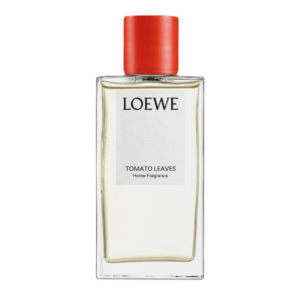
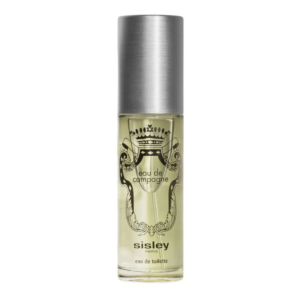
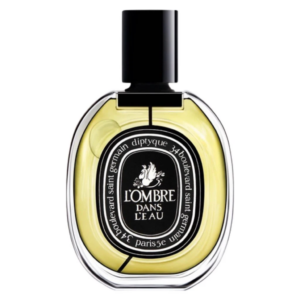
The note that arguably kicked all of this off was Loewe’s Tomato Leaves candle, which went quietly viral around 2023 and has since spawned an entire category. Jonathan Anderson designed it to capture the specific green intensity of tomato vines just before they fruit. A sharp, herbaceous quality that smells deeply natural and nothing like anything already in your fragrance wardrobe. The internet appreciated it, the luxury fragrance world took note, and houses including Diptyque and Maison Margiela began exploring the territory. The candle remains one of the most useful ways to understand what the note actually smells like before committing to an EDP, and it is available through Loewe’s own boutiques. For fragrance territory proper, Sisley’s Eau de Campagne is the traditional benchmark, a creation from 1976 that remains one of the most photorealistic tomato leaf compositions, built around citrus, basil, and oakmoss. For those more romantically inclined, Diptyque’s L’Ombre dans l’Eau technically contains neither tomato plant nor vines, but blackcurrant leaf and Bulgarian rose. The fragrance community, however, has spent years in collective agreement that it produces the most accurate tomato leaf impression available in niche perfumery, which says something quite interesting about how scent and your nose actually work.
Luxurious And Warm: Saffron
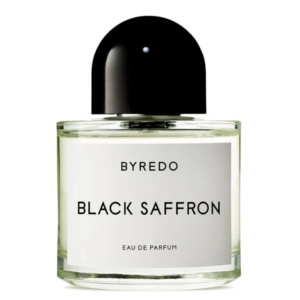
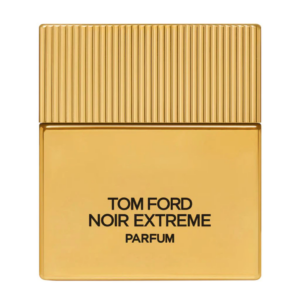
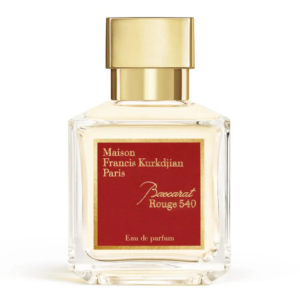
Saffron is the most expensive spice in the world by weight, and what it does in perfumery justifies that status. It has a leathery, slightly honeyed warmth that adds depth and complexity to whatever it appears in, functioning at lower concentrations as a kind of golden radiance rather than an overtly spiced presence. Byredo’s Black Saffron is the most conceptually grounded entry into saffron fragrances, opening with grapefruit and juniper berries before the saffron arrives alongside black violet and leather, all anchored by raspberry and vetiver in the base. Clearly, the note is named in the title, which tells you exactly what you are signing up for. Tom Ford’s Noir Extreme approaches saffron differently, embedding it in a rich composition of kulfi, amber, rose absolute, and vanilla ember that is warmer and more enveloping. It’s less about saffron in isolation and more about what the spice does when it’s embedded in something complex. Maison Francis Kurkdjian’s Baccarat Rouge 540 is a cultural reference point that this category can’t ignore. Jasmine, saffron, ambroxan, cedarwood, and the single fragrance most responsible for saffron becoming a household conversation in the first place.
Cosy and Comforting: Rice
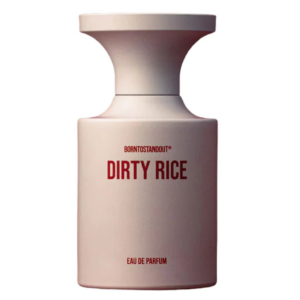
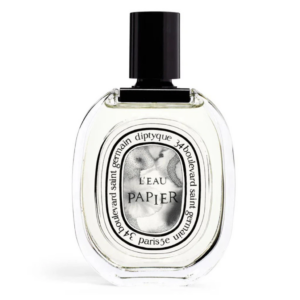
Rice as a fragrance note is doing something quietly lovely. It reads as softly powdery without the heaviness of iris, creamy without the sweetness of vanilla, and has an almost skin-like quality that makes it excellent for anyone who wants to smell like the best version of themselves rather than of something else. It’s also culturally legible in the Middle East in a way that makes it feel less like a European invention and more like something genuinely rooted in the region. d’Annam’s White Rice is a personal signature of mine, a Vietnamese brand’s tribute to jasmine rice done with real delicacy. Pandan and jasmine in the heart, white musk and tonka bean in the base, the whole thing functioning as a warm hug in spray form. This alone is worth seeking out in person before committing to anything else in this category. BORNTOSTANDOUT’s Dirty Rice is the Korean niche brand’s more sensual take on the note, opening with bergamot and almond before a dominant basmati rice heart arrives alongside peony and milk, with the whole drying down to sandalwood, vetiver, and musk in a way the name fully earns. For something more unexpected, Diptyque’s L’Eau Papier does not officially list rice among its notes, yet the rice steam accord at its core is precisely what gives it its quiet character. White musk, luminous mimosa, and blonde wood frame what is essentially a portrait of clean paper, with the rice steam feeling emotionally connecting the smeller to the category. The fragrance community has made the connection before, and once you smell it, you will understand why.

This article first appeared on GRAZIA Singapore and has been republished here with permission.


