



Newsfeed


Friendship has always carried emotional weight. Long before the internet, friends were the people we turned to help us interpret the world and ourselves within it. But in modern life, the role of friendship seems to have expanded even further. Even in the simplest catch-ups, conversations drift towards burnout, family wounds, political despair, and the exhausting work of being a functioning person in an increasingly overwhelming world – all before dessert is served.
Of course, the beauty of this openness we get to experience should not be taken for granted. After all, it wasn’t that long ago that social norms forced people to swallow difficult feelings in silence or believe that emotional restraint equated to strength. Today, we are more emotionally literate than ever, armed with the tools and language to more openly process and talk about anxiety, grief, loneliness and the spectrum of mental health. In this world, friends are no longer simply companions, but witnesses to each other’s inner lives. And yet, many people quietly admit to another feeling seething beneath the loving surface of modern friendship: exhaustion.
In an era where professional mental healthcare – while far more prolific – remains financially or culturally inaccessible for many, our friendships have become emotional support systems of unprecedented scale. And while we have always been social animals, the modern friend is often called on to be confidante, mediator, crisis manager and therapist at any given moment.
According to Dr Esra Uzsayilir, a Dubai-based psychologist who co-founded Connect Psychology, connection is foundational to our lives, with the human nervous system not designed to process threat entirely on its own. “Friendship remains one of the most psychologically protective relationships we have,” she notes. “When the wider world feels unstable, whether due to war, political unrest, economic uncertainty, or collective grief, our instinctive response as human beings is often to seek connection.” From an evolutionary standpoint, leaning on one another is both natural and necessary, but when the world around us feels fraught, there is growing concern around how to do so sustainably.
That tension feels especially nuanced in the Middle East, where community, hospitality and emotional generosity are deeply embedded into social life. Care is often instinctive and collective rather than individualistic, with family and friendship deeply intertwined. Particularly for young people navigating migration and the breakneck pace of urban living, living far from family means friends become chosen siblings, emergency contacts and stand-ins for home itself. The collision between inherited collectivist values and globalised wellness culture only deepens the confusion. Where Western self-help rhetoric has seen boundaries, autonomy, and emotional self-preservation take priority, in many Arab cultures, identity skews more towards the relational. Family and friendship are deeply interconnected, and selfhood is often bound to community.

This closeness can be enormously comforting, but it can also blur emotional boundaries in ways previous generations perhaps did not have the language to articulate. The distinction matters because emotional labour, although often invisible, is still labour. Listening intently, supporting someone through hardship or repeatedly absorbing their crises requires energy. And while most are happy to offer this to those they love, problems can arise when support becomes chronically one-sided or when friendships become the sole container for unresolved trauma and emotional regulation.
Social media has dramatically accelerated this shift. A simple scroll on TikTok or Instagram can reveal just how normalised ‘therapy speak’ has become, wherein terms once confi ned to doctors’ offices now casually pop up over brunch.
“Therapy language has undoubtedly improved emotional literacy, helping people name experiences that may once have felt invisible or invalidated,” explains Dr Uzsayilir. “However, when complex psychological concepts are used repeatedly or inaccurately through mainstream media, the true meaning and impact can be lost.”
While it has been valuable for democratising mental health dialogue, she warns that it can also lead some to pathologise ordinary human experiences. “Therapy speak can turn all human discomfort into pseudo-clinical diagnoses.”
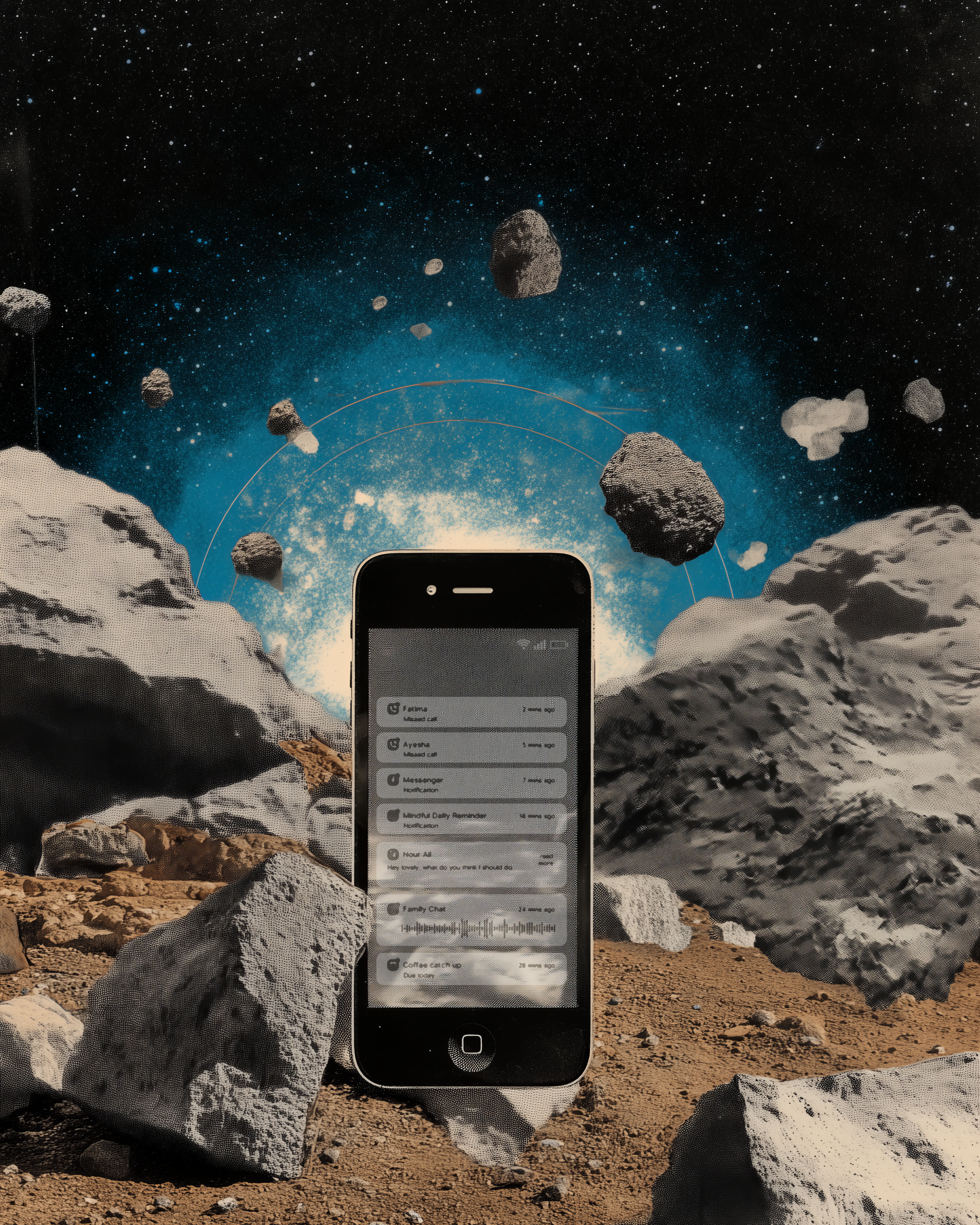
At the same time, emotional transparency has gained its own cultural clout. Being vulnerable online is frequently framed in the media as authenticity, while privacy can appear contrived, emotionally repressed, or even vain. We are encouraged to publicly process and narrate our feelings in real time. Friendship, too, has absorbed this ethos, in which closeness is often measured by how much someone is willing to disclose, absorb, or analyse. But constant emotional processing does not always create intimacy. Sometimes, it simply creates fatigue.
The irony is that many of these dynamics emerge from good intentions. We want to feel seen and to support each other properly. Nurture depth over superficiality. But despite hyperconnectivity, modern life has also quietly dismantled many of the wider support systems that once distributed emotional care more collectively. Across the Middle East, care has traditionally existed within layered ecosystems: extended families, neighbours, religious communities and communal gathering spaces where emotional burdens were shared gradually rather than intensely and privately.
Today, urbanisation, globalisation and increasingly individualised lifestyles mean friendships are often expected to absorb pressures once dispersed across entire communities. In his eminent book, Bowling Alone: The Collapse and Revival of American Community, Robert Putnam warned of declining social capital more than two decades ago, and contemporary research suggests that emotional support gaps have only widened since. The weight of modern friendship may not stem from selfishness, but from the fact that many people simply have fewer places left to put their pain.
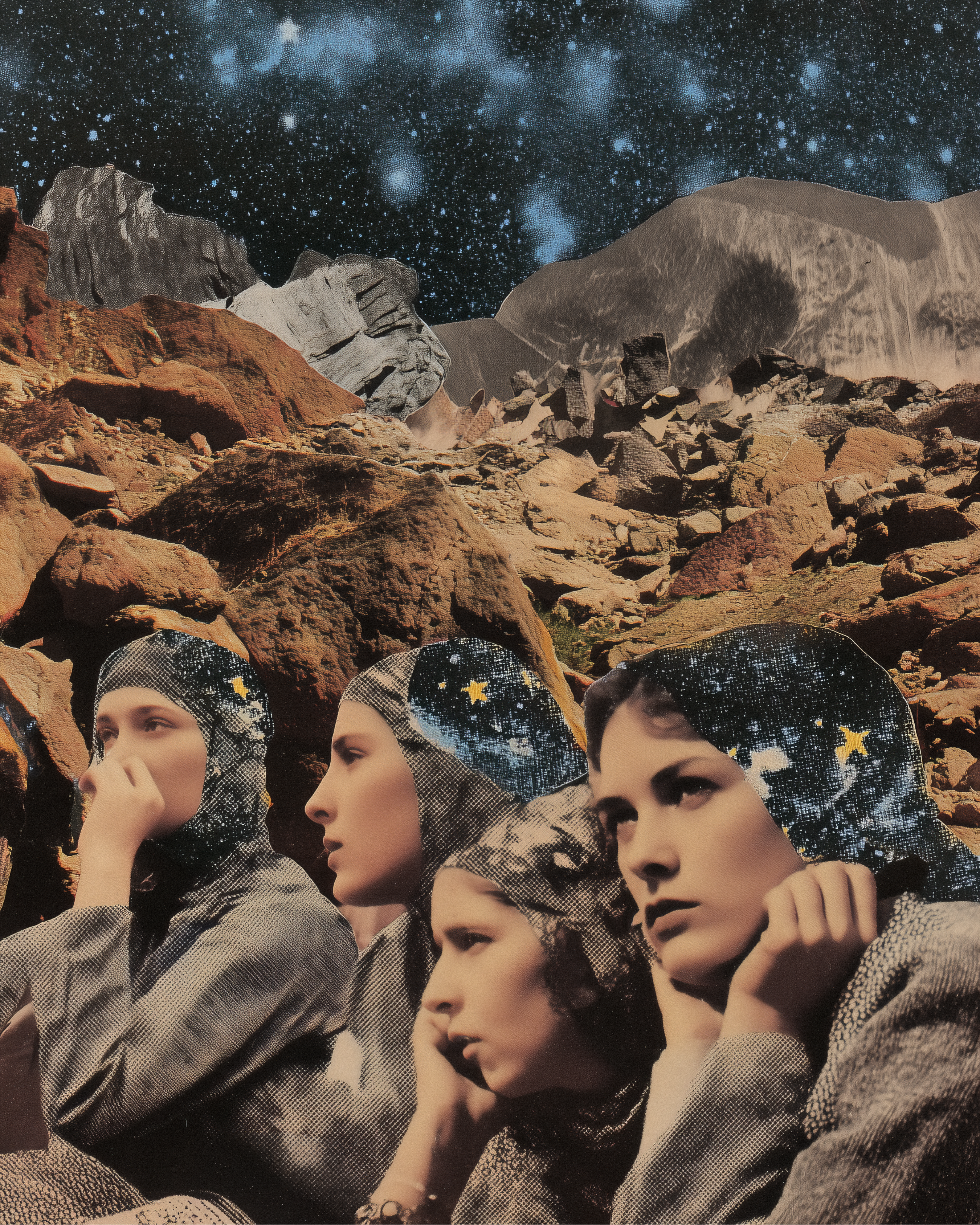
Per Dr Uzsayilir’s experience, psychologists increasingly note that while emotional openness is healthy, reciprocal care ultimately sustains relationships. “Friendship is not transactional, but reciprocity matters,” she warns. “If one person is always the listener, always the stabiliser, always the one holding everyone else together, emotional exhaustion becomes almost inevitable.”
This does not mean friendships should adopt scorekeeping or emotional distance; rather, that instead of relentless self-sacrifice in the name of loyalty, the healthiest relationships tend to operate with mutual emotional rhythm. Space for vulnerability, but also accountability. According to Uzsayilir, this means asking difficult questions, such as, ‘Have I processed this before bringing it to someone else?’, ‘Am I asking for support, or expecting rescue?’ and ‘Have I made room for the other person’s emotional reality, too?’
So, how do you establish parameters without feeling selfish or turning care into something clinical? Or ask for space in cultures that prize generosity and availability? Perhaps there is a softer middle ground. After all, friendship has always involved emotional labour to some extent. The issue now is not emotional closeness itself but emotional overload during a time when it’s safe to say we are all, in one way or another, overwhelmed. Between constant digital access, information saturation and the expectation of perpetual availability, we are reachable at all hours, emotionally and technologically, leaving very little room for reprieve anymore.
When emotional exhaustion feels ever-present, relationships should be able to withstand both honesty and breathing room, providing support while also interrupting the world’s heaviness with shared joy, humour and relief. Care should not come at the cost of self-erasure, any more than boundaries should mean withdrawal. Real support is not about carrying someone forever, but about reminding them that they do not have to carry everything alone.
“sharing the load” IS PUBLISHED IN THE 18th EDITION OF GRAZIA middle east. ORDER YOUR COPY HERE.


