


Newsfeed

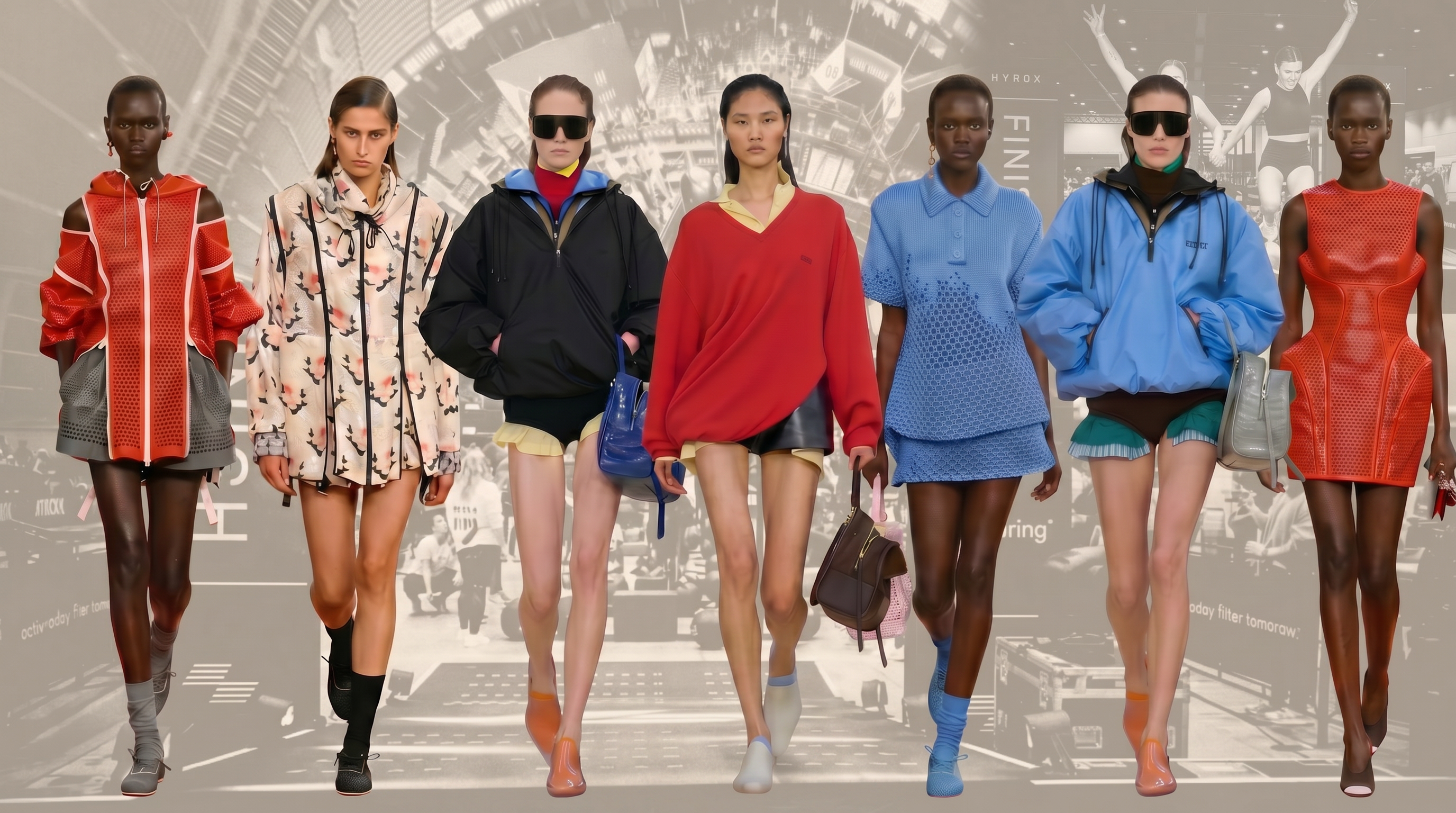
This weekend, I’ll willingly spend my Sunday pushing a weighted sled, rowing until my lungs burn and questioning every life decision that led me to signing up for DEKA STRONG in Dubai. This time last year, fitness competitions weren’t on my radar. Today, they reign supreme; my social feeds filled with friends comparing finish times, discussing race strategy, Strava paces, and proudly posting photos wearing medals that have become the new badge of honour.
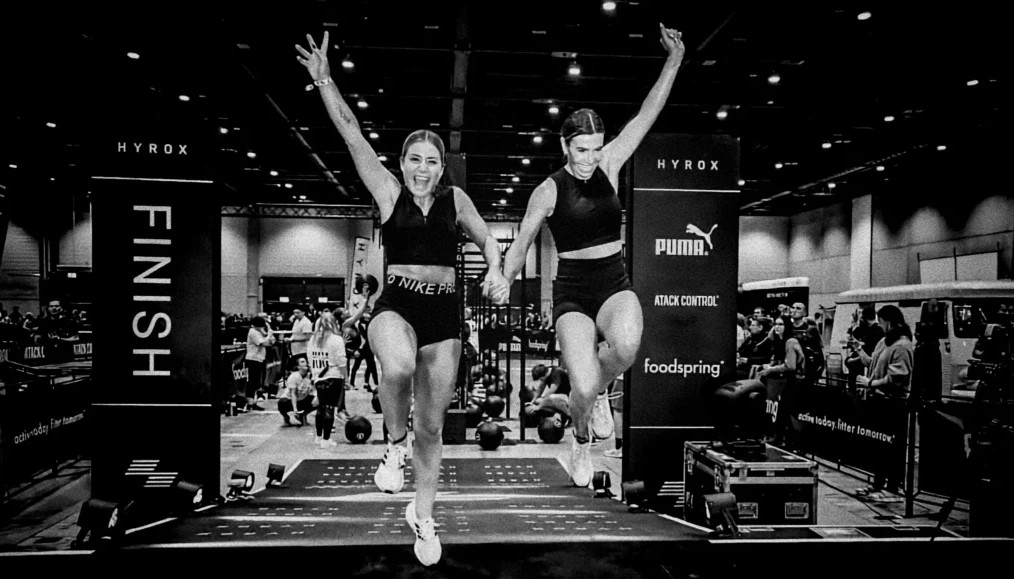
Somewhere along the way, fitness competitions stopped being reserved for elite athletes and quietly became the latest cultural obsession. Whether it’s Hyrox, DEKA, Burj 2 Burj, Turf Games or ultra-endurance races, tens of thousands of us are paying to put ourselves through carefully orchestrated physical suffering – all in pursuit of a finish line, a personal best and, perhaps most importantly, the community that comes with it.
Which is why the recent reports that LVMH-backed private equity firm L Catterton is in exclusive talks to acquire a stake in Hyrox make perfect sense. This isn’t simply a luxury conglomerate taking an interest in sport; it’s one of the world’s most sophisticated businesses recognising where modern aspiration is heading. Hyrox is expected to attract more than 1.3 million participants in 2026 across 34 cities worldwide, while races regularly sell out months in advance and generate legions of loyal followers willing to spend on entry fees, training programmes, apparel, travel and recovery.
For a group like LVMH – whose empire spans Louis Vuitton, Dior, Fendi, Celine, Tiffany & Co. and Bulgari – the appeal is obvious. Luxury has long been in the business of selling identity, status and belonging. Fitness competitions now offer all three, wrapped up in a scalable global ecosystem with recurring revenue streams and an audience that is younger, highly engaged and increasingly more interested in collecting experiences than possessions.
Hyrox itself is now reportedly being valued in discussions at between $700 million and $1 billion – a price tag that sits comfortably in the same universe as fast-growing fashion and lifestyle acquisitions, and signals just how commercially serious this category has become. In that context, the finish line starts to look every bit as valuable as the front row.
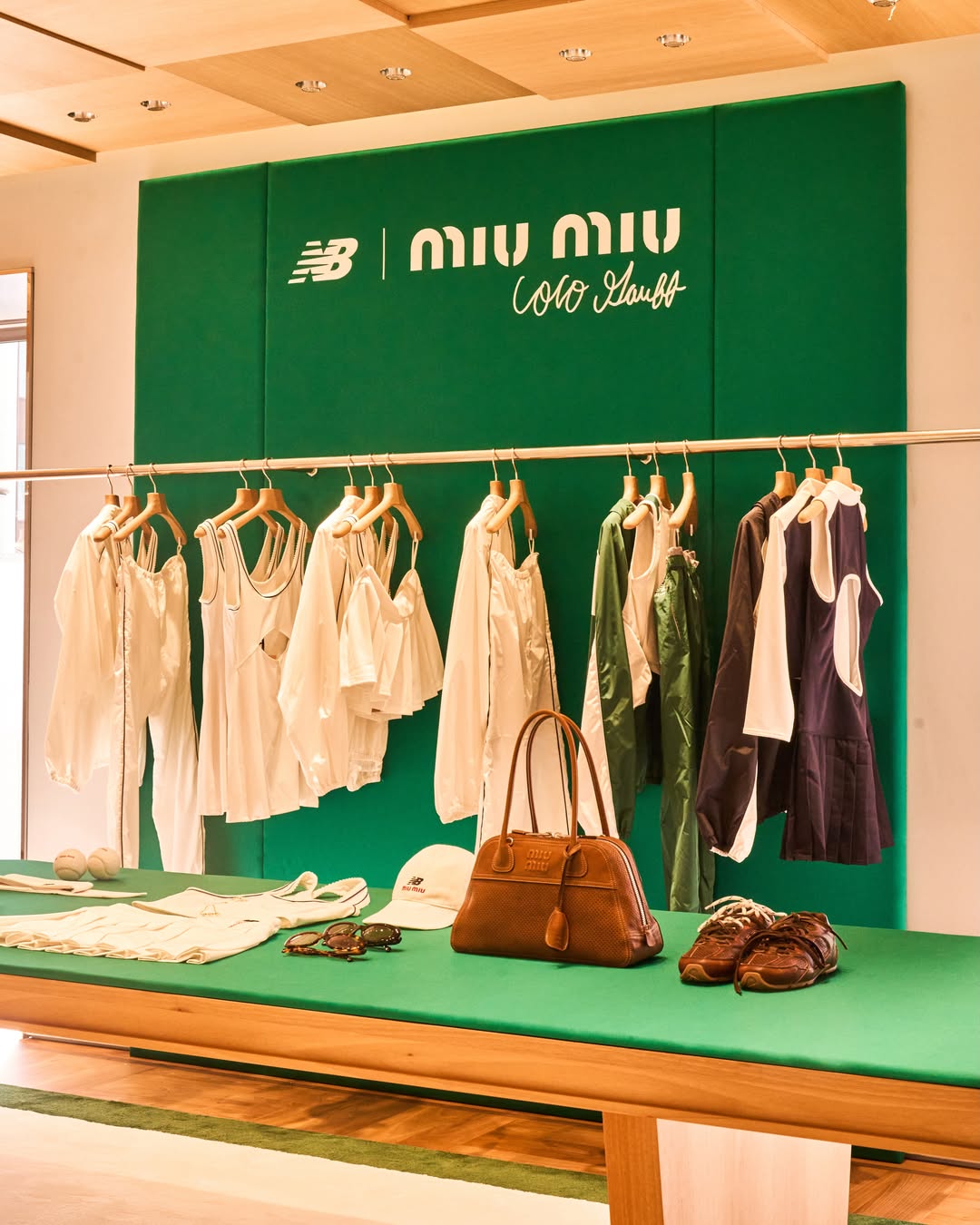
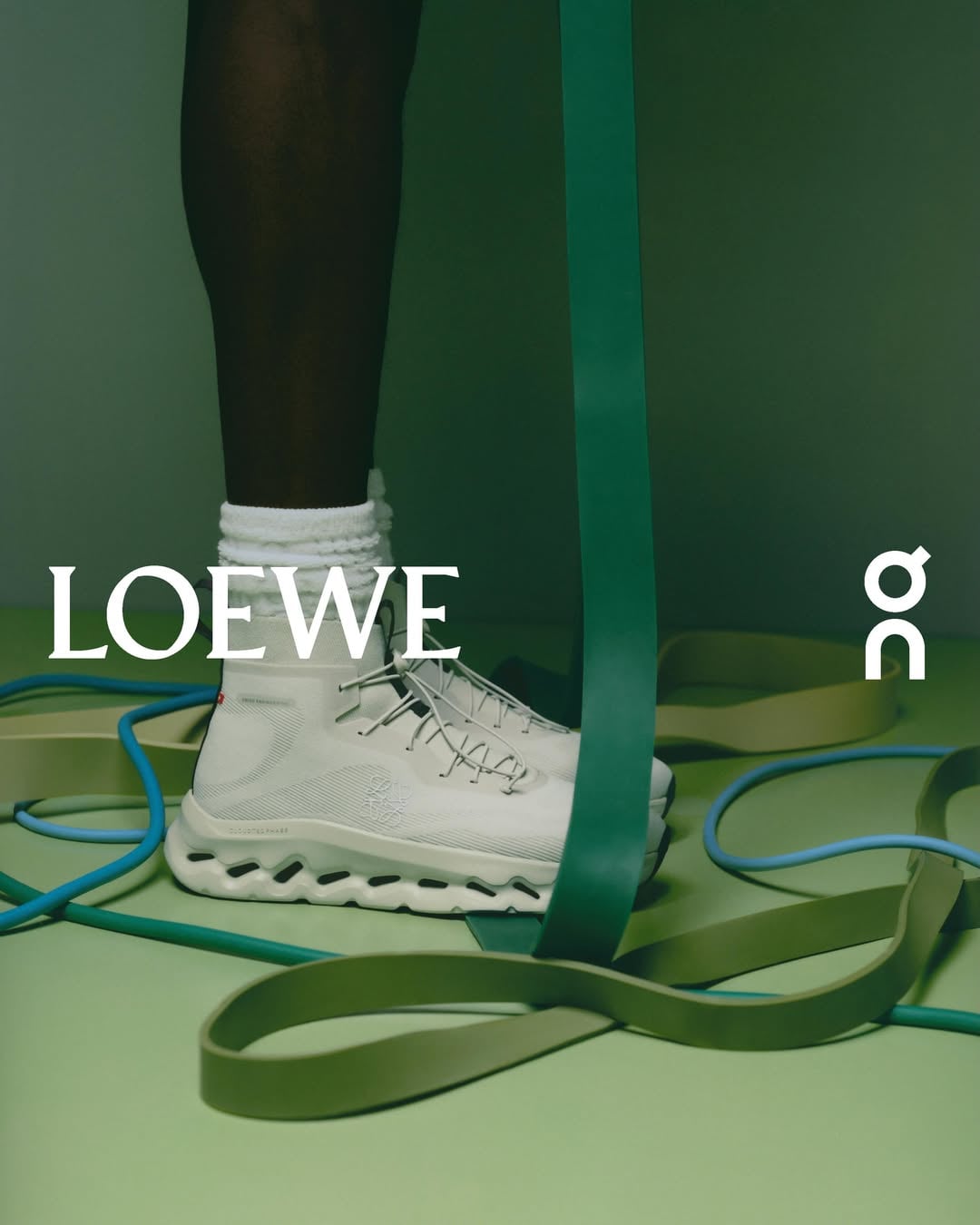
And so, if luxury’s next move is owning the race rather than simply sponsoring it, it raises an interesting question about the future of fitness itself. Hyrox is only one piece of a much bigger shift, where participation-based fitness is scaling at speed and becoming increasingly institutionalised.
At the same time, LVMH continues to report tens of billions in annual revenue across its fashion and leather goods division, driven by brands like Louis Vuitton, Dior, Fendi and Loewe – businesses that have mastered the art of converting aspiration into repeat consumption. So the question becomes: what happens when those two worlds fully collide? Will fitness competitions become the next luxury-owned ecosystem, complete with VIP race experiences, branded training programmes and tiered global memberships? Or are we watching something more profound unfold – a redefinition of status itself, where the most desirable thing you can signal is no longer what you own, but what you can endure, complete, and mark as a new PB?


