
Newsfeed

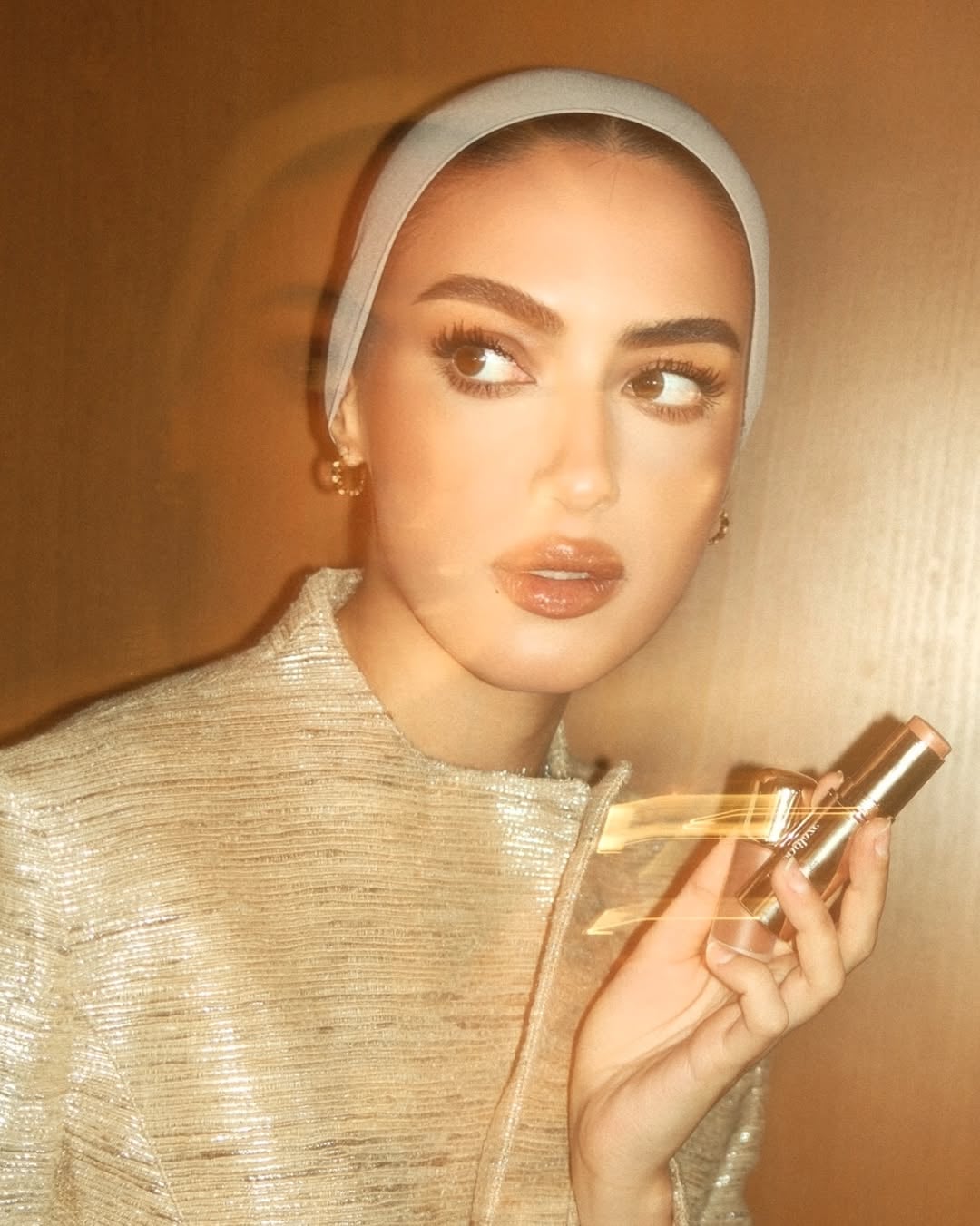
If you want your skin to look fresh, smooth, and expensive by Eid, this is not the moment for panic-booking an aggressive peel and hoping for the best. The real route to Eid-ready skin and a gorgeous glow is far less chaotic: think hydration, barrier support, gentle treatments and knowing exactly when to stop.
During Ramadan, fasting, disrupted sleep, and changes in hydration can all show up on the skin – which is why the smartest pre-Eid plan is one that works with your skin, not against it. Here, the experts share exactly what to do in the lead-up to Eid for calm, luminous, makeup-ready skin.
1. Start prepping early
Eid-ready skin is built gradually, not in a single rushed appointment. Orsolya Matheisz, Founder of Orskin Aesthetics Clinic, says: “Ideally, preparation should begin at the start of Ramadan or even slightly before. In the first two weeks, we focus on treatments that improve overall skin quality such as gentle radiofrequency for collagen support, LED light therapy to reduce inflammation, and hydrating medical-grade facials. These stimulate the skin progressively without causing downtime or disruption during fasting.”
Her point is simple: steady care always looks better than a last-minute scramble. “There’s a noticeable difference between skin that has been nurtured for weeks and skin that’s been rushed the night before an event. Gradual, consistent care allows results to look effortless. It’s a quieter approach to aesthetics – but ultimately far more effective.”
2. Two weeks out, think refinement – not rescue
If you’re down to the final two weeks, focus on improving glow and smoothness without creating irritation. Dr Hassan Galadari says: “With two weeks to go until Eid, this is not the time for aggressive resurfacing or experimental treatments. It’s about refinement. You can improve glow, hydration, and smoothness in 14 days – but the strategy needs to be controlled and collagen-supportive rather than inflammatory.”
3. Book low-downtime treatments only
Now is the time for treatments that brighten and support the skin without leaving it stressed, peeling, or reactive. Dr Galadari recommends:
“Low-downtime such as gentle radiofrequency treatments like Forma RF, or light-based facials such as Lumecca Peak can enhance brightness and stimulate circulation without causing peeling. These are ideal two weeks out because they improve skin quality progressively rather than traumatising the surface.” These are the kinds of treatments that help skin look better by Eid – not worse first.
4. If you want a peel, keep it very mild
A little resurfacing can help with dullness, but only if it stays firmly on the gentle side. Matheisz says: “Around two to three weeks before Eid, light resurfacing treatments can be introduced if appropriate – for example, a mild enzyme peel or a very superficial chemical peel to brighten and even tone. The key word is mild. We avoid anything aggressive, as the goal is calm, balanced skin that looks naturally radiant.”
Dr Galadari agrees: “If texture or dullness is a concern, a very mild enzyme peel or a superficial mandelic or lactic acid peel can help smooth and brighten – but I would avoid deeper chemical peels or aggressive fractional lasers this close to Eid.”
5. Prioritise hydration
If fasting is leaving skin a little flat, tight or dull, hydration should be your number one focus. Matheisz says: “Because fasting can temporarily impact hydration levels, strengthening the skin barrier becomes central. Treatments that infuse hyaluronic acid topically, oxygen facials, or deeply hydrating masks can make a visible difference in plumpness and luminosity. At home, I advise layering a hydrating serum under a ceramide-rich moisturiser and maintaining daily SPF, even during shorter daylight hours.”
Dr Galadari adds: “Hydration is everything during Ramadan. I recommend layering a hyaluronic acid serum onto damp skin, followed by a moisturiser rich in ceramides, cholesterol, and fatty acids. This supports the lipid barrier and reduces transepidermal water loss, which is especially important when fasting.” If your barrier is supported, everything looks better – including makeup.
6. Hydrate strategically between Iftar and Suhoor
This is not about drinking loads of water at once and hoping for a miracle. Consistency matters more. Dr Galadari says: “Hydration should also be strategic, not frantic. Sip water steadily between Iftar and Suhoor rather than drinking large amounts at once. Pair that with hydrating foods such as cucumber, watermelon, yoghurt, and leafy greens to support cellular hydration and maintain natural plumpness.”
Dr Maria Angelo Khattar, Founder of Altaderma Clinic, also recommends being smart with what you eat: “Between Iftar and Suhoor, prioritise steady water intake and omega-3-rich foods such as salmon, walnuts, or chia seeds. Excess salt and sugar close to Eid can contribute to puffiness and breakouts.”
7. Save your actives for after Iftar
Skin tends to handle active ingredients better once the body is nourished and rehydrated. Dr Khattar says: “Post-Iftar is prime time for skincare. Once the body is nourished and rehydrated, active ingredients perform far better. If your skin already tolerates them, this is when to use retinoids, peptides and antioxidants. Layering a hyaluronic acid serum under a ceramide-rich moisturiser helps lock in hydration overnight.” If you’re going to use your good skincare, this is when it will do the most.
8. Choose glow-supporting, barrier-friendly ingredients
The goal here is not to strip the skin into submission. It’s to support it so it looks clearer, calmer and more even. Dr Khattar says: “Niacinamide is a great ingredient to incorporate at this stage – it supports barrier repair, regulates oil production and reduces redness without irritation. Peptides are also helpful for gentle collagen support in the lead-up to Eid.” These are the kinds of ingredients that help skin look polished without tipping it into irritation.
9. Avoid the usual pre-event mistakes
If you do one thing before Eid, let it be this: do not overload your skin with strong actives or try something intense at the last minute. Dr Khattar warns: “Avoid introducing high-strength retinoids, strong glycolic acid toners, or combining multiple actives. Over-exfoliation is one of the most common reasons skin looks irritated or congested right before an event.”
Matheisz gives the same advice when it comes to treatments: “In the final 10 to 14 days before Eid, I recommend avoiding new or intensive procedures. This is the time to maintain, not experiment. A gentle glow facial or LED session in the week of Eid is perfect – anything that soothes and enhances radiance without triggering peeling or sensitivity.”
10. In the final days, keep it calm
The week before, Eid-ready skin should be about polish, not pressure. Dr Khattar says: “In the final 7 days, switch to calming and polishing. Hydrating facials, pulse light treatments, salmon DNA facials, growth factors, lymphatic drainage, and LED are perfect. This is about enhancing radiance and reducing puffiness – not chasing dramatic change.”
She also points out that one of the biggest beauty factors is often the most overlooked: “Sleep is often overlooked during Ramadan, but it’s when collagen production and barrier repair peak. Even if your schedule shifts later, protecting consistent rest is one of the most underrated beauty strategies.”
And ultimately, that’s what great Eid skin comes down to: not doing the most, but doing the right things consistently. “The best Eid skin is smooth, even and luminous – not over-treated. When the barrier is strong, inflammation is controlled, and collagen is supported, makeup sits better and the glow looks effortless.”


