



Newsfeed

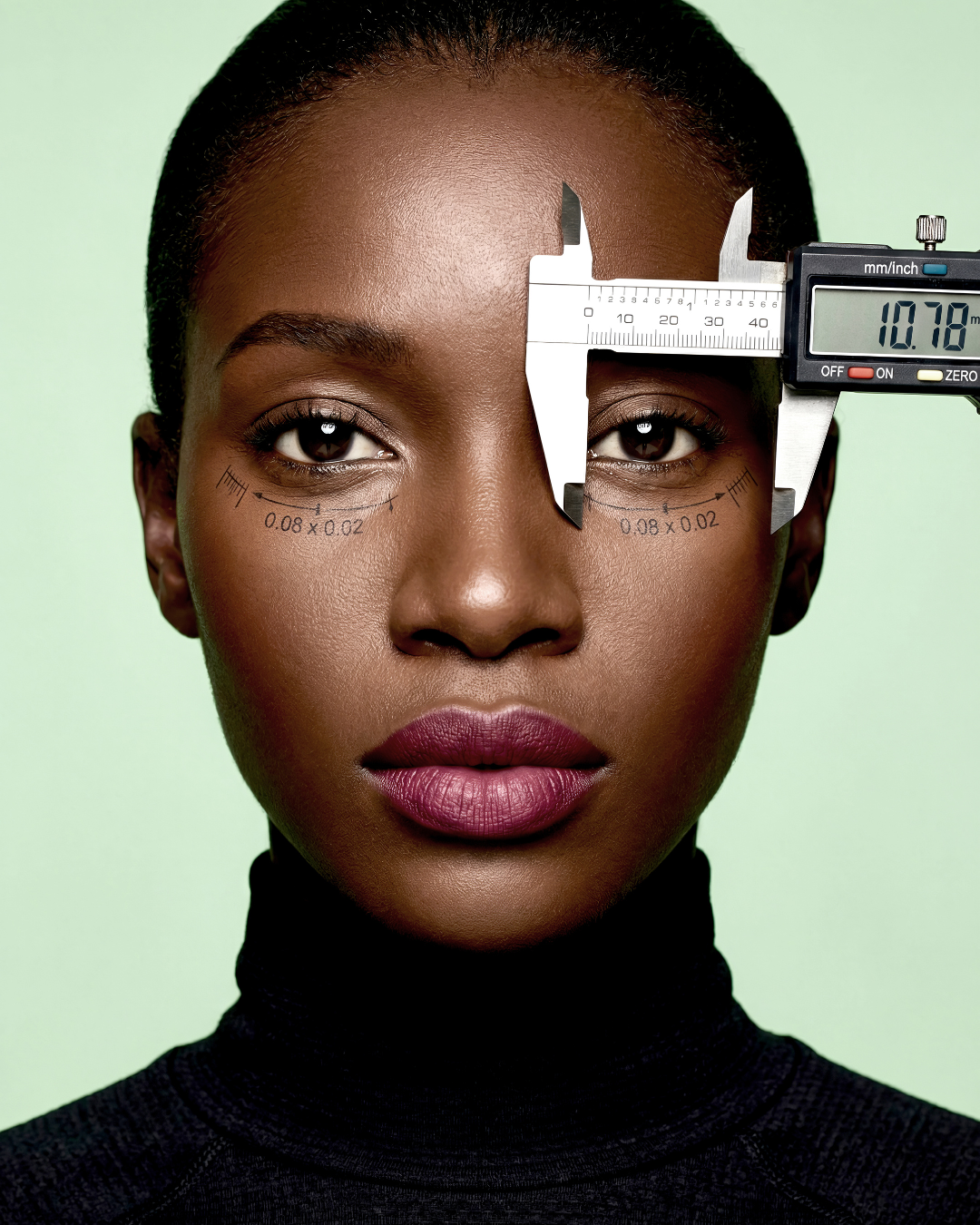
We live in an era of perpetual reset. The desire to slough off the old—be it a mood, a habit, or a season—finds its most literal and fervent expression on our faces. Skincare is no longer just maintenance—it’s a relentless pursuit of awakening. But as we chase this ideal through ever-more aggressive means—the acid peels, the laser resurfacing, the preventative ‘tweakments’ sought in our twenties—a critical question emerges. Are we nurturing our skin’s health, or are we engaging in a subtle, compulsive erasure of our own history?
The language of the clinic has seeped into our daily rituals. We don’t just cleanse, we ‘purge’. We don’t moisturise, we ‘barrier repair’. The ultimate goal is ‘cell turnover’, a biological metaphor for renewal that has become a cultural mandate. Yet, according to leading aesthetic doctor Dr. Richard Devine, this pursuit crosses a line when motivation shifts. “True self-care is about balance, barrier integrity, and long-term skin health,” he states. “It becomes erasure when treatments are motivated by fear of lines, tiredness, or expression rather than a genuine concern about skin quality. When the aim is to look untouched rather than to feel well in your skin, the purpose has changed.”
This shift is palpable in consultation rooms. Orskin Aesthetics Clinic’s Dr. Shagoon Modi observes a cycle where satisfaction becomes fleeting. “When someone begins to see their face as something that constantly needs adjusting, satisfaction becomes brief. Instead of feeling more confident, they can become more critical of themselves.” The quest for an ‘awakened’ complexion, fuelled by the flawless, filtered imagery of social media, creates what she describes as “the sense that you are never quite finished with your face”.
The risks are more than psychological. Medically, the skin is not designed for constant, accelerated renewal. “When those cycles are constantly accelerated with acids, lasers, and frequent intensive treatments, the skin barrier can become compromised,” warns Dr. Devine. “Over time, instead of strengthening the skin, over-treatment can reduce its resilience and ability to age well.” In seeking a shortcut to renewal, we may be undermining our skin’s inherent, graceful strength.
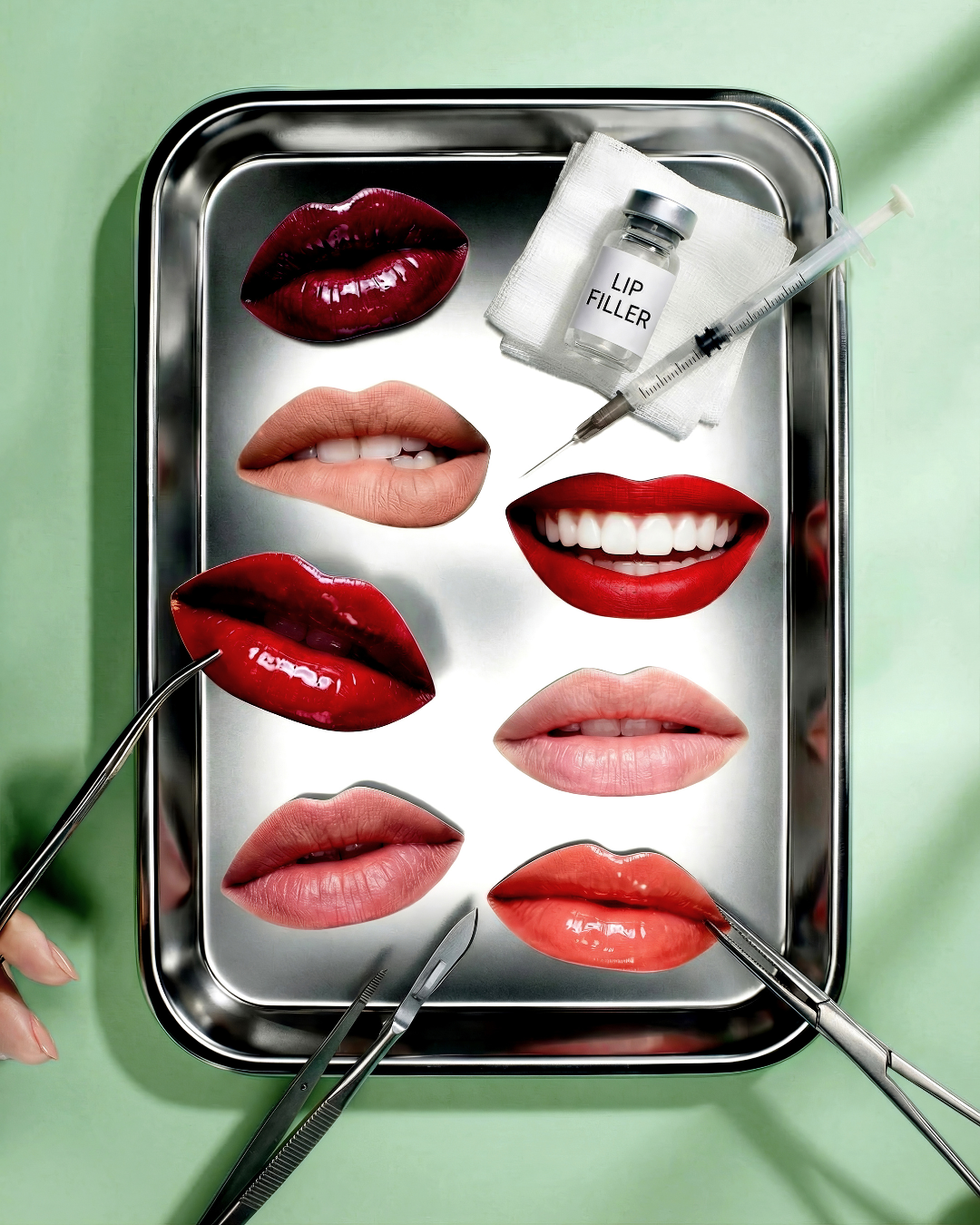
This cultural moment has not gone unnoticed by those in the public eye. Kate Winslet recently offered a candid critique, lamenting how the obsession with “chasing an idea of perfection” has overridden the celebration of realness. “We have to keep being real,” she implored in an interview with The Sunday Times, citing ageing hands as a thing of beauty. “That’s life, in your hands.” Her words strike at the heart of the issue: in our rush to erase, we lose the narrative. “What upsets me,” Winslet noted, “is that young women have no concept of what being beautiful actually is.”
This call to “keep being real” isn’t a solitary one. Julia Roberts has long framed the same choice not as passive ageing, but as active authorship. In a society she describes as “panicked [and] dysmorphic,” her stance is clear: “I want to have some idea of what I’ll look like before I start cleaning the slates.” It’s a conscious decision to witness your own story unfold. As she famously revealed in an interview with Elle, the logic is beautifully simple: “Your face tells a story and it shouldn’t be a story about your drive to the doctor’s office.” Together, they underscore a powerful alternative: that an awakened face is one allowed to tell its own, uninterrupted truth.
What, then, are we losing? According to Dr. Maria Angelo Khattar, managing director of Altaderma Clinic, we risk sacrificing warmth and humanity. “Fine lines, small asymmetries, and natural movement are part of how faces communicate emotion and personality. When everything is overly smoothed, faces can start to look polished but distant. Technically perfect, but less familiar and less human.” If every mark of life is treated as a flaw to be corrected, we create what she terms “an uncomfortable middle space where age is neither young nor allowed to be visible.”
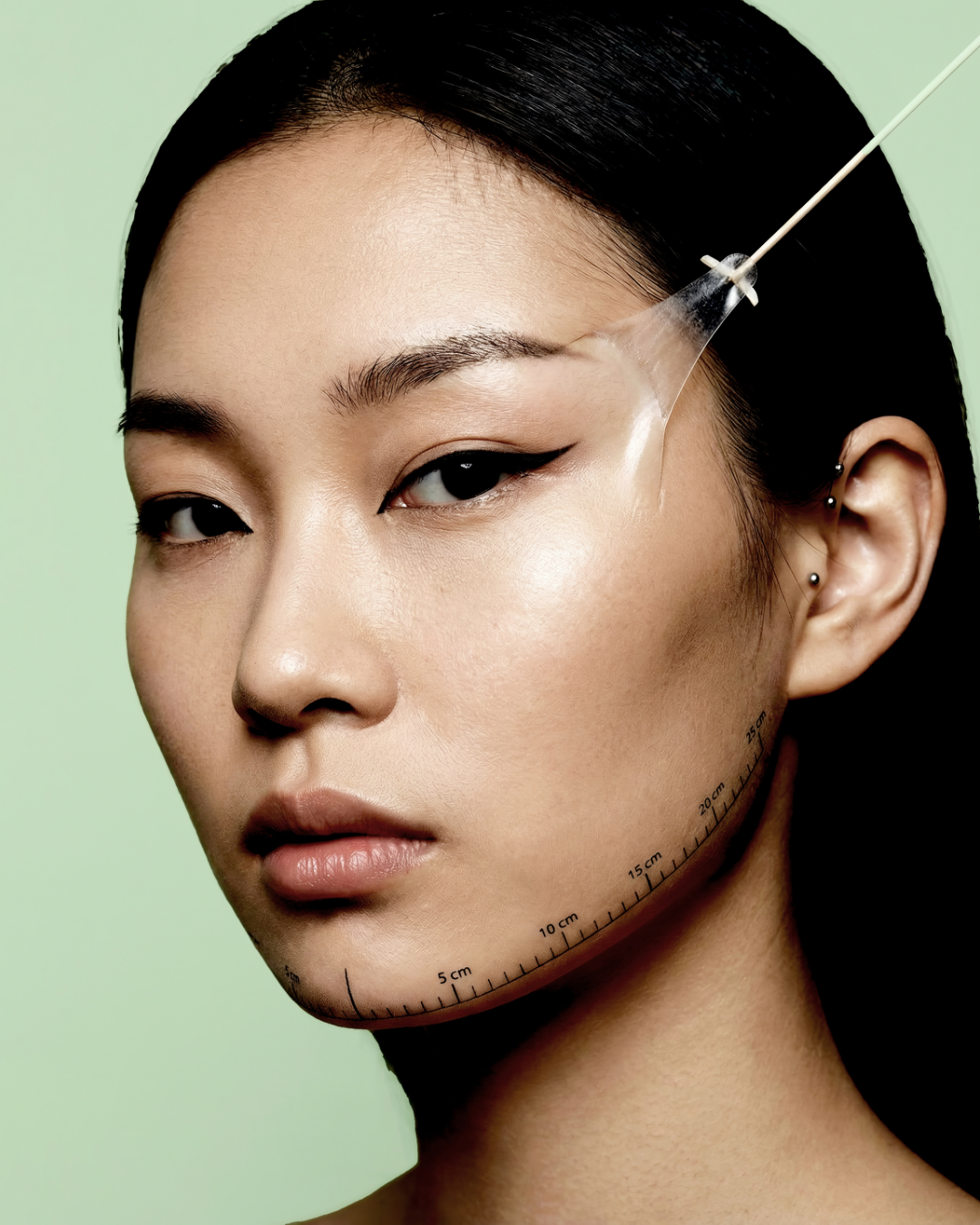
This brings us to the alternative path: the ‘soft awakening’. This philosophy champions gentler, ritualistic practices—gua sha, facial massage, circadian rhythm alignment—that prioritise connection overcorrection. Dr. Khattar sees this as fundamental, as gentler approaches “support circulation, lymphatic drainage, and nervous system balance. They also change their mindset. Instead of constantly correcting the face, they encourage connection and awareness”. Perhaps, then, the true awakening is a conceptual one. It is about redefining what we are trying to achieve. Is the goal a blank canvas, stripped of context and story? Or is it a canvas that radiates health, vitality, and the quiet confidence of a life being lived? “Awakened skin should look healthy, rested, and comfortable. It should move naturally and hold expression,” proposes Dr. Khattar. “It is about balance and care, not about looking blank or untouched.”
The final, most transformative step isn’t a product. It’s a shift in perspective: choosing to see a line as evidence of expression, not error; texture as a mark of experience, not imperfection. Real renewal isn’t found in a brutal reset, but in the gentle, daily return to yourself. The most radical act of care may simply be to stop erasing and start listening to the story your skin has been telling all along.
“the new face” IS PUBLISHED IN THE 17th EDITION OF GRAZIA middle east. ORDER YOUR COPY HERE.


