










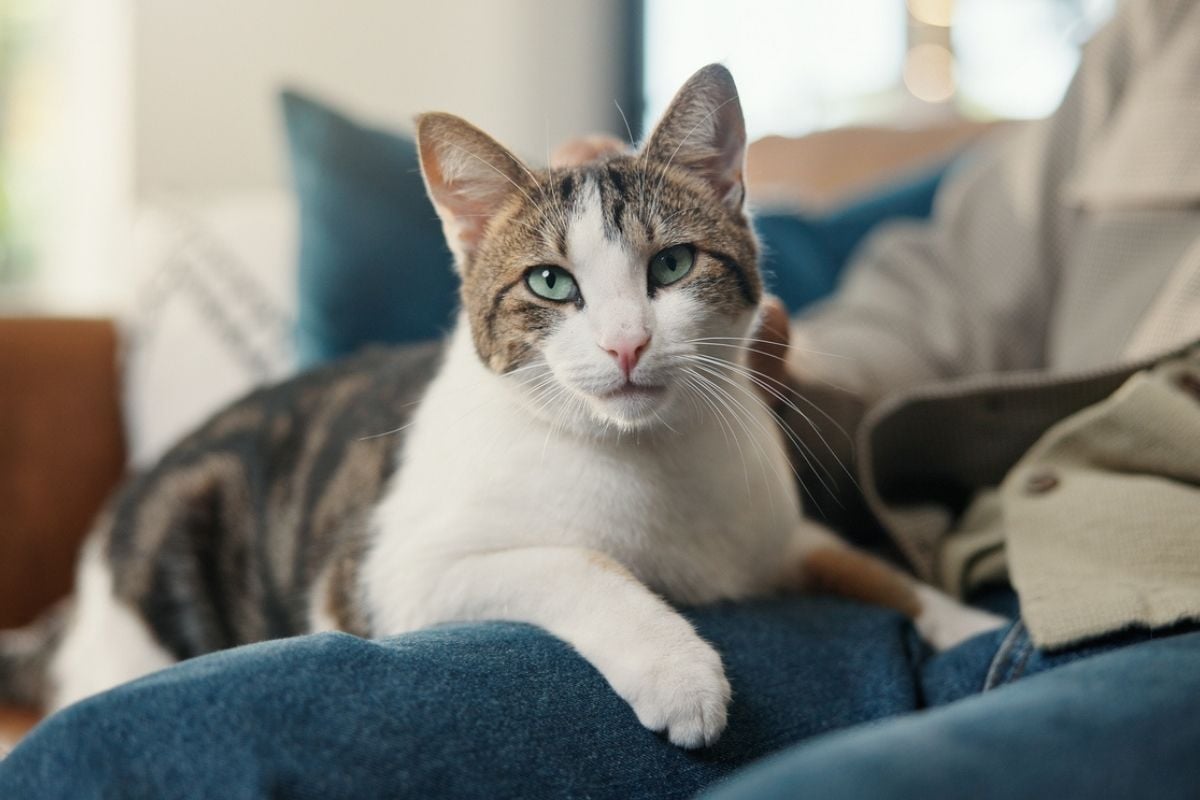
You walk through the front door after a week away, bags still in hand, and your cat barely lifts its head from the couch. Maybe it blinks once, slowly, then looks away. In that moment, it is easy to feel a little hurt – and to wonder whether your cat has any idea who you are anymore. We have all been there. But what if that cool, unbothered reaction has nothing to do with forgetting you and everything to do with how feline memory actually works? The truth is far more comforting than that indifferent stare might suggest.
Your cat’s brain is more powerful than you think
Before we get to the emotional side of things, it helps to understand what is happening inside your cat’s head on a purely neurological level. Cats possess hundreds of millions of cortical neurons, giving them serious cognitive firepower. Almost double the number found in dogs. That cognitive firepower means they are exceptionally good at retaining information that matters to them, particularly anything connected to their safety, comfort, or food.
Think about how your cat always seems to know exactly which corner of the kitchen the treats are stored in, or how it avoids a specific hallway where the vacuum once terrified it. Those behaviors are not random. They are evidence of a short-term memory system that can last up to 16 hours, helping cats recall locations of interest and things they would rather steer clear of. It is a practical, survival-oriented kind of intelligence, and it operates quietly in the background of your cat’s daily routine.
But here is where it gets really interesting. Beyond that short-term recall, cats also have a long-term memory capable of storing emotionally significant events for up to three years. The experiences most likely to stick are those tied to survival or emotional comfort – which means the person who feeds them, shelters them, and shows them affection occupies prime real estate in their memory.
How cats hold on to the people they love
So, do cats actually remember their owners? The short answer is a resounding yes. They may not greet you the way a dog would, with a wagging tail and unbridled enthusiasm, but cats form deep bonds rooted in familiarity, scent, and routine. A cat that has been fed, housed, and petted regularly by the same person will often remember that individual for life – or at least until age-related cognitive decline sets in, which typically begins around 12 years old.
What makes their recognition so reliable is that it does not depend on just one sense. Your scent, your voice, even the rhythm of your footsteps – all of these details become embedded in your cat’s memory over time. After a two-week vacation, your cat might not sprint across the room to leap into your arms, but the odds are strong that it never stopped recognizing you. That slightly aloof greeting when you return is not a sign of amnesia. It is more likely your cat’s version of expressing mild displeasure at your absence.
Olfactory memory, or scent-based recall, plays an especially important role in this process. A cat’s sense of smell is central to how it navigates the world, identifies familiar people, and marks territory. When your cat rubs against your leg or headbutts your hand, it is doing two things at once: depositing its own scent markers on you and refreshing its memory of yours. It is a quiet, constant act of recognition that most of us never even notice.
What happens when you’re apart for a long time
This is the question that worries so many cat owners. Whether you are leaving for college, heading out on an extended work trip, or spending time in the hospital, the fear of being forgotten can feel very real. The reassuring news is that if your relationship was built on daily interaction and genuine emotional connection, your cat is likely to hold on to that memory for years.
Even when cats act a little distant upon your return, that behavior is entirely consistent with how they process reunions. Rather than interpreting aloofness as forgetfulness, it helps to see it as a very feline way of acknowledging your absence. They noticed you were gone. They just have their own way of letting you know about it.
What matters most is the foundation you built before the separation. Routine care, physical affection, and consistent presence all create the kind of emotionally charged memories that cats store for the long term. Those are the memories that last up to three years – and in many cases, potentially even longer when the bond is strong enough.
That judgmental stare means more than you realize
The next time your cat fixes you with one of those slow, appraising looks after you have been away, try not to take it personally. Behind those calm, blinking eyes sits a memory that is sharper and more enduring than most people give cats credit for. Your cat knows exactly who you are. It remembers your smell, your sounds, and the comfort you provide. The cool exterior is not indifference – it is simply classic cat behavior. And now you know there is real cognitive power backing up every seemingly nonchalant glance.


