










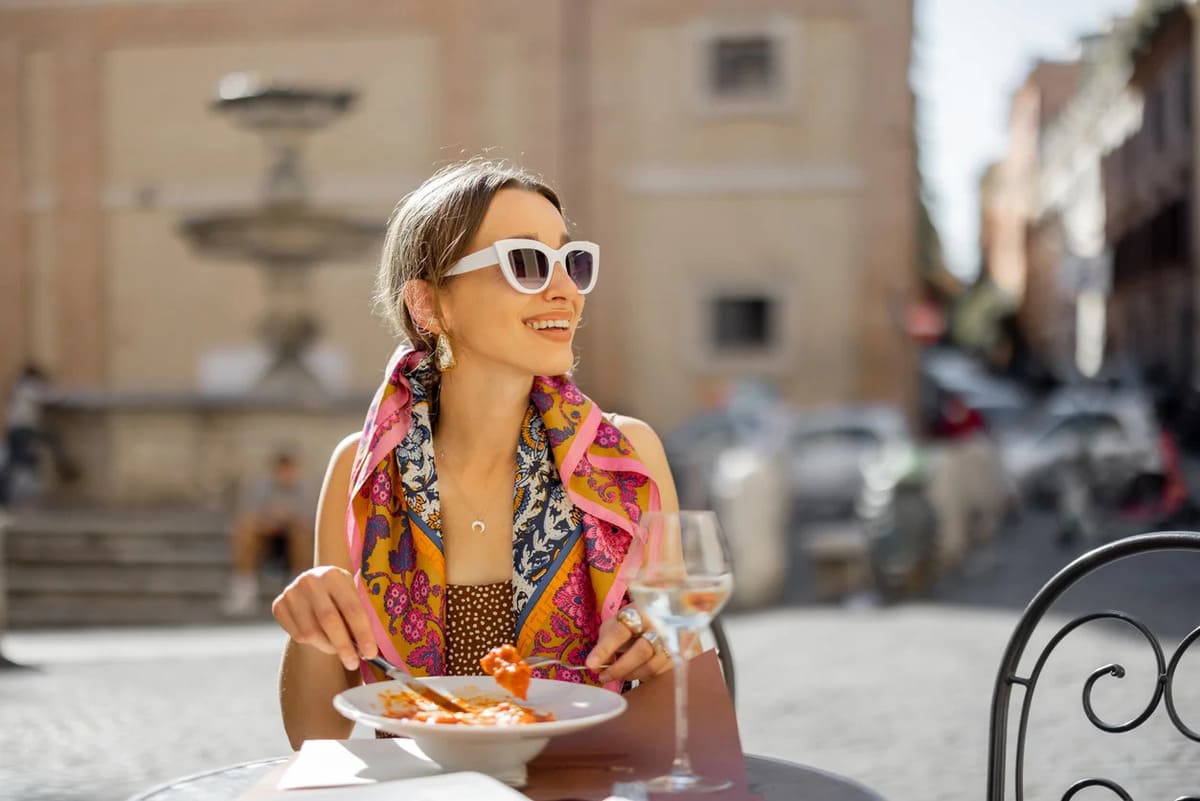
You probably already know what it feels like to eat alone without meaning to. The sad desk salad. The leftovers reheated at 11 p.m. while you stand over the sink scrolling your phone. We tend to file those moments under loneliness, or at least under “things we would rather not post about.” But what if the problem was never the solitude itself – and everything to do with whether you actually chose it?
We are eating alone more than ever, and it is making us miserable – or is it?
The numbers paint a striking picture. A 2023 survey from the Bureau of Labor Statistics found that about a quarter of Americans reported eating all their meals alone the previous day. The Pew Center reports that 38 percent of adults between 25 and 54 now live alone, a figure expected to keep climbing. And this year’s World Happiness Report, published by the University of Oxford’s Wellbeing Research Centre, ranked the United States 24th worldwide – our lowest placement yet – pointing to a sharp rise in solo activities, meals included, as a possible driver of American unhappiness.
Psychological research has long linked eating alone with depression, stress, and even political polarization. Anthropological literature on commensality – the scholarly term for the social dimension of sharing food – shows that since the era of hunting and gathering, humans have treated meals as communal acts, first for security and eventually, after about a dozen millennia, for belonging. So it makes sense that we would worry about all those solitary plates.
But here is where the picture gets more interesting. OpenTable reports a 64 percent rise in solo dining reservations since 2019, not even counting walk-ins. On TikTok, videos tagged with #SoloDate have garnered millions of views. Something is shifting, and not everyone eating alone is doing so reluctantly.
The one factor most research overlooks
Recent studies examining the role of conscious decision-making in how we spend time alone found something crucial: the negative effects typically associated with solitude were reduced or entirely eliminated when participants purposefully set aside time for a solo activity. Some even reported decreased stress, less moodiness, and improved sleeping habits. In other words, the difference between a depressing meal and a restorative one may come down to a single word – intention.
Jill Weber, an anthropologist who owns Philadelphia restaurants including Rex at the Royal and Jet Wine Bar and has dined solo for over 35 years, draws a clear line between being alone and being lonely. In her view, sitting in your house eating by yourself is far lonelier than going to a restaurant surrounded by other people. Georgette Sipala, a nurse who has spent six years documenting her solo dining adventures on the Instagram account @thelonebruncher, echoes the point. She has found that the biggest barrier is not other people’s judgment but your own anxiety about being seen in public without company.
Recent neurological research adds another layer: to break up the monotony of routine and slow down our perception of time racing past, we need more novel, memorable experiences. Those do not have to involve skydiving. Sometimes they are as simple as engaging with the sights, smells, sounds, staff, and fellow diners at an unfamiliar restaurant. Seasoned solo diners say the practice sharpens everyday social skills we rarely exercise in our increasingly isolated lives – small talk, eye contact, self-sufficiency.
Why restaurants (and our own brains) still resist
Cultural baggage remains real. Words like hermit, loner, and recluse carry pity baked right in. Younger interviewees in perception studies frequently cite the fear of being framed as sad or lonely as the main reason they avoid eating out alone. Gen Zers, having grown up recording and being recorded at nearly all times, are especially vigilant about how they might be perceived. Japan, by contrast, has refined its solo dining culture for years, offering one-person grills at barbecue spots called hitori-yakiniku and popularizing the ramen chain Ichiran, often described as the introvert’s dream thanks to its individual-booth seating design.
Restaurants themselves can be unwelcoming. Solo diners report being seated at the worst table, rushed through their meal, handed the check unprompted, or turned away outright. Some establishments do not even allow a reservation for one through booking platforms. Thin margins make it understandable that a restaurant might prefer to seat two paying customers rather than one, but the sting is real, and it makes normalization harder.
Still, the tide appears to be turning. American restaurants are increasingly offering communal tables and single-friendly menus. Practical tips from experienced solo diners help too: sitting at the bar instead of a table, arriving during off-peak hours like lunch or early dinner, chatting with the bartender, or simply putting the phone away and being present.
What you gain when you stop watching yourself
Weber, who welcomes parties of one at her own restaurants, notes that solo diners tend to be regulars – loyal, friendly, and enthusiastic about recommending the place to others. They are, in her estimation, some of her best customers. She stresses that nobody else in the room cares that you are there alone; they simply see another person sharing the same space.
The real golden rule, according to the solo diners who do this regularly, is to stop surveilling yourself. You do not need a companion to justify occupying a seat. You do not need a screen to fill the silence. What you gain instead is agency over your own time, a richer relationship with your surroundings, and the quiet proof that you can enjoy your own company. In a culture that increasingly leaves us alone whether we like it or not, choosing solitude on your own terms might be one of the most grounding things you can do.


