










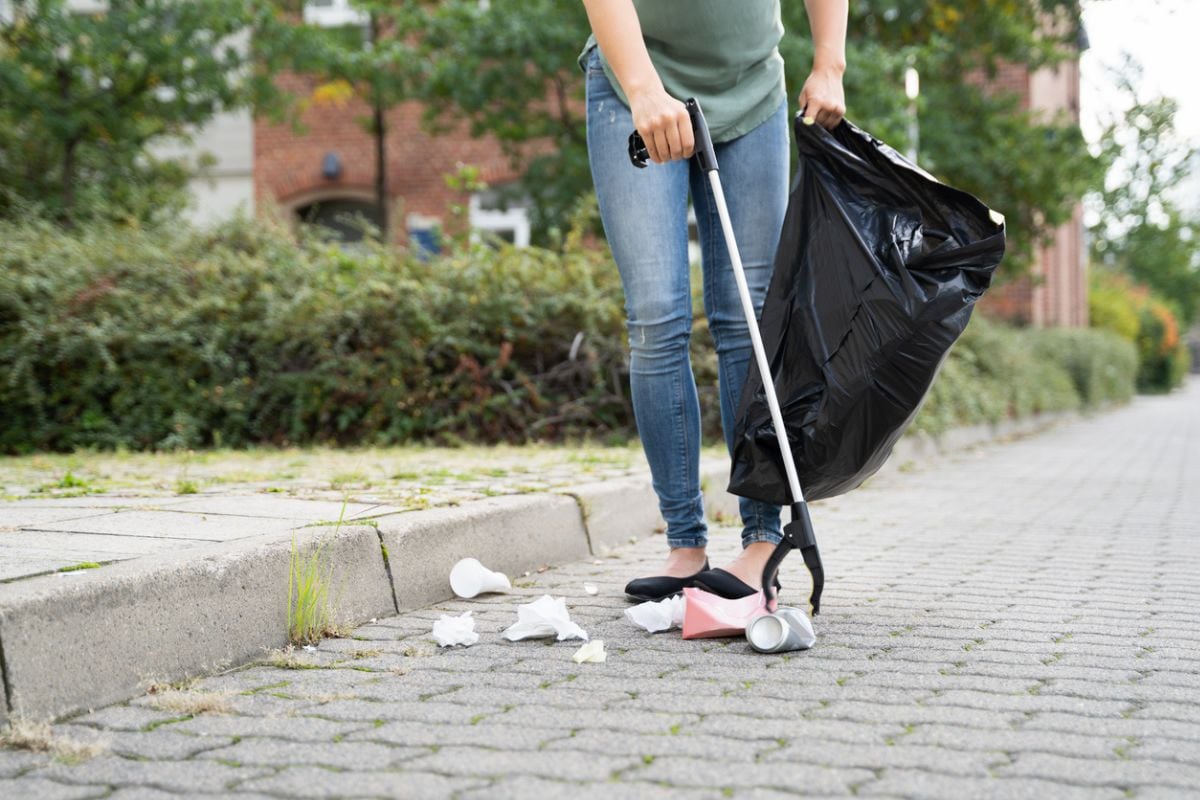
Bending down for a stranger’s soda can says more about you than you might think, and it may change what the people around you do next. You are walking in the park, and there it is: a plastic bottle on the grass, a candy wrapper by the bench. It is not yours. Most people walk past. A few stop, pick it up and drop it in the nearest bin, without a word. Psychologists have a name for what drives that small gesture, and research shows it is more powerful than it looks.
Researchers call it “psychological ownership,” the feeling that something is partly yours even when you do not legally own it. In a study published in 2020 in the Journal of Marketing, Suzanne Shu of Cornell University, Joann Peck of the University of Wisconsin-Madison, Colleen Kirk of New York Institute of Technology and Andrea Luangrath of the University of Iowa tested how that feeling changes the way people treat public places.
The Kayakers Who Named the Lake
On a public lake in Wisconsin, more than 130 people who rented kayaks over two weeks were told that it was common to pick up floating trash. The researchers planted items such as a flip-flop or a water bottle along each route. Before paddling, half of the kayakers were asked to come up with a nickname for the lake. Those kayakers tried to pick up the planted trash 41% of the time, compared with 7% of the others, making them more than five times as likely to help.
“The ones who thought about a name for the lake had a stronger sense of psychological ownership,” Shu said. “They felt more of a connection to the lake.” In another experiment from the same research, a simple sign reading “Welcome to YOUR park” instead of “Welcome to the park” increased people’s willingness to volunteer and donate.
Why One Person Tidying Up Matters
Picking up litter also sends a message to everyone around you. In a classic 1990 study led by psychologist Robert Cialdini, researchers observed 139 visitors returning to their cars in a hospital parking garage, where a flyer had been placed on each windshield. When the garage was clean, 11% of people dropped the flyer on the ground. When it was already littered, 41% did. In other words, people take their cues from the state of a place. A clean space signals that others care, and makes littering feel out of place.
So when someone picks up trash that is not theirs, it usually means two things. They feel a personal connection to the place, as if it were partly their own. And, knowingly or not, they are helping set the standard that the next person will follow.
How to Build That Habit
You can strengthen your own sense of ownership in simple ways. Give your favorite walking route or park bench a name, the way the kayakers did. Keep a small bag in your coat pocket or car for the odd wrapper. Join a neighborhood cleanup once a season. And if you have grandchildren, invite them to help: children learn far more from what they see adults do than from what they are told. Small habits often reveal a lot, as psychologists note about people who leave dishes in the sink. And this kind of everyday care fits what researchers have found about kindness that grows stronger with age. The lesson worth borrowing is that treating a shared place as your own is often the quickest way to make others care for it too.
What does it mean when people pick up trash that isn’t theirs, according to psychology? That they feel the place belongs to them a little, and that their small gesture quietly invites everyone else to do the same.


