










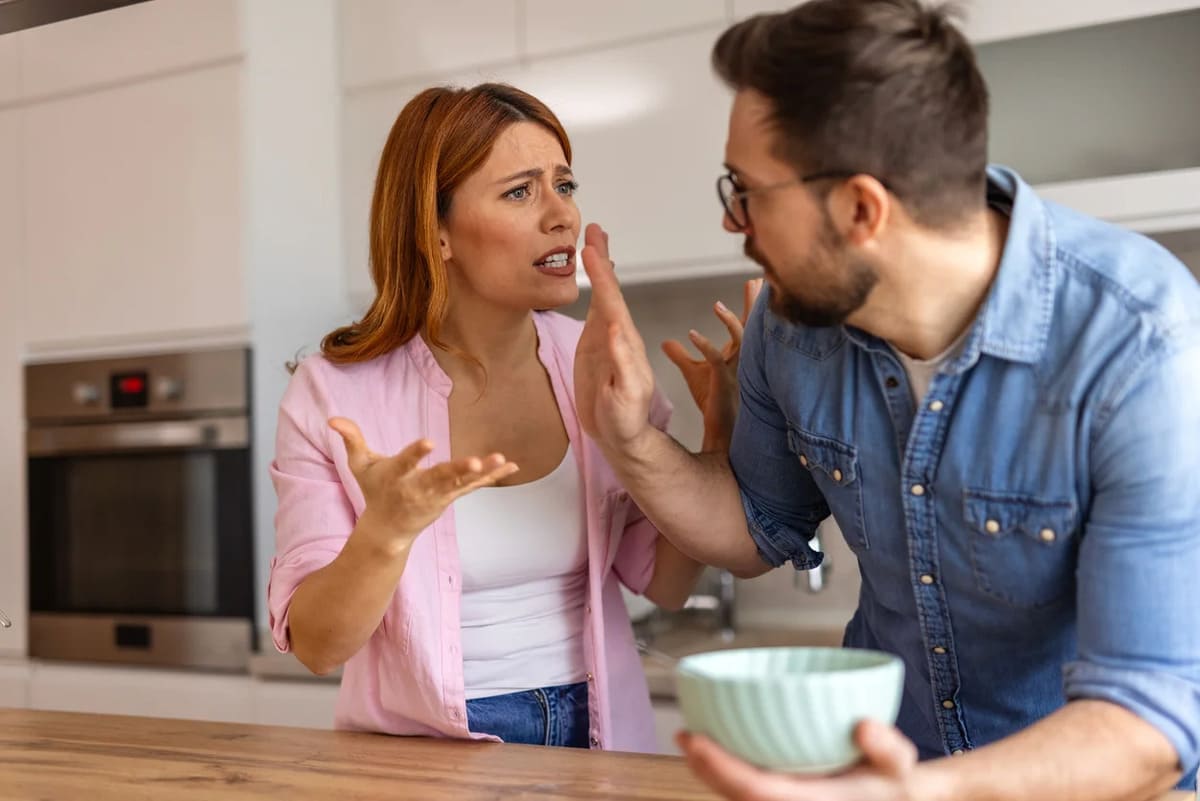
You have probably done it yourself – scrolled through a cheating scandal online, maybe the Coldplay Concert Kiss Cam controversy or the Scandoval saga, and thought: I would have seen the signs. We love to believe infidelity is something that happens to careless people who ignore obvious red flags. But what if the whole framework of spotting a cheater before they cheat is fundamentally flawed? A clinical psychologist who spends a significant portion of her practice dealing with betrayal says we are asking the wrong question entirely – and that the traits linked to unfaithfulness are far more nuanced than any internet checklist suggests.
Why the question we keep asking is the wrong one
Dr. Kathy McMahon, Psy.D., a clinical psychologist, sex therapist, Certified Gottman Method Therapist and founder of Couples Therapy Inc., estimates that around 40% of her couples work centers on betrayal – financial, emotional and sexual. She says nearly every client wants to know the same thing: what kind of person does this? But according to Dr. McMahon, that question misses the point.
Infidelity is not black and white, she explains, and it does not come with an instruction manual. In a culture that craves algorithms and neat warning signs, she notes that what actually exists are appetites. Human desire is complex. She compares eroticism to bacteria in a petri dish – it develops slowly, subtly and situationally, thriving on conditions like power, proximity, secrecy, unmet need, play and despair. Across every culture, one thing stays constant: desire refuses to be contained.
That does not mean cheating is inevitable. What Dr. McMahon emphasizes is that cheating is not a single act – it is a boundary rupture, and the boundary varies from couple to couple. For some, the line is sex. For others, it is flirting. For others still, it is the fact that a colleague’s name is always the first one you text when something significant happens. Faithfulness, she stresses, is not something you can train into another person. The erotic charge, as she frames it, is woven into the fabric of being human, and pulling that thread out would unravel the entire fabric.
Nine traits that correlate with unfaithfulness – but don’t guarantee it
Dr. McMahon does identify nine personality traits that correlate with cheating, while cautioning that these are not death sentences but rather weather forecasts – and storms can be redirected with the right tools.
The first is a craving for novelty and adrenaline. When someone with high sensation-seeking tendencies settles into monogamy, the relationship can feel stagnant unless intimacy is actively reimagined. The remedy, Dr. McMahon suggests, is learning to create erotic novelty within committed love and exploring emotional risk alongside sexual risk. The second trait is low empathy. When a person struggles to attune to a partner’s inner world, the impact of hurtful actions does not register as deeply – making infidelity feel less consequential in the moment. Practicing perspective-taking and exercises that build reflective empathy can help.
Third on the list is avoidant attachment, a style in which intimacy triggers escape behaviors because closeness feels engulfing. Cheating, in that context, becomes a form of emotional exit. Building tolerance for emotional closeness is the work here. Fourth is unresolved trauma or deep shame. People who feel fundamentally unworthy or are terrified of vulnerability sometimes use affairs to escape inner pain or prove their own worth. Therapy aimed at rewiring a self-narrative from broken to worthy is what Dr. McMahon recommends.
The fifth trait is entitlement or narcissism – a belief that one deserves more or sits above the rules. Infidelity becomes a way to assert power or uniqueness. Cultivating humility and accountability is the antidote, because true intimacy requires equality. Sixth is poor communication. When someone cannot express needs directly, they seek covert outlets, and cheating becomes a maladaptive signal. Learning to name needs early, clearly and with softness is a teachable skill.
Seventh is conflict avoidance. People who fear confrontation may build up resentment until it explodes in secrecy. Practicing gentle conflict and learning that rupture is part of bonding – not the end of it – can redirect that pattern. Eighth is sexual incompatibility, particularly when it goes unspoken. A person with unmet desires who does not know how to voice them or fears rejection may look elsewhere. Creating safe spaces to discuss erotic needs openly is essential. Ninth is the influence of power or status. When someone is constantly admired for their position, emotional accountability can go numb. Dr. McMahon’s advice is blunt: stay grounded, surround yourself with people who challenge you rather than just praise you, and get a therapist.
What to ask instead of who cheats
Rather than profiling a cheater, Dr. McMahon suggests we shift our questioning entirely. Instead of asking what kind of person is unfaithful, we should be asking what conditions make infidelity more likely – and what we can do to sustain vitality within long-term love. People do not cheat to destroy their lives, she explains. They cheat because they want to touch something that feels alive.
That reframe matters. It moves the conversation from moral judgment to emotional understanding, and it puts agency back in your hands. Whether you are in a relationship right now or reflecting on a past one, the traits above are not checklists to weaponize – they are invitations to look honestly at dynamics that might need attention.
The bottom line
There is no algorithm that predicts betrayal, no matter how badly we want one. What does exist is a set of personality patterns – from high sensation-seeking to unresolved shame to conflict avoidance – that can raise the likelihood of infidelity under certain conditions. Every single one of them, according to Dr. McMahon, can be worked on with the right tools. If we invested half as much energy in sustaining emotional and erotic connection within our relationships as we do gawking at cheating scandals on our screens, there might be far fewer wreckages to watch in the first place.


